
AI Dream Interpretation: Decoding Subconscious Symbolism Algorithmic Insights
Dreams have fascinated humanity for millennia, serving as a mysterious conduit to our deepest thoughts, fears, and aspirations. From ancient civilizations interpreting omens to modern psychology delving into the subconscious, the quest to understand these nocturnal narratives remains a cornerstone of self-discovery. In an era increasingly defined by technological innovation, Artificial Intelligence (AI) is now stepping into this enigmatic realm, offering novel approaches to decode the intricate symbolism embedded within our dreams.
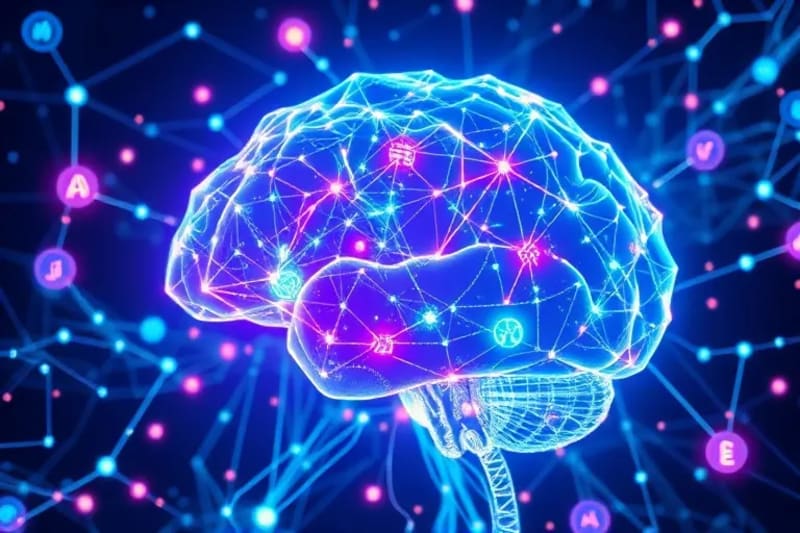 Precursores intelectuales, diagramas fundamentales y representaciones conceptuales que forjaron la visión de la interpretación de sueños y sus influencias tecnológicas.
Fuente visual sujeta a disponibilidad del ecosistema: Wikimedia Commons bajo licencia CC BY-SA 4.0 o renderizado conceptual IA.
AI dream interpretation represents a groundbreaking convergence of advanced computing and psychological theory. It leverages machine learning algorithms and natural language processing (NLP) to analyze dream narratives, identify recurring patterns, and suggest potential meanings. This article delves into the mechanisms, benefits, limitations, and future prospects of this burgeoning field, aiming to provide a comprehensive understanding of how algorithmic insights are transforming our approach to the subconscious.
Table of Contents
- What is AI Dream Interpretation?
- The Science Behind Dreams and AI
- Algorithmic Approaches to Dream Analysis
- Benefits of AI-Powered Dream Analysis
- Limitations and Ethical Considerations
- The Future of AI Dream Interpretation
- Conclusion
What is AI Dream Interpretation?
AI dream interpretation refers to the use of artificial intelligence technologies to analyze, categorize, and provide insights into the content of dreams. Unlike traditional methods that rely on human interpreters, often influenced by their own biases or limited by their personal experiences, AI systems can process vast amounts of data without such constraints. These systems are trained on extensive databases of dream reports, psychological theories, and symbolic dictionaries to identify correlations and derive potential meanings.
The core principle involves feeding raw dream narratives, typically text descriptions provided by individuals, into an AI model. The AI then breaks down these narratives into their constituent elements: characters, objects, actions, emotions, and settings. Through sophisticated algorithms, it cross-references these elements with established psychological frameworks, cultural symbols, and even the individual's personal history, if provided, to generate a comprehensive interpretation. This process aims to reveal underlying psychological states, unresolved conflicts, or even predictive insights that the dreamer's subconscious might be trying to communicate.
The Science Behind Dreams and AI
To understand AI dream interpretation, it is crucial to grasp the scientific understanding of dreams themselves. Neuroscientific research suggests that dreams are a product of brain activity during sleep, particularly during REM (Rapid Eye Movement) sleep. They are believed to play roles in memory consolidation, emotional regulation, problem-solving, and creative thinking. The brain processes daily experiences, fears, and desires, often manifesting them in symbolic or metaphorical forms within dreams.
AI, on the other hand, excels at pattern recognition and data analysis. When applied to dream data, AI algorithms can identify subtle connections that might elude human observation. For instance, if a person consistently dreams of being chased, an AI can not only flag this recurring theme but also analyze the specific contexts, emotions, and accompanying symbols to suggest potential psychological stressors or unresolved issues. This scientific approach, combined with the power of AI, offers a new lens through which to explore the intricate workings of the human mind.
Algorithmic Approaches to Dream Analysis
Several algorithmic techniques are employed in AI dream interpretation, each contributing a unique dimension to the analysis:
- Natural Language Processing (NLP): This is fundamental for processing raw dream narratives. NLP algorithms parse the text, identify key entities (nouns, verbs, adjectives), and understand the semantic relationships between them. They can extract themes, sentiments, and even stylistic elements from the dream description, converting unstructured text into structured data for further analysis.
- Machine Learning (ML): Once the dream data is processed by NLP, ML models come into play. These models are trained on large datasets of dreams and their corresponding interpretations (often derived from psychological studies or expert analyses). They learn to identify patterns and correlations, allowing them to predict potential meanings for new dream inputs. Techniques like clustering can group similar dream elements, while classification models can assign predefined interpretations.
- Symbolic AI and Knowledge Graphs: For more nuanced interpretations, some AI systems integrate symbolic AI. This involves creating knowledge graphs that map out relationships between symbols, archetypes, and psychological concepts. For example, a "snake" might be linked to transformation, fear, or wisdom, depending on the context and cultural background. This allows the AI to provide interpretations that resonate with established symbolic frameworks.
- Deep Learning and Neural Networks: More advanced systems utilize deep learning, particularly recurrent neural networks (RNNs) or transformer models, which are excellent at understanding sequential data like narratives. These networks can capture complex contextual dependencies within a dream, leading to more sophisticated and context-aware interpretations.
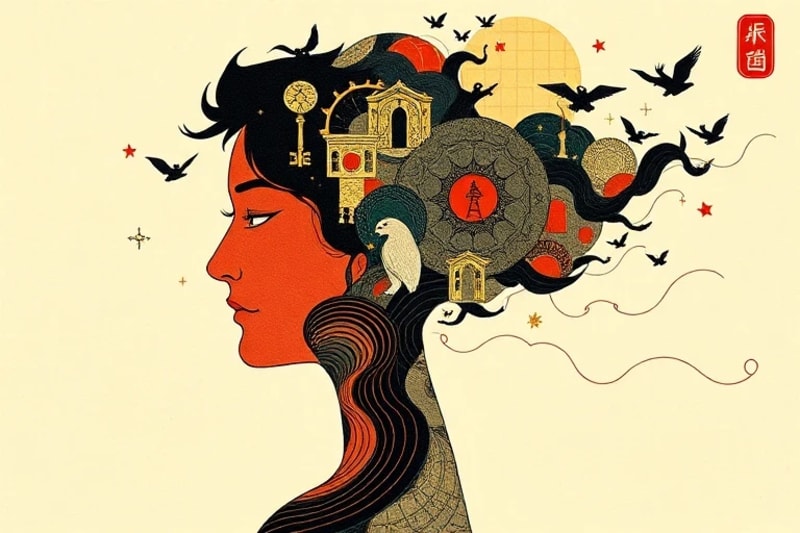 A digital representation of the human psyche, analyzed by algorithmic insights.
The application of these diverse algorithms allows AI systems to move beyond superficial keyword matching, enabling a deeper, more contextual understanding of dream symbolism. This mirrors the intricate process of self-discovery, much like how Manifestation Tarot helps in crafting intentions by understanding deeper self-desires.
Benefits of AI-Powered Dream Analysis
The integration of AI into dream interpretation brings several significant advantages:
- Objectivity and Impartiality: AI systems lack personal biases, ensuring that interpretations are based purely on the data and learned patterns, rather than the subjective experiences or beliefs of a human interpreter.
- Speed and Efficiency: AI can process and analyze dream narratives almost instantaneously, providing quick insights that would take human experts much longer to compile. This efficiency makes dream analysis more accessible.
- Access to Vast Datasets: AI can be trained on millions of dream reports and psychological studies, allowing it to identify rare patterns and provide interpretations that draw from a much broader knowledge base than any single human could possess.
- Personalized Insights Over Time: As an individual uses an AI dream interpreter, the system can learn their unique symbolic language and recurring themes. This leads to increasingly personalized and accurate interpretations, moving beyond generic symbolism to understand the dreamer's specific psychological landscape.
- Educational Tool: AI can serve as an educational resource, helping individuals learn about common dream symbols, psychological theories, and the process of self-reflection. It can encourage users to delve deeper into their subconscious, much like exploring Astral Projection Techniques fosters conscious exploration of inner realms.
Limitations and Ethical Considerations
Despite its promising capabilities, AI dream interpretation is not without its limitations and ethical challenges:
- Lack of Subjective Experience: AI cannot "feel" or "experience" dreams. It operates purely on data and algorithms, lacking the nuanced understanding of human emotions, cultural context, and personal history that a human therapist might bring. The subjective, qualitative aspect of dreams remains a uniquely human domain.
- Data Privacy Concerns: Dream narratives are deeply personal and sensitive. Storing and processing such data raises significant privacy and security concerns. Robust encryption and anonymization protocols are essential to protect user information.
- Potential for Misinterpretation: While AI can identify patterns, the interpretation of symbols is often highly contextual. A "snake" in one dream might signify healing, while in another, it could represent betrayal. Without a deep understanding of the dreamer's waking life and emotional state, AI might offer generic or even misleading interpretations. This highlights the importance of understanding individual patterns, similar to how Karmic Astrology explains personal evolutionary paths.
- Over-reliance and Loss of Intuition: An over-reliance on AI for dream interpretation could diminish an individual's capacity for self-reflection and intuitive understanding of their own subconscious. The process of interpreting one's dreams is often as valuable as the interpretation itself.
- Ethical Boundaries: There are ethical questions about how AI-derived insights might be used. Could such tools be used for manipulation, or could they inadvertently cause distress if interpretations are not handled with care and sensitivity?
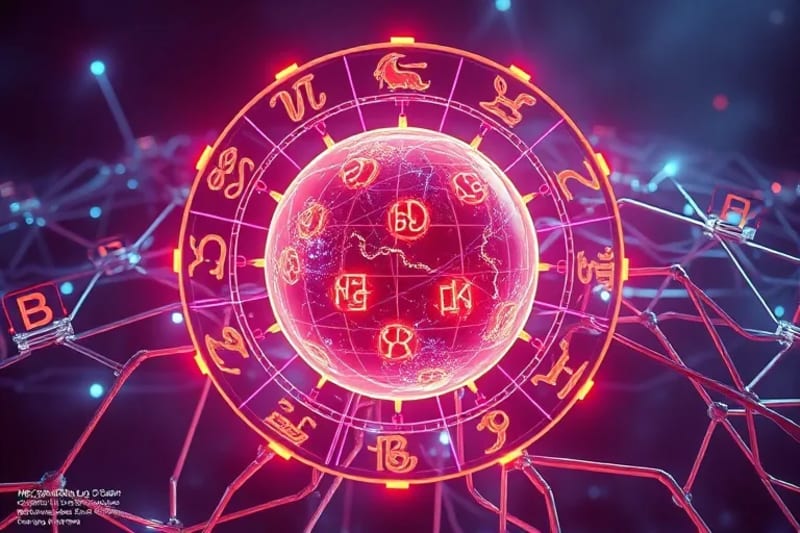 A conceptual render illustrating the complex interplay between AI algorithms and subconscious data.
The Future of AI Dream Interpretation
The field of AI dream interpretation is still in its nascent stages, but its future holds immense potential. We can anticipate several key developments:
- Integration with Wearable Technology: Future AI systems might integrate with biometric sensors in wearable devices to correlate dream content with physiological data (heart rate, brainwave patterns). This could provide a more holistic and objective understanding of dream states.
- Advanced Neural Networks: As deep learning models become more sophisticated, they will be able to understand even more complex linguistic nuances and symbolic representations, leading to highly accurate and context-rich interpretations.
- Collaborative Human-AI Models: The most effective approach may involve a hybrid model where AI provides initial analyses and pattern recognition, which are then reviewed and refined by human therapists or the dreamers themselves. This combines AI's analytical power with human empathy and contextual understanding.
- Personalized Dream Libraries: AI could help individuals build comprehensive, evolving libraries of their dreams and their interpretations, offering a powerful tool for long-term self-analysis and psychological growth. This aligns with modern spiritual practices that seek to harmonize internal and external well-being, much like Feng Shui Modern Spirituality adapts ancient wisdom to contemporary life.
These advancements promise to make dream interpretation a more accessible, personalized, and scientifically grounded practice, offering unprecedented insights into the human subconscious.
Conclusion
AI dream interpretation stands at the fascinating intersection of technology and the human psyche. By leveraging advanced algorithms, AI offers a powerful new tool for decoding the complex symbolism of our subconscious minds. While it presents significant benefits in terms of objectivity, speed, and personalized insights, it also necessitates careful consideration of its limitations and ethical implications. The ultimate goal is not to replace human intuition or therapeutic guidance but to augment it, providing individuals with a richer, more informed understanding of their inner worlds. As AI continues to evolve, its role in helping us unravel the mysteries of our dreams will undoubtedly grow, opening new pathways for self-discovery and psychological well-being.
The integration of artificial intelligence into the realm of dream analysis represents a significant leap forward in our understanding of the human subconscious.
This technology promises to democratize access to insights previously reserved for specialized practitioners, making self-exploration more accessible.
Explore More Insights
- Astrology and Money: Decoding Your Financial Blueprint
- Chinese Zodiac Ox: 2024 Forecast, Love, Career, Health
- Uranus Astrology: Awakening, Rebellion, Birth Chart Insights
- Planetary Dignities Synastry: Power Dynamics, Support
- Mundane Astrology: Predicting Global Events & Societal Trends
- Pet Synastry: Energetic Bonds, Karmic Connections Explained
- Financial Astrology: Market Trends, Wealth Potential Guide
- Vertex Astrology: Fated Encounters, Destiny Points Explained
- Esoteric Tarot Spreads: Unlocking Complex Insights
- Part Fortune Birth Chart: Joy, Abundance, Destiny Location
- Dispositores Finales: Planeta Dominante Carta Natal Influencia Suprema
- Nodos Lunares Dharma: Propósito Kármico, Evolución del Alma
- Tarot Junguiano Sombra Kármica Integración Profunda
- Canto Gregoriano: Oración, Sanación, Bienestar Mental
- Comunión Santos: Vínculo Celestial y Terrenal
- Novena Herramienta Profética Sanación: Camino Oración Intensiva
Source: Hybrid content assisted by AI and human editorial supervision.


Comments
Post a Comment