
Psychomagia Esoteric Rituals Unblocking Karmic Transformation
Psychomagia, a unique practice developed by Chilean-French artist and filmmaker Alejandro Jodorowsky, stands at the intersection of art, therapy, and spirituality. It offers a profound approach to healing psychological traumas and unblocking karmic patterns through symbolic acts. Unlike conventional therapy, Psychomagia bypasses the rational mind, speaking directly to the subconscious through poetic and often theatrical rituals designed to resolve deep-seated conflicts and inherited burdens.
This esoteric discipline posits that many of our personal struggles, fears, and limitations stem from unresolved issues passed down through family lines or ingrained through early life experiences. By performing specific, personalized "psychomagic acts," individuals can symbolically confront and transform these internal blockages, leading to significant personal growth and liberation. Psychomagia is not about logical reasoning but about enacting a new reality at a symbolic level, which the subconscious then accepts as true, initiating a healing process.
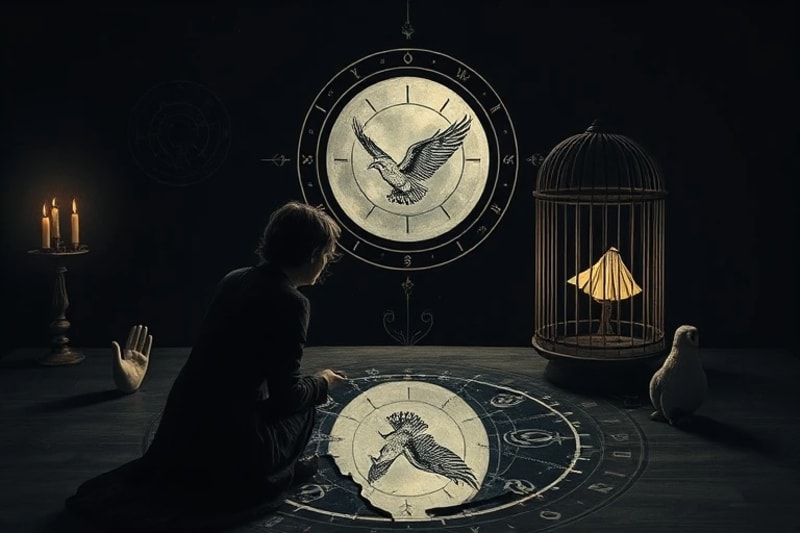
A dreamlike tableau where symbolic objects guide the path to subconscious healing and personal metamorphosis.
Table of Contents
- 1. The Origins of Psychomagia: Alejandro Jodorowsky's Vision
- 2. The Underlying Philosophy: Speaking to the Subconscious
- 3. Core Principles of Psychomagic Acts
- 4. Crafting a Psychomagic Ritual: The Process
- 5. Diverse Forms of Psychomagic Interventions
- 6. Benefits and Transformative Potential
- 7. Ethical Considerations and Criticisms
- 8. Psychomagia in the Contemporary World
1. The Origins of Psychomagia: Alejandro Jodorowsky's Vision
Alejandro Jodorowsky, a multifaceted artist known for his avant-garde films, graphic novels, and spiritual teachings, conceived Psychomagia from a rich tapestry of influences. His work is deeply rooted in surrealism, psychoanalysis (particularly Jungian concepts of the collective unconscious and archetypes), shamanism, alchemy, and the tarot. Jodorowsky observed that many psychological problems were not merely individual but deeply intertwined with family history and societal conditioning.
He believed that traditional therapy often failed to address the root causes of suffering because it operated solely on the rational plane. Inspired by ancient healing practices where symbolic acts and rituals played a crucial role in community and individual well-being, Jodorowsky developed Psychomagia as a way to create a direct, visceral impact on the unconscious. His approach emphasizes that the subconscious mind does not differentiate between symbolic and literal reality, making symbolic acts incredibly potent for healing.
2. The Underlying Philosophy: Speaking to the Subconscious
At the heart of Psychomagia is the understanding that our subconscious communicates through symbols, metaphors, and dreams, not through linear logic. When we experience trauma, grief, or unresolved conflicts, these experiences often get encoded in our subconscious as symbolic wounds or patterns. These patterns can manifest as physical ailments, recurring negative behaviors, creative blocks, or relationship issues.
Psychomagia aims to create a "therapeutic shock" for the subconscious, presenting it with a symbolic act that directly addresses the core issue. For instance, if a person feels trapped by family expectations, a psychomagic act might involve symbolically "cutting the umbilical cord" or "burying" a representation of the family burden. The power lies in the emotional and sensory experience of performing the act, which signals to the deeper self that a change has occurred, thereby initiating a new internal narrative.
This approach also acknowledges the concept of "karmic patterns" or inherited traumas. Jodorowsky often speaks of the "family tree" and how individuals can carry the unresolved issues of their ancestors. Psychomagic acts can be designed to break these generational cycles, freeing both the individual and their descendants from the burden of past sufferings. For those interested in deeper healing of ancestral wounds, exploring Chiron Karmic Astrology can offer complementary insights into past life wounds and their karmic implications.
3. Core Principles of Psychomagic Acts
Several fundamental principles guide the creation and execution of psychomagic rituals, ensuring their effectiveness and profound impact.
- Symbolic Language: Every element of a psychomagic act is carefully chosen for its symbolic resonance. Objects, colors, actions, and locations are selected to directly represent the problem, the desired change, or the hidden aspect of the self.
- The Act of Transgression: Often, psychomagic acts involve a symbolic transgression of social norms, personal taboos, or ingrained fears. This "shock" value is crucial for breaking through mental barriers and signaling to the subconscious that something significant is happening.
- Personalization: Each psychomagic act is unique and tailored to the individual's specific issue, personal history, and symbolic language. There are no generic prescriptions; the act emerges from a deep understanding of the person's psychological landscape.
- The Role of the "Shaman": While Jodorowsky himself often acted as the guide, the role of the "shaman" or facilitator is to help the individual uncover the core wound and design the most potent symbolic act. This requires intuition, empathy, and a deep understanding of human psychology and symbolism.
- Commitment and Belief: The effectiveness of Psychomagia relies heavily on the individual's commitment to performing the act with full intention and belief. It is not a mere intellectual exercise but a profound engagement of the entire being.
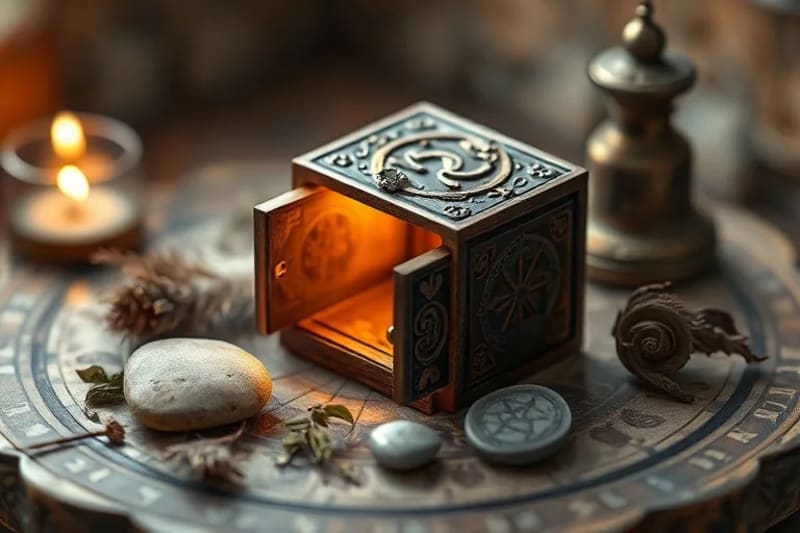
An arrangement of symbolic items on an altar, representing the tools for unlocking subconscious truths and initiating ritualistic healing.
4. Crafting a Psychomagic Ritual: The Process
The process of creating a psychomagic act is highly intuitive and collaborative, often involving a deep dialogue between the individual and the facilitator. It typically unfolds in several stages:
- Identification of the Wound: This stage involves exploring the individual's history, dreams, recurring patterns, and family dynamics to pinpoint the core psychological or karmic blockage. This might involve discussing fears, desires, past traumas, or even physical symptoms.
- Symbolic Translation: Once the wound is identified, it is translated into symbolic language. What object, action, or scenario best represents this problem? What would be the most potent symbolic resolution?
- Designing the Act: The facilitator and individual co-create the specific details of the act: what to do, where to do it, when, with whom (if anyone), what objects to use, what to wear, and what to say or feel. Every detail is significant.
- Execution of the Act: The individual performs the psychomagic act, often in solitude, with full awareness and emotional engagement. It's crucial to approach the act not as a chore but as a sacred, transformative performance.
- Integration and Observation: After the act, there's no need for immediate analysis. The work is done. The individual is encouraged to observe any changes in their feelings, thoughts, behaviors, or circumstances over time. The subconscious needs time to integrate the new information.
For those who find value in ritualistic practices, even simple ones, understanding the power of intention and symbolic action can be incredibly beneficial. Exploring Everyday Magic: Simple Rituals for Daily Life can provide a gentle introduction to incorporating meaningful practices into daily routines, fostering a sense of purpose and connection.
5. Diverse Forms of Psychomagic Interventions
Psychomagic acts are incredibly varied, limited only by imagination and the specific needs of the individual. They can range from simple, private gestures to elaborate, public performances. Here are some categories:
- Acts with Objects: Involving creating, destroying, burying, or transforming objects that symbolize the issue. For example, burning a letter to an absent parent, or creating a doll to represent a lost part of oneself.
- Acts with Nature: Utilizing natural elements for symbolic release or integration. This could be burying a fear in the earth, shouting a grievance into the wind, or washing away guilt in a river.
- Acts with the Body: Involving physical actions or sensory experiences. This might include dancing a particular emotion, wearing specific clothes for a day, or performing a symbolic gesture with one's hands.
- Acts with Art/Performance: Using creative expression to embody and transform the issue. This could involve painting a trauma, writing a poem from a different perspective, or performing a small theatrical piece.
- Acts of Symbolic Transgression: These are often the most potent and involve breaking a personal or societal taboo in a safe, symbolic way. For instance, if someone feels unable to express anger, an act might involve screaming into a pillow in a public park (where no one can hear, but the act of public display is symbolically powerful).

A visual metaphor of transformation, where rigid patterns shatter to unveil radiant, fluid forms, signifying the release of karmic burdens.
6. Benefits and Transformative Potential
The transformative potential of Psychomagia is vast, offering individuals a unique pathway to profound healing and self-discovery. Some of the key benefits reported by those who engage with this practice include:
- Emotional Release: Psychomagic acts can provide a powerful outlet for pent-up emotions, allowing for catharsis and release of long-held grief, anger, or fear.
- Breaking Cycles: By addressing karmic and generational patterns, individuals can break free from recurring negative behaviors, relationship dynamics, or life circumstances that have plagued them for years.
- Enhanced Self-Awareness: The process of identifying the core wound and designing the act fosters deep introspection and understanding of one's inner landscape.
- Increased Creativity and Vitality: Unblocking psychological barriers often leads to a resurgence of creative energy, passion, and a renewed zest for life.
- Spiritual Awakening: For many, Psychomagia is not just therapeutic but also a deeply spiritual practice, connecting them to deeper aspects of themselves and the universe. It can complement practices like Spirit Guides Shadow Work, which also aims at deep inner healing and spiritual growth.
7. Ethical Considerations and Criticisms
While Psychomagia offers powerful tools for transformation, it is not without its ethical considerations and criticisms. Its unconventional nature means it operates outside the typical frameworks of psychotherapy, leading to questions about its efficacy, safety, and accessibility.
One common concern is the potential for misinterpretation or misuse without proper guidance. The symbolic acts can be intense, and if not carefully designed and integrated, they could potentially cause further distress. Jodorowsky himself often warned against self-administering complex psychomagic acts without a deep understanding of the individual's psyche and the symbolic language involved.
Critics also point to the lack of empirical scientific validation for Psychomagia, as it relies on subjective experience and symbolic effectiveness rather than measurable outcomes in a clinical sense. However, proponents argue that its value lies precisely in its ability to address aspects of human experience that science often overlooks, tapping into the intuitive and spiritual dimensions of healing. It is crucial for individuals to approach Psychomagia with discernment, seeking guidance from experienced and ethical facilitators.
8. Psychomagia in the Contemporary World
In an increasingly rational and material world, Psychomagia offers a refreshing counter-narrative, reminding us of the power of imagination, symbolism, and ritual. Its relevance continues to grow as more people seek holistic approaches to healing that address not just the mind, but also the spirit and the body. Many find that traditional methods fall short in addressing deep-seated existential or spiritual crises.
Psychomagia encourages individuals to become active participants in their healing journey, empowering them to create their own symbolic solutions. It bridges ancient wisdom with modern psychological insights, offering a path for those who feel disconnected from conventional therapeutic models. As society grapples with complex issues like intergenerational trauma, identity crises, and the search for meaning, the tools offered by Psychomagia provide a unique and potent avenue for personal and collective transformation.
Its influence can be seen in various forms of expressive arts therapy, performance art, and even some contemporary spiritual practices that emphasize the power of intention and symbolic action. The enduring appeal of Psychomagia lies in its radical invitation to heal through creativity, courage, and a deep engagement with the mysterious language of the soul.
--- NSD-2026 MODULE PLACEHOLDER ---
Explore Further
- 4th House Astrology: Roots, Family, Emotional Security
- Pendulum Dowsing: Intuitive Answers and Energy Detection
- Yod Astrology Finger Destiny: Navigating Unique Karmic Path
- Archaeoastronomy: Decoding Ancient Celestial Alignments
- Planets at Critical Degrees: Sensitive Chart Points
- Reiki Introduction: Healing Energy for Body and Soul
- Gemini Zodiac Sign: Communication, Duality, Adaptability
- Scrying Black Mirrors: Unveil Subconscious Future Insights
- Virgo Zodiac Sign: Traits, Compatibility, Practicality & Health
- Scorpio Transformation: Passion, Mystery, Regeneration
- Western Zodiac Mantras: Affirmations for Prosperity
- Jupiter Transits: Expansion, Opportunities and Growth
Source: Hybrid content assisted by AI and human editorial supervision.


Comments
Post a Comment