
Somatic Spirituality: Embodied Awakening, Energy Healing
In an increasingly disconnected world, the concept of Somatic Spirituality emerges as a profound pathway to holistic well-being and self-discovery. This approach emphasizes the body as a sacred vessel, a primary source of wisdom, and a crucial interface for spiritual experience. Far from being merely a physical shell, the body in somatic spirituality is understood as a dynamic field of energy, sensation, emotion, and consciousness, intrinsically linked to our spiritual essence.
Somatic Spirituality invites individuals to move beyond purely intellectual or dogmatic spiritual practices, encouraging a deep, embodied engagement with their inner landscape. It posits that true awakening and spiritual growth are not solely mental endeavors but rather a full-body experience, integrating physical sensations, emotional states, and energetic flows into a cohesive understanding of self and the divine.
This article delves into the core tenets of Somatic Spirituality, exploring how practices like energy healing and mindful movement facilitate an embodied awakening. We will examine its historical roots, its scientific underpinnings, and practical ways to integrate its principles into daily life, fostering a deeper connection to one's authentic self and the wider cosmos.

Experience the profound connection between mind, body, and spirit through Tarot Quantum Mechanics Intersecting Divination Reality, fostering an embodied awakening.
Table of Contents
What is Somatic Spirituality?
Somatic Spirituality is a holistic approach that recognizes the body not merely as a physical container but as an integral part of one's spiritual journey. The term "somatic" derives from the Greek word "soma," meaning the living body experienced from within. Unlike a purely objective view of the body, the somatic perspective emphasizes subjective, felt experience.
This spiritual path encourages individuals to listen to their body's signals, sensations, and inherent wisdom. It proposes that emotional blockages, past traumas, and spiritual insights are often stored within the physical and energetic body. By engaging with these somatic experiences consciously, individuals can release stagnant energy, heal old wounds, and access deeper states of awareness and spiritual connection.
Historically, many indigenous cultures and ancient spiritual traditions, such as Yoga, Tai Chi, and various shamanic practices, have inherently understood and integrated the body into their spiritual frameworks. Somatic Spirituality, in its modern context, seeks to revive and articulate this ancient wisdom through contemporary language and practices, making it accessible to a broader audience seeking authentic spiritual growth.
The Body as a Sacred Interface
In many Western paradigms, there has been a historical separation of mind, body, and spirit, often prioritizing the mind or spirit over the physical form. Somatic Spirituality actively challenges this dichotomy, advocating for a reintegration where the body is seen as a vital, intelligent, and sacred interface for spiritual experience. It is through our physical sensations that we perceive the world, feel emotions, and ultimately connect with something larger than ourselves.
The body holds a vast amount of information, often referred to as "body memory" or "cellular memory." This includes not only personal experiences but also ancestral patterns and collective consciousness. By cultivating a mindful awareness of bodily sensations, we can begin to decode this rich tapestry of information, leading to profound insights and healing.
This perspective transforms how we view illness, discomfort, or physical challenges. Instead of seeing them solely as problems to be fixed, they become messengers, offering opportunities for deeper inquiry, self-compassion, and spiritual growth. The body, therefore, is not merely a vehicle for the soul but an active participant in its evolution.
Key Pillars of Somatic Practice
Somatic Spirituality is supported by several interconnected practices that encourage embodied awareness and energetic integration. These practices are designed to help individuals tune into their internal experiences, release tension, and cultivate a deeper sense of presence.
- Mindful Movement: Practices such as Yoga, Tai Chi, Qigong, and ecstatic dance are central to somatic spirituality. They emphasize conscious movement, breath synchronization, and internal sensation. These modalities help to release physical and emotional blockages, improve body awareness, and cultivate a meditative state through physical activity. They teach us to move with intention and to feel the subtle energies within.
- Energy Healing: Techniques like Reiki, Pranic Healing, Biofield Tuning, and Therapeutic Touch work with the body's subtle energy systems (chakras, meridians, aura). These practices aim to clear energetic blockages, balance the energy field, and promote the body's natural healing capabilities. From a somatic perspective, energy healing directly addresses the energetic dimension of our spiritual and physical well-being.
- Somatic Experiencing and Trauma Release: Developed by Dr. Peter Levine, Somatic Experiencing (SE) is a psychobiological method for resolving trauma symptoms and relieving chronic stress. It focuses on tracking bodily sensations (the "felt sense") to help individuals discharge stored traumatic energy safely. This pillar highlights the body's innate capacity to heal from stress and trauma when given the right conditions.
- Breathwork and Conscious Breathing: Various breathwork techniques, from simple deep breathing to more intensive conscious connected breathing, are powerful tools for altering states of consciousness, releasing emotional tension, and accessing deeper spiritual insights. The breath acts as a bridge between the conscious and subconscious, and between the physical and energetic realms.
- Body Scan Meditation: A fundamental mindfulness practice where attention is systematically directed to different parts of the body, noticing sensations without judgment. This practice enhances interoception (awareness of internal bodily states) and helps to ground individuals in the present moment, fostering a non-dualistic experience of self.
Exploring the subtle energies of the body through for holistic balance.
Benefits of Embodied Awakening
The practice of Somatic Spirituality offers a wide array of benefits that extend across physical, emotional, mental, and spiritual dimensions. By consciously engaging with the body, individuals can unlock profound healing and transformative experiences.
- Enhanced Physical Health: Regular mindful movement and energy work can improve flexibility, strength, circulation, and overall vitality. It also aids in reducing chronic pain and tension by addressing their underlying energetic and emotional components.
- Emotional Regulation and Release: The body is often where unprocessed emotions reside. Somatic practices provide safe and effective ways to acknowledge, process, and release these emotions, leading to greater emotional resilience and inner peace.
- Mental Clarity and Focus: By grounding consciousness in the body, somatic practices can reduce mental chatter, anxiety, and stress. This leads to improved concentration, clarity of thought, and a greater sense of presence.
- Deeper Spiritual Connection: When the body is acknowledged as a sacred part of the self, the spiritual journey becomes more tangible and integrated. This can lead to profound experiences of oneness, expanded consciousness, and a direct connection to divine wisdom.
- Trauma Integration: Somatic approaches are particularly effective in helping individuals integrate past traumas, allowing them to move beyond survival responses and reclaim their full capacity for life and joy.
- Increased Self-Awareness and Intuition: Listening to the body cultivates a heightened sense of self-awareness, enabling individuals to recognize their needs, boundaries, and intuitive guidance more clearly.
Integrating Somatic Practices into Daily Life
Incorporating Somatic Spirituality into everyday life does not require grand gestures or extensive retreats. Small, consistent practices can yield significant results, fostering a continuous dialogue with your body's wisdom.
- Mindful Check-ins: Throughout the day, pause for a few moments to simply notice your body. What sensations are present? Where do you feel tension or ease? This simple act builds interoceptive awareness.
- Conscious Movement Breaks: Instead of sitting for long periods, take short breaks to stretch, walk mindfully, or engage in gentle movements. Pay attention to how your body responds and what it needs.
- Embodied Breathing: Practice conscious breathing exercises for a few minutes each day. Notice the rise and fall of your abdomen, the sensation of air entering and leaving your nostrils. This can be done anywhere, anytime.
- Sensory Awareness: Engage your senses fully during routine activities. When eating, truly taste and feel the food. When walking, feel the ground beneath your feet. This brings you into the present moment and into your body.
- Journaling Body Sensations: After a stressful event or a significant experience, take time to journal not just your thoughts and emotions, but also the physical sensations you observed in your body. This can reveal deeper patterns and insights.
- Seeking Professional Guidance: For deeper trauma work or to learn specific energy healing techniques, consider working with a qualified somatic therapist, energy healer, or mindful movement instructor.
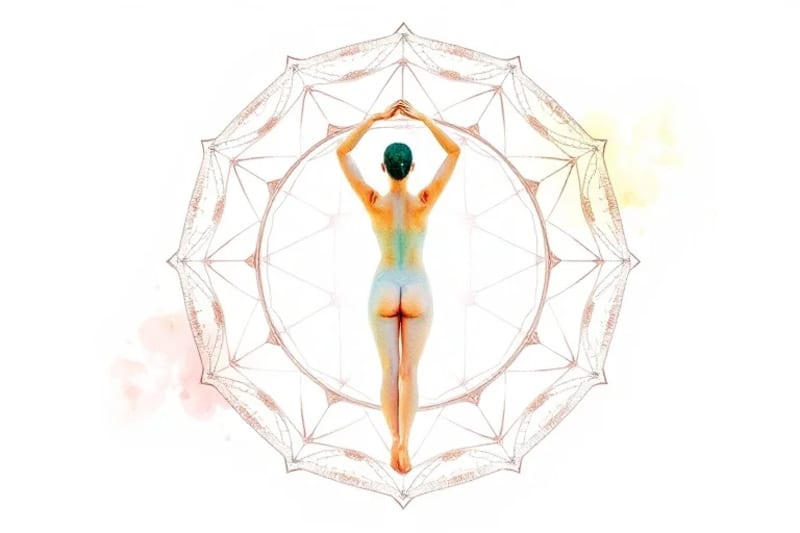
Discover inner harmony and presence through Sound Alchemy: Cellular Regeneration, Manifestation Frequencies and embodied awareness.
Scientific Perspectives and Research
While Somatic Spirituality often touches upon esoteric concepts, its foundational practices are increasingly supported by scientific research, particularly in the fields of neuroscience, psychology, and psychoneuroimmunology. The growing understanding of the gut-brain axis, neuroplasticity, and the vagus nerve highlights the profound interconnectedness of our physical and mental states.
Studies on mindfulness and meditation, which are integral to somatic practices, have demonstrated measurable changes in brain structure and function, including increased gray matter in areas associated with attention, emotion regulation, and self-awareness. Research on trauma-informed approaches, like Somatic Experiencing, shows effectiveness in reducing PTSD symptoms by helping the nervous system complete self-protective responses that were interrupted during traumatic events.
Even the concept of energy healing, though still largely outside mainstream medical acceptance, is being explored through various lenses. Biofield science, for instance, investigates the measurable electromagnetic fields produced by living organisms and how external energetic interventions might influence these fields. This scientific curiosity underscores a broader societal shift towards recognizing the body's complex energetic and informational systems.
The National Center for Complementary and Integrative Health (NCCIH), part of the U.S. National Institutes of Health, recognizes practices like yoga, tai chi, and meditation as forms of complementary health approaches. Their research supports the benefits of these practices for various health conditions, including pain management, stress reduction, and mental health improvement.
While the NCCIH does not endorse specific "somatic spirituality" as a distinct medical category, it acknowledges the growing evidence for mind-body interventions that align with its principles. This includes studies on how mindful movement and body awareness can impact physiological markers of stress and well-being.
The convergence of ancient wisdom and modern science provides a compelling case for the efficacy and relevance of Somatic Spirituality in contemporary life. It offers a framework for understanding how our inner experiences are not just abstract but are deeply rooted in our biological and energetic realities.
Challenges and Misconceptions
Despite its profound benefits, Somatic Spirituality, like any emerging field, faces certain challenges and misconceptions. One common hurdle is the initial discomfort many people feel when asked to turn their attention inward to bodily sensations, especially if they have a history of trauma or have been taught to disconnect from their bodies.
Another misconception is that somatic practices are purely physical exercises, devoid of spiritual depth. This overlooks the intentionality and conscious engagement with internal states that define somatic work. Conversely, some might view it as a replacement for traditional spiritual paths, rather than a complementary approach that can enrich any spiritual journey.
It is crucial to approach Somatic Spirituality with discernment and, when necessary, with the guidance of experienced practitioners. The process of uncovering and releasing stored emotions or traumas can be intense, and a supportive environment is essential. Emphasizing self-compassion and patience is key, as embodied awakening is a gradual process, not a quick fix.
Conclusion: The Path to Wholeness
Somatic Spirituality offers a transformative invitation to reclaim the body as a central component of our spiritual lives. By integrating practices of energy healing and mindful movement, individuals can embark on a journey of embodied awakening, leading to profound healing, self-discovery, and a deeper connection to the universal life force.
This path encourages us to listen to the subtle whispers of our bodies, to honor their wisdom, and to recognize that true spiritual growth encompasses every dimension of our being. As we learn to inhabit our bodies more fully and consciously, we not only heal ourselves but also contribute to a more embodied and harmonious world.
Embracing Somatic Spirituality is an act of radical self-love and a powerful step towards achieving wholeness. It is a reminder that the sacred is not just in the heavens above, but also profoundly present in the living, breathing, feeling body we inhabit.
Fuente: Contenido híbrido asistido por IAs y supervisión editorial humana.


Comments
Post a Comment