
Chinese Lunar Calendar: Feng Shui, Personal Timing Applications
The Chinese Lunar Calendar is far more than a simple system for tracking days; it is a profound framework deeply interwoven with traditional Chinese culture, philosophy, and practical applications like Feng Shui and personal timing. Unlike the Gregorian calendar, which is purely solar, the Chinese calendar is lunisolar, meaning it harmonizes both the cycles of the moon and the sun. This intricate design allows it to reflect not only astronomical phenomena but also agricultural seasons, energetic shifts, and even individual destinies, offering a holistic perspective on time and its influence on life.
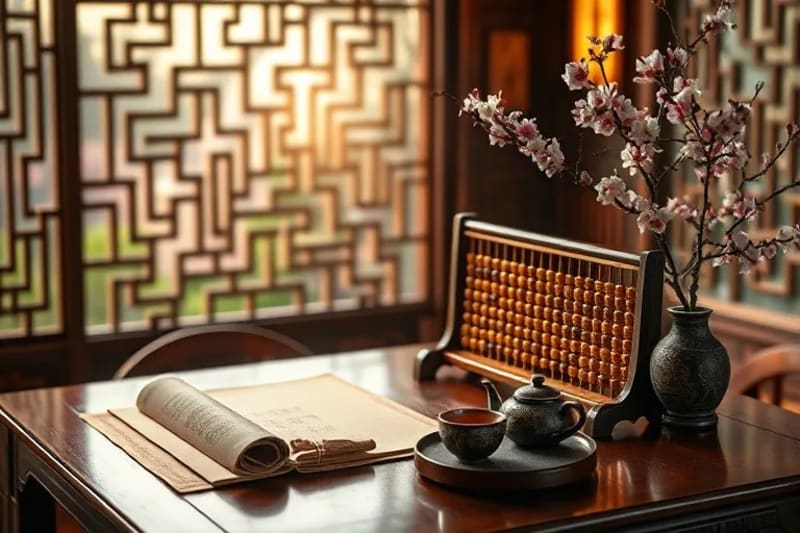
The Chinese Lunar Calendar, a sophisticated lunisolar system, integrates astronomical cycles with cultural practices like Feng Shui and personal destiny analysis.
Its origins trace back thousands of years, evolving through various dynasties and astronomical observations. This calendar serves as a cornerstone for understanding annual festivals, agricultural practices, and, crucially, the flow of qi (life force energy) that impacts our environment and personal well-being. By comprehending its structure and principles, individuals can unlock powerful insights into optimizing their surroundings and making timely decisions, aligning themselves with cosmic rhythms for greater harmony and success.
Table of Contents
- Historical Foundations and Structure
- Feng Shui Applications: Harnessing Environmental Energies
- Personal Timing: BaZi and Auspicious Dates
- The Chinese Zodiac and Five Elements
- Modern Integration: Practical Tips for Daily Life
- Conclusion: Harmonizing with Cosmic Rhythms
Historical Foundations and Structure
The Chinese Lunar Calendar, often referred to as the Agricultural Calendar (Nongli), boasts a history spanning over four millennia. Its development was a collaborative effort of ancient astronomers, astrologers, and emperors who sought to create a system that accurately predicted seasonal changes for farming and provided guidance for governance. The calendar's lunisolar nature means that months are determined by the lunar cycle (approximately 29.5 days), while an intercalary month is added periodically to keep it synchronized with the solar year, ensuring that seasonal events like the solstices and equinoxes occur at roughly the same time each year.
At its core, the calendar operates on a 60-year cycle, which is a combination of two smaller cycles: the 10 Heavenly Stems (associated with the Five Elements in their Yin and Yang forms) and the 12 Earthly Branches (represented by the 12 Chinese Zodiac animals). Each year, month, day, and even hour is assigned a unique combination of a Stem and a Branch, creating a complex energetic signature. This intricate interplay forms the basis for various metaphysical practices, providing a detailed energetic blueprint for any given moment.
Understanding this foundational structure is key to appreciating its applications. For instance, the year of the Tiger Zodiac, a concept deeply rooted in the Earthly Branches, carries specific energetic traits that influence global events and individual experiences. Each animal sign is not just a symbol but represents a distinct set of characteristics and elemental interactions that shift with the annual cycle, impacting everything from personal compatibility to the overall mood of the year.
Feng Shui Applications: Harnessing Environmental Energies
One of the most prominent practical applications of the Chinese Lunar Calendar is in Feng Shui, the ancient Chinese art and science of arranging spaces to achieve harmony with the surrounding environment. Feng Shui practitioners utilize the calendar to track the annual movement of invisible energy patterns, known as Flying Stars, which influence the auspiciousness or inauspiciousness of different compass directions within a home or office. These stars change their positions annually, dictating where positive energies (like wealth and health) reside and where challenging energies (like sickness and conflict) manifest.
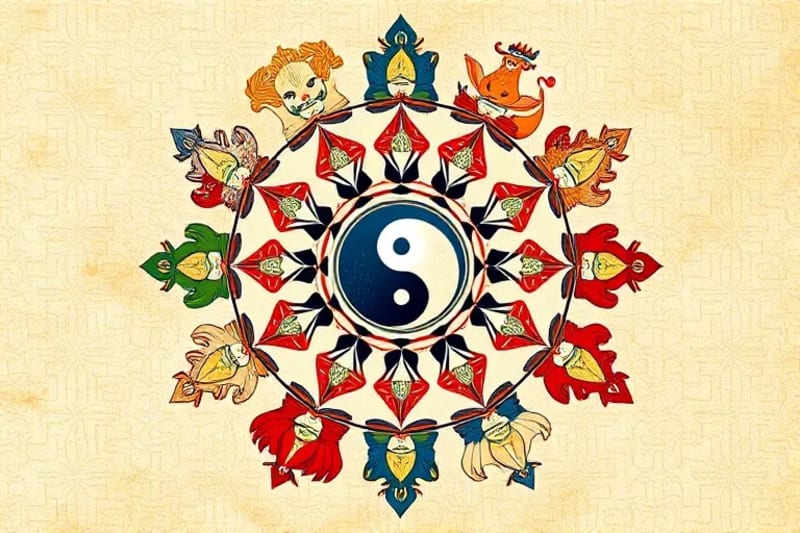
The twelve Chinese zodiac animals, central to the calendar, symbolize distinct energetic influences and characteristics that shift with each passing year.
For example, a particular sector of a house might be highly auspicious for wealth accumulation in one year, but in the next, it could host a star associated with illness. By consulting the lunar calendar, Feng Shui experts can advise on the strategic placement of cures and enhancers to mitigate negative influences or activate positive ones. This might involve placing metal objects to suppress a negative earth star or using water features to enhance a wealth star. The timing of these placements is crucial, often coinciding with the lunar new year or specific monthly cycles.
Beyond annual adjustments, the calendar also guides the timing of major renovations or construction projects. Certain directions are deemed unfavorable for disturbing the earth during specific lunar months or years, as doing so could inadvertently activate negative energies. Adhering to these guidelines is believed to prevent misfortune and ensure the smooth flow of beneficial qi, contributing to the well-being and prosperity of the occupants. This meticulous approach to timing ensures that environmental adjustments are made in harmony with the prevailing cosmic energies.
Personal Timing: BaZi and Auspicious Dates
The Chinese Lunar Calendar is also the foundation for BaZi (Four Pillars of Destiny), a sophisticated system of Chinese astrology used for personal timing and destiny analysis. A BaZi chart is derived from an individual's birth year, month, day, and hour, all converted into their respective Heavenly Stem and Earthly Branch components based on the lunar calendar. This chart provides a detailed energetic blueprint of a person's life, revealing their innate strengths, weaknesses, potential challenges, and opportunities.
Consulting a BaZi master can offer insights into career paths, relationships, health tendencies, and even auspicious periods for major life events. For instance, understanding your personal energy flow can help in choosing the best time to launch a new business, get married, or undergo medical procedures. This practice is akin to using Planetary Hours in Western traditions, where specific timeframes are deemed more favorable for certain activities due to their energetic resonance. The goal is to align personal actions with the most supportive cosmic energies, maximizing the chances of success and minimizing obstacles.
Furthermore, the calendar is used to select auspicious dates for everyday activities. Whether it's signing a contract, starting a journey, or even cutting hair, many Chinese traditions emphasize choosing a favorable date to ensure positive outcomes. These dates are determined by analyzing the daily Stem and Branch combinations, their interaction with the individual's BaZi chart, and general auspicious indicators. This practice extends to deeper spiritual work, where understanding personal timing can enhance manifestation techniques by aligning intentions with peak energetic windows.
The Chinese Zodiac and Five Elements
Central to the Chinese Lunar Calendar's interpretive power are the 12 Chinese Zodiac animals and the Five Elements (Wood, Fire, Earth, Metal, Water). Each year in the 12-year cycle is associated with one animal, and each animal carries specific characteristics and elemental affiliations. For example, a person born in the Year of the Dragon is believed to possess traits associated with strength, ambition, and charisma. These animal signs are not static; they interact dynamically with the Five Elements, which also cycle through the years, months, and days.
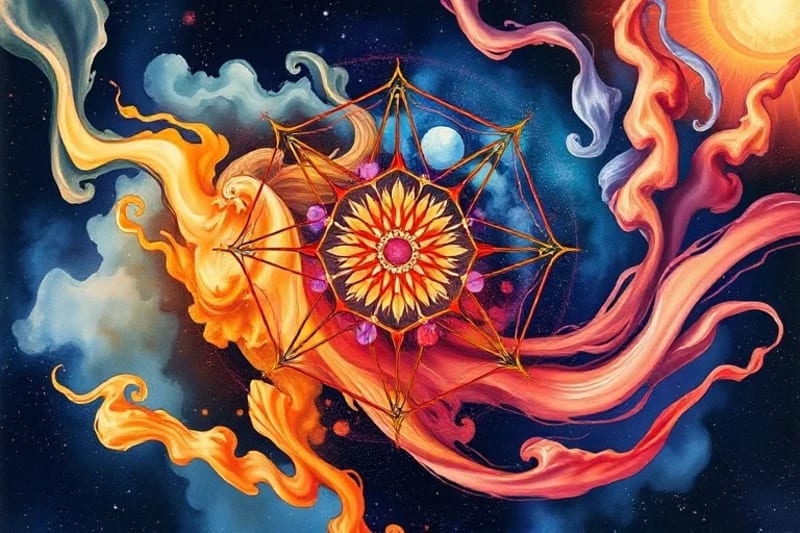
An abstract watercolor painting depicts the dynamic and interconnected cycles of creation and destruction among the Five Elements: Wood, Fire, Earth, Metal, and Water.
The Five Elements represent different qualities of energy and are fundamental to understanding the energetic balance of any given time or person. They interact in cycles of creation (e.g., Wood feeds Fire, Fire creates Earth) and destruction (e.g., Wood controls Earth, Earth absorbs Water). This elemental interaction adds another layer of complexity and nuance to both Feng Shui and BaZi. For instance, a "Wood Dragon" year will have different energetic implications than a "Metal Dragon" year, influencing everything from the global economy to individual health.
In Feng Shui, understanding the prevailing elemental energy of a year helps in selecting appropriate colors, materials, and shapes for interior design to balance the space. In personal timing, the interaction of an individual's birth elements with the current year's elements can indicate periods of harmony or conflict, guiding decisions and actions. This intricate system provides a comprehensive framework for interpreting the energetic landscape and making informed choices, allowing for a deeper connection to the natural flow of life.
Modern Integration: Practical Tips for Daily Life
While the Chinese Lunar Calendar might seem complex, its core principles can be integrated into modern life in surprisingly practical ways. For those new to the concept, a good starting point is to identify your Chinese zodiac sign and its associated element. Numerous online calculators and resources can help you determine this based on your birth year. This initial step can offer basic insights into your personality traits and general energetic tendencies, providing a foundation for deeper exploration.
For Feng Shui, even without professional consultation, you can observe general annual forecasts that outline auspicious and inauspicious directions for the year. Simple adjustments, such as avoiding major renovations in a negative sector or placing a small plant in an area needing Wood energy, can be beneficial. Many Feng Shui guides provide accessible tips for enhancing positive qi and mitigating negative influences, making it possible for anyone to apply these ancient principles to their living or working spaces.
When it comes to personal timing, paying attention to the general energetic quality of the day or month can be insightful. For example, if a day is associated with a strong "Water" element, it might be more conducive to reflective tasks, creative endeavors, or activities that require fluidity. Conversely, a "Fire" day might be ideal for dynamic actions, presentations, or social engagements. While not as precise as a full BaZi analysis, this awareness can help you plan your activities to align with natural energetic flows, potentially enhancing your productivity and well-being. This intuitive approach to timing complements other astrological insights, such as those found in Advanced Synastry, by adding a cultural and elemental layer to personal compatibility and interaction.
| Application Area | Calendar Principle Applied | Practical Benefit |
|---|---|---|
| Home Feng Shui | Annual Flying Stars, Elemental Cycles | Optimizing living spaces for health, wealth, and harmony; mitigating negative energies. |
| Personal Destiny (BaZi) | Birth Year, Month, Day, Hour Stems & Branches | Understanding innate strengths, weaknesses, and life path; identifying auspicious periods. |
| Event Timing | Daily Stem & Branch Combinations, Elemental Interactions | Choosing favorable dates for weddings, business launches, travel, or important decisions. |
| Wellness & Health | Seasonal Elemental Shifts, Personal Elemental Balance | Aligning diet and activities with seasonal energies; understanding constitutional health tendencies. |
| Business & Career | Annual & Monthly Elemental Influences, Personal BaZi Chart | Identifying favorable periods for investments, partnerships, or career changes. |
Conclusion: Harmonizing with Cosmic Rhythms
The Chinese Lunar Calendar is a testament to ancient wisdom, offering a sophisticated and comprehensive system for understanding the flow of time and its profound impact on human life and the environment. Its integration of lunar and solar cycles, the intricate dance of the 12 Zodiac animals, and the dynamic interplay of the Five Elements provide a rich tapestry of energetic information. From guiding the strategic arrangement of spaces in Feng Shui to illuminating personal destiny through BaZi, the calendar serves as an invaluable tool for those seeking to live in greater harmony with cosmic rhythms.
By exploring its principles, even at a basic level, individuals can gain a deeper appreciation for the interconnectedness of time, space, and personal well-being. It encourages a mindful approach to planning, decision-making, and environmental interaction, fostering a sense of alignment and purpose. Embracing the insights offered by the Chinese Lunar Calendar is not about rigid adherence to ancient rules, but rather about cultivating an awareness that empowers us to navigate life's currents with greater wisdom and grace, ultimately leading to a more balanced and prosperous existence.
Further Exploration:
- Discover your personal Chinese Zodiac animal and its elemental attributes.
- Research annual Feng Shui forecasts to understand the energetic shifts in your home or office.
- Explore how the Five Elements relate to your health and emotional well-being.
- Consider consulting a BaZi practitioner for a deeper understanding of your destiny chart.
Related Articles & Resources
- Lilith Signs Houses: Wild Feminine & Primal Nature
- North Node Transits Planetary Aspects Evolutionary Growth
- Jupiter Retrograde: Growth, Expansion, Philosophical Re-evaluation
- Pluto Astrology: Transformation, Power, Shadow Self
- Chiron in Astrology: Healing Wounds, Inner Healer
- Secondary Progressions: Life's Evolving Blueprint
- Planetary Hours: Optimizing Daily Activities for Success & Intentions Guide
- Manifestation Techniques: Aligning Chart Desires Abundance Guide
- Leo Zodiac Sign: Traits, Compatibility, Life Path
- Progressed Charts: Evolving Your Natal Blueprint
- Planetary Placements Writers: Crafting Stories Chart's Creative Flow
- Advanced Synastry: Intercepted Signs, Houses
- Tiger Zodiac: Traits, Compatibility, and Elemental Influences
- Automatic Writing Techniques: Advanced Spiritual Connection
- Bio-Harmonic Healing: Future Vibrational Medicine
- Spanish Commercial Code: Maritime Navigation Trade Subjects
- Permutación Mercantil: Contrato, Regulación, Diferencias
- Chromatic Aberration: Understanding Lens Imperfections
- Sinastría Aspectos: Claves Interacción Energética Pareja
- Geometría Sagrada Planetaria: Diseños Resonantes Carta Natal
- Registros Akáshicos: Accediendo a la Biblioteca del Alma y Vidas Pasadas
- San Miguel Arcángel: Lucha contra Ideologías Anticristianas
- Misticismo Cristiano Oriental: Análisis Comparativo Profundo
- Rosario Gozosos: Meditación Profunda y Promesas
Source: Hybrid content assisted by AI and human editorial supervision.


Comments
Post a Comment