
Entheogenic Journeys: Plant Medicine for Spiritual Insight
Entheogenic journeys, facilitated by sacred plant medicines, represent a profound interface between ancient esoteric practices and contemporary quests for spiritual insight. These experiences, deeply rooted in diverse cultural and historical contexts, offer a unique pathway to explore consciousness, self-discovery, and connection to the divine. Understanding their historical significance, mechanisms, and ethical considerations is paramount for anyone seeking to engage with these powerful tools for personal and collective transformation.
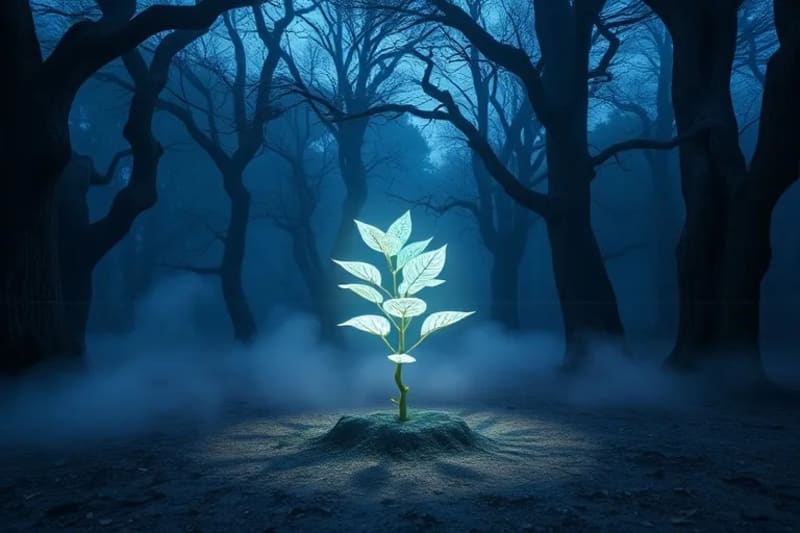
A luminous plant in an ancient forest, symbolizing the profound spiritual insights offered by entheogenic journeys.
The term "entheogen," coined in 1979 by a group of ethnobotanists and scholars, means "generating the divine within." It specifically refers to psychoactive substances, primarily derived from plants, used in religious, spiritual, or shamanic contexts to induce states of altered consciousness believed to facilitate spiritual experiences or mystical revelations. This distinguishes them from recreational psychedelics, emphasizing their sacred and intentional use.
Understanding Entheogens: A Gateway to Spiritual Insight
Entheogens are a diverse group of natural compounds that have been utilized for millennia by various cultures across the globe for spiritual and ceremonial purposes. Unlike recreational drugs, their use is typically embedded within a structured ritual or guided context, aimed at fostering profound introspection, healing, and connection to higher states of consciousness. The intent behind their use is crucial, shifting the experience from mere altered perception to a meaningful spiritual exploration.
These substances interact with the brain's neurochemistry, often affecting serotonin receptors, leading to changes in perception, mood, and thought patterns. The resulting states can include vivid visual and auditory hallucinations, deep emotional processing, a sense of ego dissolution, and feelings of unity or interconnectedness. For many practitioners, these experiences are not merely subjective phenomena but direct encounters with spiritual realities.
From a scientific perspective, research into entheogens is rapidly expanding, exploring their potential therapeutic applications for mental health conditions such as depression, anxiety, and PTSD. This modern scientific interest often converges with ancient wisdom, highlighting the enduring power of these plant medicines. The focus remains on understanding how these substances can facilitate psychological and spiritual healing when used responsibly and under expert guidance.
Historical and Cultural Significance of Plant Medicine
The use of entheogenic plants dates back thousands of years, with archaeological evidence suggesting their presence in prehistoric rituals. Ancient civilizations, from the Amazonian tribes to the Eleusinian Mysteries of Greece, incorporated these substances into their spiritual frameworks. Shamans, healers, and priests acted as intermediaries, guiding individuals and communities through these journeys for divination, healing, and communal bonding.
In many indigenous cultures, entheogens are considered sacred teachers, embodying spirits or divine intelligence. The rituals surrounding their consumption are often elaborate, involving specific songs, prayers, fasting, and dietary restrictions, all designed to prepare the participant for a safe and meaningful journey. These practices are not isolated events but are deeply interwoven into the cultural fabric, guiding ethical behavior, community decisions, and spiritual development.
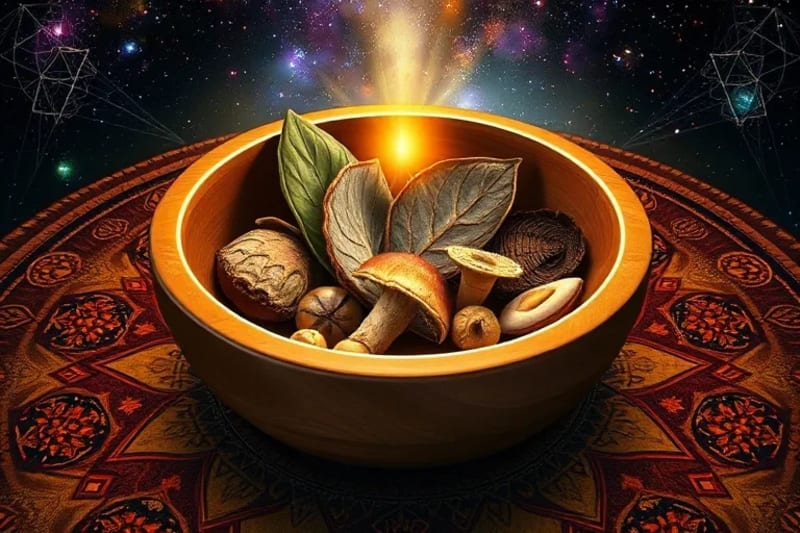
A ceremonial bowl holding symbolic plant medicines, representing their use in sacred rituals and esoteric traditions.
The historical record shows a consistent pattern: human beings have sought altered states of consciousness to connect with the transcendent, gain knowledge, and understand their place in the cosmos. These traditions often hold sophisticated understandings of pharmacology, psychology, and spiritual healing that are only now being recognized by Western science. The wisdom embedded in these ancient practices offers valuable lessons for contemporary seekers.
For example, the use of sound healing and vibrations often accompanies entheogenic ceremonies, enhancing the experience and guiding participants through their internal processes. This synergy between different spiritual modalities underscores the holistic approach taken by traditional healers. The integration of sound, intention, and plant medicine creates a powerful container for deep spiritual work.
Prominent Entheogenic Plants in Esoteric Traditions
A variety of plants and fungi have been revered for their entheogenic properties across different cultures. Each carries its unique energetic signature and elicits distinct types of experiences, making the choice of plant medicine often specific to the spiritual or healing intention. Understanding these differences is key to appreciating their role in esoteric practice.
Some of the most well-known entheogens include:
- Ayahuasca: A brew from the Amazon, combining the Banisteriopsis caapi vine and leaves from plants like Psychotria viridis. Known for its visionary properties, deep emotional release, and profound spiritual insights, often used for healing and self-discovery.
- Psilocybin Mushrooms: Found globally, these fungi contain psilocybin, which converts to psilocin in the body. They induce mystical experiences, enhanced introspection, and can promote feelings of interconnectedness.
- Peyote: A small, spineless cactus containing mescaline, traditionally used by indigenous peoples of North America for spiritual ceremonies, healing, and communal prayer. It is known for its gentle yet profound visionary effects.
- Salvia Divinorum: A plant from Oaxaca, Mexico, used by Mazatec shamans. It induces short, intense, and often dissociative states, used for divination and spiritual journeys.
- Iboga: A shrub from Central Africa, containing ibogaine. It is used in Bwiti spiritual practices for rites of passage and has gained attention for its potential in treating addiction.
Each of these plant teachers offers a unique path to understanding consciousness and the self. Their use is always accompanied by specific protocols, often passed down through generations, ensuring respect for the plant spirit and the safety of the participant. The preparation, setting, and intention are as vital as the substance itself.
The Entheogenic Journey: Exploring Inner Landscapes
An entheogenic journey is a deeply personal and often transformative experience, characterized by altered perceptions, emotional intensity, and profound cognitive shifts. Participants frequently report a sense of ego dissolution, where the boundaries between self and environment blur, leading to feelings of oneness or universal connection. This state can facilitate a fresh perspective on life, relationships, and personal challenges.
The experience is highly dependent on "set and setting." "Set" refers to the individual's mindset, intentions, and psychological preparation, while "setting" encompasses the physical and social environment in which the journey takes place. A supportive, safe, and intentional setting, often guided by experienced facilitators or shamans, is crucial for navigating the depths of an entheogenic experience effectively and safely.
An abstract representation of the profound and often colorful inner landscapes explored during an entheogenic journey.
During a journey, individuals may encounter vivid visions, symbolic imagery, and access forgotten memories or suppressed emotions. The experience can be challenging, bringing to the surface difficult truths or unresolved traumas, but it is precisely this confrontation that often leads to significant healing and growth. The insights gained can be deeply personal, offering clarity on life's purpose or helping to break destructive patterns.
Post-journey integration is equally vital. Processing the insights and emotions that arise during the experience, often with the help of therapists or spiritual guides, helps to weave these profound lessons into daily life. Without proper integration, the transformative potential of the journey may be lost, highlighting the importance of a holistic approach to entheogenic work. For more on navigating such profound shifts, consider exploring monthly horoscope insights for personal guidance.
Integrating Entheogenic Experiences into Esoteric Practice
For many esoteric practitioners, entheogenic journeys are not merely isolated events but integral components of a broader spiritual path. The insights gained are seen as direct revelations from the unconscious, the collective unconscious, or even divine sources, offering guidance for personal evolution and understanding the hidden workings of the cosmos. These experiences can deepen one's connection to various esoteric principles.
Integration often involves:
- Journaling and Reflection: Documenting visions, thoughts, and emotions immediately after the journey to capture fleeting insights.
- Meditation and Mindfulness: Using practices to revisit and deepen the states of consciousness experienced, allowing for continued processing.
- Creative Expression: Translating the ineffable experiences into art, music, or writing as a way to integrate and communicate the insights.
- Therapeutic Support: Working with a qualified therapist or integration coach who understands psychedelic experiences to process challenging material and apply lessons to daily life.
- Community Engagement: Sharing experiences within a supportive spiritual community, fostering collective understanding and mutual growth.
The wisdom gleaned from entheogenic states can inform practices such as dream work, energy healing, and even astrological interpretations, providing a richer, more nuanced understanding of oneself and the universe. They can serve as catalysts for profound shifts in perception, enhancing one's capacity for empathy, compassion, and spiritual awareness. This integration is a continuous process, unfolding long after the immediate effects of the plant medicine have subsided.
Ethical Considerations and Responsible Engagement
Given the profound power of entheogens, ethical considerations and responsible engagement are paramount. The legal status of these substances varies widely across jurisdictions, and it is crucial to be aware of and adhere to local laws. Beyond legality, safety and respect for traditional practices are non-negotiable aspects of any entheogenic journey.
Key ethical principles include:
- Informed Consent: Ensuring all participants fully understand the nature of the experience, potential risks, and benefits.
- Qualified Guidance: Seeking facilitators with extensive experience, cultural sensitivity, and a strong ethical framework. This is especially important for substances like ayahuasca, where the role of the shaman is central.
- Respect for Indigenous Traditions: Acknowledging and honoring the origins of these practices, avoiding cultural appropriation, and supporting the communities that have preserved this wisdom.
- Harm Reduction: Prioritizing the physical and psychological safety of participants, including pre-screening for contraindications and providing adequate support during and after the journey.
- Integration Support: Offering resources and guidance for processing the experience, recognizing that the journey continues long after the acute effects wear off.
The potential for exploitation and harm exists, particularly when commercial interests overshadow spiritual integrity. Therefore, due diligence in selecting a reputable and ethically sound context for an entheogenic journey is critical. The focus should always be on healing, growth, and spiritual reverence, rather than recreational use or superficial exploration.
The United Nations Convention on Psychotropic Substances of 1971 lists many entheogenic compounds under international control, making their possession, use, and distribution illegal in many countries. However, some nations and regions have specific exemptions for traditional religious or ceremonial use, such as the Native American Church's use of peyote in the United States, or the legal status of ayahuasca in Brazil for religious purposes. It is imperative to research and understand the specific legal framework of any location where entheogenic practices are considered.
As of 2024, there is a growing movement towards decriminalization and legalization of certain entheogens for therapeutic and spiritual use, with some cities and states in the U.S. and other countries adopting new policies. This evolving legal landscape reflects a changing societal perspective on the potential benefits of these substances when used responsibly and within appropriate contexts.
The Modern Resurgence of Entheogenic Research and Spirituality
In recent decades, there has been a significant resurgence of interest in entheogens, not only within spiritual communities but also in the scientific and medical fields. Academic institutions and research centers worldwide are actively studying the therapeutic potential of compounds like psilocybin, MDMA (though not strictly an entheogen, it's often discussed in this context for its therapeutic applications), and ayahuasca for a range of psychological conditions. This renewed focus marks a departure from decades of prohibition and stigma.
Clinical trials are demonstrating promising results for treating conditions such as severe depression, PTSD, end-of-life anxiety, and addiction. The mechanism often involves facilitating profound emotional breakthroughs and shifts in perspective that traditional therapies may struggle to achieve. This scientific validation is helping to destigmatize these substances and open doors for their integration into mainstream healthcare, albeit under strict medical supervision.
Parallel to the scientific interest, there is a growing global community of individuals seeking spiritual growth and self-exploration through entheogenic practices. This includes both those engaging with traditional ceremonies in their authentic cultural contexts and those exploring modern, facilitated psychedelic experiences. The emphasis remains on intentionality, preparation, and integration, recognizing the sacred nature of these journeys.
The convergence of ancient wisdom and modern science offers a powerful pathway for understanding consciousness and healing. As society continues to grapple with mental health crises and a longing for deeper meaning, entheogenic plant medicines, when approached with respect, knowledge, and ethical guidance, may offer profound insights and transformative possibilities for individuals and for the collective human spirit. The ongoing dialogue between esoteric traditions and scientific inquiry is shaping a new era of understanding for these ancient allies.
Source: Hybrid content assisted by AI and human editorial supervision.


Comments
Post a Comment