
Astrology AI: Future Personalized Cosmic Readings Ethical Considerations | StarPluto
The ancient practice of astrology, dedicated to understanding human behavior and destiny through celestial movements, is currently experiencing a profound transformation. This shift is largely driven by the rapid advancements in Artificial Intelligence (AI). What was once a field reliant on intricate manual calculations and intuitive interpretations is now being augmented by algorithms capable of processing vast datasets and identifying complex patterns.
The convergence of astrology and AI promises a future where personalized cosmic readings are more accurate, accessible, and deeply insightful than ever before. However, this technological leap also introduces a new set of ethical considerations that demand careful examination. As we explore the potential of AI in astrology, it is crucial to balance innovation with responsibility, ensuring that the essence of this ancient wisdom is preserved and respected.
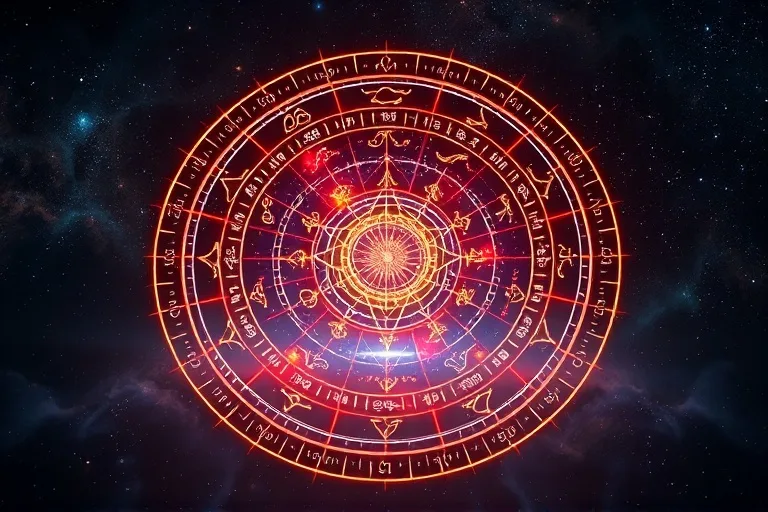
A holographic astrological chart projected from an advanced AI interface, symbolizing the fusion of ancient cosmic wisdom and futuristic technology.
This article delves into how AI is reshaping the landscape of personalized cosmic readings, from enhancing analytical capabilities to offering unprecedented levels of customization. We will also critically examine the ethical implications, including data privacy, algorithmic bias, and the enduring role of human intuition in an increasingly automated world. Understanding these dynamics is key to navigating the exciting, yet complex, future of astrology and artificial intelligence.
Table of Contents
- The Evolution of Personalized Cosmic Readings
- How AI is Transforming Astrological Practice
- Ethical Considerations in AI Astrology
- The Future Landscape: Collaboration, Not Replacement
- Conclusion: Charting a Responsible Cosmic Future
The Evolution of Personalized Cosmic Readings
For millennia, astrological readings have been a deeply personal and often labor-intensive process. Astrologers meticulously calculated planetary positions, aspects, and house cusps based on birth data, then interpreted these complex charts using their knowledge of astrological principles, symbolism, and intuition. This traditional approach, while rich in wisdom, often faced limitations in terms of speed, scale, and consistency.
The advent of computing began to automate the computational aspects, allowing for faster and more accurate chart generation. However, the interpretive phase remained largely human-centric. Now, AI is stepping in to augment even the interpretive process, offering capabilities that were previously unimaginable. This evolution marks a significant shift from purely human-driven analysis to a human-AI collaborative model.
Traditional Astrology vs. AI-Driven Analysis
To understand the impact of AI, it's helpful to compare the core differences between traditional and AI-driven astrological analysis. While the foundational principles remain the same, the methodology and scope of interpretation are vastly different.
| Feature | Traditional Astrology | AI-Driven Analysis |
|---|---|---|
| Calculations | Manual, prone to human error, time-consuming. | Automated, highly accurate, instantaneous. |
| Interpretation | Subjective, intuitive, based on astrologer's experience. | Pattern-based, data-driven, consistent, can synthesize vast information. |
| Personalization | Limited by astrologer's capacity and time. | Highly granular, adaptable to individual nuances at scale. |
| Speed | Slow, requires dedicated time for each reading. | Instantaneous generation of reports and insights. |
| Scalability | Low, difficult to serve a large audience simultaneously. | High, can serve millions of users concurrently. |
Benefits of AI: Data Processing, Accuracy, Speed, Customization
The advantages of integrating AI into astrological practices are manifold. AI excels where human processing power is limited, offering enhancements across several key areas:
- Unprecedented Data Processing: AI can analyze millions of birth charts, historical events, and astrological texts simultaneously, identifying correlations and patterns that would be impossible for a human astrologer to discern. This leads to a deeper, more nuanced understanding of astrological influences.
- Enhanced Accuracy and Consistency: By eliminating human error in calculations and applying consistent interpretive rules, AI ensures a high degree of accuracy. It can also cross-reference interpretations with vast databases, reducing subjective bias.
- Instantaneous Insights: AI-powered platforms can generate comprehensive birth charts and personalized reports in seconds, making astrological insights immediately accessible to a global audience. This speed allows for real-time transits and progressions analysis.
- Hyper-Customization: Beyond standard horoscopes, AI can tailor readings to specific life areas (career, relationships, health) and even integrate psychological profiles or personal goals provided by the user, creating truly unique and relevant interpretations.
- Accessibility: AI tools can democratize access to astrological knowledge, making it available to individuals who might not have the means or opportunity to consult a professional astrologer. This includes translating complex astrological jargon into understandable language.
How AI is Transforming Astrological Practice
The practical applications of AI in astrology are diverse and continuously expanding. From sophisticated chart analysis to dynamic predictive modeling, AI is redefining what's possible in the realm of cosmic interpretation. These tools are not just automating tasks but are also opening new avenues for research and understanding.
A watercolor depiction of an open book, where astrological symbols gracefully intertwine with digital code, symbolizing the harmonious blend of tradition and innovation.
Advanced Chart Analysis
AI algorithms can perform highly sophisticated analyses of natal charts, going beyond the basic interpretation of individual planets and aspects. They can identify subtle patterns, complex configurations, and interdependencies that might be overlooked by human eyes. For instance, AI can detect rare chart patterns or unique combinations of planetary dignities that signify specific life themes or challenges.
- Pattern Recognition: AI can quickly identify recurring themes or dominant energies within a chart, such as a strong emphasis on a particular element or modality, or a cluster of planets in a specific house.
- Synthesized Interpretations: Instead of interpreting each chart component in isolation, AI can synthesize all elements to provide a holistic and integrated reading, explaining how different aspects interact and influence one another.
- Cross-Referencing: By cross-referencing a user's chart with millions of others, AI can offer statistically informed insights into common challenges or potentials associated with specific astrological placements.
Predictive Modeling and Trends
One of the most exciting applications of AI in astrology is its potential for predictive modeling. By analyzing historical data of planetary transits, progressions, and major life events (anonymized and aggregated, of course), AI can identify correlations and probabilities for future trends. This doesn't mean deterministic predictions, but rather identifying periods of heightened potential or challenge.
- Transit Analysis: AI can analyze current and future planetary transits against an individual's natal chart, highlighting significant periods for career changes, relationship developments, or personal growth.
- Event Correlation: By studying historical data, AI could potentially correlate specific astrological configurations with broader societal trends, economic shifts, or even natural phenomena, offering a macro-level perspective.
- Personalized Timing: Users could receive highly personalized timing recommendations for important decisions or initiatives, based on favorable astrological alignments identified by AI.
Personalized Horoscopes and Reports
Gone are the days of generic, one-size-fits-all horoscopes. AI can generate daily, weekly, or monthly horoscopes that are deeply tailored to an individual's unique birth chart. These personalized reports can take into account not just the sun sign, but also the ascendant, moon sign, planetary placements, and current transits, offering far more relevant guidance.
- Dynamic Content: AI-generated horoscopes can adapt in real-time to changing planetary positions, providing up-to-the-minute insights.
- Thematic Focus: Users can specify areas of interest, and the AI can generate reports focusing specifically on their career, love life, or spiritual development.
- Interactive Platforms: AI-powered astrological apps can offer interactive experiences, allowing users to explore different aspects of their chart and receive immediate, personalized feedback.
Learning and Adaptation
Machine learning algorithms can continuously learn and refine their interpretations. As they process more data and receive feedback, their ability to provide accurate and nuanced readings improves. This iterative learning process ensures that AI-driven astrological tools become increasingly sophisticated over time.
- Feedback Loops: Users can provide feedback on the accuracy or helpfulness of readings, allowing the AI to adjust its interpretive models.
- Integration of New Knowledge: As astrological research evolves, AI systems can be updated with new theories, interpretations, or astronomical discoveries, keeping the readings current and comprehensive.
Ethical Considerations in AI Astrology
While the potential benefits of AI in astrology are immense, the integration of such powerful technology also raises critical ethical questions. Addressing these concerns is paramount to ensuring responsible and beneficial development.
An abstract 3D render illustrating the complex ethical considerations surrounding AI, with interlocking gears and circuits representing technology and a faint human silhouette symbolizing oversight.
Data Privacy and Security
Astrological readings often require sensitive personal information, such as birth date, time, and location. When this data is fed into AI systems, concerns about privacy and security become paramount. Users must be assured that their personal information is protected and not used for purposes beyond their explicit consent.
- Anonymization: Data used for training AI models should be rigorously anonymized to prevent individual identification.
- Consent: Clear and explicit consent mechanisms must be in place for data collection and usage.
- Robust Security: AI platforms must implement state-of-the-art cybersecurity measures to protect against data breaches.
Bias in Algorithms and Interpretations
AI systems learn from the data they are fed. If this data contains historical biases, whether cultural, social, or even astrological in nature, the AI can perpetuate and amplify these biases. This could lead to interpretations that are discriminatory, inaccurate, or reinforce harmful stereotypes.
- Diverse Training Data: AI models should be trained on a wide range of astrological texts and interpretations from various cultural traditions to minimize bias.
- Algorithmic Audits: Regular audits of AI algorithms are necessary to identify and mitigate any inherent biases in their interpretive frameworks.
- Transparency: Developers should strive for transparency in how AI models arrive at their interpretations, allowing for scrutiny and correction.
The Role of Human Intuition and Free Will
Astrology has always involved a blend of science (calculations) and art (interpretation, intuition, empathy). AI excels at the former but struggles with the latter. The human element of intuition, empathy, and the understanding of individual free will is crucial in providing meaningful astrological guidance. There is a risk that over-reliance on AI could diminish this vital human connection and the nuanced understanding of personal agency.
- Augmentation, Not Replacement: AI should be viewed as a tool to augment, rather than replace, human astrologers. It can provide data and insights, but the final interpretation and guidance often benefit from human wisdom.
- Emphasis on Free Will: AI interpretations should always emphasize that astrological influences represent potentials and tendencies, not fixed destinies, thereby preserving the concept of free will.
Potential for Misinformation and Over-reliance
The accessibility of AI-generated readings could lead to a proliferation of potentially misleading or superficial interpretations if not properly curated. Users might also become overly reliant on AI for life decisions, diminishing their critical thinking and personal responsibility. It's important to foster a balanced approach where AI serves as an informative guide, not an infallible oracle.
- Educational Content: AI platforms should integrate educational content to help users understand astrological principles and the limitations of AI interpretations.
- Disclaimer: Clear disclaimers should be present, stating that AI readings are for informational and entertainment purposes and should not replace professional advice or personal judgment.
The Future Landscape: Collaboration, Not Replacement
The most promising future for astrology and AI lies in collaboration. Instead of AI replacing human astrologers, it is more likely to empower them, making their practice more efficient, insightful, and accessible. This symbiotic relationship can elevate the entire field of astrology.
AI as an Astrologer's Assistant
For professional astrologers, AI can become an invaluable assistant, handling the laborious calculations and initial interpretive drafts. This frees up the astrologer to focus on the more nuanced, intuitive, and empathetic aspects of their work, providing deeper counseling and personalized guidance. AI can provide a comprehensive framework, allowing the human expert to add the layer of wisdom and personal connection.
- Research Tool: AI can rapidly research obscure astrological concepts or historical correlations, aiding astrologers in their studies.
- Report Generation: Automated report generation saves time, allowing astrologers to serve more clients or dedicate more time to complex cases.
- Second Opinion: AI can offer an objective, data-driven "second opinion" on interpretations, which astrologers can then integrate with their intuitive insights.
Enhanced Educational Tools
AI can revolutionize astrological education. Interactive AI tutors could guide students through complex charts, explain intricate aspects, and provide personalized learning paths. This could make learning astrology more engaging and accessible to a wider audience, fostering a new generation of informed enthusiasts and practitioners.
- Interactive Learning: AI-powered platforms can offer dynamic exercises and quizzes, helping students grasp astrological concepts more effectively.
- Personalized Curriculum: AI can adapt learning materials to a student's pace and style, ensuring a more effective educational experience.
Accessibility and Global Reach
By automating and streamlining astrological services, AI can significantly increase their accessibility. Language barriers can be overcome with AI translation, and the cost of personalized readings can be reduced, making astrological insights available to a global and diverse population. This expansion can lead to a broader understanding and appreciation of astrology worldwide.
- Multilingual Support: AI can provide astrological readings in multiple languages, breaking down geographical barriers.
- Cost-Effective Solutions: Automated reports can be offered at a lower cost than human consultations, making astrology more affordable.
Conclusion: Charting a Responsible Cosmic Future
The integration of Artificial Intelligence into astrology represents a pivotal moment for this ancient discipline. It offers an exciting pathway to unprecedented levels of personalization, accuracy, and accessibility in cosmic readings. From advanced chart analysis to dynamic predictive modeling, AI's capabilities promise to deepen our understanding of celestial influences and their impact on human lives.
However, this technological evolution is not without its challenges. Ethical considerations surrounding data privacy, algorithmic bias, and the preservation of human intuition are critical. Responsible development demands that we approach this convergence with caution, ensuring that AI serves as a powerful tool to augment human wisdom, rather than diminish it. The future of personalized cosmic readings lies in a harmonious collaboration between cutting-edge AI and the timeless insights of human astrologers, charting a path towards a more informed and ethically sound understanding of our place in the cosmos.
Fuente: Contenido híbrido asistido por IAs y supervisión editorial humana.


Comments
Post a Comment