
Five Element Culinary Medicine: Zodiac Diet Tailoring Guide
Five Element Culinary Medicine: Tailoring Your Diet to Chinese Zodiac
In the intricate tapestry of Traditional Chinese Medicine (TCM), the Five Element Theory stands as a foundational pillar, offering a holistic lens through which to understand the human body, its environment, and the profound interplay between them. This ancient wisdom extends beyond mere diagnosis and treatment, reaching into the realm of daily nutrition, where food is viewed not just as sustenance but as potent medicine. Five Element Culinary Medicine is an approach that seeks to harmonize our internal elemental balance through thoughtful dietary choices, recognizing that each individual possesses a unique energetic constitution.
This personalized dietary framework gains an additional layer of depth when integrated with the Chinese Zodiac. Each of the twelve animal signs, and their associated elemental years, bestows specific characteristics and predispositions, including potential strengths and vulnerabilities in health. By understanding the elemental associations of one's zodiac sign, individuals can tailor their diet to support their inherent constitution, mitigate imbalances, and cultivate optimal well-being. This guide delves into the principles of Five Element Culinary Medicine and how to apply them in conjunction with your Chinese Zodiac sign for a more balanced and vibrant life.
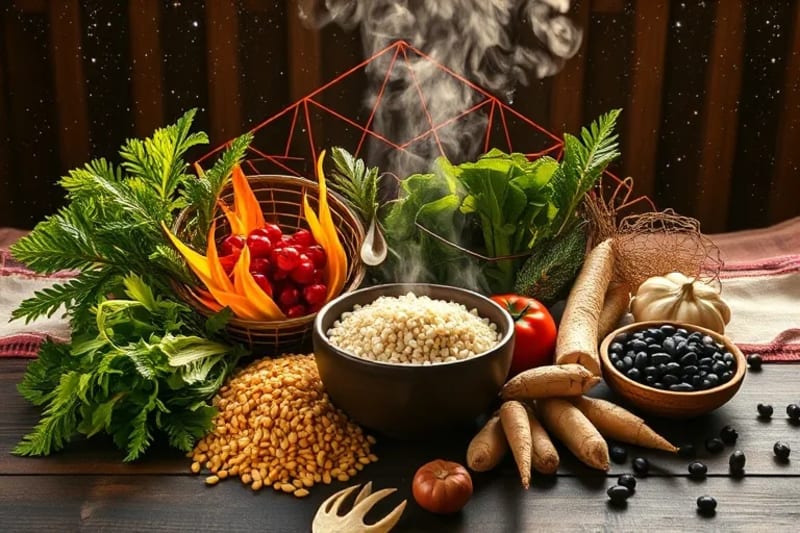
A vibrant display of elemental ingredients, symbolizing the harmonious blend of nature and nutrition in culinary medicine.
Table of Contents
- The Five Elements: Foundation of Health
- Understanding Your Elemental Constitution
- Dietary Principles for Each Element
- Chinese Zodiac and Elemental Associations
- Practical Application: Crafting Your Elemental Diet
- Benefits of Elemental Culinary Medicine
- Conclusion
The Five Elements: Foundation of Health
The Five Element Theory, or Wu Xing, posits that everything in the universe, including our bodies and the foods we consume, can be categorized into five fundamental elements: Wood, Fire, Earth, Metal, and Water. These elements are not static entities but dynamic phases of energy, constantly interacting in cycles of creation (Sheng Cycle) and control (Ke Cycle). Understanding these cycles is crucial for maintaining harmony within the body, as an imbalance in one element can profoundly impact the others.
Each element is associated with specific organs, emotions, seasons, colors, and flavors, providing a comprehensive framework for health assessment and intervention. For instance, the Wood element is linked to the liver and gallbladder, anger, spring, and the sour taste. Fire corresponds to the heart and small intestine, joy (or agitation), summer, and the bitter taste. Earth relates to the spleen and stomach, worry, late summer, and the sweet taste. Metal is associated with the lungs and large intestine, grief, autumn, and the pungent taste. Finally, Water connects to the kidneys and bladder, fear, winter, and the salty taste.
This intricate system allows practitioners to identify areas of excess or deficiency within an individual's energetic landscape. When an element is out of balance, it can manifest as physical symptoms, emotional disturbances, or a general feeling of malaise. Culinary medicine aims to restore this balance by incorporating foods that strengthen deficient elements or calm overactive ones, thereby supporting the body's natural healing capabilities and promoting overall vitality.

Abstract watercolor illustrating the interconnectedness of the five elements and their influence on dietary choices.
Key Associations of the Five Elements
| Element | Organs | Emotion | Season | Flavor | Color |
|---|---|---|---|---|---|
| Wood | Liver, Gallbladder | Anger, Frustration | Spring | Sour | Green |
| Fire | Heart, Small Intestine | Joy, Anxiety | Summer | Bitter | Red |
| Earth | Spleen, Stomach | Worry, Overthinking | Late Summer | Sweet | Yellow, Orange |
| Metal | Lungs, Large Intestine | Grief, Sadness | Autumn | Pungent, Spicy | White |
| Water | Kidneys, Bladder | Fear, Insecurity | Winter | Salty | Blue, Black |
Understanding Your Elemental Constitution
Identifying your dominant elemental constitution is the first step in tailoring your diet. While a professional TCM practitioner can offer a precise diagnosis, you can gain significant insight by observing your physical traits, emotional tendencies, and general health patterns. For example, a person with a strong Wood constitution might be assertive and prone to anger, while a Water type might be introspective and prone to fear or fatigue. It's important to remember that most individuals are a blend of elements, with one or two typically being more dominant.
Your elemental constitution is not static; it can shift with age, season, lifestyle, and even emotional states. The goal of Five Element Culinary Medicine is not to rigidly adhere to one element's diet but to understand how to bring your unique elemental makeup into balance. This involves recognizing signs of imbalance – such as excessive heat (Fire), stagnation (Wood), dampness (Earth), dryness (Metal), or cold (Water) – and adjusting your diet accordingly. This dynamic approach ensures that your eating habits are always in tune with your body's current needs, promoting adaptability and resilience.
Dietary Principles for Each Element
Each element benefits from specific foods, cooking methods, and flavors that either nourish it when deficient or calm it when in excess. Here’s a general guide:
- Wood Element (Liver/Gallbladder):
- Foods: Leafy greens (kale, spinach), sprouts, celery, green apples, lemons, vinegar, wheat, oats, chicken.
- Flavors: Sour, slightly pungent.
- Cooking Methods: Steaming, light sautéing, raw foods in moderation.
- Avoid: Heavy, greasy, fried foods, excessive alcohol, caffeine.
- Fire Element (Heart/Small Intestine):
- Foods: Bitter greens (dandelion, endive), asparagus, radish, berries, watermelon, corn, quinoa, lamb, fish.
- Flavors: Bitter, slightly cooling.
- Cooking Methods: Lightly cooked, raw (especially in summer), grilling.
- Avoid: Overly spicy foods, excessive red meat, stimulants.
- Earth Element (Spleen/Stomach):
- Foods: Root vegetables (carrots, sweet potatoes), squash, pumpkin, millet, rice, legumes, beef, eggs, ginger, cinnamon.
- Flavors: Sweet (natural), slightly aromatic.
- Cooking Methods: Stewing, baking, roasting, slow cooking.
- Avoid: Cold, raw, processed, sugary foods, dairy.
- Metal Element (Lungs/Large Intestine):
- Foods: Pungent vegetables (onions, garlic, radishes), pears, almonds, white mushrooms, rice, oats, turkey, white fish.
- Flavors: Pungent, spicy.
- Cooking Methods: Steaming, stir-frying, light cooking.
- Avoid: Excessive dairy, cold foods, refined sugar.
- Water Element (Kidneys/Bladder):
- Foods: Seaweed, black beans, kidney beans, dark leafy greens, fish, shellfish, walnuts, sesame seeds, miso.
- Flavors: Salty, umami.
- Cooking Methods: Stewing, simmering, slow cooking, braising.
- Avoid: Excessive salt, cold drinks, raw foods in winter, caffeine.
By integrating these principles, you can consciously choose foods that support your body's elemental needs. For example, if you feel sluggish and damp (Earth imbalance), incorporating warming, lightly cooked foods and avoiding excessive sweets can help. Conversely, if you experience irritability and heat (Wood/Fire imbalance), cooling foods and bitter greens can be beneficial. This approach empowers you to become an active participant in your own health journey, fostering a deeper connection to your body's wisdom.
Chinese Zodiac and Elemental Associations
The Chinese Zodiac, a 12-year cycle, assigns an animal sign to each birth year, influencing personality, destiny, and health predispositions. Beyond the animal sign, each year is also associated with one of the five elements (Wood, Fire, Earth, Metal, Water), creating a 60-year cycle. This means that while you might be a "Tiger," you could be a Wood Tiger, Fire Tiger, Earth Tiger, Metal Tiger, or Water Tiger, each with distinct characteristics and elemental tendencies. Understanding this elemental overlay provides valuable insights into your inherent constitution and potential health challenges.
For instance, a Fire sign might naturally have more "heat" in their system, making them prone to inflammation or anxiety, while a Water sign might be more susceptible to coldness or fatigue. These elemental associations, combined with your birth chart, offer a blueprint for understanding your energetic strengths and weaknesses. By recognizing these inherent patterns, you can proactively adjust your diet to support your constitutional needs, preventing imbalances before they manifest as illness. For a deeper dive into these connections, explore our Horóscopo Chino Año Signo Elemento Regente: Guía Completa.
General Elemental Associations of Chinese Zodiac Animals (Fixed Element)
| Zodiac Sign | Fixed Element | Common Traits (Health Tendencies) |
|---|---|---|
| Rat | Water | Adaptable, resourceful (prone to coldness, kidney issues) |
| Ox | Earth | Patient, strong (prone to digestive issues, stagnation) |
| Tiger | Wood | Brave, impulsive (prone to liver stagnation, stress) |
| Rabbit | Wood | Gentle, artistic (prone to liver imbalance, emotional sensitivity) |
| Dragon | Earth | Energetic, charismatic (prone to stomach upset, overthinking) |
| Snake | Fire | Wise, intuitive (prone to heart issues, anxiety) |
| Horse | Fire | Active, independent (prone to heat conditions, restlessness) |
| Goat (Sheep) | Earth | Gentle, compassionate (prone to digestive weakness, worry) |
| Monkey | Metal | Intelligent, playful (prone to respiratory issues, dryness) |
| Rooster | Metal | Observant, confident (prone to lung issues, skin problems) |
| Dog | Earth | Loyal, honest (prone to stomach upset, anxiety) |
| Pig (Boar) | Water | Generous, calm (prone to dampness, kidney weakness) |
A conceptual 3D render depicting the harmonious integration of elemental wisdom, zodiac influence, and balanced nutrition for holistic well-being.
Practical Application: Crafting Your Elemental Diet
Crafting an elemental diet involves more than just knowing your zodiac sign; it requires mindful observation of your body's signals and seasonal changes. Start by identifying your dominant element(s) and any current imbalances. Are you feeling excessively stressed (Wood imbalance)? Or perhaps lethargic and bloated (Earth imbalance)? Your current symptoms are key indicators of what your body needs.
Once you have a clearer picture, begin to incorporate foods that support your weaker elements or calm your overactive ones. For example, a Wood-dominant individual experiencing irritability might benefit from cooling, slightly bitter foods to soothe the liver, while a Water-dominant person feeling cold and fatigued might need warming, nourishing foods to support the kidneys. It's not about strict rules but about creating a flexible, intuitive eating pattern.
Consider the season as well. In spring, supporting the Wood element with fresh greens is beneficial for everyone. In winter, nourishing the Water element with warming soups and stews is crucial. This layered approach ensures that your diet is both personalized to your constitution and aligned with the natural rhythms of the year. For more insights into how environmental factors influence well-being, you might find our Feng Shui Chinese Zodiac Chi Well-being Guide helpful.
Beyond food, cooking methods also play a vital role. Raw foods are generally cooling and best for Fire types or summer, while slow-cooked stews are warming and grounding, ideal for Water or Earth types, especially in colder months. Even simple daily rituals can enhance this practice. Learn more about incorporating these into your routine with our article on Five Elements Daily Rituals Modern Spirituality.
Benefits of Elemental Culinary Medicine
Embracing Five Element Culinary Medicine offers a myriad of benefits that extend beyond physical health. By aligning your diet with your unique elemental constitution and the rhythms of nature, you can experience:
- Improved Digestion: Eating foods that support your dominant Earth element (spleen/stomach) or calm an overactive Wood element (liver) can significantly enhance digestive function and nutrient absorption.
- Increased Energy and Vitality: When your elements are in balance, your body's energy flows more freely, leading to sustained energy levels and reduced fatigue.
- Enhanced Emotional Balance: Since each element is tied to specific emotions, balancing your elements through diet can help regulate mood, reduce stress, and foster greater emotional resilience.
- Stronger Immune System: A well-balanced internal environment supports the body's natural defense mechanisms, making you less susceptible to illness.
- Greater Self-Awareness: The practice encourages mindful eating and a deeper connection to your body's needs, fostering intuitive wisdom about your health.
- Prevention of Chronic Conditions: By addressing imbalances proactively, elemental culinary medicine can help prevent the development of chronic diseases associated with long-term elemental disharmony.
Conclusion
Five Element Culinary Medicine, when combined with the insights from your Chinese Zodiac sign, offers a powerful and personalized pathway to holistic health. It moves beyond generic dietary advice, inviting you to understand your unique energetic blueprint and how food can serve as a profound tool for balance and healing. By embracing this ancient wisdom, you embark on a journey of self-discovery, learning to listen to your body's signals and nourish it in a way that resonates with your deepest elemental nature. This approach not only transforms your diet but also cultivates a more harmonious relationship with yourself and the world around you, leading to a life of greater vitality and well-being.
Source: Hybrid content assisted by AI and human editorial supervision.


Comments
Post a Comment