
Haptic Feedback Meditation: Enhancing Mindfulness Tactile Tech
In an increasingly digital world, the quest for inner peace and mindfulness has led to innovative intersections between ancient practices and modern technology. Haptic feedback guided meditation represents a groundbreaking advancement in this field, offering a unique, tactile dimension to traditional meditative experiences. By integrating physical sensations with guided audio, this technology aims to deepen focus, enhance relaxation, and provide a more immersive pathway to spiritual well-being.
This approach leverages the sense of touch to anchor attention, making meditation more accessible and effective for individuals who struggle with conventional methods. As we explore this emerging field, it becomes clear that tactile spiritual technology is not merely a gadget but a sophisticated tool designed to foster a profound connection between mind, body, and spirit.

A meditator experiences enhanced focus through subtle haptic vibrations, integrating technology with ancient spiritual practices.
The Synergy of Haptic Feedback and Guided Meditation
Haptic feedback, derived from the Greek word 'haptikos' meaning "pertaining to touch," refers to any technology that can create an experience of touch by applying forces, vibrations, or motions to the user. In the context of meditation, this technology translates abstract guidance into tangible sensations, such as gentle pulses, rhythmic vibrations, or subtle pressure changes. Guided meditation, on the other hand, involves a verbal or auditory narrative that directs the meditator's attention, often focusing on breath, body sensations, or visualizations.
The combination of these two elements creates a multi-sensory experience that can significantly enhance the effectiveness of mindfulness practices. Instead of solely relying on auditory cues, individuals can feel the rhythm of their breath, the onset of a new meditative phase, or even the subtle energetic shifts described by the guide. This tactile layer provides an additional anchor for attention, making it easier to stay present and less prone to mental wandering.
The Science Behind Tactile Mindfulness
The effectiveness of haptic feedback in meditation is rooted in neuroscientific principles. Our sense of touch is intimately connected to our emotional and cognitive states, playing a crucial role in self-regulation and body awareness. Tactile stimuli can influence brain activity, particularly in areas associated with attention, emotion processing, and interoception (the sense of the physiological condition of the body).
Research suggests that gentle, rhythmic tactile input can help synchronize brain waves, promoting states of relaxation and deep focus often associated with advanced meditative practices. By providing consistent, non-distracting physical cues, haptic devices can guide the brain into these beneficial states more efficiently. This sensory integration helps to ground the individual, reducing the tendency for the mind to get lost in thoughts or external distractions.
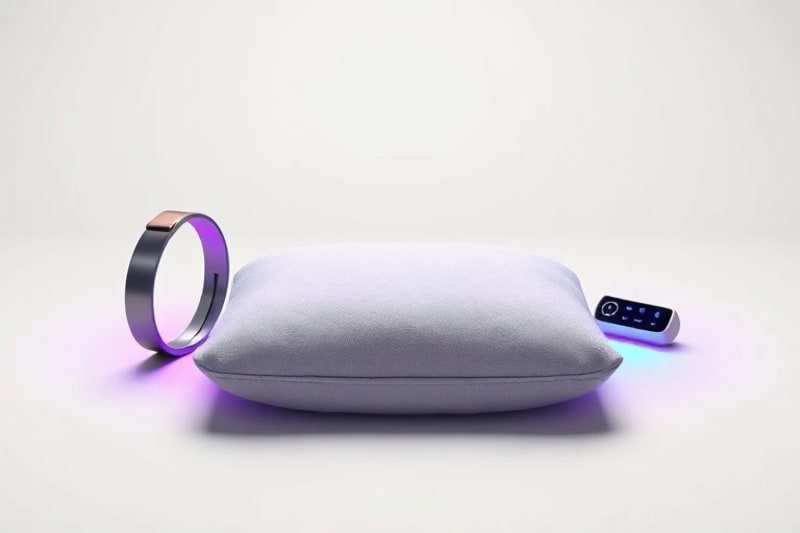
An array of haptic devices, including wristbands and cushions, designed to deliver tactile sensations for enhanced meditation.
Key Benefits of Haptic Guided Meditation
The integration of haptic feedback into meditation offers a multitude of benefits, making mindfulness practices more accessible and impactful for a wider audience. These advantages range from enhanced focus to improved emotional regulation.
- Deeper Focus and Immersion: Tactile cues provide a constant, gentle reminder to stay present, reducing mind-wandering and allowing for a more profound meditative state. The physical sensation acts as an anchor, drawing attention back to the present moment.
- Stress and Anxiety Reduction: Rhythmic vibrations can have a calming effect on the nervous system, helping to lower heart rate and blood pressure. This physiological response contributes to a significant reduction in stress and anxiety levels.
- Enhanced Body Awareness: Haptic feedback can highlight specific areas of the body, improving interoception and proprioception. This heightened awareness is crucial for practices like body scans and cultivating a deeper connection with one's physical self.
- Accessibility and Inclusivity: For individuals who are visually or hearing impaired, haptic feedback opens new avenues for engaging with guided meditation. It also benefits those who find purely auditory guidance insufficient or distracting.
- Improved Sleep Quality: Many haptic meditation devices include programs designed to induce relaxation before sleep, using gentle vibrations to guide the user into a restful state.
Types of Tactile Spiritual Technology
The market for haptic meditation devices is rapidly expanding, with various forms tailored to different preferences and needs. From wearable gadgets to specialized cushions, these technologies are designed to seamlessly integrate into daily routines.
- Wearable Devices: Wristbands, rings, and smart patches are common examples. These devices deliver subtle vibrations directly to the skin, often synchronizing with breath patterns or guiding specific meditative exercises. They are discreet and convenient for on-the-go use.
- Haptic Cushions and Mats: These larger devices are designed for stationary meditation. They can provide more complex patterns of vibration and pressure across a wider area of the body, offering a more immersive and enveloping tactile experience.
- Controllers and Handheld Devices: Some systems use handheld controllers that vibrate in response to guided instructions or biofeedback, such as heart rate variability. These can be particularly engaging for users accustomed to interactive digital experiences.
- Integrated Systems: Advanced setups might combine haptic feedback with virtual reality (VR) or augmented reality (AR) environments, creating a fully immersive sensory experience. This aligns with the broader concept of Digital Metaphysics, where technology extends our perception of reality and consciousness.

Abstract representation of neural activity, illustrating how haptic feedback can influence brainwave patterns during deep meditation.
Integrating Haptics into Spiritual Practice
Beyond basic mindfulness, haptic feedback can be a powerful tool for deepening various spiritual practices. It can assist in cultivating a stronger energetic awareness, aiding in visualization, and even supporting practices aimed at manifestation.
For instance, when practicing Numerology Dream Interpretation: Subconscious Life Path Meanings, haptic feedback could simulate the feeling of an energetic shield forming around the body, making the visualization more vivid and tangible. Similarly, for those who engage in creating Tarot Quantum Mechanics Intersecting Divination Reality, tactile sensations could be used to amplify the intention and focus during the charging process, adding a physical dimension to the energetic work.
The tactile element can also be used to signify transitions in guided meditations, such as moving from a body scan to a breath focus, or from a state of relaxation to one of active visualization. This clear, non-verbal cue can help maintain continuity and prevent the meditator from losing track of the guided journey.
The Future of Tactile Spiritual Technology
The field of haptic feedback guided meditation is still in its nascent stages, but its potential for growth and innovation is immense. Future developments are likely to include more sophisticated haptic patterns, personalized feedback systems based on individual physiological responses, and seamless integration with other wellness technologies.
Ethical considerations will also play a crucial role as this technology evolves. Ensuring that devices are used to genuinely enhance well-being rather than create dependency, and that data privacy is maintained, will be paramount. As research continues to uncover the intricate connections between touch, mind, and spirit, haptic feedback promises to be a transformative force in how we approach mindfulness and spiritual growth in the digital age.
Ultimately, tactile spiritual technology offers a bridge between the ancient wisdom of meditation and the cutting-edge capabilities of modern engineering. It invites us to explore new dimensions of self-awareness and inner peace, proving that innovation can indeed serve the deepest aspects of human experience.
Explore Further: Related Insights
- Runes: Ancient Nordic Divination & Symbolism
- Feng Shui Natal Chart Harmony: Cosmic Home Blueprint
- Astrological Aspects: Squares, Sextiles, Quincunxes Explained
- Advanced Automatic Writing: Spiritual Mentorship & Guidance
- Herbal Magic: Plants for Spellwork & Spiritual Healing
- I Ching Tarot Integration: Dual Divination Approach
- Chrono-Astrology Ancestral Echoes Navigating Personal Time Cycles
- Dragon Personalities: Famous Traits & Chinese Zodiac Influence
- Chinese Zodiac Elements: Cycles and Influence
- Tiger Zodiac Elements: Deepening Traits
- Pig Zodiac: Traits, Compatibility, 2024 Forecast
Source: Hybrid content assisted by AI and human editorial supervision.


Comments
Post a Comment