
Five Element Theory Chinese Zodiac: Advanced Overlays
The Chinese Zodiac, often simplified to its twelve animal signs, possesses a profound depth rooted in the ancient philosophical framework of the Five Element Theory. Far beyond basic compatibility readings, understanding the intricate interplay of Wood, Fire, Earth, Metal, and Water provides a sophisticated lens through which to analyze personality, destiny, and interpersonal dynamics. This advanced exploration delves into elemental overlays within natal charts and the nuanced art of elemental synastry, offering a comprehensive guide to mastering this complex system.
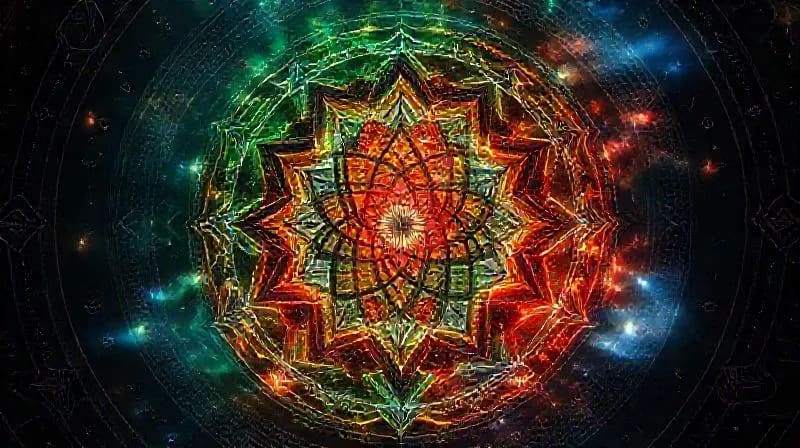
A conceptual representation of the Five Elements in dynamic interaction, central to Chinese metaphysical understanding.
The Five Element Theory (Wu Xing) is not merely a classification system but a dynamic model describing how everything in the universe interacts and transforms. It underpins traditional Chinese medicine, Feng Shui, and, crucially, Chinese astrology. Each of the twelve animal signs is associated with a fixed element, but the annual, monthly, daily, and hourly cycles introduce additional, fluctuating elemental influences, creating a complex tapestry unique to each individual's birth chart.
This article will guide you through the advanced concepts necessary to move beyond superficial interpretations. We will explore how elemental overlays create a multi-layered personality profile and how these elements interact in relationships, revealing deeper compatibility insights than animal signs alone can offer. Prepare to unlock a more profound understanding of the self and others through the lens of this ancient wisdom.
Table of Contents
- Revisiting the Five Elements: Beyond the Basics
- Elemental Cycles: Productive and Destructive Dynamics
- Elemental Overlays in Natal Charts: The Four Pillars
- Advanced Elemental Profiling: Dominance and Deficiency
- Elemental Synastry: Unveiling Relationship Dynamics
- Balancing Elements in Relationships: Strategies for Harmony
- Practical Applications in Modern Life
Revisiting the Five Elements: Beyond the Basics
To truly grasp advanced elemental theory, one must move beyond a simple understanding of each element's primary associations. Each element embodies a set of qualities, directions, seasons, colors, organs, emotions, and even tastes, forming a holistic energetic archetype. Understanding these deeper layers allows for a more nuanced interpretation of an individual's elemental constitution.
- Wood (木 - Mù): Associated with growth, vitality, creativity, and pioneering spirit. It signifies spring, the East, green, the liver/gallbladder, anger, and a desire for expansion. A strong Wood presence suggests ambition and leadership, but an imbalance can lead to rigidity or impulsiveness.
- Fire (火 - Huǒ): Represents passion, enthusiasm, dynamism, and illumination. It corresponds to summer, the South, red, the heart/small intestine, joy (or mania), and rapid transformation. Individuals with dominant Fire are often charismatic and energetic, but can also be impatient or prone to burnout.
- Earth (土 - Tǔ): Symbolizes stability, nurturing, practicality, and grounding. It relates to late summer/transition periods, the Center, yellow/brown, the spleen/stomach, worry, and a desire for harmony. Earth types are reliable and supportive, though they might struggle with change or indecisiveness.
- Metal (金 - Jīn): Embodies structure, discipline, precision, and refinement. It aligns with autumn, the West, white/silver, the lungs/large intestine, grief, and a need for order. Strong Metal suggests integrity and organization, but can manifest as aloofness or excessive criticism.
- Water (水 - Shuǐ): Signifies adaptability, intuition, wisdom, and introspection. It is linked to winter, the North, black/blue, the kidneys/bladder, fear, and a capacity for deep thought. Water-dominant individuals are often perceptive and fluid, but may also be secretive or prone to anxiety.
These archetypal qualities form the bedrock upon which more complex elemental interactions are built. Recognizing the subtle manifestations of each element in a person's behavior, physical constitution, and emotional patterns is key to advanced analysis. The goal is not just to identify an element, but to understand its quality, strength, and balance within the overall energetic system.
Elemental Cycles: Productive and Destructive Dynamics
The Five Elements are in constant motion, interacting through two primary cycles: the Productive (Sheng) Cycle and the Destructive (Ke) Cycle. These cycles are fundamental to understanding how elements within a single chart, or between two charts in synastry, influence each other.
| Element | Productive Cycle (Nourishes) | Destructive Cycle (Controls) |
|---|---|---|
| Wood | Fire (Wood feeds Fire) | Earth (Wood breaks up Earth) |
| Fire | Earth (Fire creates Ash, which becomes Earth) | Metal (Fire melts Metal) |
| Earth | Metal (Earth contains Metal) | Water (Earth dams Water) |
| Metal | Water (Metal collects Water / creates condensation) | Wood (Metal cuts Wood) |
| Water | Wood (Water nourishes Wood) | Fire (Water extinguishes Fire) |
The Productive Cycle describes a harmonious flow of energy, where one element supports and strengthens another. For instance, Water nourishes Wood, promoting growth and creativity. When elements in a chart align with this cycle, there's an inherent ease and mutual benefit. Conversely, the Destructive Cycle represents a controlling or inhibiting relationship. Metal cuts Wood, implying challenges, friction, or the need for boundaries. These cycles are not inherently "good" or "bad" but describe the nature of interaction and potential for growth or conflict. For a deeper dive into elemental relationships, consider exploring resources on Tarot Quantum Mechanics Intersecting Divination Reality.
Elemental Overlays in Natal Charts: The Four Pillars
A Chinese astrological natal chart is traditionally known as the "Four Pillars of Destiny" (BaZi), representing the energies of the year, month, day, and hour of birth. Each pillar consists of a Heavenly Stem and an Earthly Branch, both of which carry specific elemental associations. This creates a complex elemental overlay that goes far beyond the simple animal sign of the birth year.
- Year Pillar: Represents ancestral influences, public image, and early life. Its element often defines the "outer" personality.
- Month Pillar: Governs career, siblings, and adult life. Its element is crucial for understanding professional aptitude and social interactions.
- Day Pillar: The most personal pillar, representing the self, marriage, and inner character. The Day Master (Heavenly Stem of the Day) is considered the core element of the individual.
- Hour Pillar: Influences children, subordinates, later life, and secret desires. Its element reveals hidden talents and aspirations.
Each Heavenly Stem (e.g., Jia Wood, Yi Wood, Bing Fire) and Earthly Branch (e.g., Zi Water, Chou Earth) has a primary elemental quality. However, Earthly Branches also contain "hidden stems" or "secondary elements," which add further layers of complexity. For example, the Pig (Hai) is primarily Water, but also contains Wood. This means a person born in a Pig year might have a dominant Water element but also a secondary Wood influence that shapes their growth and creativity.
Disclaimer: The information provided in this article is for educational and informational purposes only. It is not intended to be a substitute for professional advice, diagnosis, or treatment. Esoteric practices and astrological interpretations are subjective and should be approached with personal discernment. The authors and publishers assume no responsibility for any consequences relating directly or indirectly to any action or inaction taken based on the information, services, or other material on this site.
All content is protected under international copyright laws. Unauthorized reproduction or distribution is strictly prohibited.
Advanced Elemental Profiling: Dominance and Deficiency
Once all the elemental components of the Four Pillars are identified, the next step is to assess the overall elemental balance of the chart. This involves identifying dominant elements, deficient elements, and the relationships between them. A truly balanced chart is rare; most individuals have an excess of some elements and a lack of others.
- Dominant Element: An element that appears multiple times or is strongly supported by others in the productive cycle. A dominant element often highlights a core strength or a pronounced personality trait. For example, excessive Fire might indicate extreme passion but also impulsiveness and a tendency to burn out.
- Deficient Element: An element that is absent or very weak in the chart, often suppressed by a dominant element in the destructive cycle. A deficient element can point to areas of challenge, vulnerability, or lessons to be learned. A lack of Water, for instance, might suggest difficulty with intuition or emotional expression.
- Useful God (Yong Shen): In advanced BaZi, identifying the "Useful God" is crucial. This is the element that brings balance to the chart, either by strengthening a weak element or controlling an excessive one. Understanding your Useful God can guide you towards beneficial career paths, relationships, and lifestyle choices.
The interaction between the Heavenly Stems and Earthly Branches also forms more complex relationships, such as combinations, clashes, and harms, which further refine the elemental profile. These intricate interactions can reveal specific life events, challenges, and opportunities at different stages of life. Mastering these concepts provides a dynamic roadmap for personal development and strategic decision-making. You can learn more about these complex interactions by searching for Mesoamerican Astrology AI Oracles Bridging Ancient Modern.
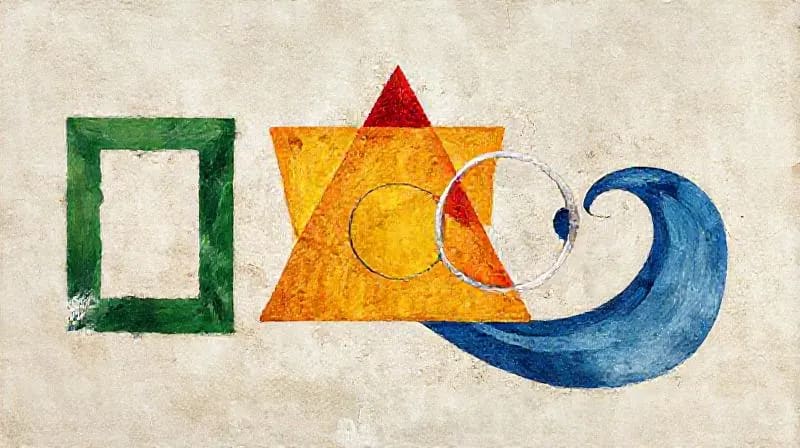
An artistic representation of how different elemental energies merge and interact in relationships.
Elemental Synastry: Unveiling Relationship Dynamics
Elemental synastry in Chinese astrology goes far beyond comparing animal signs. It involves analyzing the elemental interactions between two individuals' Four Pillars. This advanced technique reveals the deeper energetic compatibility, potential areas of harmony, and sources of conflict in any relationship, whether romantic, familial, or professional.
The core of elemental synastry lies in applying the Productive and Destructive Cycles to the combined charts. When one person's dominant element nourishes another's, it indicates a natural flow of support and understanding. For example, a Water-dominant person might naturally support a Wood-dominant partner, fostering their growth and creativity. This creates a sense of ease and mutual benefit.
- Productive Cycle Compatibility: When elements mutually nourish each other, the relationship tends to be supportive, harmonious, and growth-oriented. For instance, a Fire person and an Earth person might find natural resonance, as Fire produces Earth (ash).
- Destructive Cycle Conflicts: When elements clash, such as Metal cutting Wood, there can be inherent friction, control dynamics, or challenges. This does not necessarily mean incompatibility but highlights areas requiring conscious effort, compromise, and understanding. A Metal person might inadvertently suppress a Wood person's natural drive for expansion.
- Balancing Elements: Sometimes, one person's chart might have a deficient element that the other person's chart strongly possesses. This can create a complementary dynamic where each partner naturally provides what the other lacks, leading to a sense of completeness and mutual support.
Advanced synastry also considers the "Day Master" elements of both individuals. The interaction between these core elements often dictates the fundamental nature of the relationship. Furthermore, the presence of specific elemental combinations or clashes between pillars can reveal specific relationship challenges or strengths, such as communication patterns or financial compatibility. This nuanced approach offers a far richer understanding than simple animal sign comparisons, providing actionable insights for navigating complex human connections.
Balancing Elements in Relationships: Strategies for Harmony
Understanding elemental compatibility is only the first step; the true art lies in actively balancing these energies within a relationship. When destructive cycles are prominent, or when one partner's elements are overwhelming another's, conscious strategies can foster harmony and growth. This involves recognizing elemental tendencies and adjusting behaviors accordingly.
- Acknowledge and Respect Differences: Recognize that elemental clashes are not personal attacks but inherent energetic differences. For example, a Metal person's need for structure might clash with a Wood person's desire for freedom. Respecting these fundamental needs is crucial.
- Introduce a Mediating Element: If two elements are in a destructive cycle, introducing a third element that can mediate can be beneficial. For instance, if Fire clashes with Metal (Fire melts Metal), Earth can mediate (Fire produces Earth, Earth produces Metal), softening the interaction. This can translate to finding common ground or shared activities that embody the mediating element's qualities.
- Cultivate Productive Interactions: Consciously engage in activities or communication styles that align with productive cycles. If one partner is Water-dominant and the other Wood-dominant, the Water partner can actively offer emotional support and intuition, while the Wood partner can bring growth and innovative ideas to the relationship.
- Self-Awareness and Personal Growth: Encourage both partners to work on balancing their own charts. A person with excessive Fire might learn to temper their impulsiveness, while someone with deficient Water might practice emotional expression. Personal balance contributes significantly to relational harmony.
By proactively addressing elemental imbalances, couples can transform potential conflicts into opportunities for deeper understanding and stronger bonds. This advanced application of Five Element Theory provides a powerful framework for cultivating enduring and fulfilling relationships. The principles of elemental balance extend beyond relationships, influencing personal well-being and environmental harmony, as explored in Feng Shui Digital Nomads Harmonizing Virtual Well-being.
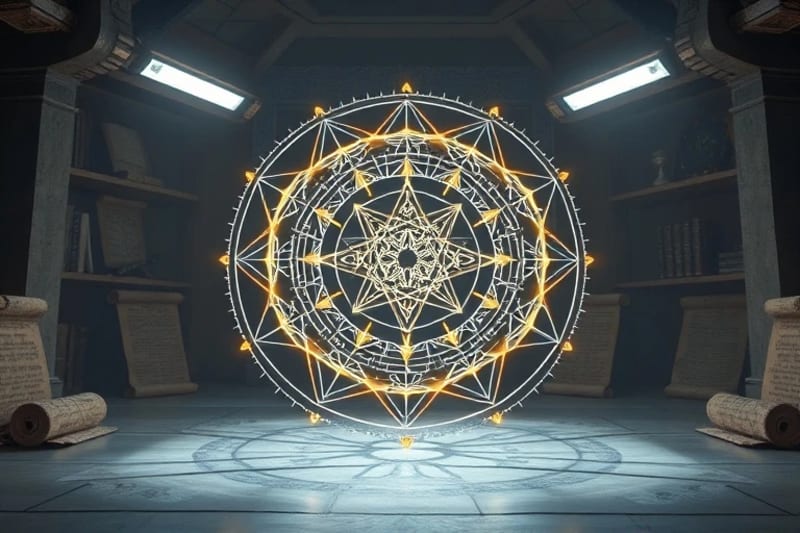
A futuristic rendering of an advanced elemental chart, illustrating the intricate patterns of energy flow and balance.
Practical Applications in Modern Life
The advanced understanding of Five Element Theory and its application to Chinese Zodiac charts offers profound practical benefits in various aspects of modern life. It moves beyond mere prediction, providing a framework for self-improvement, strategic planning, and enhanced interpersonal effectiveness.
- Self-Awareness and Personal Development: By identifying dominant and deficient elements in one's own Four Pillars, individuals can gain clarity on their innate strengths, weaknesses, and areas needing development. This insight can guide choices in hobbies, diet, exercise, and even emotional regulation. For example, a person with excessive Fire might benefit from cooling foods and calming activities like meditation to balance their energetic output.
- Career and Business Strategy: Understanding the elemental composition of team members or business partners can optimize collaboration. Matching individuals whose elements are in a productive cycle can lead to more synergistic outcomes. Conversely, recognizing potential elemental clashes allows for proactive management of conflicts and assignment of roles that minimize friction. For instance, a Wood-dominant leader (visionary) might thrive with an Earth-dominant manager (grounding, practical).
- Health and Wellness: The Five Elements are integral to Traditional Chinese Medicine (TCM). Identifying elemental imbalances in a natal chart can highlight predispositions to certain health issues or energetic blockages. This knowledge can inform dietary choices, exercise routines, and even the selection of complementary therapies to support overall well-being. For example, a weak Water element might suggest a need to support kidney health.
- Parenting and Education: Parents can use elemental insights to better understand their children's innate temperaments and learning styles. Tailoring educational approaches and disciplinary methods to a child's dominant elements can foster a more supportive and effective upbringing. A child with strong Wood might need outlets for physical activity and leadership, while a Metal child might thrive with structured learning.
Ultimately, the advanced study of Five Element Theory in Chinese Zodiac empowers individuals to navigate life with greater wisdom and foresight. It transforms abstract concepts into tangible tools for personal growth, harmonious relationships, and strategic decision-making, offering a timeless system for understanding the intricate dance of cosmic energies in our lives.
Fuente: Contenido híbrido asistido por IAs y supervisión editorial humana.


Comments
Post a Comment