
Planetary Rulerships Zodiac Myths: Esoteric Archetypes Self-Discovery
Planetary Rulerships in Zodiac Myths: Unveiling Esoteric Archetypes for Self-Discovery
The intricate dance between celestial bodies and human existence has captivated civilizations for millennia. Ancient cultures meticulously observed the heavens, attributing divine significance and influence to planets and constellations. This profound connection led to the development of complex astrological systems, where each zodiac sign was believed to be governed, or 'ruled,' by a specific planet, imbuing it with particular characteristics and mythological narratives.
Understanding these planetary rulerships within the context of zodiac myths offers a powerful lens through which to explore esoteric archetypes. These archetypes are universal patterns and images that are part of the collective unconscious, shaping our personalities, motivations, and life experiences. By delving into these ancient wisdom traditions, individuals can embark on a journey of profound self-discovery, unlocking deeper insights into their innate strengths, challenges, and life's purpose.
Table of Contents
- Historical Roots of Planetary Rulerships
- The Core Concept of Planetary Rulerships
- Zodiac Signs, Rulers, and Their Archetypal Expressions
- Modern Astrology and Co-Rulerships
- Self-Discovery Through Esoteric Archetypes
- Practical Application for Personal Growth
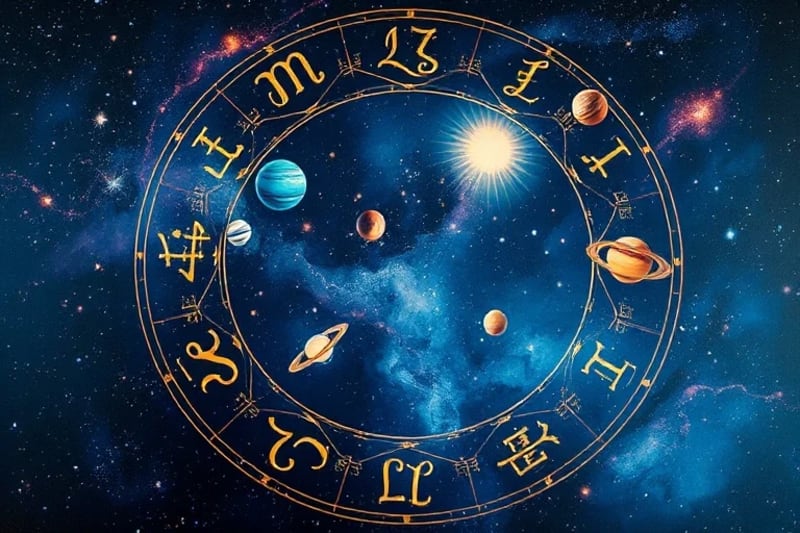
The cosmic tapestry illustrates the profound connection between planetary bodies and the zodiac, a cornerstone of astrological understanding.
Historical Roots of Planetary Rulerships
The concept of planetary rulerships traces its origins back to ancient Babylonian and Egyptian astrological practices, later refined by the Greeks and Romans. These early astronomers and mystics observed the movements of the visible planets—Sun, Moon, Mercury, Venus, Mars, Jupiter, and Saturn—and correlated their cycles with earthly events and human temperament. Each planet was associated with a specific deity, whose myths and attributes became intertwined with the astrological interpretations.
For instance, Mars, named after the Roman god of war, was naturally linked to signs exhibiting courage, aggression, and pioneering spirit. Venus, the goddess of love and beauty, became the ruler of signs associated with harmony, aesthetics, and relationships. This anthropomorphic approach to celestial bodies laid the groundwork for the archetypal understanding that persists in astrology today. The astrological cycles and major transits observed by these ancient civilizations formed the basis of understanding how planetary influences shaped both individual lives and global events.
The twelve zodiac signs were then systematically assigned to these seven traditional planets, creating a symmetrical framework of influence. This system was not arbitrary; it was based on observations of planetary movements, seasonal changes, and the perceived qualities of the signs themselves. The Sun and Moon, as the luminaries, were given one sign each, while the other five planets ruled two signs apiece, one masculine and one feminine in nature.
The Core Concept of Planetary Rulerships
At its heart, planetary rulership signifies a deep resonance between a planet and a zodiac sign. The ruling planet is considered to be "at home" in its sign, meaning its energies and characteristics are expressed most purely and powerfully there. It acts as the primary governor, dictating the fundamental nature and expression of that sign. When a planet rules a sign, it means that the themes and qualities associated with that planet are intrinsically woven into the fabric of the sign itself.
For example, Mercury rules both Gemini and Virgo. In Gemini, Mercury's influence manifests as quick wit, communication, and intellectual curiosity. In Virgo, the same Mercury energy shifts to meticulous analysis, practical application, and service. This duality highlights how a single planetary archetype can express itself differently depending on the zodiacal context, offering rich layers for interpretation in a natal chart. Understanding your horoscope birth chart involves recognizing these intricate connections.
These rulerships form the backbone of astrological interpretation, providing essential clues about an individual's inherent tendencies, strengths, and potential challenges. They help astrologers and enthusiasts alike to understand the underlying motivations and energetic blueprint of each zodiac archetype. The relationship between a sign and its ruler is akin to a king and his kingdom; the planet's essence defines the domain it governs.
Zodiac Signs, Rulers, and Their Archetypal Expressions
Each zodiac sign embodies a unique archetypal energy, deeply influenced by its planetary ruler. These archetypes are not mere stereotypes but profound psychological and spiritual patterns that resonate across cultures and time. Exploring them allows for a deeper appreciation of the human psyche's diversity.

Ancient astrological instruments and texts serve as symbolic keys to understanding the esoteric archetypes embedded in celestial lore.
Let's explore the traditional planetary rulerships and their associated archetypes:
- Aries (Mars): The Warrior/Pioneer. Ruled by Mars, the god of war, Aries embodies courage, initiative, and a pioneering spirit. This archetype is about asserting oneself, leading the charge, and embracing challenges head-on.
- Taurus (Venus): The Sensualist/Builder. Governed by Venus, the goddess of love and beauty, Taurus values comfort, stability, and the pleasures of the senses. This archetype focuses on creation, material security, and appreciating the physical world.
- Gemini (Mercury): The Communicator/Trickster. Mercury, the messenger god, grants Gemini its quick wit, adaptability, and insatiable curiosity. This archetype thrives on information exchange, learning, and intellectual exploration.
- Cancer (Moon): The Nurturer/Protector. Ruled by the Moon, representing emotions and the subconscious, Cancer embodies nurturing instincts, emotional depth, and a strong connection to home and family. This archetype seeks security and provides comfort.
- Leo (Sun): The Sovereign/Performer. The Sun, the center of our solar system, rules Leo, bestowing vitality, leadership qualities, and a desire for recognition. This archetype is about self-expression, creativity, and inspiring others.
- Virgo (Mercury): The Analyst/Healer. Also ruled by Mercury, Virgo channels its energy into meticulous analysis, practical service, and a pursuit of perfection. This archetype is dedicated to improvement, problem-solving, and well-being.
- Libra (Venus): The Harmonizer/Diplomat. Venus's second sign, Libra, seeks balance, justice, and harmonious relationships. This archetype excels in diplomacy, aesthetic appreciation, and fostering equilibrium.
- Scorpio (Mars/Pluto): The Transformer/Investigator. Traditionally ruled by Mars and co-ruled by Pluto (god of the underworld), Scorpio delves into intensity, transformation, and uncovering hidden truths. This archetype is about regeneration and profound emotional depth.
- Sagittarius (Jupiter): The Explorer/Philosopher. Jupiter, the king of the gods, rules Sagittarius, inspiring a love for adventure, higher learning, and philosophical inquiry. This archetype seeks expansion, wisdom, and truth.
- Capricorn (Saturn): The Achiever/Authority. Saturn, the planet of discipline and structure, governs Capricorn, fostering ambition, responsibility, and a drive for achievement. This archetype is about building lasting legacies and establishing authority.
- Aquarius (Saturn/Uranus): The Innovator/Rebel. Traditionally ruled by Saturn and co-ruled by Uranus (god of the heavens), Aquarius embodies innovation, humanitarian ideals, and a desire for social change. This archetype champions individuality and collective progress.
- Pisces (Jupiter/Neptune): The Mystic/Dreamer. Traditionally ruled by Jupiter and co-ruled by Neptune (god of the sea), Pisces represents spirituality, compassion, and a connection to the collective unconscious. This archetype is about empathy, artistic expression, and transcending boundaries.
Each of these archetypes, rooted in ancient myths and planetary symbolism, offers a distinct pathway to understanding human behavior and potential. For those interested in deeper spiritual growth, exploring these archetypes can also connect with practices like herbalism for spiritual growth, as both fields seek to understand the subtle energies that shape our world.
Modern Astrology and Co-Rulerships
With the discovery of the outer planets—Uranus (1781), Neptune (1846), and Pluto (1930)—modern astrology introduced the concept of co-rulerships. These planets, being slower-moving and associated with generational shifts and deeper psychological forces, were assigned to signs that resonated with their newly understood archetypal energies. Uranus became the co-ruler of Aquarius, Neptune of Pisces, and Pluto of Scorpio.
This expansion enriched the interpretative framework, adding layers of complexity and depth to the zodiacal archetypes. While traditional rulers still hold significant sway, co-rulers offer insights into the more subtle, evolutionary, and often unconscious aspects of a sign's expression. For example, while Mars gives Scorpio its drive, Pluto provides its transformative power and intensity. This dual perspective allows for a more nuanced understanding of the North Node and South Node, representing karmic paths, which are also crucial for understanding evolutionary growth.
The integration of these outer planets reflects an evolving understanding of human consciousness and the broader cosmic influences at play. It acknowledges that while our core personality traits are shaped by traditional planetary energies, there are also deeper, more collective currents that influence our spiritual and psychological development.
Self-Discovery Through Esoteric Archetypes
The true power of understanding planetary rulerships and zodiac myths lies in their capacity to facilitate self-discovery. By recognizing the archetypal energies at play within our own natal chart, we gain profound insights into our innate nature. Each planet and sign combination represents a facet of our being, a specific psychological drive or spiritual lesson. This process is not about rigid categorization but about recognizing patterns and potentials.

An abstract visual metaphor for the intricate journey of self-discovery, where inner light illuminates symbolic pathways to growth.
For instance, if your Sun is in Leo, ruled by the Sun, you might recognize the archetype of the Sovereign or Performer within you. This understanding encourages you to embrace your creativity, leadership potential, and desire for self-expression. Conversely, if you struggle with these areas, it can highlight where you might be suppressing your authentic self. The zodiac archetypes in modern spirituality provide a framework for this self-exploration.
This journey of self-discovery extends beyond individual signs to the interplay of all planets in a birth chart. Each planet's position in a sign and house, and its aspects to other planets, creates a unique energetic signature. By understanding the ruling planets of these signs, we can decode the underlying mythological narratives that shape our personal journey, revealing hidden talents, karmic lessons, and spiritual directives.
It's about recognizing that we are not merely products of our environment but reflections of cosmic patterns. This realization can be incredibly empowering, providing a sense of purpose and direction. The esoteric archetypes offer a language to articulate our deepest inner experiences, helping us to integrate our conscious and unconscious selves.
Practical Application for Personal Growth
Integrating the knowledge of planetary rulerships and zodiac myths into daily life can significantly enhance personal growth and well-being. Here are some practical applications:
- Enhanced Self-Awareness: Understand your core motivations and personality traits by examining the ruling planets of your Sun, Moon, and Ascendant signs.
- Navigating Challenges: When facing difficulties, consider the archetypal challenges associated with the ruling planets involved. For example, a Saturn-ruled sign might face lessons in discipline and patience.
- Leveraging Strengths: Identify and cultivate the positive attributes of your ruling planets. If Venus rules a significant part of your chart, focus on creativity, relationships, and aesthetics.
- Understanding Relationships: Apply this knowledge to understand the dynamics in your relationships. Knowing the ruling planets of your partner's key placements can offer insight into their core drives and needs.
- Timing and Cycles: Observe how planetary transits interact with your natal chart's ruling planets, offering clues about favorable times for certain actions or periods of introspection.
By consciously engaging with these archetypal energies, individuals can align themselves more closely with their authentic path, fostering greater harmony and fulfillment. This ancient wisdom provides a timeless framework for navigating the complexities of modern life and achieving profound self-mastery. The journey of understanding these cosmic influences is continuous, offering endless opportunities for growth and enlightenment.
Source: Hybrid content assisted by AI and human editorial supervision.


Comments
Post a Comment