
Herbalism Spiritual Growth: Plant Allies, Esoteric Connections | StarPluto
Herbalism, often perceived primarily for its physical healing properties, holds a profound and ancient connection to spiritual growth and esoteric practices. Beyond remedies for the body, plants have long been revered as potent allies for the soul, offering pathways to deeper intuition, energetic cleansing, protection, and enhanced spiritual awareness. This exploration delves into the fascinating world of plant allies, uncovering their unique energetic signatures and how they can be thoughtfully integrated into a personal spiritual journey.
Discovering the profound spiritual connections between humanity and the plant kingdom.
The concept of "plant allies" extends beyond mere botanical knowledge; it involves recognizing plants as sentient beings with distinct energetic frequencies that can resonate with and support human spiritual endeavors. From ancient shamans to modern mystics, seekers have turned to the botanical world for guidance, healing, and transformation. This guide aims to demystify this practice, offering an introductory and educational perspective for those new to the intersection of herbalism and spirituality.
Table of Contents
- Ancient Roots of Spiritual Herbalism
- Understanding Plant Allies and Energetic Signatures
- Key Spiritual Benefits of Herbalism
- Specific Plant Allies and Their Esoteric Uses
- Methods for Integrating Herbs into Spiritual Practice
- Ethical Sourcing and Sustainable Practices
- Safety and Responsible Use of Spiritual Herbs
- Cultivating Your Own Plant Allies
- Conclusion: The Journey of Spiritual Herbalism
Ancient Roots of Spiritual Herbalism
The use of plants for spiritual purposes is as old as humanity itself. Across diverse cultures and civilizations, plants have been central to rituals, ceremonies, and healing practices aimed at connecting with the divine, warding off negative energies, and fostering inner peace. From the Amazonian shamans using ayahuasca for visionary journeys to the ancient Egyptians employing frankincense in their sacred rites, the spiritual power of herbs has been universally recognized.
Indigenous traditions, in particular, often view the plant kingdom as a living library of wisdom and healing. They teach that each plant possesses a spirit or consciousness, and by engaging with these spirits respectfully, humans can gain insights, protection, and profound healing. This holistic perspective emphasizes reciprocity and reverence, understanding that plants offer their gifts when approached with intention and gratitude.
Understanding Plant Allies and Energetic Signatures
A plant ally is more than just a botanical specimen; it's a spiritual partner. Each plant carries a unique energetic signature, a vibrational frequency that influences its specific spiritual applications. This signature is shaped by its growth environment, physical characteristics, and traditional associations. For example, a plant that thrives in harsh conditions might offer resilience, while one that blooms at night might enhance intuition.
Understanding these energetic qualities is crucial for effective spiritual herbalism. It involves developing an intuitive connection with plants, observing their forms, scents, and habitats, and learning from ancestral wisdom. This approach moves beyond simply consuming herbs for physical ailments; it's about forming a relationship with the plant spirit to support one's spiritual evolution.
Key Spiritual Benefits of Herbalism
Integrating plant allies into your spiritual practice can unlock a myriad of benefits, enriching your inner world and strengthening your connection to the unseen. These benefits often manifest subtly, fostering a sense of calm, clarity, and heightened awareness.
- Enhancing Intuition and Psychic Abilities: Certain herbs are known to gently open the third eye and crown chakras, facilitating clearer intuitive messages and vivid dream experiences.
- Protection and Cleansing: Many plants possess powerful energetic properties that can ward off negative influences, purify spaces, and cleanse the aura, creating a sacred energetic boundary.
- Grounding and Centering: For those feeling scattered or overwhelmed, grounding herbs can help anchor one's energy to the earth, promoting stability and presence.
- Promoting Peace and Relaxation: Herbs with calming properties can soothe the nervous system, making it easier to enter meditative states and reduce spiritual anxiety.
- Facilitating Dream Work and Lucid Dreaming: Specific plant allies can act as catalysts for more memorable dreams, aiding in dream recall and encouraging lucid dreaming experiences for inner exploration.
- Connecting with Nature and the Divine: Working with plants inherently deepens one's appreciation for the natural world, fostering a sense of interconnectedness with all life and the divine source.
Specific Plant Allies and Their Esoteric Uses
The plant kingdom offers a vast array of allies, each with unique gifts for the spiritual seeker. Here are some commonly used herbs and their traditional esoteric applications:
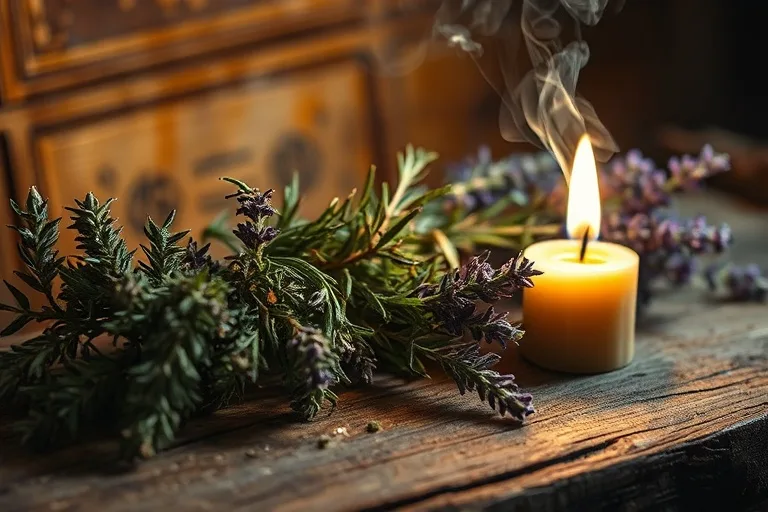
A selection of dried herbs, thoughtfully arranged for spiritual intention and practice.
Mugwort (Artemisia vulgaris): Known as the "dream herb," mugwort is traditionally used to enhance dream recall, promote lucid dreaming, and aid in divination. It's often placed under a pillow or consumed as a mild tea before sleep. Its energetic signature is deeply connected to lunar cycles and feminine mysteries, making it a powerful ally for psychic work and introspection.
Rosemary (Rosmarinus officinalis): This fragrant herb is a powerhouse for protection, purification, and memory enhancement. It can be burned as incense to clear negative energy from a space, added to spiritual baths for cleansing, or carried as an amulet for protection. Rosemary also fosters mental clarity and focus, beneficial for meditation and study.
Lavender (Lavandula angustifolia): Universally recognized for its calming properties, lavender is excellent for promoting peace, relaxation, and restful sleep. Spiritually, it's used for purification, attracting love, and creating a serene atmosphere for meditation or ritual. Its gentle energy makes it ideal for emotional healing and balancing.
Palo Santo (Bursera graveolens): Meaning "holy wood," Palo Santo is revered for its cleansing and purifying smoke, similar to sage but with a sweeter, more uplifting aroma. It's used to clear negative energy, invite positive vibrations, and deepen spiritual connection. It's crucial to source Palo Santo ethically and sustainably, as overharvesting has become a concern.
White Sage (Salvia apiana): A sacred herb in many Native American traditions, white sage is widely used for smudging—the practice of burning dried sage to purify spaces, objects, and people. Its smoke is believed to clear stagnant energy, banish negativity, and invite blessings. Like Palo Santo, ethical and sustainable sourcing is paramount to respect indigenous cultures and preserve the plant.
Chamomile (Matricaria chamomilla): Beyond its soothing qualities for physical relaxation, chamomile is a gentle ally for promoting peace, reducing stress, and attracting prosperity. It can be used in teas for calming the mind before meditation or added to baths for a sense of tranquility and spiritual cleansing. It's also associated with solar energy and protection.
Peppermint (Mentha piperita): This invigorating herb is excellent for purification, healing, and enhancing psychic awareness. Its sharp, clear scent can stimulate the mind, making it useful for focus during divination or ritual work. Peppermint can be diffused, used in washes, or consumed as a tea to clear mental fog and invite fresh energy.
Basil (Ocimum basilicum): Often associated with love, protection, and wealth, basil is a versatile spiritual herb. It can be grown in the home for protection against negativity, used in sachets to attract prosperity, or incorporated into love spells and rituals. Its vibrant energy is believed to bring happiness and harmony.

An artistic depiction of ancient wisdom, sacred smoke, and crystal energy.
St. John's Wort (Hypericum perforatum): Historically revered for its ability to ward off evil and negativity, St. John's Wort is a powerful protective herb. It's also associated with dispelling gloom and bringing light, making it an ally for emotional and spiritual upliftment. It can be used in protective amulets or burned as incense during banishing rituals.
Frankincense (Boswellia sacra) & Myrrh (Commiphora myrrha): These ancient resins, often used together, are potent for spiritual connection, meditation, and purification. Frankincense is believed to elevate consciousness and facilitate communication with higher realms, while myrrh offers grounding, protection, and aids in grief work. They are typically burned as incense.
Cedar (Cedrus spp.): Cedar is a revered tree in many Native American traditions, used for purification, protection, and attracting positive energy. Its wood and needles are often burned as incense or smudged to cleanse spaces and prepare for sacred ceremonies. Cedar's strong, grounding energy helps to establish a safe and sacred environment.
Methods for Integrating Herbs into Spiritual Practice
There are numerous ways to invite the spiritual benefits of plant allies into your daily life. The key is intention and mindfulness, allowing the plant's energy to work with your own.
- Herbal Teas & Infusions: A simple yet powerful method. Brewing an herbal tea with intention transforms it into a sacred elixir. As you sip, focus on the desired spiritual outcome, whether it's peace, clarity, or intuitive insight.
- Tinctures & Elixirs: These concentrated herbal extracts can be taken internally or used topically (e.g., on pulse points or chakras) for sustained spiritual support. They are excellent for long-term energetic alignment.
- Smudging & Incense: Burning dried herbs (like sage, Palo Santo, or cedar) or resins (frankincense, myrrh) is a time-honored way to cleanse spaces, objects, and your aura. The smoke carries away stagnant energy and invites fresh, positive vibrations.
- Spiritual Baths: Adding herbs to your bathwater creates a ritual of purification and energetic alignment. Lavender, rosemary, or chamomile can be steeped and added to the bath, along with salts and essential oils, to release negativity and invite desired energies.
- Amulets & Sachets: Carrying small pouches (sachets) filled with dried herbs or wearing them as amulets can provide continuous energetic support. For example, a sachet of mugwort for dream work or rosemary for protection.
- Herbal Oils & Balms: Infusing herbs into carrier oils creates potent spiritual tools for anointing, massage, or dressing candles. These can be used to consecrate tools, bless oneself, or enhance meditation.
- Meditation & Visualization: Simply holding a fresh or dried herb, inhaling its scent, and meditating on its energetic properties can deepen your connection and absorb its spiritual essence. Visualizing the plant's energy flowing into you can be very effective.
Ethical Sourcing and Sustainable Practices
As interest in spiritual herbalism grows, it becomes increasingly vital to engage in ethical and sustainable practices. Many popular spiritual herbs, such as white sage and Palo Santo, are being overharvested, threatening their wild populations and disrespecting the indigenous cultures that have stewarded them for centuries. When sourcing these plant allies, always prioritize:
- Certified Sustainable Sources: Look for suppliers who can verify their harvesting practices are sustainable and do not harm wild populations.
- Fair Trade: Support communities that harvest these plants, ensuring they receive fair compensation and their traditional practices are respected.
- Cultivated Alternatives: Consider growing your own herbs or opting for cultivated varieties when possible, especially for popular wild-harvested plants.
- Local & Abundant Herbs: Explore the spiritual properties of herbs native to your region. Many common garden herbs have potent spiritual uses and are readily available.
- Respectful Harvesting: If wildcrafting, learn proper techniques, ask permission, and take only what you need, leaving plenty for the plant to regenerate and for wildlife.
Safety and Responsible Use of Spiritual Herbs
While spiritual herbalism focuses on energetic properties, it's essential to remember that plants also possess biochemical compounds that can affect the body. Always approach herbal remedies with caution and responsibility:
- Identify Correctly: If wildcrafting, ensure 100% positive identification of any plant before use. Misidentification can be dangerous.
- Consult Professionals: If you have underlying health conditions, are pregnant or breastfeeding, or are taking medications, consult a healthcare provider or qualified herbalist before ingesting any herbs.
- Start Small: Begin with small doses to assess your body's reaction, even for seemingly innocuous herbs.
- Allergies: Be aware of potential allergies. Perform a patch test if applying topical preparations.
- Avoid Overuse: Even beneficial herbs can have adverse effects if used excessively. Listen to your body and intuition.
- Not a Substitute for Medical Care: Spiritual herbalism complements, but does not replace, conventional medical treatment for physical or mental health conditions.
Cultivating Your Own Plant Allies
One of the most rewarding ways to deepen your connection with plant allies is to cultivate them yourself. Growing herbs from seed or small plants allows you to nurture them from their earliest stages, forming a unique bond and understanding their life cycle. This process itself can be a profound spiritual practice, connecting you directly to the earth's rhythms and the living energy of the plants.
Even a small pot on a windowsill can host a powerful plant ally. As you tend to your herbs, speak to them, offer gratitude, and infuse them with your intentions. This direct interaction enhances the plant's energetic resonance and strengthens its ability to support your spiritual journey, creating a living, breathing extension of your sacred practice.
Conclusion: The Journey of Spiritual Herbalism
Herbalism for spiritual growth is a rich and ancient path that invites us to reconnect with the wisdom of the natural world. By understanding the energetic signatures of plant allies and integrating them mindfully into our practices, we can unlock deeper levels of intuition, protection, peace, and spiritual connection. Whether through a calming herbal tea, a cleansing smudge, or the simple act of tending a garden, plants offer profound gifts for those seeking to enrich their inner lives.
Embrace this journey with reverence, curiosity, and a commitment to ethical and sustainable practices. The plant kingdom is waiting to share its magic, guiding you towards a more aligned and spiritually vibrant existence. Remember that every leaf, flower, and root holds a story and a unique vibration, ready to become a trusted ally on your path.
Fuente: Contenido híbrido asistido por IAs y supervisión editorial humana.


Comments
Post a Comment