
Daily Horoscope Guide: Interpret Your Astrological Forecast | StarPluto
In an increasingly complex world, many individuals seek guidance and self-understanding through various means. Among the most popular and enduring is the daily horoscope, a snapshot of astrological energies believed to influence our lives. Far from being a mere fortune-telling gimmick, a well-interpreted daily horoscope can offer valuable insights into prevailing energetic themes, potential challenges, and opportunities for personal growth.
This comprehensive guide aims to demystify the daily horoscope, providing you with the tools and knowledge to move beyond superficial readings. We will explore the fundamental components of an astrological forecast, delve into key planetary influences, and offer practical steps to interpret these cosmic messages effectively. By understanding the underlying principles, you can transform your daily horoscope from a passive read into an active tool for self-reflection and informed decision-making.
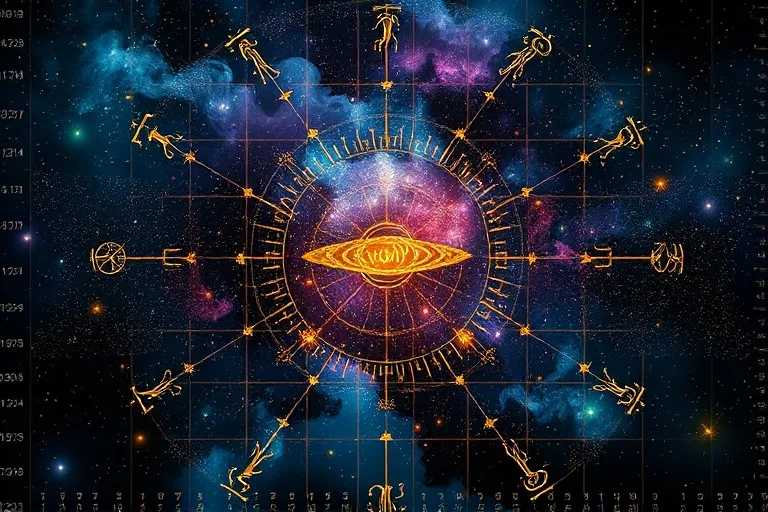
A stylized celestial map illustrating the intricate dance of planets and zodiac signs, central to daily horoscope interpretation.
Table of Contents
- What is a Daily Horoscope?
- The Core Components of Your Daily Horoscope
- Understanding Your Sun Sign Forecast
- Beyond the Sun Sign: The Role of the Ascendant and Moon
- Key Astrological Terms in Daily Horoscopes
- Practical Steps to Interpret Your Daily Horoscope
- Integrating Horoscopes into Your Daily Life
- Common Misconceptions About Daily Horoscopes
- The Evolution of Horoscope Interpretation
- Ethical Considerations and Responsible Use
What is a Daily Horoscope?
A daily horoscope is an astrological forecast that provides insights into the potential energies and influences of a specific day, tailored to each of the twelve zodiac signs. It is based on the positions and movements of celestial bodies, particularly the Sun, Moon, and planets, relative to Earth at a given moment. Astrologers interpret these cosmic configurations to offer guidance on various aspects of life, including relationships, career, finance, and well-being.
Unlike a natal chart, which is a fixed map of the sky at the moment of your birth, a daily horoscope is dynamic. It reflects the ongoing transits of planets through the zodiac, and how these transits interact with the general characteristics associated with each Sun sign. While it cannot predict exact events, it can highlight prevailing themes and suggest how best to navigate the day's energetic currents.
The Core Components of Your Daily Horoscope
To truly understand your daily horoscope, it's essential to grasp its foundational elements. These include the zodiac signs, the planets, and the houses of the astrological chart. Each plays a distinct role in shaping the daily forecast.
- Zodiac Signs: There are twelve zodiac signs, each representing a specific period of the year and associated with unique personality traits, strengths, and weaknesses. Your Sun sign is determined by the position of the Sun at your birth.
- Planets: In astrology, planets (including the Sun and Moon) are considered active forces or archetypes. Each planet governs different areas of life and psychological functions. For example, Mercury rules communication, Venus governs love and values, and Mars represents action and drive.
- Houses: The astrological chart is divided into twelve houses, each corresponding to a specific area of human experience. The first house relates to self and appearance, the second to finances, the seventh to partnerships, and so on.
- Aspects: Aspects are the angular relationships between planets in the sky. They indicate how planetary energies interact—harmoniously (trines, sextiles) or challengingly (squares, oppositions). Daily horoscopes often mention significant aspects occurring on a given day.
Understanding Your Sun Sign Forecast
Most daily horoscopes are primarily written for your Sun sign. This means they offer generalized advice based on the Sun's current position and its interaction with other planets, as it relates to the core characteristics of your zodiac sign. While this provides a broad overview, it's important to remember that it's a collective forecast for millions of people.
To make the most of your Sun sign forecast, focus on the overarching themes rather than literal predictions. For instance, if your horoscope suggests a "challenge in communication," consider how this might manifest given your Sun sign's typical communication style. A Gemini might experience information overload, while a Taurus might struggle with stubbornness in expressing ideas.
Beyond the Sun Sign: The Role of the Ascendant and Moon
For a more personalized daily horoscope interpretation, many astrologers recommend reading the forecast for your Ascendant sign (also known as the Rising Sign) in addition to your Sun sign. Your Ascendant represents your outer personality, how others perceive you, and your immediate reactions to the world. Reading both can provide a more nuanced perspective.
The Moon sign also plays a crucial role, as it governs your emotional nature, instincts, and subconscious reactions. Daily lunar transits are particularly impactful on our moods and feelings. While daily horoscopes rarely delve into specific Moon sign forecasts, being aware of the Moon's current sign and aspects can significantly enhance your understanding of your emotional landscape throughout the day. Explore more about Lunar Nodes to deepen your astrological knowledge.
An antique telescope and astrology book symbolize the ancient pursuit of cosmic understanding and daily interpretation.
Key Astrological Terms in Daily Horoscopes
Understanding common astrological terminology is key to deciphering your daily forecast. Here's a brief glossary of terms you might encounter:
| Term | Meaning in Daily Horoscopes |
|---|---|
| Transit | The current movement of a planet through the zodiac, interacting with your natal chart or general energies. |
| Conjunction | Two planets are at the same degree of a sign, merging their energies. Can signify new beginnings or intense focus. |
| Opposition | Two planets are 180 degrees apart, creating tension or a need for balance. Often highlights dualities. |
| Square | Two planets are 90 degrees apart, indicating friction, challenges, or obstacles that require effort to overcome. |
| Trine | Two planets are 120 degrees apart, signifying harmony, ease, and flowing energy. Opportunities may arise effortlessly. |
| Sextile | Two planets are 60 degrees apart, representing opportunities, cooperation, and favorable conditions for growth. |
| Retrograde | A planet appears to move backward from Earth's perspective. Often associated with review, reflection, and re-evaluation. Learn more about Retrograde Planets. |
Practical Steps to Interpret Your Daily Horoscope
Interpreting your daily horoscope effectively involves more than just reading a few sentences. It requires active engagement and self-awareness. Follow these steps to gain deeper insights:
- Read with an Open Mind: Approach your horoscope as a guide, not a definitive prophecy. Look for themes and suggestions rather than precise events.
- Consider Your Current Life Situation: How do the general themes resonate with what's happening in your life right now? A forecast about "career opportunities" will mean something different if you're actively job searching versus being retired.
- Reflect on Your Emotions: Pay attention to your feelings throughout the day. Does your emotional state align with the energies described in your horoscope? The Moon's influence is particularly strong here.
- Identify Actionable Advice: Many horoscopes offer advice on how to best utilize the day's energies. For example, if communication is highlighted, plan important conversations or creative writing tasks.
- Journal Your Observations: Keeping a journal of your daily horoscope and how you felt or what happened can help you identify patterns over time. This personal data is invaluable for understanding your unique relationship with astrological transits.
Integrating Horoscopes into Your Daily Life
Integrating daily horoscopes into your routine can be a powerful practice for mindfulness and self-awareness. It encourages you to pause, reflect, and consider the broader energetic landscape. This doesn't mean passively accepting fate, but rather actively engaging with the potential energies of the day.
For example, if your horoscope suggests a day for "introspection and quiet work," you might choose to schedule tasks that require focus and avoid overly social engagements. Conversely, if it points to "social opportunities and networking," you might be more proactive in reaching out to others. This conscious alignment can lead to a more harmonious and productive day.

An abstract representation of cosmic energy and geometric patterns, symbolizing the intricate dynamics of astrological influences.
Common Misconceptions About Daily Horoscopes
Despite their popularity, daily horoscopes are often misunderstood. Addressing these common misconceptions is vital for a balanced perspective:
- They are not fortune-telling: Horoscopes offer tendencies and potentials, not fixed outcomes. Your free will and choices always play a significant role.
- They are not scientifically proven: Astrology is a symbolic language and an ancient art, not a science in the modern empirical sense. It operates on principles of synchronicity and correlation, not causation.
- One size does not fit all: While Sun sign horoscopes are generalized, they serve as a starting point. A full astrological reading, based on your unique birth chart, provides far more personalized insights.
- Negative forecasts are not curses: A challenging forecast isn't a prediction of doom, but an alert to potential areas requiring extra attention, patience, or strategic thinking.
The Evolution of Horoscope Interpretation
The practice of interpreting celestial movements has a rich and ancient history, dating back thousands of years to civilizations like the Babylonians, Egyptians, and Greeks. Early astrology was deeply intertwined with astronomy, religion, and governance, used to predict agricultural cycles, the fates of empires, and the character of newborns. The concept of a personalized daily horoscope, as we know it today, is a more modern development, gaining widespread popularity with the advent of newspapers and mass media in the 20th century.
Initially, these forecasts were often simplistic and sensationalized. However, contemporary astrological interpretation has evolved to be more psychologically oriented and focused on personal development. Modern astrologers emphasize self-awareness, personal growth, and understanding energetic patterns rather than deterministic predictions. This shift reflects a broader cultural interest in self-help and spiritual exploration, making horoscopes a tool for reflection rather than rigid adherence. Learn more about Astrology History.
Ethical Considerations and Responsible Use
Responsible engagement with daily horoscopes involves maintaining a healthy perspective. It is crucial to use them as a source of inspiration and reflection, not as a substitute for critical thinking or professional advice. Always remember that you are the ultimate arbiter of your life choices.
Avoid becoming overly reliant on daily forecasts, especially when making significant life decisions. If a horoscope consistently suggests challenges, it might be an invitation to examine underlying patterns in your life, but it should not dictate your actions. Ethical astrological practice encourages empowerment and self-responsibility, guiding individuals to harness celestial energies for their highest good. For deeper insights into your personal chart, consider exploring Planets in Astrology.
Fuente: Contenido híbrido asistido por IAs y supervisión editorial humana.


Comments
Post a Comment