
Digital Nomads Feng Shui: Harmonizing Virtual Spaces
Digital Nomads Feng Shui: Harmonizing Virtual Spaces for Well-being
The rise of digital nomadism has transformed the way we work and live, offering unprecedented freedom and flexibility. However, this lifestyle also presents unique challenges, particularly in maintaining a sense of stability and well-being amidst constant movement and reliance on virtual environments. Feng Shui, the ancient Chinese art of arranging buildings, objects, and space to achieve harmony and balance, offers profound insights that can be adapted to the digital realm, helping digital nomads create productive and peaceful virtual workspaces.
This guide explores how traditional Feng Shui principles can be applied to the often-overlooked digital landscape, ensuring that your virtual office supports your professional goals and personal health. By understanding these concepts, you can transform your screen time from a potential source of stress into a sanctuary of focus and creativity, no matter where your travels take you.

Precursors intellectuales, diagramas fundamentales y representaciones conceptuales que forjaron la visión de los principios del Feng Shui sobre la armonía digital.
Fuente visual sujeta a disponibilidad del ecosistema: Wikimedia Commons bajo licencia CC BY-SA 4.0 o renderizado conceptual IA.
Table of Contents
- Understanding Feng Shui for Digital Spaces
- Decluttering Your Digital Environment
- Optimizing Your Virtual Workspace Layout
- Enhancing Energy Flow (Qi) in Your Digital Life
- Incorporating the Five Elements Digitally
- The Command Position in a Virtual World
- Mindfulness and Digital Detox for Well-being
- Conclusion: Harmonizing Your Digital Nomad Journey
Understanding Feng Shui for Digital Spaces
Feng Shui literally translates to "wind and water," representing the invisible forces that bind the universe and the visible flow of energy on Earth. Its core principle is that our environment profoundly impacts our well-being, health, and prosperity. While traditionally applied to physical structures, the essence of Feng Shui is about managing energy, or Qi, and this concept extends naturally to our digital lives.
For digital nomads, the "space" is often less about fixed walls and more about the digital interface—your laptop, tablet, cloud storage, and online presence. Just as a cluttered physical room can create mental chaos, a disorganized digital environment can lead to stress, inefficiency, and a drain on your vital energy. Applying Feng Shui to these virtual spaces helps create a harmonious backdrop for your work, fostering clarity and productivity.
Decluttering Your Digital Environment
The first and most fundamental principle of Feng Shui is decluttering. This applies not only to your physical desk but also to your digital desktop, folders, and even your email inbox. A clean digital space reduces visual noise and mental distraction, allowing for better focus and clearer thought processes.
- Desktop Minimalism: Keep your desktop clear of unnecessary icons and files. Use a clean, inspiring wallpaper that reflects your goals or a serene natural scene.
- Organize Files and Folders: Create a logical, intuitive folder structure for your documents, images, and projects. Regularly delete old or redundant files. Think of your digital files as physical objects; each should have a designated "home."
- Email Inbox Zero: Strive to keep your email inbox as empty as possible. Archive, delete, or respond to emails promptly to prevent digital overwhelm.
- Cloud Storage Harmony: Extend decluttering to your cloud storage. Regularly review and organize files in Google Drive, Dropbox, or other platforms to ensure easy access and reduce digital "clutter weight."
Optimizing Your Virtual Workspace Layout
Just as you would arrange furniture in a physical office, the layout of your virtual workspace—how you arrange applications, tabs, and windows—can significantly impact your efficiency and comfort. Consider the "Ba Gua" map, a Feng Shui tool that divides a space into nine areas, each corresponding to a life aspect like wealth, career, or relationships. While not directly applicable to a screen, the underlying idea of intentional placement is vital.
- Intentional App Placement: Arrange your most-used applications in easily accessible locations. Group similar tools together. For example, communication apps might be in one corner, while creative tools are in another.
- Browser Tab Management: Avoid an excessive number of open tabs. Use tab management tools or extensions to keep your browser organized, reducing digital "open loops" that drain mental energy.
- Virtual Backgrounds: If you use video conferencing, choose professional and calming virtual backgrounds. Avoid distracting or overly busy images that can disrupt the energy of your digital interactions.
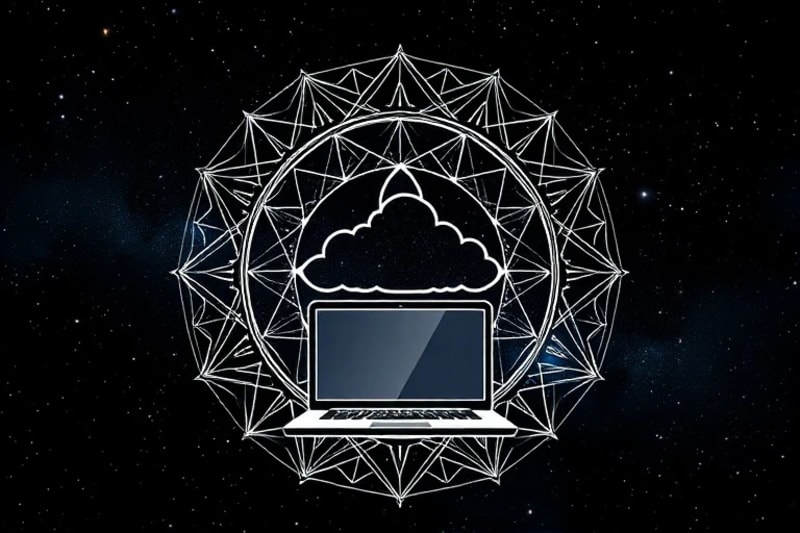
Visualizing the harmonious interplay of digital elements in a well-structured virtual environment.
Enhancing Energy Flow (Qi) in Your Digital Life
The concept of Qi, or life force energy, is central to Feng Shui. In a digital context, Qi can be understood as the flow of information, ideas, and productivity. Stagnant or blocked Qi in your digital life can manifest as slow internet, software glitches, or creative blocks. Ensuring smooth energy flow is crucial for a digital nomad's success.
- Maintain Digital Health: Regularly update your software, clear caches, and run antivirus scans. A well-maintained device ensures smooth operation, akin to a well-maintained physical space allowing Qi to flow freely.
- Optimize Connectivity: Invest in reliable internet access. Poor connectivity is a major Qi blocker for digital nomads. Consider backup options like mobile hotspots.
- Digital Detox Breaks: Just as physical spaces need fresh air, your digital life needs breaks. Step away from screens, engage in physical activity, or spend time in nature to refresh your mental and digital Qi. This aligns with practices like mindful daily routines for overall well-being.
Incorporating the Five Elements Digitally
The Five Elements—Wood, Fire, Earth, Metal, and Water—are fundamental to Feng Shui, representing different energies and qualities. While you can't place a real fire on your desktop, you can represent these elements through colors, shapes, and digital imagery to create balance.
- Wood (Growth, Creativity): Use green colors, vertical lines, or images of plants in your digital backgrounds or themes. This element supports new ideas and expansion.
- Fire (Passion, Recognition): Incorporate red, orange, or triangular shapes. Use images of light or sunrises. This boosts motivation and visibility.
- Earth (Stability, Nurturing): Opt for earthy tones like brown, yellow, and square shapes. Images of landscapes or grounded textures can provide a sense of security.
- Metal (Focus, Organization): Use white, gray, metallic colors, and circular shapes. This enhances clarity, precision, and efficiency.
- Water (Flow, Wisdom): Integrate blue, black, wavy lines, or images of water. This encourages adaptability, communication, and introspection.
Balancing these elements in your digital aesthetic can subtly influence your mood and productivity. For instance, too much Fire might lead to burnout, while too much Water could cause procrastination. Understanding the Five Element Theory provides a deeper understanding of these interactions.
The Command Position in a Virtual World
In traditional Feng Shui, the "command position" is where you sit facing the door, with a solid wall behind you, allowing you to see who enters and feel supported. This position fosters a sense of control and security. For digital nomads, this principle translates to how you set up your physical workspace, even if it's temporary.
- Physical Setup: Whenever possible, position your desk so you can see the entrance to your room or area. Avoid sitting with your back directly to a door or a busy thoroughfare.
- Digital Command: Ensure your most critical tools and information are easily accessible and visible on your screen. Your primary work window should feel like your "command center," giving you a sense of mastery over your tasks.
- Minimize Distractions: Just as you wouldn't want a noisy street behind you, minimize digital distractions. Close unnecessary notifications and tabs to maintain your digital command position.
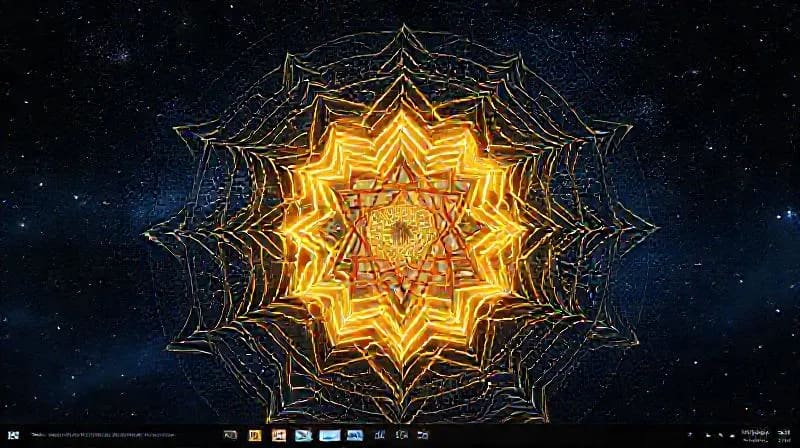
A conceptual visualization of the Ba Gua map applied to a digital interface, guiding energetic organization.
Mindfulness and Digital Detox for Well-being
Beyond the arrangement of space, Feng Shui emphasizes the connection between our environment and our inner state. For digital nomads, this means cultivating mindfulness around digital consumption and practicing regular digital detoxes. This isn't just about reducing screen time; it's about intentionally managing your digital energy.
- Scheduled Digital Breaks: Implement regular breaks away from all screens. Use this time to meditate, exercise, or connect with your physical surroundings.
- Mindful Social Media Use: Be aware of the energy you consume and project on social media. Engage with positive content and limit exposure to negativity.
- Set Digital Boundaries: Establish clear work-life boundaries, even when your "office" is always with you. Define specific work hours and stick to them, allowing for true rest and rejuvenation. These practices are vital for overall cognitive well-being and architectural design.
- Evening Wind-Down: Avoid screens for at least an hour before bed to promote better sleep. The blue light emitted by devices can disrupt your natural sleep cycle, affecting your overall Qi.
Conclusion: Harmonizing Your Digital Nomad Journey
The digital nomad lifestyle, while liberating, demands intentional strategies for maintaining balance and well-being. By applying the timeless wisdom of Feng Shui to your virtual spaces, you can transform your digital environment into a powerful ally for productivity, creativity, and inner peace. From decluttering your desktop to mindfully managing your online presence, each step contributes to a more harmonious and supportive digital life.
Embrace these Feng Shui tips not as rigid rules, but as flexible guidelines to enhance your digital journey. By consciously shaping your virtual world, you empower yourself to thrive, no matter where your adventures take you, creating a sanctuary of well-being in every pixel and byte.
Explore More Insights
Deepen your understanding of spiritual and self-improvement topics.
- Spiritual Cleansing Rituals
- Aquarius Zodiac Sign Traits
- Astrology Career Change
- 3rd House Astrology
- Advanced Medical Astrology
- Modern Spirituality AI Ethics
- Feng Shui Chinese Zodiac Business
- Lucid Dreaming Astral Projection
- Snake Chinese Horoscope
- Chinese Zodiac Feng Shui
- Decans Zodiac Interpretation
- Archetypal Feng Shui
- Medium Coeli: Vocation
- Karmic Astrology Akashic Records
- Annual Predictions 2027
- Digital Patron Saints
- Prayers for Enemies
- Prayer to Saint Alexius
Source: Hybrid content assisted by AI and human editorial supervision.


Comments
Post a Comment