
Biogeometry Sacred Space Design: Wellness Harmony
Biogeometry and Sacred Space Design: Harmonizing Personal and Planetary Wellness
In an increasingly complex world, the quest for harmony extends beyond personal well-being to the very spaces we inhabit. Biogeometry and sacred space design offer a profound approach to creating environments that support and enhance life. These disciplines delve into the subtle energy qualities of forms and their impact on biological systems, aiming to establish a state of energetic balance that benefits both individuals and the planet.
This article explores the foundational principles of Biogeometry and sacred space design, their historical roots, practical applications, and the scientific insights supporting their efficacy. By understanding how specific shapes, angles, and orientations interact with energy fields, we can transform our living and working environments into sanctuaries of vitality and peace. The goal is to move beyond mere aesthetics, focusing on the energetic blueprint of a space to foster holistic wellness.
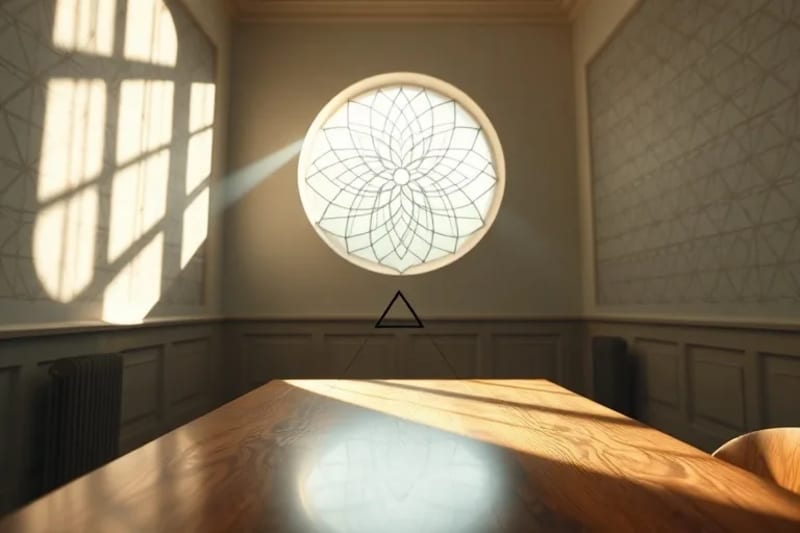
A tranquil living space infused with subtle geometric patterns and harmonizing Biogeometry forms, promoting a sense of peace and energetic balance.
Table of Contents
- Introduction to Energetic Harmony
- Historical Roots of Sacred Architecture
- Core Principles of Biogeometry
- Elements of Sacred Space Design
- Practical Applications for Wellness
- Scientific Perspectives and Research
- Implementing Biogeometry Principles
- Benefits of Harmonized Spaces
- Conclusion: A Path to Holistic Wellness
- Frequently Asked Questions
Introduction to Energetic Harmony
Biogeometry is a modern science that uses the energy of shape to balance the energy qualities of living systems and environments. Developed by Dr. Ibrahim Karim, an Egyptian architect and scientist, it focuses on detecting and emitting a specific central energy quality, referred to as "BG3." This quality is considered the universal harmonizing energy found at the core of sacred power spots across various traditions.
Sacred space design, on the other hand, is the art and science of creating environments that foster spiritual connection, healing, and well-being. It draws upon ancient wisdom traditions that recognized the profound impact of architectural forms, proportions, and orientations on human consciousness and vitality. Together, Biogeometry and sacred space design offer a powerful synergy for cultivating truly supportive environments.
The fundamental premise is that everything in the universe, including our physical surroundings, emits subtle energy fields. These fields can either support or deplete our vital energy. By consciously designing spaces that resonate with beneficial energy qualities, we can mitigate negative influences and enhance positive ones, leading to improved health, emotional balance, and spiritual growth.
Historical Roots of Sacred Architecture
The concept of designing spaces with energetic intent is not new; it is deeply embedded in ancient cultures worldwide. From the pyramids of Egypt to the cathedrals of Europe, and from the temples of Asia to the indigenous sacred sites, humanity has long understood the power of form and orientation to influence energy.
Ancient civilizations meticulously aligned their structures with celestial bodies and earth energy lines, creating environments that facilitated spiritual practices, healing, and community harmony. Disciplines like Feng Shui in China and Vastu Shastra in India are sophisticated systems of sacred architecture that have guided the placement and design of buildings for millennia, emphasizing the flow of "chi" or "prana" within a space.
- Egyptian Architecture: Utilized specific proportions and orientations to channel cosmic energies and facilitate spiritual transformation.
- Gothic Cathedrals: Employed sacred geometry, precise alignments, and resonant materials to create uplifting and awe-inspiring spaces.
- Indigenous Sites: Many ancient stone circles and mounds were constructed to harmonize with telluric currents and celestial cycles, serving as powerful energetic focal points.
These traditions recognized that the physical environment is not merely a backdrop for life but an active participant in our experiences. Modern Biogeometry builds upon this ancient wisdom, providing a systematic approach to identify and replicate the beneficial energy qualities found in these sacred sites.
Core Principles of Biogeometry
Biogeometry operates on the premise that all forms, including geometric shapes, colors, and sounds, emit specific energy qualities that can be measured and utilized. The central aim is to introduce the harmonizing "BG3" energy quality into any environment or living system.
The BG3 energy quality is composed of three primary components: the Higher Harmonic of Gold, the Higher Harmonic of Ultraviolet, and the Horizontal Magnetic component. These three qualities, when present together, create a profound balancing effect on biological energy systems. Biogeometry tools and designs are crafted to emit or resonate with this specific energy signature.

An artistic depiction of subtle energy fields and geometric patterns, illustrating the unseen forces that influence our environments.
The science utilizes dowsing instruments, such as L-rods and pendulums, to detect and measure these subtle energy qualities. Through extensive research, Dr. Karim and his team identified specific geometric shapes and configurations that consistently emit the BG3 energy. These shapes are then incorporated into various applications, from personal pendants to architectural designs.
Another key principle is resonance. Biogeometry aims to create a resonant field that harmonizes with the natural energetic blueprint of life. This is achieved by introducing forms that vibrate at frequencies beneficial to living organisms, thereby neutralizing disruptive energies like electromagnetic fields (EMFs) and geopathic stress.
Key Energy Qualities in Biogeometry (BG3)
| Quality Component | Description | Biological Impact |
|---|---|---|
| Higher Harmonic of Gold | Associated with vitality, energy flow, and overall life force. | Enhances cellular regeneration, strengthens the immune system. |
| Higher Harmonic of Ultraviolet | Linked to purification, cleansing, and spiritual connection. | Promotes detoxification, mental clarity, and spiritual awareness. |
| Horizontal Magnetic | Provides grounding, stability, and a connection to earth energies. | Offers emotional stability, reduces hyperactivity, aids in grounding. |
Elements of Sacred Space Design
Sacred space design, whether through Biogeometry or other traditional systems, involves a conscious arrangement of elements to create an energetically supportive environment. It's about more than just aesthetics; it's about the energetic quality of the space itself.
Key elements include the use of sacred geometry, specific proportions, natural materials, and careful consideration of orientation. For instance, the Golden Ratio (Phi) and other geometric ratios found in nature are often incorporated to create harmonious visual and energetic patterns. The placement of furniture, windows, and doors can significantly impact energy flow.
- Geometry and Proportion: Utilizing sacred geometric forms and ratios (e.g., Golden Ratio, platonic solids) in architectural details, room layouts, and decorative elements.
- Orientation and Alignment: Aligning structures with cardinal directions, celestial paths, or local energy lines to tap into beneficial cosmic and telluric energies.
- Natural Materials: Incorporating wood, stone, natural fibers, and water features to enhance the biophilic connection and energetic purity of a space.
- Color and Light: Strategic use of colors to evoke specific moods and energy qualities, and optimizing natural light for vitality and circadian rhythm synchronization.
- Sound and Vibration: Consideration of acoustics and the introduction of harmonizing sounds (e.g., chimes, singing bowls, natural soundscapes) to clear and elevate the energetic atmosphere.
By integrating these elements thoughtfully, designers can create spaces that not only look beautiful but also actively contribute to the physical, emotional, and spiritual well-being of their occupants. This holistic approach ensures that the environment acts as a positive force in daily life.
Practical Applications for Wellness
The principles of Biogeometry and sacred space design have numerous practical applications for improving personal and planetary wellness. These methods offer tangible ways to mitigate the energetic challenges of modern living.
One of the most significant applications is the neutralization of geopathic stress. Geopathic stress refers to disruptive earth energies caused by underground water veins, fault lines, or mineral deposits, which can negatively impact human health over prolonged exposure. Biogeometry shapes can be strategically placed to transmute these harmful energies into beneficial ones.
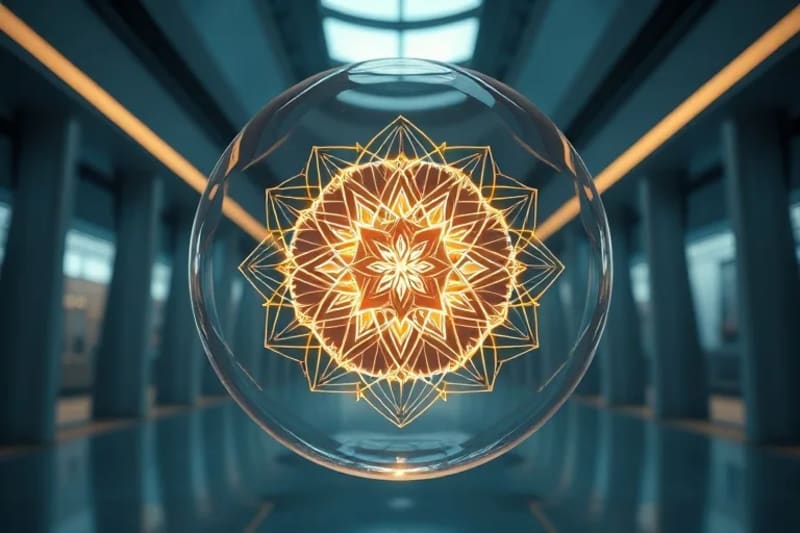
A detailed 3D render of a glowing sacred geometry symbol, serving as an energetic focal point within a clean, modern architectural interior.
Another critical area is EMF harmonization. With the proliferation of electronic devices, Wi-Fi, and cellular towers, our environments are saturated with electromagnetic fields. While the physical effects are debated, Biogeometry aims to harmonize the qualitative aspects of these fields, making them biologically compatible rather than simply blocking them. This is achieved through the use of specific Biogeometry shapes and devices.
Beyond environmental applications, Biogeometry can also be applied for personal wellness. Pendants, tuning forks, and other personal tools are designed to balance the body's energy system, leading to improvements in sleep quality, concentration, emotional stability, and overall vitality. These devices interact with the body's subtle energy field, promoting a state of equilibrium.
Furthermore, Biogeometry has shown promising results in agricultural applications. By placing Biogeometry shapes in fields or near water sources, farmers have reported enhanced plant growth, increased crop yields, reduced need for pesticides, and improved resistance to disease. This suggests a profound interaction between these energy qualities and the biological processes of plants.
Scientific Perspectives and Research
While Biogeometry operates in the realm of subtle energies, its founder, Dr. Ibrahim Karim, has consistently sought to validate its effects through scientific methodology. The field is considered an emerging science, bridging ancient wisdom with modern physics and biology.
Research has been conducted in various areas, including the impact of Biogeometry on water quality, plant growth, and human physiological responses. For example, studies have explored how Biogeometry shapes can alter the crystalline structure of water, suggesting a profound influence on its energetic properties. Other investigations have looked into the effects on brainwave patterns and stress responses in individuals exposed to harmonized environments.
"The Biogeometry research program has focused on developing a new physics of quality, integrating qualitative measurements into scientific methodology. This approach allows for the study of subtle energy interactions that are often overlooked by conventional quantitative methods."
- Dr. Ibrahim Karim, Founder of Biogeometry
One notable project involved the application of Biogeometry in a Swiss village, Hemberg, which suffered from significant health issues attributed to geopathic stress. After the implementation of Biogeometry energy-balancing solutions, reports indicated a significant improvement in the health and well-being of the residents, as documented by local authorities.
Despite these promising results, the scientific community often views subtle energy research with skepticism due to the challenges in standardizing measurements and replicating results using conventional instruments. However, proponents argue that new paradigms and measurement tools are necessary to fully understand these phenomena, emphasizing the qualitative nature of energy rather than just its quantitative aspects. This ongoing research aims to provide a more comprehensive understanding of how form interacts with living energy systems.
Implementing Biogeometry Principles
For individuals interested in applying Biogeometry and sacred space design principles, there are several pathways, ranging from simple personal adjustments to professional consultations. The goal is to consciously introduce harmonizing energies into your immediate environment.
A foundational step is to become more aware of your environment and how it makes you feel. Pay attention to areas where you feel drained or energized. Simple changes, such as decluttering, introducing natural plants, or optimizing natural light, can already make a difference. These practices align with basic principles of energy flow and visual harmony.
- Personal Harmonization Tools: Utilize Biogeometry pendants, cubes, or other personal devices designed to balance your individual energy field. These are often worn or kept close to the body.
- Home and Office Solutions: Implement Biogeometry shapes or systems in specific areas of your home or office to neutralize geopathic stress, harmonize EMFs, and enhance overall vitality. These can be discreetly integrated into the decor.
- Professional Consultation: For comprehensive energetic balancing, consider consulting a certified Biogeometry practitioner. They can conduct a detailed energy assessment of your space and recommend tailored solutions.
- DIY Sacred Geometry: Incorporate sacred geometric patterns into your decor, art, or even garden design. While not directly Biogeometry, these forms inherently carry harmonizing qualities.
- Natural Elements: Bring in natural elements like crystals, plants, and water features. These elements naturally emit beneficial frequencies and help ground the space. For more on how to align with cosmic rhythms, explore Tarot Quantum Mechanics Intersecting Divination Reality.
The key is intentionality. Every choice, from the color of your walls to the placement of a plant, contributes to the energetic signature of your space. By making conscious decisions guided by these principles, you can create an environment that actively supports your well-being.
Benefits of Harmonized Spaces
The benefits of living and working in energetically harmonized spaces are far-reaching, impacting various aspects of life. From improved physical health to enhanced spiritual connection, the qualitative shift in an environment can be transformative.
One of the most commonly reported benefits is improved physical well-being. Individuals often experience better sleep, reduced chronic fatigue, and a stronger immune system when their environment is free from disruptive energies. The body's natural healing mechanisms are better supported in a balanced energetic field.
Emotionally, harmonized spaces can foster a greater sense of peace, calm, and emotional stability. Anxiety and stress levels may decrease, leading to improved mood and overall psychological resilience. The environment becomes a sanctuary that nurtures emotional balance.
On a mental level, many report enhanced clarity, focus, and creativity. A balanced energetic environment can reduce mental fog and distractions, allowing for deeper concentration and more innovative thinking. This is particularly beneficial for learning and creative professions.
Beyond individual benefits, the application of these principles can contribute to planetary wellness. By harmonizing local energy fields, we contribute to a larger network of balanced energies, potentially impacting ecosystems and the collective consciousness. This holistic view underscores the interconnectedness of all life, a concept also explored in Advanced Planetary Aspects: Trines, Sextiles, Quincunxes.
Conclusion: A Path to Holistic Wellness
Biogeometry and sacred space design represent a powerful paradigm shift in how we interact with our environments. By recognizing that spaces possess subtle energy qualities that profoundly affect our well-being, we can move beyond purely functional or aesthetic considerations to create truly life-enhancing surroundings.
From neutralizing harmful geopathic stress and electromagnetic fields to fostering emotional balance and spiritual connection, the intentional design of our spaces offers a path to holistic wellness. This approach, rooted in ancient wisdom and validated by modern scientific inquiry, empowers us to become active co-creators of our reality, shaping environments that resonate with vitality and harmony.
Embracing Biogeometry and sacred space design is an investment in our health, happiness, and the well-being of the planet. It encourages a deeper connection to the subtle forces of nature and a conscious effort to live in energetic alignment with the universal principles of harmony.
Frequently Asked Questions
Here are some common questions regarding Biogeometry and sacred space design:
What is the main difference between Biogeometry and Feng Shui?
While both aim to harmonize environments, Biogeometry focuses on detecting and emitting a specific universal energy quality (BG3) using geometric shapes to neutralize harmful energies directly. Feng Shui is a broader system that organizes space based on energy flow (chi), cardinal directions, and elemental balance, often using symbolic remedies and adjustments.
Can Biogeometry really protect against EMF radiation?
Biogeometry doesn't block EMF radiation. Instead, it aims to qualitatively harmonize the energetic impact of EMFs, making them biologically compatible with living systems. This means that while the radiation may still be present, its disruptive effect on the body's energy field is mitigated, promoting a state of balance.
Source: Hybrid content assisted by AIs and human editorial supervision.


Comments
Post a Comment