
Feng Shui Urban Geomancy City Dwellings Cosmic
In our increasingly urbanized world, the quest for harmony and balance within our living spaces has never been more pertinent. Many city dwellers find themselves disconnected from nature, struggling with stress, and yearning for a sense of peace amidst the concrete jungle. This is where the ancient wisdom of Feng Shui and the lesser-known discipline of urban geomancy offer profound insights. These practices, originating from ancient China, provide a framework for understanding how our built environments interact with natural energies, offering practical solutions to create more supportive and vibrant urban dwellings.
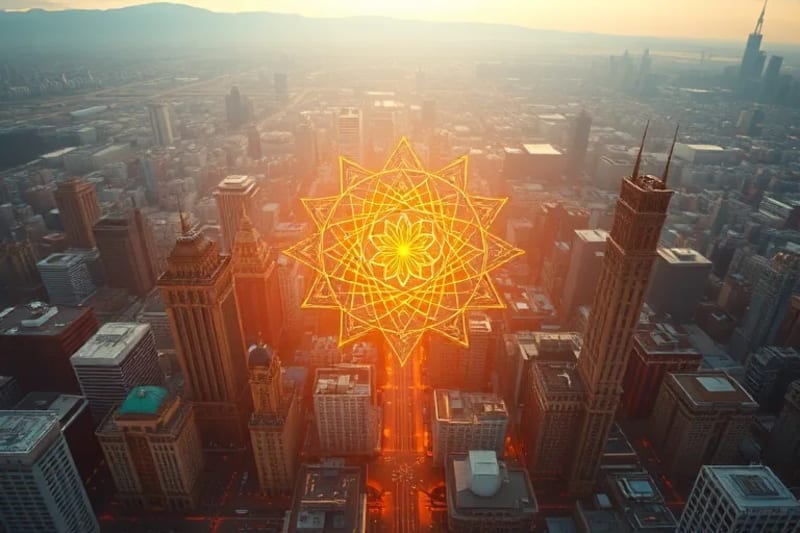
Precursors intellectuales, diagramas fundamentales y representaciones conceptuales que forjaron la visión de [Nombre del Personaje] sobre [Tema Central]
Fuente visual sujeta a disponibilidad del ecosistema: Wikimedia Commons bajo licencia CC BY-SA 4.0 o renderizado conceptual IA.
Feng Shui, literally meaning "wind-water," is an ancient Chinese art and science that studies how to balance the energies of any given space to ensure health and good fortune for the people inhabiting it. It's about arranging buildings, objects, and space in an environment to achieve harmony and flow. Urban geomancy, while closely related, extends these principles to the broader urban landscape, examining how city planning, architecture, and infrastructure influence the energetic well-being of its inhabitants and the city itself. Together, they offer a powerful toolkit for transforming our modern urban lives.
Table of Contents
- Understanding Feng Shui: Ancient Wisdom for Modern Spaces
- The Essence of Urban Geomancy: Reading the City's Energy
- Practical Feng Shui for City Dwellers: Enhancing Your Apartment
- Integrating Geomancy into Urban Planning and Design
- Overcoming Urban Challenges with Cosmic Alignment
- The Future of Harmonious Urban Living
Understanding Feng Shui: Ancient Wisdom for Modern Spaces
At its core, Feng Shui is about managing "Chi" (Qi), the universal life force energy that flows through everything. When Chi flows smoothly and harmoniously, it brings prosperity, health, and happiness. Conversely, stagnant or chaotic Chi can lead to problems. The practice relies on several key principles:
- Yin and Yang: The balance of opposing yet complementary forces. In a home, this means balancing light and dark, soft and hard, quiet and active spaces.
- The Five Elements (Wu Xing): Wood, Fire, Earth, Metal, and Water. These elements interact in productive and destructive cycles, and their balanced representation in a space is crucial for harmony. Understanding these elements can help in harnessing elements for manifestation and creating a balanced environment.
- The Bagua Map: An octagonal grid used to map the nine life areas (wealth, fame, relationships, family, health, children, knowledge, career, helpful people) onto a floor plan, identifying areas that need attention or enhancement.
- Commanding Position: The ideal placement for key furniture (bed, desk, stove) that allows you to see the door without being directly in line with it, giving a sense of security and control.
For city apartments, these principles are adapted to address unique challenges like limited space, shared walls, and external environmental factors. The goal remains the same: to create an environment that supports your well-being and aspirations, turning a mere dwelling into a true home.
The Essence of Urban Geomancy: Reading the City's Energy
Urban geomancy takes a macro view, analyzing the energetic landscape of cities. Just as natural landscapes have mountains (dragons) and rivers (water flows) that channel Chi, cities have their own energetic arteries and nodes. Skyscrapers, road networks, subway lines, parks, and even the direction of prevailing winds all contribute to the city's energetic signature. A city built with geomantic principles in mind aims to foster prosperity and well-being for its inhabitants.
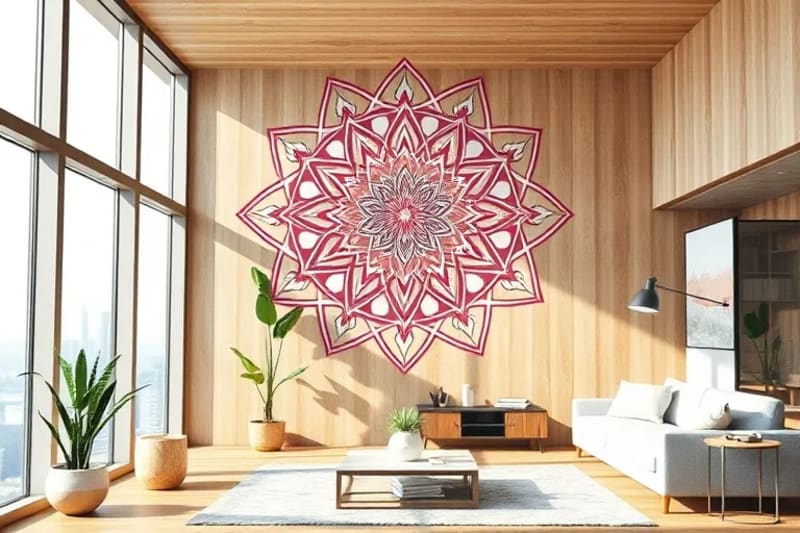
A beautifully arranged urban living space, embodying balance and tranquility through thoughtful design.
Historically, capital cities like Beijing were meticulously planned according to geomantic principles, with palaces, temples, and city gates aligned to auspicious directions and natural features. In modern cities, while explicit geomantic planning is rare, the principles can still be observed and applied. For instance, a long, straight road leading directly to a building can create "Sha Chi" (negative energy), akin to an arrow pointing at it. Similarly, the presence of green spaces and water bodies can enhance the flow of positive Chi, contributing to the overall Feng Shui and Chi well-being of an area.
Understanding urban geomancy helps us choose better locations for our homes and businesses, or at least mitigate the negative energetic influences of our surroundings. It encourages us to see the city not just as a collection of buildings, but as a living, breathing entity with its own energetic pulse.
Practical Feng Shui for City Dwellers: Enhancing Your Apartment
Applying Feng Shui in a city apartment requires creativity and adaptation. Here are some practical tips:
- The Entryway (Mouth of Chi): This is where energy enters your home. Keep it clear, well-lit, and inviting. Add a mirror (not directly facing the door) to expand the space, or a plant to bring in life force.
- Living Room: Arrange furniture to encourage conversation and flow. Ensure there's a commanding position for the main seating. Incorporate elements that represent the five elements (e.g., wood furniture, metal accents, water features, earthy tones, candles for fire).
- Bedroom: Focus on tranquility and rest. Place your bed in a commanding position. Avoid electronics, clutter, and mirrors facing the bed. Use soft lighting and calming colors. The principles of Venus in Houses can also offer insights into creating a loving and harmonious personal space.
- Kitchen: The heart of health and wealth. Keep it clean and organized. Ensure the stove (representing wealth) is in good working order and not directly opposite a sink or refrigerator (water and fire conflict).
- Dealing with External Sha Chi: If your apartment faces a busy road, a sharp corner of another building, or a cell tower, use remedies like curtains, plants, or a Bagua mirror (used externally) to deflect negative energy.
- Clutter Control: Clutter creates stagnant Chi. Regularly declutter and organize your space to allow energy to flow freely.
- Natural Elements: Bring nature indoors with plants, natural materials (wood, stone), and natural light.
Integrating Geomancy into Urban Planning and Design
While traditional geomancy might not be explicitly taught in modern urban planning schools, its underlying principles resonate with sustainable and human-centric design. Architects and urban planners can implicitly integrate geomantic wisdom by:
- Considering Topography: Designing with the natural landscape rather than against it, respecting natural water flows and land contours.
- Creating Green Spaces: Incorporating parks, gardens, and tree-lined streets to introduce vital Chi and mitigate the harshness of concrete.
- Optimizing Building Orientation: Considering sun path, prevailing winds, and views to maximize natural light and ventilation, and to avoid creating oppressive shadows or wind tunnels.
- Promoting Walkability and Connectivity: Designing street networks that encourage smooth flow of people and energy, avoiding dead ends or overly complex labyrinths.
- Balancing Elements: Using a variety of materials (wood, stone, metal, water features) in public spaces to create a sense of balance and visual interest.

An intricate visualization of energetic pathways intertwining with the urban fabric, revealing the city's hidden vitality.
These approaches contribute to creating cities that are not only functional but also nurturing and inspiring, fostering a better quality of life for all residents. The subtle energies of a well-planned city can have a profound impact on collective well-being.
Overcoming Urban Challenges with Cosmic Alignment
Urban living presents unique challenges: noise pollution, limited access to nature, high population density, and constant stimulation. Feng Shui and urban geomancy offer strategies to mitigate these issues:
- Noise Reduction: Use heavy curtains, sound-dampening materials, and indoor fountains to create white noise that masks external sounds, promoting a sense of calm.
- Bringing Nature In: Even a small balcony can become a vibrant green space. Indoor plants purify air and bring natural Chi. Consider a small water feature for soothing sounds and energy.
- Creating Boundaries: In open-plan city apartments, use screens, rugs, or furniture arrangement to define distinct areas for work, rest, and social interaction, creating energetic boundaries.
- Managing Electromagnetic Fields (EMFs): While not strictly traditional Feng Shui, minimizing electronics in bedrooms and using natural materials can help reduce exposure to EMFs, which can disrupt personal energy fields.
- Personal Sanctuary: Designate one small area in your apartment as a personal sanctuary for meditation, reading, or quiet reflection. This creates a powerful energetic anchor for peace.
By consciously applying these principles, city dwellers can transform their homes into havens that actively support their physical, mental, and spiritual well-being, counteracting the often draining effects of urban life.
The Future of Harmonious Urban Living
As cities continue to grow and evolve, the integration of ancient wisdom like Feng Shui and urban geomancy becomes increasingly vital. These practices offer a holistic perspective on our relationship with our environment, reminding us that we are not separate from our surroundings but deeply interconnected with them. By aligning our city dwellings with cosmic energies, we can foster healthier, happier, and more prosperous communities.
The future of urban living lies not just in technological advancement, but in a deeper understanding and respect for the energetic fabric of our world. Embracing these timeless principles can help us design and inhabit cities that truly nourish the human spirit, transforming our concrete jungles into vibrant, harmonious ecosystems where both nature and humanity can thrive.
Source: Hybrid content assisted by AI and human editorial supervision.


Comments
Post a Comment