
Psycho-Astrology Jungian Shadow Work Archetypes Wholeness Integration
The intersection of psycho-astrology and Jungian shadow work offers a profound pathway to self-understanding and psychological wholeness. This advanced approach moves beyond superficial interpretations of astrological charts, delving into the deeper, often unconscious, psychological dynamics that shape an individual's life. By integrating the symbolic language of astrology with Carl Jung's concepts of archetypes and the shadow, practitioners can unlock powerful insights into their inner landscape, facilitating a transformative journey towards individuation.
This article explores the theoretical underpinnings and practical applications of combining these two powerful disciplines. We will examine how the birth chart serves as a blueprint for the psyche, revealing both conscious potentials and unintegrated shadow aspects. The ultimate goal is to provide a comprehensive framework for integrating these disparate parts of the self, fostering greater authenticity and psychological resilience.
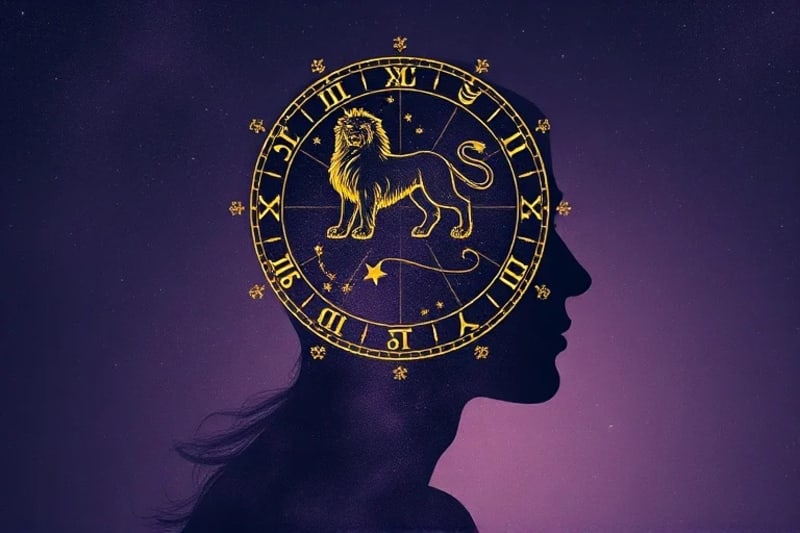
The intricate dance between celestial patterns and the human psyche, revealing paths to integration.
The Synergy of Psycho-Astrology and Jungian Thought
Psycho-astrology is a branch of astrology that interprets the birth chart as a symbolic representation of the individual psyche, rather than merely a predictive tool. It focuses on understanding personality traits, psychological patterns, and developmental potentials. Carl Jung, the pioneering Swiss psychiatrist, developed analytical psychology, which introduced concepts like the collective unconscious, archetypes, and the shadow.
Jung himself explored astrology, recognizing its profound symbolic resonance with his own psychological models. He viewed astrological configurations as symbolic expressions of archetypal patterns within the human psyche, suggesting a synchronistic relationship between celestial events and inner psychological states. This synergy forms the bedrock of an integrative approach to self-discovery.
Astrological Archetypes: A Cosmic Mirror of the Psyche
In psycho-astrology, each component of the birth chart—planets, signs, houses, and aspects—can be understood through an archetypal lens. Planets represent fundamental psychological functions or drives, while signs describe the mode of expression for these functions. Houses indicate the life areas where these energies manifest, and aspects reveal the dynamic interplay and potential conflicts between them.
- The Sun: Corresponds to the Hero or King archetype, representing the conscious ego, identity, and life purpose. Its sign and house placement reveal how one expresses their core self.
- The Moon: Aligns with the Mother or Nurturer archetype, symbolizing emotional needs, security, and the unconscious emotional landscape.
- Mars: Embodies the Warrior or Amazon archetype, indicating drive, assertion, and how one expresses anger or takes action.
- Venus: Reflects the Lover or Artist archetype, governing values, relationships, and aesthetic sensibilities.
- Saturn: Often linked to the Wise Old Man or Father archetype, representing structure, discipline, boundaries, and life lessons.
- Pluto: Corresponds to the Destroyer/Transformer or Underworld God archetype, signifying power, transformation, and unconscious depths.
These archetypal associations provide a rich vocabulary for interpreting the psychological significance of the birth chart. For instance, a prominent Mars in Aries might suggest a strong inner Warrior, while a Venus in Libra could point to a highly developed Lover archetype seeking balance and harmony in relationships. Understanding these foundational elements is crucial for a deeper birth chart analysis.
The Shadow in the Natal Chart: Unearthing Repressed Selves
Jung defined the shadow as the unconscious aspect of the personality that the conscious ego does not identify with. It comprises repressed desires, weaknesses, instincts, and socially unacceptable traits. In astrology, the shadow often manifests through challenging planetary aspects, difficult house placements, or signs whose qualities are actively suppressed or projected onto others.
Symbolic objects reflecting the depths of the unconscious and the journey of shadow integration.
Key astrological indicators for shadow material include:
- Planets in the 12th House: This house is associated with the unconscious, self-undoing, and hidden enemies (often aspects of ourselves). Planets here may represent energies that are difficult to access consciously or are experienced as external forces.
- Challenging Aspects (Squares, Oppositions, Quincunxes): These aspects between planets often highlight areas of internal conflict, tension, or resistance. The qualities of the planets involved may be at odds, leading to suppression of one energy in favor of another. For example, a Mars-Saturn square could indicate repressed anger or a fear of asserting oneself.
- Intercepted Houses: When a sign is entirely contained within a house, its energy may be "intercepted" or difficult to express directly, leading to unconscious patterns. Understanding intercepted houses can reveal hidden potentials.
- Pluto Aspects: Pluto, as the planet of transformation and the unconscious, often points to deep-seated power dynamics, fears, and compulsions that reside in the shadow. Hard aspects to Pluto can reveal intense psychological material that demands integration.
- The Descendant (7th House Cusp): The qualities of the sign on the Descendant, and planets in the 7th house, can reveal what we project onto others, often representing unacknowledged parts of ourselves.
Identifying these astrological signatures provides a roadmap for where to begin the intensive work of shadow integration. It's not about eradicating the shadow, but rather bringing its valuable energy into conscious awareness and expression.
The Process of Shadow Work through Astrological Illumination
Jungian shadow work, guided by astrological insights, involves a multi-stage process:
- Identification: The initial step is to identify potential shadow areas within the birth chart. This involves a careful analysis of challenging aspects, 12th house placements, and planets that seem "difficult" or are consistently projected onto others. For example, if an individual constantly encounters domineering figures, their chart might reveal an unintegrated Mars or Pluto energy that they are projecting.
- Confrontation: Once identified, the individual must consciously confront these repressed parts. This often involves acknowledging uncomfortable truths about oneself, accepting undesirable traits, and recognizing patterns of projection. Astrology provides a symbolic language to frame these confrontations, making them less overwhelming.
- Exploration: Active exploration of the shadow involves journaling, dream analysis (where astrological symbols can often appear), and engaging in creative expression. Understanding the archetypal nature of the shadow (e.g., the "Trickster" in Mercury retrograde, the "Outcast" in a challenging Saturn placement) can provide context and meaning.
- Integration: The ultimate goal is to integrate the shadow into the conscious personality. This doesn't mean acting out negative impulses, but rather acknowledging their existence, understanding their underlying needs, and finding constructive ways to express their energy. For instance, a repressed aggressive Mars energy, once integrated, can become healthy assertiveness and drive.
This process is not linear and often requires courage and persistence. It is a lifelong journey towards greater self-awareness and authenticity, leading to a more robust and resilient self.
Integrating Archetypes for Wholeness: The Path of Individuation
Jung's concept of individuation describes the psychological process of becoming a whole, integrated person, encompassing both conscious and unconscious aspects. Astrology serves as an invaluable roadmap for this journey, highlighting the specific archetypal energies and developmental tasks inherent in an individual's life.
A visual metaphor for psychological integration, where disparate parts coalesce into a unified self.
The integration of archetypes involves recognizing and harmonizing the various "characters" within one's psyche. For example, a person with a strong Saturn might need to integrate their inner "Wise Old Man" with their inner "Child" (perhaps represented by the Moon) to achieve a balanced approach to responsibility and playfulness. The dynamic interplay of astrological modalities (Cardinal, Fixed, Mutable) can also shed light on how these energies are expressed and integrated.
Transits and progressions, which describe the movement of planets over time relative to the natal chart, often activate specific archetypal energies and shadow material. These periods can be challenging, but they also present crucial opportunities for growth and integration. For example, a Pluto transit to a personal planet can bring deep unconscious material to the surface, demanding confrontation and transformation, much like a Saturn Return signifies a period of karmic reckoning and maturation.
The process of individuation, supported by psycho-astrology, leads to:
- Greater Self-Acceptance: Embracing all parts of oneself, including those previously rejected.
- Authenticity: Living in alignment with one's true nature, rather than a constructed persona.
- Psychological Resilience: The ability to navigate life's challenges with greater inner strength and wisdom.
- Meaning and Purpose: A deeper connection to one's unique path and contribution to the world.
Practical Applications and Techniques for Integration
To actively engage in psycho-astrological shadow work and archetype integration, several techniques can be employed:
- Astrological Chart Reading with a Jungian Lens: Seek out a psycho-astrologer who can interpret your natal chart through the framework of Jungian psychology, identifying key archetypes, shadow indicators, and developmental tasks.
- Journaling and Active Imagination: Use your birth chart as a prompt for journaling. Explore the stories and feelings associated with challenging aspects or planets in the 12th house. Engage in active imagination by personifying planetary energies or archetypes and dialoguing with them.
- Dream Analysis: Pay attention to dreams, as they often reveal unconscious material. Astrological symbols (e.g., planets, signs, houses, mythological figures associated with them) can appear in dreams, offering clues to unintegrated archetypes or shadow content.
- Creative Expression: Engage in art, music, dance, or writing to express and explore the energies of your chart. This can be a powerful way to bring unconscious material into conscious form.
- Mindfulness and Self-Observation: Cultivate a practice of observing your thoughts, emotions, and reactions without judgment. Notice when you project certain qualities onto others, as this often indicates unacknowledged shadow aspects within yourself.
- Therapy or Coaching: Working with a therapist or coach who understands both Jungian psychology and astrology can provide invaluable support and guidance through this complex process.
The journey of integrating one's astrological blueprint with the depths of the Jungian unconscious is a profound commitment to self-mastery. It is a path that promises not just self-knowledge, but also a deeper connection to the collective human experience and a more authentic, fulfilling life.
Ethical Considerations and Navigating the Depths
While the integration of psycho-astrology and Jungian shadow work offers immense benefits, it is crucial to approach this path with ethical awareness and a grounded perspective. Over-identification with astrological placements or archetypes can lead to fatalism or a sense of being predetermined, undermining the importance of free will and personal responsibility.
It is vital to remember that the birth chart is a map, not a destiny. It highlights potentials and challenges, but the individual's conscious choices and efforts ultimately shape their journey. The shadow, while containing difficult truths, also holds immense creative energy and untapped potential. The aim is not to eliminate it, but to integrate it, transforming perceived weaknesses into strengths and fostering a more complete self. This nuanced approach ensures that the pursuit of wholeness remains empowering and constructive.
This advanced methodology provides a robust framework for personal evolution, inviting individuals to embrace their entire psychological spectrum—light and shadow, conscious and unconscious—to achieve a state of profound psychological wholeness and self-realization.
Related Searches & Further Exploration
Deepen your understanding of self and cosmos:
- Esoteric Numerology: Decoding Karmic Debt, Soul Contracts
- 2nd House Astrology: Wealth, Values, Self-Worth Insights
- Dream Interpretation Dictionary: Unlocking Subconscious Messages
- Biophilic Manifestation: Nature's Blueprint Abundance Harmony
- Emerald Tablet Manifestation Hermetic Quantum Transformation
- Conscious Coupling: Law Attraction Soulmate Synastry Guide
- AI Spiritual Guidance: Ethics, Futures, Intuitive Tools
- Cimática Geometría Sagrada: Sanación Vibracional Sonido Formas
- Profecías Ciencia Cuántica: Resonancia Espiritual Materia Tiempo
Source: Hybrid content assisted by AI and human editorial supervision.


Comments
Post a Comment