
Techno-Shamanism Virtual Reality Ancient Rituals Healing
In an increasingly digital world, the quest for spiritual connection and holistic well-being often leads us to explore innovative paths. One such emerging frontier is techno-shamanism, a fascinating convergence of ancient wisdom and cutting-edge technology. This paradigm seeks to integrate traditional shamanic practices with digital tools, particularly virtual reality, to facilitate profound experiences of energy healing and consciousness expansion.
Techno-shamanism proposes that technology, rather than being a distraction from the spiritual, can serve as a powerful conduit for accessing altered states of consciousness and engaging with energetic realms. By leveraging virtual reality, biofeedback, and other digital interfaces, practitioners aim to create immersive environments that replicate or enhance the transformative journeys traditionally undertaken by shamans.
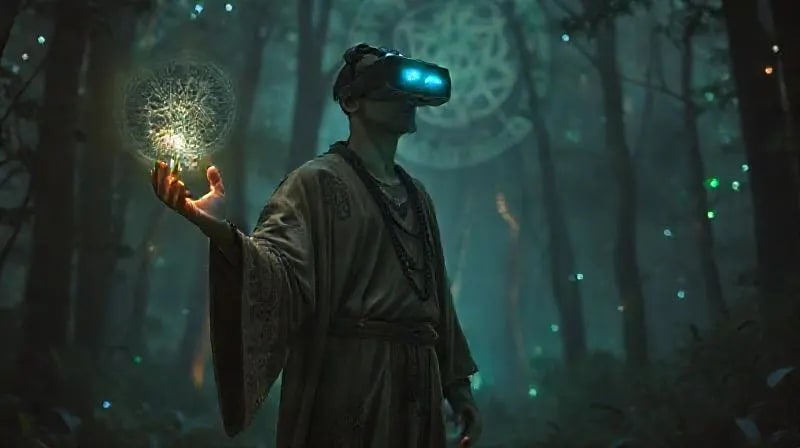
Precursors, conceptual representations, and visionary paradigms that forged the understanding of Techno-Shamanism in the digital age.
Fuente visual sujeta a disponibilidad del ecosistema: Wikimedia Commons bajo licencia CC BY-SA 4.0 o renderizado conceptual IA.
Table of Contents
- The Dawn of Techno-Shamanism: A Synthesis of Eras
- Understanding Shamanism in a Digital Age
- Virtual Reality as a Portal to Altered States
- Digital Tools for Energy Healing and Consciousness Expansion
- Ethical Considerations and Responsible Integration
- The Future Landscape of Spiritual Technology
The Dawn of Techno-Shamanism: A Synthesis of Eras
Techno-shamanism represents a bold step in the evolution of spiritual practices, bridging ancient traditions with modern technological advancements. It acknowledges the enduring human need for meaning, healing, and connection to something larger than oneself, even as our environment becomes increasingly digital.
This interdisciplinary field draws from anthropology, psychology, computer science, and spiritual wisdom. It explores how immersive digital experiences can facilitate states of consciousness conducive to healing, insight, and personal transformation, echoing the purposes of traditional shamanic journeys.
The core idea is not to replace traditional practices but to augment them, making spiritual exploration accessible and relevant to contemporary individuals. By using technology, we can simulate complex environments and sensory inputs that might otherwise be unavailable, offering new avenues for self-discovery and energetic rebalancing.
Understanding Shamanism in a Digital Age
Traditional shamanism, practiced across diverse cultures for millennia, involves a practitioner entering altered states of consciousness to interact with the spirit world. These interactions are typically for healing, divination, or guiding community members. The shaman acts as a bridge between the physical and non-physical realms.
Key elements of shamanic practice include drumming, chanting, ritual, and the use of entheogenic plants to induce trance states. In these states, shamans report journeys to other dimensions, encounters with spirit guides, and the retrieval of lost soul fragments or healing energies. The goal is always to restore balance and harmony.
Techno-shamanism seeks to emulate these experiences using digital means. Instead of a drum, rhythmic binaural beats might be used; instead of sacred plants, a VR headset might transport the user to a digitally rendered sacred grove. The underlying intention remains the same: to access deeper layers of reality for healing and insight.
Virtual Reality as a Portal to Altered States
Virtual reality (VR) offers an unparalleled capacity for immersion, making it a prime tool for techno-shamanic exploration. By engaging multiple senses simultaneously, VR can create convincing illusions of presence in environments far removed from physical reality. This immersion is crucial for inducing altered states.
In a VR environment, users can be guided through visualizations designed to evoke specific emotional or spiritual responses. Imagine a journey through a vibrant, pulsating energy field, or an encounter with a symbolic animal guide within a meticulously crafted digital landscape. These experiences can be highly personalized and repeatable.
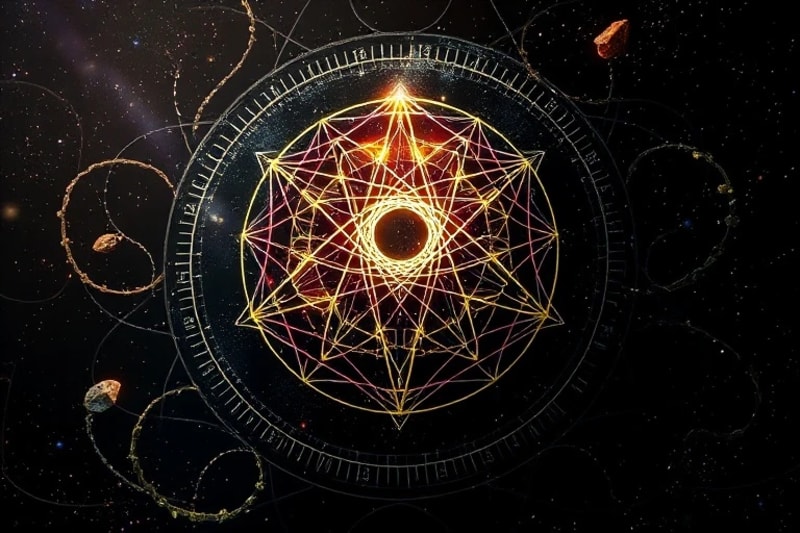
Digital sigils and conceptual tools for energetic manifestation and healing.
The ability of VR to bypass the conscious mind's filters and directly influence perception makes it a powerful tool for therapeutic applications. It can be used to reduce anxiety, manage pain, and even process trauma by creating safe, controlled environments for exploration and healing. For those interested in symbolic representations for manifestation, understanding Sigil Magic: Powerful Symbols for Manifestation can provide a complementary perspective on how intention is translated into form, whether digital or physical.
Moreover, VR can be integrated with biofeedback systems, allowing the user's physiological responses (heart rate, brainwaves) to influence the virtual environment. This creates a feedback loop where internal states directly shape the external experience, deepening the sense of agency and connection during a healing session.
Digital Tools for Energy Healing and Consciousness Expansion
Beyond virtual reality, a range of digital tools are being adapted for energy healing and consciousness work. These technologies often leverage principles of sound, light, and frequency to influence brainwave states and energetic fields.
- Binaural Beats and Isochronic Tones: These auditory stimuli create a frequency difference in the brain, encouraging specific brainwave states (e.g., theta for meditation, delta for deep sleep). They can facilitate relaxation, focus, or altered states of consciousness, similar to rhythmic drumming in traditional shamanism.
- Light and Sound Machines: Devices that use flashing lights and pulsating sounds to entrain brainwaves, guiding the user into meditative or hypnagogic states. These can be particularly effective when combined with guided visualizations.
- Biofeedback and Neurofeedback: These systems provide real-time information about physiological processes (like heart rate variability or brainwave patterns), allowing individuals to learn to consciously regulate their internal states. This self-regulation is a cornerstone of many healing practices.
- Augmented Reality (AR): While VR creates fully immersive worlds, AR overlays digital information onto the real world. This could be used to visualize energetic fields around the body, or to project sacred geometry onto physical spaces, enhancing ritualistic practices in a tangible way.
The application of these tools in a structured, intentional way can create powerful experiences. For instance, a daily practice incorporating specific sound frequencies and guided visualizations within a digital environment can become a form of Daily Cosmic Rituals: Harmonizing Modern Spirituality, fostering consistent spiritual growth and energetic alignment.
Ethical Considerations and Responsible Integration
As with any powerful tool, the integration of technology into spiritual practices raises important ethical questions. The potential for misuse, commercial exploitation, or the creation of superficial experiences must be carefully considered. Responsible development and application are paramount.
The ethical framework for techno-shamanism must prioritize user well-being, informed consent, and the preservation of genuine spiritual intent. Developers and practitioners should adhere to principles of transparency and avoid making unsubstantiated claims about healing outcomes.
Just as in traditional healing modalities, the integrity of the practitioner and the safety of the participant are non-negotiable. This echoes the principles discussed in Ethical Psychic Readings: Guide to Integrity, emphasizing honesty and responsibility in spiritual services.
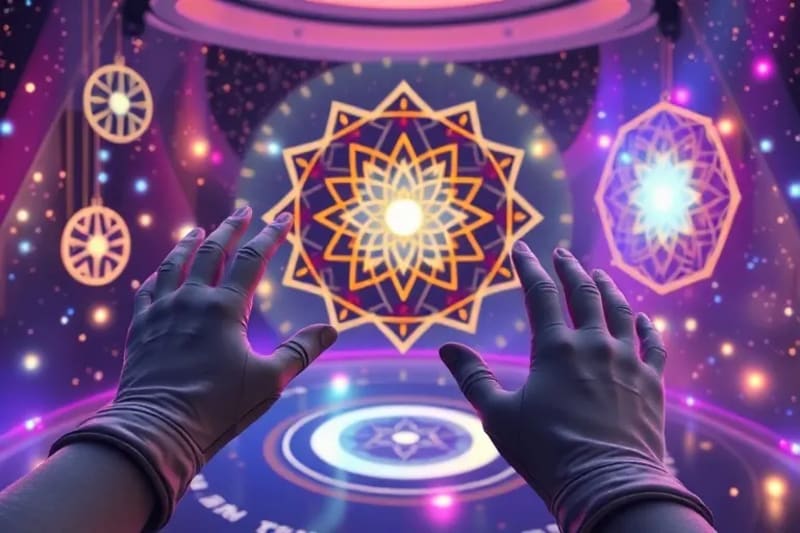
Abstract representations of virtual healing environments and interactive digital tools.
Furthermore, it is essential to ensure that these technologies do not inadvertently appropriate or dilute the rich cultural heritage of traditional shamanic practices. Respect for indigenous knowledge and collaboration with traditional healers, where appropriate, can help guide the development of techno-shamanism in a respectful and beneficial manner.
The concept of Adaptive Leadership: Managing Change in Volatile Environments, while originating in organizational theory, offers valuable insights here. Adapting ancient spiritual practices to volatile technological landscapes requires flexible, ethical leadership that honors tradition while embracing innovation, ensuring the core principles of healing and growth remain intact.
The Future Landscape of Spiritual Technology
The future of techno-shamanism is ripe with possibilities. As VR and other immersive technologies become more sophisticated and accessible, their potential for facilitating deep spiritual experiences will only grow. We may see personalized AI guides, haptic feedback systems that simulate energetic sensations, and even brain-computer interfaces for direct interaction with digital sacred spaces.
This evolving field could offer new avenues for mental health support, personal development, and collective spiritual awakening. Imagine therapeutic VR environments tailored to individual psychological needs, or global meditation events conducted in shared virtual realities, fostering a sense of interconnectedness on an unprecedented scale.
Ultimately, techno-shamanism is not about replacing human connection or traditional wisdom, but about expanding the tools available for spiritual exploration. It invites us to consider how technology, when wielded with intention and respect, can serve as a powerful ally in our ongoing journey toward healing, understanding, and enlightenment.
Explore More on StarPluto
Karmic Relationships
Understand soul connections and past life dynamics.
North Node South Node OverlaysSource: Hybrid content assisted by AI and human editorial supervision.


Comments
Post a Comment