
Zodiac Myths Archetypes: Ancient Wisdom Self-Discovery Journeys
The zodiac, often reduced to daily horoscopes, holds a far deeper significance rooted in ancient myths and archetypal wisdom. These celestial narratives, passed down through millennia, offer profound insights into the human psyche and our journey of self-discovery. Far from mere predictions, zodiac myths serve as timeless guides, reflecting universal patterns of behavior, challenges, and potentials inherent in every individual.
Integrating this ancient wisdom into modern life can unlock new pathways for personal growth and understanding. By exploring the mythological underpinnings of each zodiac sign, we gain a richer vocabulary for comprehending our inherent strengths, confronting our shadows, and navigating the complexities of our existence. This article delves into the archetypal power of zodiac myths, offering a framework for a more informed and conscious self-discovery journey.
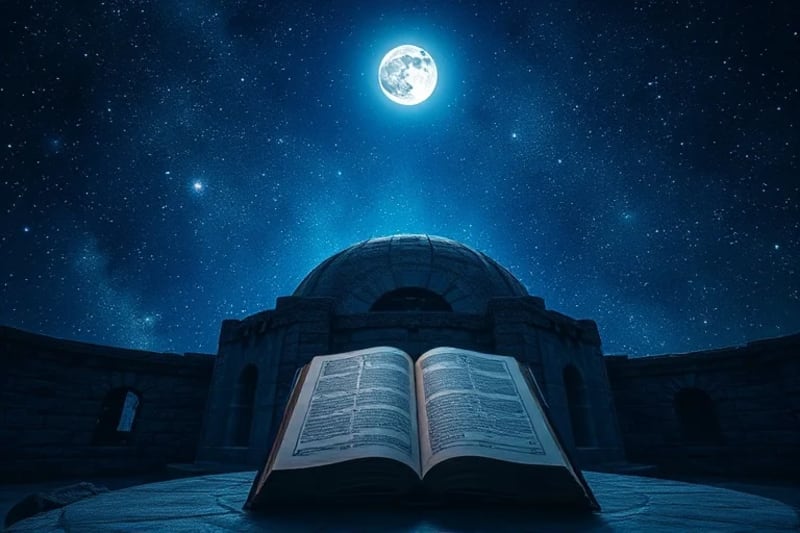
A glimpse into ancient observatories, where celestial patterns inspired profound zodiac myths and archetypal narratives.
The concept of archetypes, popularized by Carl Jung, posits that humanity shares a collective unconscious filled with universal symbols and images. Zodiac myths are prime examples of these archetypes, embodying fundamental human experiences and psychological dynamics. Understanding these myths allows us to see our personal stories reflected in grand, cosmic narratives, providing context and meaning to our individual struggles and triumphs.
Table of Contents
- Understanding Zodiac Archetypes: Beyond Daily Horoscopes
- The Mythological Roots of Each Zodiac Sign
- Integrating Ancient Wisdom: Practical Self-Discovery Tools
- Shadow and Light: Embracing the Full Spectrum of Archetypes
- Zodiac Myths in Modern Psychology: A Jungian Perspective
- Navigating Life's Challenges with Archetypal Insight
- The Evolutionary Journey: Zodiac Myths as Guides for Growth
Understanding Zodiac Archetypes: Beyond Daily Horoscopes
To truly grasp the power of zodiac myths, we must first distinguish them from the often-superficial daily horoscopes. While horoscopes offer generalized predictions, archetypes delve into the fundamental patterns of human experience. Each zodiac sign is not merely a collection of traits but a living archetype, representing a core human drive, challenge, or mode of being.
An archetype, in the Jungian sense, is a universal, archaic pattern and image that derives from the collective unconscious. These patterns are inherited and manifest in our dreams, myths, religions, and art. The zodiac signs, with their rich mythological backstories, perfectly embody these universal themes. For instance, Aries embodies the archetype of the Warrior or Pioneer, while Libra represents the archetype of the Peacemaker or Diplomat.
By understanding our birth sign's core archetype, we gain a deeper appreciation for our innate tendencies and motivations. This understanding moves beyond simple personality descriptions, offering a framework for psychological exploration and personal development. It encourages us to engage with the symbolic language of the cosmos, recognizing its echoes within our own lives.
The Mythological Roots of Each Zodiac Sign
Each of the twelve zodiac signs is steeped in rich mythological narratives, primarily from Greek and Roman traditions, though influences from Babylonian and Egyptian astronomy are also present. These myths provide the symbolic language through which each sign's archetype is expressed. Exploring these stories helps us connect with the deeper meaning behind our astrological placements.

An artistic rendering of the cosmic tapestry, where various zodiac symbols intertwine, reflecting their profound archetypal connections.
For example, Aries is linked to the myth of the Golden Ram, whose fleece was sought by Jason and the Argonauts. This tale emphasizes courage, initiative, and the pioneering spirit. Taurus, represented by the Bull, often connects to the myth of Zeus transforming into a white bull to abduct Europa, symbolizing earthly desires, fertility, and steadfastness. Gemini, the Twins, is associated with Castor and Pollux, highlighting duality, communication, and brotherhood.
Cancer, the Crab, is tied to the myth of the crab that attacked Hercules during his battle with the Lernaean Hydra, representing nurturing, protection, and emotional depth. Leo, the Lion, is famously linked to the Nemean Lion slain by Hercules, symbolizing strength, leadership, and a need for recognition. Virgo, the Maiden, is often associated with Persephone or Astraea, goddesses of harvest and justice, signifying purity, service, and analytical discernment.
Libra, the Scales, is the only inanimate sign, representing Themis, the goddess of justice, emphasizing balance, harmony, and relationships. Scorpio, the Scorpion, is connected to the myth of Orion and the scorpion that killed him, symbolizing intensity, transformation, and hidden power. Sagittarius, the Archer, is linked to the centaur Chiron, a wise healer and teacher, representing wisdom, exploration, and truth-seeking.
Capricorn, the Sea-Goat, is associated with Pan, who transformed into a sea-goat to escape Typhon, symbolizing ambition, discipline, and achievement. Aquarius, the Water Bearer, is often linked to Ganymede, the cup-bearer to the gods, representing innovation, humanitarianism, and intellectual freedom. Finally, Pisces, the Fish, is connected to Aphrodite and Eros, who transformed into fish to escape Typhon, symbolizing compassion, spirituality, and intuition.
These stories are not just ancient tales; they are psychological blueprints. They illustrate the archetypal journey of the soul, providing context for our own experiences. By reflecting on these myths, we can identify with the challenges and triumphs of these archetypal figures, drawing strength and understanding for our personal paths.
Integrating Ancient Wisdom: Practical Self-Discovery Tools
Understanding zodiac archetypes is the first step; integrating this wisdom into daily life is where true self-discovery begins. This process involves conscious reflection and practical application. It's about recognizing how these ancient patterns manifest in your personality, relationships, and life choices.
- Journaling and Self-Reflection: Dedicate time to journal about your zodiac archetype. How do its core traits resonate with you? What aspects of its myth do you see playing out in your life? This practice fosters deeper self-awareness.
- Archetypal Meditation: Visualize the mythological figures associated with your sign. What lessons do they offer? How can you embody their positive qualities or learn from their struggles? This can be a powerful tool for inner guidance.
- Observing Patterns: Pay attention to recurring themes or challenges in your life. Do they align with the inherent struggles or strengths of your zodiac archetype? Recognizing these patterns can help you break free from limiting cycles.
- Creative Expression: Engage in creative activities that reflect your sign's archetype. For an Aries, this might be a new athletic pursuit; for a Libra, it could be exploring art or design. Creative outlets allow for authentic expression of your core self.
By actively engaging with your zodiac archetype, you transform it from a static label into a dynamic guide. This integration helps you align with your authentic self and make choices that are in harmony with your deeper nature. It’s a continuous process of learning and evolving.
Shadow and Light: Embracing the Full Spectrum of Archetypes
Every archetype, including those represented by the zodiac signs, possesses both light and shadow aspects. The light qualities are those we typically celebrate: courage, compassion, intelligence. The shadow qualities are the less desirable traits: arrogance, insecurity, impulsiveness. True self-discovery involves acknowledging and integrating both.
For example, the Aries archetype's light side is pioneering spirit and bravery, but its shadow can manifest as recklessness or aggression. Libra's light is balance and diplomacy, while its shadow might be indecisiveness or people-pleasing. Ignoring these shadow aspects does not make them disappear; instead, they often manifest unconsciously, sabotaging our efforts and relationships.

A conceptual still-life depicting an antique compass on a map of constellations, symbolizing guidance on a journey of exploration and self-discovery.
Zodiac myths often depict heroes and gods grappling with their own flaws and imperfections. Hercules, a figure often associated with Leo, faced immense challenges partly due to his own pride and impulsiveness. These stories teach us that growth comes from confronting our inner demons, not from pretending they don't exist. This process, known as shadow work, is crucial for holistic self-development.
Embracing the full spectrum of your zodiac archetype means understanding your potential for both greatness and struggle. It allows for a more compassionate and realistic view of yourself and others. This acceptance fosters psychological maturity and resilience, enabling you to navigate life's complexities with greater awareness and integrity.
Zodiac Myths in Modern Psychology: A Jungian Perspective
Carl Jung's groundbreaking work on archetypes provides a robust psychological framework for understanding the enduring relevance of zodiac myths. Jung believed that the collective unconscious, a reservoir of universal experiences and images, is shared by all humanity. Zodiac myths, with their consistent themes across cultures, are powerful expressions of this collective heritage.
From a Jungian perspective, each zodiac sign represents a specific archetypal pattern that influences our personality and life trajectory. When we identify with our sun sign's archetype, we are tapping into a universal pattern of human experience. This can help us understand our drives, fears, and aspirations not just as personal quirks, but as expressions of deeper, shared human experiences.
The process of individuation, central to Jungian psychology, involves integrating various aspects of the psyche, including the shadow. Zodiac myths offer narratives of heroes and heroines who embark on similar journeys, confronting challenges and undergoing transformations. By studying these myths, individuals can find guidance and inspiration for their own paths toward wholeness and self-realization.
Moreover, Jung's concept of synchronicity—meaningful coincidences—can be seen in how astrological timings often align with significant life events. While not deterministic, this suggests a deeper interconnectedness between the cosmic and the personal. Zodiac myths provide a symbolic language to interpret these synchronicities, offering profound insights into our psychological development and destiny.
Navigating Life's Challenges with Archetypal Insight
Life is replete with challenges, and zodiac myths offer a unique lens through which to understand and overcome them. By recognizing the archetypal patterns at play, we can approach difficulties with greater awareness and strategic insight. Each sign's myth presents a narrative of struggle and triumph, providing a blueprint for navigating our own obstacles.
For example, if you are a Cancer, understanding the protective nature of the Crab can help you recognize when you are retreating into your shell too much or, conversely, when you need to strengthen your emotional boundaries. For a Leo, acknowledging the Nemean Lion myth can inspire you to assert your leadership while also guarding against excessive pride or a need for constant admiration.
This archetypal insight extends to relationships. Understanding the core archetypes of your partners, friends, or family members can foster greater empathy and communication. Recognizing a partner's Sagittarian quest for truth, for instance, can help you appreciate their need for freedom and intellectual exploration, even if it differs from your own approach.
In career and personal development, archetypes can illuminate your natural talents and areas for growth. A Virgo might excel in analytical roles but need to work on perfectionism. A Pisces might thrive in creative or healing professions but struggle with boundaries. By consciously working with these archetypal energies, individuals can harness their strengths and mitigate their weaknesses, leading to more fulfilling outcomes.
The Evolutionary Journey: Zodiac Myths as Guides for Growth
The zodiac itself can be viewed as an evolutionary cycle, beginning with the impulsive energy of Aries and culminating in the universal compassion of Pisces. Each sign represents a stage in the human journey of development, offering lessons and opportunities for growth. Understanding this progression provides a holistic view of personal evolution.
As we move through life, we encounter different archetypal energies, sometimes those of our own sign, and sometimes those of other signs that challenge or complement us. These interactions are not random; they are part of our unique evolutionary path. The myths provide a narrative context for these experiences, helping us to see purpose in our struggles and meaning in our triumphs.
The hero's journey, a common mythological structure, is mirrored in the zodiacal progression. From the initial call to adventure (Aries) to confronting inner demons (Scorpio) and ultimately returning with new wisdom (Pisces), each sign offers a phase of this universal journey. By recognizing where we are in our own hero's journey, we can better understand the challenges we face and the growth that is being asked of us.
Ultimately, zodiac myths are not about external fate but about internal transformation. They invite us to engage with the symbolic language of the cosmos, to recognize the universal patterns within our individual lives, and to consciously participate in our own evolution. This integration of ancient wisdom offers a powerful framework for continuous self-discovery and meaningful personal growth in the modern world.
By embracing the archetypal richness of the zodiac, we transcend superficial interpretations and tap into a profound source of guidance. This journey of understanding allows us to live more authentically, navigate challenges with greater resilience, and ultimately, discover the full potential of our unique human experience. The stars, through their ancient stories, continue to light our path.
Fuente: Contenido híbrido asistido por IAs y supervisión editorial humana.


Comments
Post a Comment