
Chinese Zodiac Tea Rituals: Elemental Harmony Wellness
Chinese Zodiac Tea Rituals: Harmonizing Elemental Energies for Daily Wellness
The practice of tea drinking in Chinese culture transcends mere beverage consumption; it is a profound ritual deeply intertwined with philosophy, medicine, and spiritual well-being. When combined with the ancient wisdom of the Chinese Zodiac and its elemental energies, tea rituals transform into a personalized pathway to daily wellness and inner harmony. This guide explores how to integrate these powerful traditions to cultivate a balanced and vibrant life.
Understanding the interplay between your zodiac animal, its associated element, and the properties of various teas allows for a bespoke approach to self-care. This holistic perspective offers a unique framework for enhancing physical vitality, emotional stability, and mental clarity. By consciously choosing and preparing teas that resonate with your elemental constitution, you can proactively address imbalances and fortify your natural strengths.
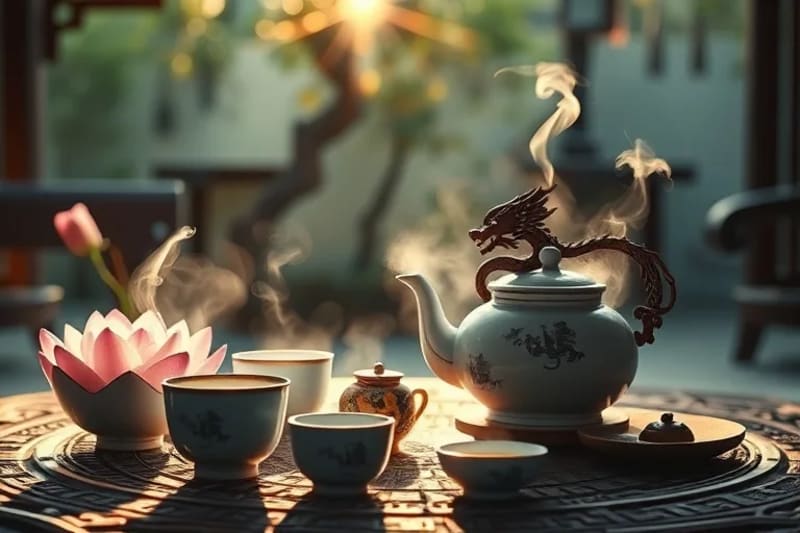
Embrace the tranquility of a traditional Chinese tea ceremony, a gateway to elemental balance and daily wellness.
Table of Contents
- Understanding Chinese Zodiac and the Five Elements
- The Five Elements and Their Tea Correspondences
- Connecting Your Zodiac Animal to Tea Choices
- Crafting Your Daily Elemental Tea Ritual
- Brewing Techniques for Elemental Harmony
- Benefits of Integrating Elemental Tea Rituals
- Conclusion: Sip Your Way to Harmony
Understanding Chinese Zodiac and the Five Elements
The Chinese Zodiac, known as Sheng Xiao, is a repeating cycle of 12 years, with each year represented by an animal and its reputed attributes. Beyond the animals, a fundamental layer of Chinese cosmology is the Five Element Theory (Wu Xing): Wood, Fire, Earth, Metal, and Water. These elements are not static substances but dynamic phases of energy that govern everything in the universe, including our health, personality, and the natural world.
Each zodiac animal is associated with a primary element, and each year also carries an elemental influence, creating a complex interplay that shapes an individual's energetic blueprint. For instance, a person born in the Year of the Wood Dragon will have different energetic tendencies than someone born in the Year of the Metal Dragon. Understanding these elemental associations is the first step in tailoring your tea rituals for optimal wellness. For a deeper dive into these intricate connections, explore Five Element Theory Chinese Zodiac Compatibility: Deep Insights.
The goal is not to rigidly adhere to one element but to understand your dominant energies and identify potential imbalances. For example, an excess of Fire energy might manifest as impatience or inflammation, while a deficiency in Water might lead to anxiety or dry skin. Tea, with its diverse properties, offers a gentle yet effective way to bring these energies back into equilibrium.
The Five Elements and Their Tea Correspondences
Each of the Five Elements has specific characteristics, flavors, colors, and associated organs. By aligning these with the properties of different teas, we can create a powerful system for energetic balance. Here’s a breakdown of how various teas correspond to each element:
| Element | Characteristics & Associations | Recommended Teas | Benefits for Element |
|---|---|---|---|
| Wood | Growth, creativity, flexibility, liver/gallbladder, spring, green color, sour taste. | Green Tea (Matcha, Sencha), Peppermint Tea, Dandelion Root Tea. | Supports liver detoxification, promotes clarity, aids in decision-making, reduces stagnation. |
| Fire | Passion, joy, warmth, transformation, heart/small intestine, summer, red color, bitter taste. | Black Tea (Pu-erh, Keemun), Rosehip Tea, Hibiscus Tea. | Calms an overactive heart, invigorates circulation, enhances joy, balances emotional intensity. |
| Earth | Stability, nourishment, grounding, spleen/stomach, late summer, yellow/brown color, sweet taste. | Oolong Tea, Ginger Tea, Rooibos Tea, Chamomile Tea. | Supports digestion, provides grounding, reduces worry, enhances feelings of security and comfort. |
| Metal | Structure, order, clarity, protection, lungs/large intestine, autumn, white/silver color, pungent taste. | White Tea, Chrysanthemum Tea, Licorice Root Tea, Eucalyptus Tea. | Strengthens respiratory system, promotes detoxification, fosters mental clarity, encourages release. |
| Water | Wisdom, intuition, flow, adaptability, kidneys/bladder, winter, blue/black color, salty taste. | Dark Pu-erh Tea, Herbal Infusions (e.g., Nettle, Reishi), Blue Lotus Tea. | Nourishes kidneys, enhances intuition, promotes calm, supports adaptability and inner peace. |
Connecting Your Zodiac Animal to Tea Choices
Each of the 12 Chinese Zodiac animals is inherently linked to one of the Five Elements, which influences its core personality traits and energetic tendencies. For example, the Tiger is typically associated with Wood, representing courage and growth, while the Monkey is often linked to Metal, signifying intelligence and innovation. Knowing your birth year's animal and its corresponding element provides a foundational understanding for your tea selections.
However, it's crucial to remember that the elemental cycle also applies to the year of your birth. This means a Metal Rat born in a Water year will have a different energetic profile than a Metal Rat born in an Earth year. This layered approach allows for a nuanced understanding of your energetic needs. You can explore the deeper archetypes and myths associated with your zodiac animal to further enhance your self-discovery journey, as detailed in Zodiac Myths Archetypes Modern Spiritual Self-Discovery Journey.
For instance, if you are a Wood-dominant individual (perhaps a Tiger or Rabbit), you might find yourself naturally drawn to green teas. However, if you are experiencing an excess of Wood energy (manifesting as irritability or rigidity), you might balance it with a grounding Earth tea like Oolong or a calming Metal tea like White Tea. The key is to observe your current state and choose teas that bring you back to equilibrium.
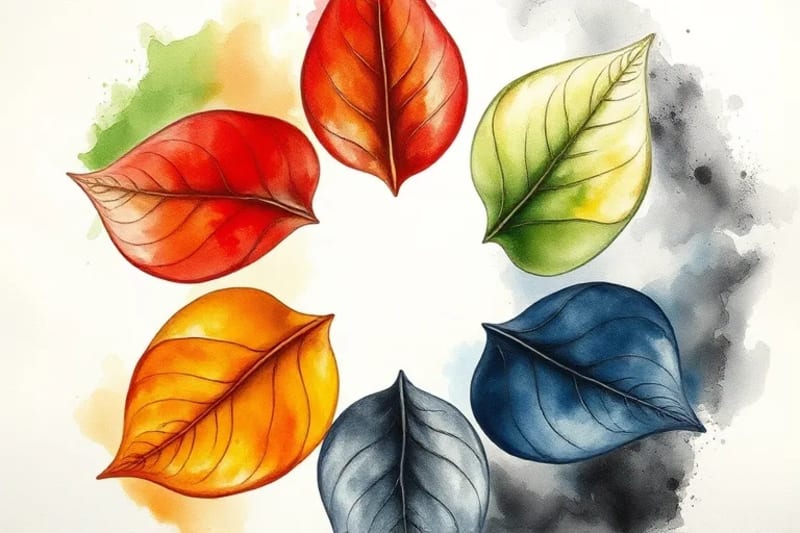
Discover the subtle energies of different tea leaves, each resonating with one of the Five Elements for holistic wellness.
Crafting Your Daily Elemental Tea Ritual
Integrating elemental tea rituals into your daily life doesn't require elaborate ceremonies. It's about conscious choice and mindful consumption. Here’s how you can structure your day around elemental tea rituals:
Morning (Wood & Fire Energy): Start your day with teas that invigorate and clarify. Green tea (Wood) is excellent for awakening the senses and promoting mental alertness. If you need more warmth and drive, a light black tea (Fire) can provide a gentle boost. This sets an intention for growth and passionate engagement with your day.
Midday/Afternoon (Earth Energy): As the day progresses, focus on grounding and nourishment. Oolong tea (Earth) is perfect for this period, aiding digestion and providing sustained energy without jitters. Herbal teas like ginger or chamomile can also support digestion and reduce stress, helping you maintain focus and stability.
Late Afternoon/Evening (Metal & Water Energy): Transition into a period of reflection, release, and relaxation. White tea (Metal) is ideal for its delicate nature, promoting clarity and letting go of the day's stresses. As evening approaches, a dark Pu-erh or a calming herbal infusion like nettle or reishi (Water) can help you unwind, nourish your kidneys, and prepare for restful sleep, fostering intuition and inner peace.
Remember that these are guidelines. Listen to your body and adjust your tea choices based on your current energetic state, the season, and even the weather. The ancient Chinese also observed how climate cycles influenced well-being, a concept explored in Chinese Zodiac Climate Cycles: Ancient Wisdom Ecological Foresight.
Brewing Techniques for Elemental Harmony
The way you brew your tea can also influence its elemental energy. Paying attention to water temperature, steeping time, and even the teaware you use can enhance the ritual and its benefits:
Wood Teas (Green, Peppermint): Use cooler water (160-175°F or 70-80°C) and shorter steeping times (1-3 minutes). This gentle approach preserves the vibrant, fresh energy of Wood, preventing bitterness and promoting clarity without overstimulation. Use ceramic or glass teaware to maintain purity.
Fire Teas (Black, Hibiscus): Hotter water (200-212°F or 93-100°C) and longer steeping times (3-5 minutes) are ideal. This extracts the full warmth and robust flavor of Fire teas. Clay teapots, especially Yixing ware, can enhance the earthy notes and retain heat, amplifying the Fire element.
Earth Teas (Oolong, Ginger): Varying water temperatures (185-205°F or 85-96°C) and multiple short infusions are common for Oolongs, bringing out their complex layers. Ginger tea benefits from a good boil. Use thick ceramic or stoneware to emphasize grounding and stability.
Metal Teas (White, Chrysanthemum): Use slightly cooler water (170-185°F or 76-85°C) and medium steeping times (2-4 minutes) to preserve their delicate flavors and subtle energy. Glass teaware is excellent for appreciating the visual purity of these teas, reflecting the clarity of Metal.
Water Teas (Dark Pu-erh, Herbal Infusions): Boiling water (212°F or 100°C) and longer steeping times, often with multiple infusions, are best for extracting the deep, rich qualities of Water teas. Darker clay or cast iron teapots can enhance their grounding and nourishing properties, resonating with the depth of Water.
Visualize elemental energies swirling into your cup, creating a vortex of balance and wellness with each mindful sip.
Benefits of Integrating Elemental Tea Rituals
Embracing Chinese Zodiac tea rituals offers a multitude of benefits that extend beyond simply enjoying a warm beverage. This practice cultivates a deeper connection to your inner self and the natural world:
Holistic Wellness: By addressing your unique elemental constitution, these rituals support physical health, emotional balance, and mental clarity in an integrated manner. They help to prevent imbalances before they manifest as symptoms.
Mindfulness and Presence: The act of preparing and savoring tea encourages a pause in your day, fostering mindfulness and bringing you into the present moment. This can reduce stress and enhance overall well-being.
Personalized Self-Care: Unlike generic wellness advice, elemental tea rituals are tailored to your specific energetic needs, making your self-care routine more effective and deeply resonant. It's a journey of self-discovery.
Connection to Ancient Wisdom: Engaging in these practices connects you to centuries of Chinese philosophy and traditional medicine, enriching your life with profound cultural insights and time-tested wisdom.
Conclusion: Sip Your Way to Harmony
The Chinese Zodiac tea rituals offer a beautiful and accessible way to harmonize your elemental energies and enhance your daily wellness. By understanding your unique energetic blueprint and consciously choosing teas that support your balance, you embark on a journey of profound self-care. This practice is more than just drinking tea; it is a mindful act of nurturing your body, mind, and spirit.
Embrace the wisdom of the elements and the comforting ritual of tea. Allow each cup to be a moment of reflection, restoration, and realignment, guiding you towards a life filled with greater balance, vitality, and inner peace. The path to wellness is often found in the simplest, most intentional daily practices.
Source: Hybrid content assisted by AI and human editorial supervision.


Comments
Post a Comment