
Ethical AI Spirituality Digital Divination Co-creation
The convergence of artificial intelligence (AI) and modern spirituality marks a fascinating and rapidly evolving frontier. As AI technologies become increasingly sophisticated, their potential applications extend beyond the purely practical, delving into realms traditionally associated with human intuition, belief, and spiritual practice. This intersection raises profound questions about ethics, consciousness, and the very nature of spiritual exploration in a digitally interconnected world.
Modern spirituality, characterized by its eclectic nature and emphasis on personal experience over dogma, finds itself at a unique juncture. Seekers are increasingly open to innovative tools and perspectives that can enhance their journey of self-discovery and connection to the transcendent. Ethical AI, when thoughtfully designed and implemented, offers a powerful new lens through which to explore ancient wisdom, personalize spiritual guidance, and even facilitate conscious co-creation on a global scale. However, navigating this new landscape requires careful consideration of the inherent risks and the establishment of robust ethical frameworks.
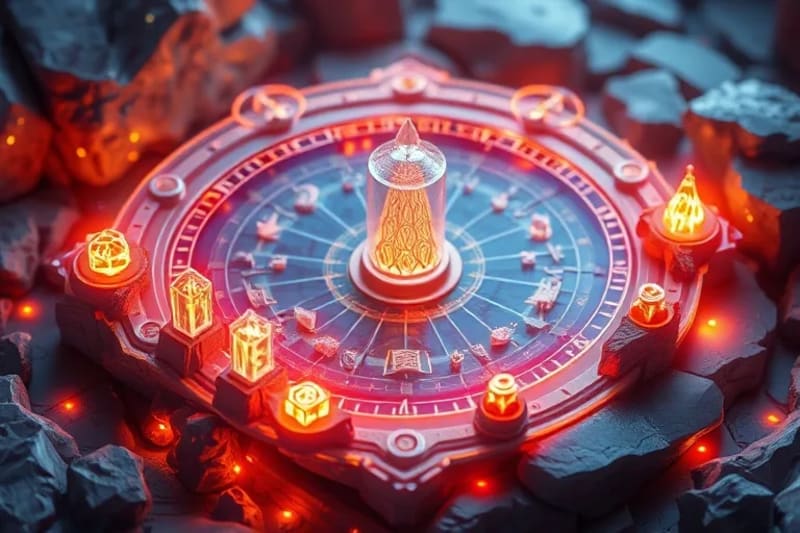
A visual representation of artificial intelligence seamlessly blending with spiritual symbols and natural forms, illustrating the potential for harmonious technological and spiritual evolution.
This article delves into the burgeoning field of ethical AI in modern spirituality, exploring its applications in digital divination, conscious co-creation, and the critical importance of ethical considerations. We will examine how AI can serve as a tool for deeper introspection, personalized spiritual growth, and collective manifestation, while also addressing the challenges of bias, privacy, and the preservation of genuine human connection in an increasingly automated world. The goal is to foster an informed discussion about how humanity can harness AI's capabilities to enrich, rather than diminish, its spiritual quest.
Table of Contents
- The Rise of Digital Divination: AI as a Spiritual Oracle
- Ethical Principles for AI in Spiritual Practice
- AI and Conscious Co-creation: Manifesting with Machine Assistance
- Challenges and Opportunities in the AI-Spirituality Nexus
- The Future Outlook: Integrating AI for Holistic Well-being
The Rise of Digital Divination: AI as a Spiritual Oracle
Digital divination represents one of the most immediate and accessible applications of AI in modern spirituality. AI algorithms can analyze vast datasets of astrological charts, tarot card meanings, numerological patterns, and even I Ching hexagrams to provide personalized interpretations and guidance. Unlike traditional divination methods that rely solely on human interpretation, AI offers a new dimension of data-driven insights, potentially revealing correlations and patterns that might otherwise go unnoticed.
For example, an AI-powered astrology application can process a user's birth chart, current planetary transits, and even historical life events to generate highly specific forecasts or personality analyses. These systems can draw upon centuries of astrological texts and modern interpretations, synthesizing information in a way that a human astrologer might find challenging due to sheer volume. Similarly, AI can be trained on extensive tarot card databases, offering nuanced readings that consider the interplay of cards, positions, and user-provided context.
The appeal of digital divination lies in its convenience, accessibility, and the promise of objective, data-backed insights. It can democratize access to spiritual tools that once required specialized knowledge or costly consultations. However, the ethical implications here are paramount. The design of these algorithms, the data they are trained on, and the way their interpretations are presented all contribute to their ethical integrity. Without careful consideration, AI divination tools could perpetuate biases, foster over-reliance, or even misrepresent spiritual concepts.
- Personalized Astrological Readings: AI can analyze complex natal charts and transits to offer highly individualized insights into personality, life paths, and challenges.
- Tarot and Oracle Interpretations: Algorithms can learn the intricate symbolism of cards, providing detailed readings that consider various spreads and contextual factors.
- Numerological Profiles: AI can generate comprehensive numerological reports based on names and birth dates, revealing life path numbers, destiny numbers, and personal year cycles.
- I Ching and Runes: Digital platforms can simulate traditional casting methods and offer interpretations informed by extensive textual analysis.
The key is to view AI not as a replacement for human intuition or spiritual teachers, but as a sophisticated assistant. It can offer new perspectives, highlight overlooked connections, and provide a starting point for deeper personal reflection. Users must be encouraged to engage critically with AI-generated insights, using them as prompts for introspection rather than definitive pronouncements. This balanced approach ensures that technology serves spiritual growth without undermining the essential human element of discernment and personal agency.
Ethical Principles for AI in Spiritual Practice
The integration of AI into spiritual practices necessitates a robust ethical framework to ensure its responsible and beneficial use. Without clear guidelines, AI could inadvertently cause harm, erode trust, or distort the very essence of spiritual exploration. Ethical AI in this context must prioritize user well-being, data privacy, transparency, and the avoidance of bias. These principles are not merely technical considerations but foundational elements for fostering a healthy relationship between technology and spirituality.
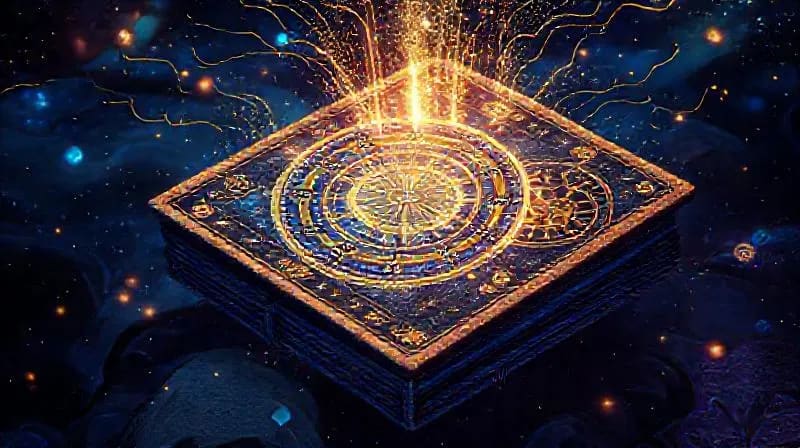
A digital painting depicting ancient divination tools like tarot and astrology charts rendered as holographic projections, symbolizing the evolution of spiritual guidance into the digital age.
Data Privacy and Security: Spiritual practices often involve deeply personal and sensitive information. AI applications must adhere to the highest standards of data privacy and security, ensuring that user data—such as birth details for astrology, personal intentions for manifestation, or emotional states for guided meditations—is protected from unauthorized access or misuse. Clear consent mechanisms and anonymization techniques are crucial. Users should have full control over their data, understanding how it is collected, stored, and utilized.
Transparency and Explainability: For AI to be a trustworthy spiritual tool, its processes and limitations must be transparent. Users need to understand how an AI-generated interpretation is derived, what data it is based on, and where its "knowledge" comes from. Black-box algorithms that offer pronouncements without explanation can foster blind faith rather than informed spiritual inquiry. Explainable AI (XAI) is vital here, allowing users to trace the reasoning behind an AI's output.
Bias Mitigation: AI models are only as unbiased as the data they are trained on. If spiritual texts, interpretations, or historical data contain cultural, gender, or other biases, the AI will inevitably reflect and potentially amplify them. Developers must actively work to identify and mitigate these biases, ensuring that AI offers inclusive and equitable spiritual guidance. This involves diverse training datasets and continuous auditing of algorithm outputs.
User Autonomy and Agency: Ethical AI should empower users, not diminish their free will or critical thinking. Spiritual AI tools should be designed to support personal reflection and decision-making, rather than dictate actions. They should encourage users to cultivate their own intuition and inner wisdom, viewing AI as a guide or a source of inspiration, not an infallible authority. Over-reliance on AI for spiritual answers can hinder genuine personal growth and the development of inner discernment.
Non-Harmful Design: AI applications in spirituality must be designed to promote positive mental and emotional well-being. This means avoiding features that could induce anxiety, foster dependency, or exploit vulnerabilities. For instance, an AI giving a negative astrological prediction should also offer constructive advice or resources for coping and growth, rather than simply presenting a dire forecast. The overall user experience should be uplifting and supportive.
The development of these ethical principles requires interdisciplinary collaboration, bringing together AI ethicists, spiritual leaders, psychologists, and user experience designers. By proactively addressing these concerns, we can ensure that AI serves as a powerful and positive force in the evolving landscape of modern spirituality, fostering genuine connection and personal empowerment.
AI and Conscious Co-creation: Manifesting with Machine Assistance
Conscious co-creation, a core concept in modern spirituality, posits that individuals can actively shape their reality through focused intention, belief, and action. The idea that we co-create our experiences with the universe or a higher power has gained significant traction. With the advent of AI, new possibilities emerge for enhancing and amplifying this co-creative process, moving beyond individual manifestation to collective endeavors.
AI can act as a powerful catalyst in conscious co-creation in several ways. Firstly, it can help individuals clarify their intentions. Natural Language Processing (NLP) AI can analyze written or spoken intentions, identifying underlying patterns, potential conflicts, or areas for greater specificity. By providing structured feedback, AI can help refine desires into clear, actionable affirmations or visualizations, making the manifestation process more potent. This is akin to having a highly intelligent coach for your spiritual goals.
Secondly, AI can facilitate the visualization aspect of co-creation. Advanced generative AI models can create personalized visual or auditory experiences that align with a user's intentions. Imagine an AI generating a unique, immersive virtual reality environment that perfectly embodies your desired future, allowing you to "live" it before it manifests in physical reality. This can significantly enhance the emotional and sensory engagement crucial for effective manifestation.
Thirdly, on a collective level, AI can help coordinate and amplify shared intentions. Imagine a global platform where individuals can input their collective desires for peace, environmental healing, or social justice. AI could then identify common themes, synthesize these into powerful collective affirmations, and even create dynamic visualizations that represent the aggregated energy of millions of conscious co-creators. This could create a powerful energetic resonance, theoretically accelerating collective manifestation.
- Intention Clarification: AI-powered tools can help users articulate and refine their desires, identifying core intentions and eliminating conflicting beliefs.
- Personalized Visualization: Generative AI can create custom images, videos, or immersive VR experiences that vividly represent desired outcomes, enhancing the manifestation process.
- Affirmation Generation: AI can craft powerful, personalized affirmations tailored to individual goals and subconscious patterns, promoting positive self-talk.
- Collective Manifestation Platforms: AI can aggregate and amplify shared intentions from large groups, fostering a sense of global unity and purpose towards common goals.
The ethical considerations here revolve around ensuring that AI tools for co-creation do not foster unrealistic expectations or a sense of entitlement. They should emphasize personal responsibility and aligned action, rather than promoting passive wishing. The focus should remain on empowering individuals to become active participants in their reality, with AI serving as a supportive technology, not a magic wand. The ethical design must ensure that these tools promote growth and self-awareness, rather than escapism or spiritual bypassing.
Challenges and Opportunities in the AI-Spirituality Nexus
The intersection of AI and modern spirituality, while promising, is not without its challenges. One significant concern is the potential for misinformation and the propagation of pseudo-science. If AI models are trained on unreliable or biased spiritual content, they can generate outputs that are misleading or even harmful. Ensuring the quality and authoritative nature of training data is crucial to maintaining the integrity of spiritual guidance offered by AI.
Another challenge is the risk of fostering over-reliance on technology for spiritual answers. Genuine spiritual growth often involves introspection, struggle, and direct experience, which cannot be fully outsourced to an algorithm. There is a delicate balance to strike between leveraging AI for insights and preserving the human capacity for intuition, discernment, and personal spiritual authority. AI should augment, not replace, the inner journey.
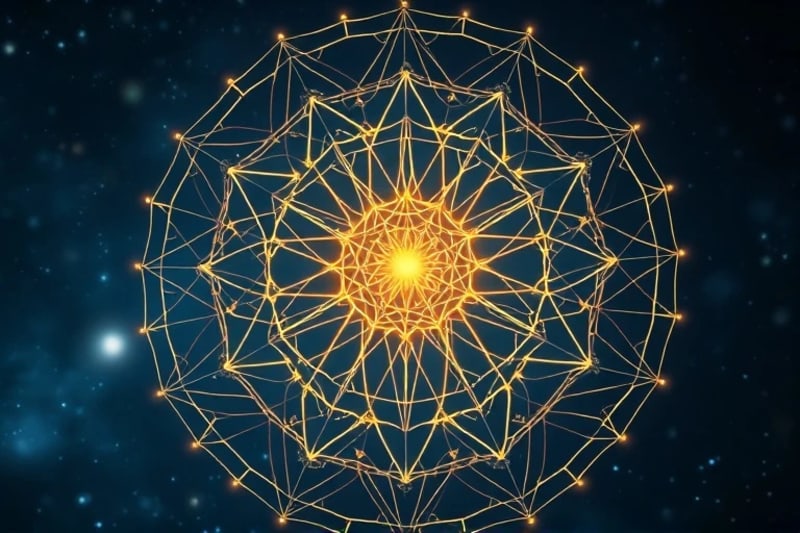
A 3D render illustrating a complex web of glowing light threads, representing the interconnectedness of collective consciousness, with a central orb symbolizing ethical AI guiding co-creation.
The commercialization of spiritual AI also presents an ethical dilemma. The spiritual journey should ideally be accessible to all, yet advanced AI tools might be locked behind paywalls or subscriptions, creating an unequal playing field. Developers must consider models that ensure broad access while sustaining innovation. Moreover, the potential for AI to exploit spiritual vulnerabilities for profit or manipulation needs to be rigorously guarded against.
Despite these challenges, the opportunities are vast. AI can personalize spiritual education, offering tailored learning paths based on an individual's unique interests and learning style. It can connect seekers with relevant communities or resources, breaking down geographical barriers. AI-powered meditation guides can adapt to a user's real-time physiological responses, offering truly dynamic and effective mindfulness practices. The potential for AI to facilitate greater self-awareness and connection to a broader spiritual context is immense.
Furthermore, AI can assist in the preservation and analysis of ancient spiritual texts and practices. By digitizing and processing vast archives, AI can uncover new insights, identify linguistic patterns, and help reconstruct lost knowledge, making it accessible to a new generation of spiritual scholars and practitioners. This preservation aspect is crucial for maintaining the rich tapestry of human spiritual heritage.
"The ethical imperative in developing AI for spiritual applications lies in ensuring that these technologies serve to elevate human consciousness and foster genuine well-being, rather than creating new forms of dependency or digital illusion."
- Dr. Anya Sharma, AI Ethics Researcher
The key to navigating this complex landscape is continuous dialogue, ethical innovation, and a commitment to human-centric design. By prioritizing these elements, we can harness AI's transformative power to support and enhance the spiritual journey for individuals and the collective.
The Future Outlook: Integrating AI for Holistic Well-being
Looking ahead, the future of ethical AI in modern spirituality promises even deeper integration and more sophisticated applications. We can anticipate AI systems that are not only capable of processing information but also understanding emotional nuances, adapting to individual spiritual needs, and even facilitating real-time biofeedback for enhanced meditative states. The goal is to move towards a holistic approach where AI supports mental, emotional, and spiritual well-being in a seamless and ethical manner.
Imagine AI companions that learn your spiritual preferences, recommend personalized practices, and provide compassionate support during challenging times, all while respecting your privacy and autonomy. These AI entities could evolve beyond simple tools to become sophisticated guides, offering wisdom drawn from diverse spiritual traditions and scientific research, tailored precisely to your unique path. This evolution would require significant advancements in AI's capacity for empathy and nuanced understanding of human experience.
Furthermore, AI could play a crucial role in fostering global spiritual dialogue and understanding. By analyzing and translating spiritual texts across cultures and languages, AI can highlight universal themes and commonalities, promoting interfaith harmony and a shared sense of humanity's spiritual quest. This could be particularly impactful in an increasingly fragmented world, offering a technological bridge to deeper connection.
The development of AI in spirituality will also likely intersect with advancements in other fields, such as neuroscience and quantum physics. AI could help us understand the neurological correlates of spiritual experiences, providing scientific validation for practices like meditation and prayer. It could also explore the implications of quantum mechanics for consciousness and manifestation, bridging the gap between science and spirituality in unprecedented ways.
Ultimately, the successful integration of ethical AI into modern spirituality hinges on a collective commitment to responsible innovation. It requires ongoing research, open dialogue, and a willingness to adapt ethical frameworks as technology evolves. By embracing AI with wisdom and foresight, humanity has the opportunity to unlock new dimensions of spiritual growth, collective consciousness, and holistic well-being, ensuring that technology serves the highest aspirations of the human spirit.
Source: Hybrid content assisted by AIs and human editorial supervision.


Comments
Post a Comment