
Techno-Shamanism: Digital Tools for Modern Healing
Techno-Shamanism: Integrating Ancient Rituals with Digital Tools for Modern Healing
In an increasingly digital world, the quest for meaning, connection, and healing often leads us down unexpected paths. One such path is techno-shamanism, a fascinating and evolving field that seeks to bridge the gap between ancient spiritual practices and cutting-edge technology. This innovative approach recognizes the enduring human need for ritual, community, and transcendental experience, while leveraging digital tools to enhance, expand, and make these practices accessible in contemporary society.
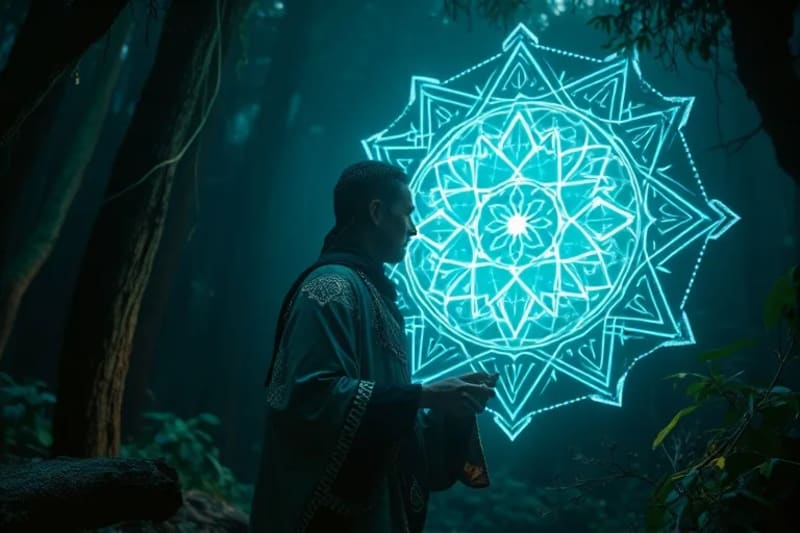
Conceptual representation of techno-shamanic integration, blending traditional practices with advanced digital visualization.
Techno-shamanism is not merely about using technology in spiritual contexts; it's about a synergistic integration where each element amplifies the other. It explores how virtual reality, biofeedback, artificial intelligence, and digital platforms can facilitate altered states of consciousness, foster communal healing, and provide personalized spiritual guidance. This paradigm shift offers a fresh perspective on how ancient wisdom can remain relevant and potent in our technologically advanced era.
Table of Contents
- Historical Roots of Shamanism and Its Evolution
- Digital Tools and Their Application in Techno-Shamanism
- Healing and Personal Growth Benefits
- Community Building and Collective Consciousness
- Ethical Considerations and Challenges
- The Future of Techno-Shamanism
Historical Roots of Shamanism and Its Evolution
To understand techno-shamanism, it's essential to first grasp the foundational principles of traditional shamanism. Shamanism, one of humanity's oldest spiritual practices, involves a practitioner (shaman) who acts as an intermediary between the human world and the spirit world. Shamans typically enter altered states of consciousness through drumming, chanting, dance, or entheogens to communicate with spirits, retrieve lost souls, or facilitate healing for their community.
Historically, shamanic practices were deeply intertwined with the natural environment, drawing wisdom from animals, plants, and celestial bodies. The rituals were often communal, fostering strong bonds and shared experiences within tribes or villages. The core purpose was always balance, healing, and guidance, addressing both individual and collective well-being.
In the modern era, as societies became more urbanized and technologically driven, traditional shamanism faced challenges in maintaining its relevance and accessibility. However, the underlying human need for spiritual connection and holistic healing persisted, leading to contemporary adaptations. This evolution paved the way for new interpretations, including the integration of modern psychological insights and, more recently, digital technologies.
Digital Tools and Their Application in Techno-Shamanism
The integration of digital tools into shamanic practices opens up a myriad of possibilities, transforming how individuals engage with spiritual concepts. These tools are not meant to replace the essence of shamanism but rather to augment and diversify the methods of achieving its goals. From virtual reality to biofeedback, technology is providing new pathways for exploration.
- Virtual Reality (VR) and Augmented Reality (AR): VR can create immersive, simulated environments that mimic sacred spaces, spirit worlds, or natural landscapes conducive to meditation and vision quests. Users can experience guided journeys, interact with symbolic avatars, or visualize energy flows in ways previously unimaginable. AR can overlay digital elements onto the physical world, enhancing real-world rituals with interactive visual or auditory cues.
- Biofeedback and Neurofeedback Devices: These technologies allow individuals to monitor and gain conscious control over physiological processes like heart rate, brainwave activity, and skin conductance. In a techno-shamanic context, biofeedback can help practitioners enter and sustain altered states of consciousness more effectively, providing real-time data on their internal states. This aligns with practices like Biometric Divination, which explores self-discovery through physiological data.
- Artificial Intelligence (AI) and Machine Learning: AI can be employed to personalize spiritual journeys, analyze patterns in individual responses to different stimuli, and even generate unique meditative soundscapes or visual patterns. AI-powered chatbots can serve as virtual guides, offering insights based on vast databases of spiritual texts and psychological principles.
- Digital Sound and Light Therapies: Advanced audio technologies, such as binaural beats and isochronic tones, can induce specific brainwave states associated with deep meditation, trance, or healing. Synchronized light patterns can further enhance these effects, creating powerful sensory experiences that facilitate spiritual exploration.
- Online Communities and Platforms: Digital platforms enable global communities to form around shared spiritual interests, transcending geographical barriers. These spaces can host virtual ceremonies, workshops, and support groups, fostering a sense of belonging and collective intention.
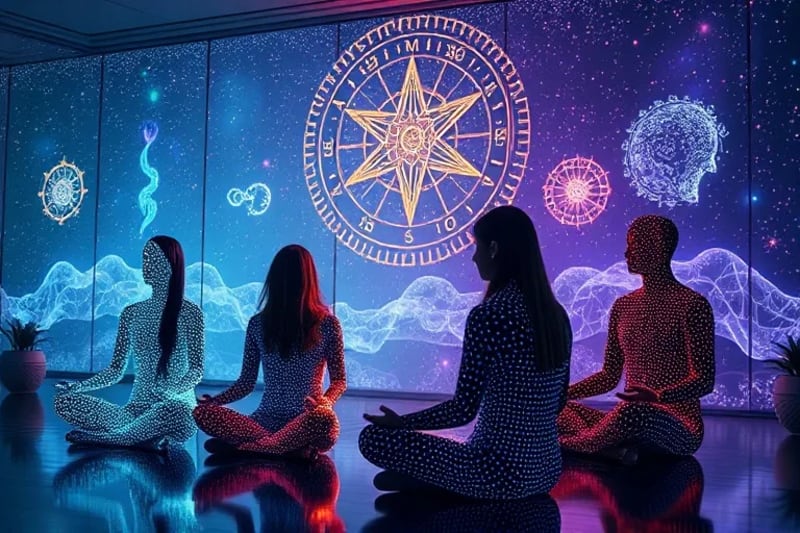
Individuals engaging with biofeedback devices to deepen their meditative practices and explore inner states.
These technologies offer unprecedented control and customization over spiritual experiences, allowing individuals to tailor their practices to their specific needs and intentions. They can make complex spiritual concepts more tangible and accessible, even for those new to shamanic or meditative traditions.
Healing and Personal Growth Benefits
The primary aim of techno-shamanism, much like its traditional counterpart, is healing and personal transformation. By integrating ancient wisdom with modern tools, practitioners can address a wide range of physical, emotional, and spiritual imbalances. The controlled and immersive nature of digital environments can be particularly beneficial for therapeutic applications.
For instance, VR experiences can be designed to help individuals confront fears, process trauma in a safe space, or visualize desired outcomes for personal growth. Biofeedback training empowers users to regulate their stress responses, improve focus, and cultivate states of deep relaxation, which are crucial for mental and physical well-being. This self-regulation is a cornerstone of many spiritual practices and can lead to profound self-discovery.
Moreover, the structured guidance offered by AI or digital platforms can assist individuals in developing consistent spiritual practices. Whether it's daily meditation, journaling, or intention setting, technology can provide the framework and motivation needed for sustained self-development, akin to a Solar Return Guide for annual visioning. The ability to track progress and receive personalized feedback further enhances the effectiveness of these interventions.
Community Building and Collective Consciousness
One of the most powerful aspects of traditional shamanism was its role in fostering community and collective healing. Techno-shamanism extends this principle into the digital realm, creating new avenues for shared spiritual experiences. Online platforms and virtual spaces can connect individuals from diverse backgrounds who share a common interest in spiritual exploration.
Virtual ceremonies, group meditations, and interactive workshops can transcend geographical limitations, allowing people to participate in collective rituals regardless of their physical location. This global connectivity can cultivate a sense of shared purpose and contribute to an evolving collective consciousness. The ability to share experiences, insights, and support within these digital communities strengthens individual practices and amplifies their impact.
Abstract representation of the harmonious integration between ancient spiritual concepts and contemporary digital networks.
These digital gatherings can also facilitate the exchange of knowledge and techniques, allowing ancient traditions to be reinterpreted and revitalized for a modern audience. The shared experience, even if virtual, can create a powerful energetic field, contributing to a broader sense of global spiritual awakening. This concept aligns with advanced mindfulness practices that seek to synchronize individual awareness with larger cosmic rhythms, as explored in topics like Planetary Mindfulness.
Ethical Considerations and Challenges
While techno-shamanism offers exciting prospects, it also presents a unique set of ethical considerations and challenges. One primary concern is the potential for commercialization and commodification of spiritual practices. The digital realm, with its emphasis on monetization and consumerism, could dilute the sacred essence of shamanism if not approached with integrity and respect.
Another challenge lies in ensuring authenticity and avoiding cultural appropriation. Traditional shamanic practices are deeply rooted in specific cultures and lineages. When integrating these into a digital context, it's crucial to honor their origins and ensure that the adaptations are respectful and informed, rather than superficial or exploitative. The digital divide also poses a challenge, as access to advanced technology is not universal, potentially excluding those who could benefit most from these practices.
Furthermore, the line between genuine spiritual experience and mere technological simulation can become blurred. Practitioners must cultivate discernment to distinguish between profound inner shifts and fleeting sensory novelties. The over-reliance on technology might also diminish the importance of direct experience with nature and human connection, which are vital components of traditional shamanism. It is important to remember that technology is a tool, not the source of spiritual power itself.
The Future of Techno-Shamanism
The field of techno-shamanism is still in its nascent stages, yet its potential for growth and innovation is immense. As technology continues to advance, we can anticipate even more sophisticated tools for spiritual exploration and healing. Imagine haptic feedback suits that simulate physical sensations of spiritual journeys, or AI companions that learn and adapt to an individual's unique spiritual path over time.
The future may also see a greater emphasis on personalized spiritual medicine, where digital diagnostics inform tailored shamanic interventions. The convergence of neuroscience, psychology, and spiritual traditions, facilitated by technology, could lead to a deeper scientific understanding of consciousness and the mechanisms of healing. This interdisciplinary approach promises to unlock new frontiers in human potential and well-being.
Ultimately, techno-shamanism represents a bold step towards reconciling our ancient spiritual heritage with our modern technological reality. It offers a vision where technology serves as a bridge to deeper self-awareness, communal harmony, and a renewed connection to the sacred in a world that often feels disconnected. Its continued evolution will depend on thoughtful innovation, ethical stewardship, and a genuine commitment to holistic human flourishing.
Explore More Insights
Delve deeper into related topics and expand your understanding of spirituality and self-discovery.
Source: Hybrid content assisted by AI and human editorial supervision.


Comments
Post a Comment