
Advanced Critical Degrees: Predictive Hotspots Natal Chart | StarPluto
In the intricate tapestry of astrology, every degree of the zodiac holds potential significance, but some degrees resonate with a particularly potent energy, acting as "hotspots" that demand closer attention. These are known as critical degrees, and their influence in a natal chart can pinpoint areas of heightened sensitivity, pivotal life events, and profound karmic lessons. Understanding these advanced critical degrees moves beyond basic chart interpretation, offering a deeper lens through which to view an individual's destiny and potential.
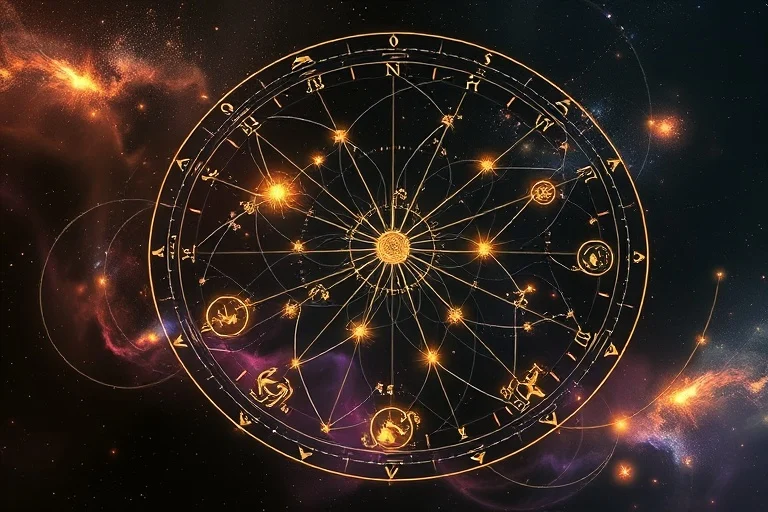
An intricate cosmic map revealing energetic hotspots, symbolizing the profound insights offered by advanced critical degrees in astrology.
This deep dive into critical degrees will unveil their historical origins, their specific numerical values, and the nuanced interpretations associated with each. We will explore how planets, angles, and even house cusps positioned at these sensitive points can manifest as significant turning points, challenges, or opportunities throughout life. For both seasoned astrologers and curious enthusiasts, mastering the art of interpreting critical degrees provides an invaluable tool for predictive astrology and self-discovery.
Table of Contents
- What Are Critical Degrees?
- Historical and Astrological Context
- The Cardinal Degrees (0°, 13°, 26°)
- The Fixed Degrees (1°, 13°, 26°)
- The Mutable Degrees (0°, 13°, 26°)
- The Anaretic Degree (29°): The Degree of Fate
- The Aries Point (0° Aries): Global and Personal Significance
- Interpreting Critical Degrees in Your Natal Chart
- Planets and Houses on Critical Degrees
- Critical Degrees in Aspects
- Transits and Progressions to Critical Degrees
- Case Studies: Unpacking Critical Degree Manifestations
- Distinguishing Critical Degrees from Other Sensitive Points
- Conclusion: Mastering the Hotspots of Destiny
What Are Critical Degrees?
Critical degrees are specific points within each zodiac sign that are believed to carry an amplified energetic charge. These degrees are derived from various astrological traditions, most notably Hellenistic and medieval astrology, and are often associated with heightened sensitivity, karmic implications, and significant life events. When a planet, an angle (Ascendant, Descendant, Midheaven, Imum Coeli), or a house cusp falls on a critical degree, its influence is said to be particularly pronounced, acting as a focal point for destiny.
The most commonly recognized critical degrees are: 0°, 1°, 13°, and 29° of any sign. However, some traditions also include 26°. The interpretation of these degrees often varies based on the modality of the sign (Cardinal, Fixed, Mutable) in which they appear, adding layers of complexity and precision to astrological analysis. These degrees are not merely mathematical points; they are energetic gateways that can trigger profound shifts and experiences.
Historical and Astrological Context
The concept of critical degrees dates back to ancient astrological practices. Hellenistic astrologers, for instance, recognized certain "pivotal" or "active" degrees that were thought to be particularly influential. These were often tied to the decanates (10-degree divisions of each sign) and their rulers, or to specific planetary exaltation and fall degrees. Over time, these observations coalesced into the system of critical degrees we recognize today.
In modern astrology, critical degrees are often linked to the idea of "karmic" or "fated" experiences. They suggest areas where an individual has either a strong innate talent and drive (often associated with 0° or 1°) or a significant lesson to learn and integrate (especially with 29°). The presence of a planet on a critical degree indicates that the energies associated with that planet are operating at a heightened, often unavoidable, level in the individual's life.
The Cardinal Degrees (0°, 13°, 26°)
Cardinal signs (Aries, Cancer, Libra, Capricorn) are associated with initiation, action, and new beginnings. When critical degrees fall within these signs, they amplify these qualities, often marking moments of breakthrough or significant turning points.
- 0° Cardinal Signs: This is the degree of pure potential and raw, unadulterated energy. Planets here indicate a strong drive to initiate, lead, and create. Individuals with significant placements at 0° Cardinal often feel a compelling urge to start new projects, take charge, or forge new paths. It signifies a fresh start, often with a bold and sometimes impulsive approach.
- 13° Cardinal Signs: This degree is often linked to dynamic action and the need to overcome obstacles through sheer force of will. It can indicate a period of intense activity or a challenge that requires direct and decisive action. There's a sense of being "in the thick of it," where decisions made have immediate and tangible consequences.
- 26° Cardinal Signs: At this point, the initial impetus of the Cardinal sign is reaching a peak of expression. It suggests a powerful culmination of efforts, often leading to a public display of achievement or a significant leadership role. However, it can also signify a moment of crisis where one's ability to lead or initiate is severely tested.
The Fixed Degrees (1°, 13°, 26°)
Fixed signs (Taurus, Leo, Scorpio, Aquarius) are known for their stability, persistence, and resistance to change. Critical degrees in Fixed signs emphasize these qualities, often highlighting areas of deep-seated conviction, enduring challenges, or unyielding determination.

A stylized astrological clock, with glowing degrees and intricate mechanisms, representing the precision of predictive astrology.
- 1° Fixed Signs: This degree signifies a strong foundation and an unshakeable resolve. Planets here suggest a deep commitment to values, a powerful sense of self-worth, and a tendency to resist external pressures. It can indicate a talent for building and maintaining, but also a stubbornness that can lead to stagnation if not managed.
- 13° Fixed Signs: This point often relates to the endurance of challenges and the testing of one's core stability. It can manifest as a period where one's resources, relationships, or personal power are put to the test, requiring immense resilience. There's a strong emphasis on holding one's ground and maintaining integrity.
- 26° Fixed Signs: This degree indicates a point of crystallization or solid achievement. Planets here suggest a powerful ability to manifest and sustain, often leading to lasting legacies or significant material security. However, it can also highlight areas of rigidity or an unwillingness to adapt, potentially leading to entrenched patterns that are difficult to break.
The Mutable Degrees (0°, 13°, 26°)
Mutable signs (Gemini, Virgo, Sagittarius, Pisces) are characterized by adaptability, change, and dissemination. Critical degrees in Mutable signs highlight periods of transition, learning, and the need for flexibility.
- 0° Mutable Signs: This degree points to a strong capacity for adaptation and a readiness for change. Planets here suggest an open-minded approach, a thirst for knowledge, and a natural ability to flow with shifting circumstances. It can also indicate a tendency towards indecision or a lack of firm direction if not grounded.
- 13° Mutable Signs: This degree often signifies a period of significant adjustment or a crossroads where important choices must be made. It can involve a process of learning, teaching, or disseminating information. There's an emphasis on communication and the need to integrate diverse perspectives, often leading to mental or spiritual expansion.
- 26° Mutable Signs: At this point, the mutable energy reaches its full potential for transformation and synthesis. Planets here suggest a powerful ability to integrate various experiences, adapt to major life changes, and share wisdom. It can also indicate a period of dissolution or a need to let go of old patterns to embrace new possibilities, often accompanied by a profound spiritual or intellectual journey.
The Anaretic Degree (29°): The Degree of Fate
The 29th degree of any zodiac sign is perhaps the most famous and intensely felt of all critical degrees. Known as the "Anaretic Degree" or the "Degree of Fate," it signifies a point of culmination, completion, and urgency. When a planet or angle is at 29°, it suggests that the individual is facing a final test or a significant karmic reckoning related to the themes of that sign and planet.
Individuals with planets at 29° often describe feeling a constant pressure to resolve issues, complete tasks, or make definitive decisions. There's a sense that time is running out, or that a cycle is about to conclude, necessitating immediate action. This degree can bring about intense experiences, forcing one to confront unresolved issues and integrate all the lessons learned throughout that sign's journey. It's a point of profound transition, often leading to a significant shift as the energy moves into the next sign.
The Aries Point (0° Aries): Global and Personal Significance
While 0° of any cardinal sign is critical, the 0° of Aries holds a unique and powerful position, often referred to as the "Aries Point" or the "World Point." This degree marks the vernal equinox, the beginning of the astrological year, and is associated with global events, public recognition, and collective consciousness. It is the most potent of all critical degrees.
When a planet or angle is at 0° Aries in a natal chart, it suggests that the individual's life purpose or expression of that planetary energy will have a public or far-reaching impact. There's an inherent drive for leadership, pioneering, and making a mark on the world. Events triggered by transits or progressions to the Aries Point often manifest as highly visible or publicly significant occurrences, both on a personal and collective level. It's a degree of immense power and influence, demanding direct and authentic expression.
Interpreting Critical Degrees in Your Natal Chart
To effectively interpret critical degrees, it's essential to consider several factors:
- The Planet Involved: The nature of the planet (e.g., Mars for action, Venus for relationships, Saturn for structure) will color the manifestation of the critical degree.
- The Sign: The qualities of the zodiac sign (e.g., analytical Virgo, passionate Scorpio, expansive Sagittarius) will define the energetic expression.
- The House: The area of life represented by the house (e.g., 2nd house for finances, 7th house for partnerships, 10th house for career) will indicate where the critical energy is most active.
- Aspects: Other planetary aspects to the critical degree will modify its influence, adding complexity and specific challenges or opportunities.
A planet on a critical degree suggests that its function is highly emphasized, often leading to fated encounters, unavoidable challenges, or extraordinary talents. It's a point of concentrated energy that can act as a catalyst for significant personal growth and transformation.
Planets and Houses on Critical Degrees
The specific combination of a planet, sign, and house on a critical degree offers a detailed roadmap of potent life areas. Here's a brief overview:

An abstract, layered view of astrological charts, symbolizing the deep analysis required to unveil hidden patterns and insights.
- Sun at 29° Leo in 5th House: Suggests a fated culmination of creative expression, self-identity, or romantic endeavors. There might be a strong drive to achieve fame or recognition in creative fields, often feeling a sense of urgency before a major life shift.
- Moon at 0° Cancer in 1st House: Indicates a strong, intuitive drive to initiate new emotional cycles or establish a sense of home and security. The individual's emotional nature is highly visible and deeply impactful on their personal identity.
- Mercury at 13° Gemini in 3rd House: Points to intense mental activity, significant learning experiences, or pivotal communications. There might be a fated need to master communication skills or to disseminate important information within their immediate environment.
- Venus at 1° Taurus in 7th House: Suggests a deep-seated need for stable, enduring partnerships. Relationships are foundational and often involve a strong commitment to shared values, potentially facing tests of loyalty and material security.
- Mars at 26° Capricorn in 10th House: Implies a powerful, culminating drive towards career achievement and public recognition. This placement can lead to significant professional success, but also intense battles for status or authority.
Critical Degrees in Aspects
When a planet on a critical degree forms an aspect with another planet, the intensity of both energies is amplified. For example, a square from Saturn at 29° Aries to the Sun at 29° Cancer would indicate a deeply fated and challenging dynamic between personal will (Sun in Cancer) and the need for structured action (Saturn in Aries). This could manifest as intense pressure to balance personal needs with public responsibilities, culminating in a major life decision.
Conjunctions to critical degrees are particularly potent, merging the planetary energies at a highly sensitive point. Oppositions can highlight fated polarities that must be balanced, while trines and sextiles suggest easeful, yet still significant, flow of energy through these critical hotspots. Understanding these interactions is crucial for a comprehensive chart reading.
Transits and Progressions to Critical Degrees
The predictive power of critical degrees truly shines when examining transits and progressions. When a transiting or progressed planet activates a critical degree in the natal chart, it often triggers significant life events or periods of intense personal growth. For instance, a transit of Pluto (transformation) to one's natal Sun at 29° of a sign could herald a profound and unavoidable ending or rebirth of identity related to the themes of that sign.
Similarly, when a progressed planet reaches a critical degree, it indicates a significant internal shift or developmental phase. A progressed Moon reaching 0° of a new sign, for example, could mark the beginning of a new emotional cycle, a fresh start in domestic life, or a renewed focus on nurturing. These activations are often felt with greater intensity and urgency than typical transits or progressions, acting as undeniable markers of destiny.
Case Studies: Unpacking Critical Degree Manifestations
Let's consider hypothetical examples to illustrate the impact of critical degrees:
- Case A: The Innovator with Uranus at 0° Aquarius. An individual with Uranus (innovation, rebellion) at 0° Aquarius (humanitarianism, future-thinking) in their 11th House (groups, aspirations) might feel an overwhelming, fated drive to initiate groundbreaking social movements or technological advancements that benefit humanity. Their life is marked by sudden breakthroughs and a constant need to challenge the status quo, often leading to public recognition for their unique contributions.
- Case B: The Artist with Neptune at 29° Pisces. An artist with Neptune (creativity, spirituality) at 29° Pisces (dreams, compassion) in their 5th House (creativity, self-expression) might experience a fated culmination of their artistic journey, perhaps creating a masterpiece that profoundly impacts collective consciousness. This placement could also indicate a final, intense struggle to overcome illusions or addiction before achieving spiritual clarity and artistic transcendence.
- Case C: The Leader with Jupiter at 13° Leo. A person with Jupiter (expansion, fortune) at 13° Leo (leadership, charisma) in their 10th House (career, public image) could find themselves in fated situations that propel them into positions of significant public leadership. They might experience challenges that test their generosity and authority, ultimately leading to a powerful and enduring legacy.
Distinguishing Critical Degrees from Other Sensitive Points
It's important to differentiate critical degrees from other sensitive points in a natal chart, such as planetary dignities (rulership, exaltation, detriment, fall) or fixed stars. While all these points contribute to a nuanced reading, critical degrees specifically denote areas of heightened sensitivity and fated experiences due to their mathematical position within the zodiacal cycle, rather than their inherent quality or association with specific celestial bodies.
Critical degrees are about the 'how' and 'when' of energy manifestation, often indicating a peak intensity or a turning point, whereas dignities describe the 'quality' of a planet's operation, and fixed stars add specific thematic overlays. Integrating all these layers provides the most comprehensive astrological insight.
Conclusion: Mastering the Hotspots of Destiny
Advanced critical degrees offer a powerful and precise tool for understanding the most potent areas of a natal chart. By identifying planets, angles, and house cusps at 0°, 1°, 13°, 26°, and 29°, astrologers can pinpoint predictive hotspots that signify fated events, intense challenges, and extraordinary opportunities for growth. These degrees act as energetic amplifiers, ensuring that the themes they touch upon will play a significant and often unavoidable role in an individual's life journey.
Embracing the insights provided by critical degrees allows for a deeper appreciation of one's unique destiny and the cyclical nature of personal evolution. For anyone seeking to unlock the profound secrets hidden within their birth chart, a thorough understanding of these pivotal points is an essential step towards mastering the art of astrological interpretation and navigating the complexities of life with greater awareness.
Source: Hybrid content assisted by AIs and human editorial supervision.


Comments
Post a Comment