
Asteroids Astrology: Vesta, Juno, Pallas, Psyche Explained | StarPluto
In the vast and intricate tapestry of astrology, beyond the familiar planets and zodiac signs, lies a fascinating realm of celestial bodies known as asteroids. These minor planets, primarily orbiting between Mars and Jupiter, offer profound insights into the nuances of our psyche, relationships, and life path. While often overlooked in basic astrological readings, asteroids like Vesta, Juno, Pallas Athena, and Psyche provide a deeper layer of understanding, illuminating specific archetypal energies and personal dynamics that can significantly enrich a natal chart interpretation.
Their discovery in the 19th and 20th centuries marked a new era in astrological thought, expanding the traditional planetary pantheon and introducing a more nuanced perspective on human experience. Each asteroid carries a unique mythological story and symbolic meaning, reflecting distinct facets of the human condition, particularly those related to feminine power, emotional depth, and psychological development. Understanding their placement and aspects in your birth chart can unlock hidden potentials and shed light on complex patterns.
The Role of Asteroids in Modern Astrology
Historically, astrology primarily focused on the Sun, Moon, and the seven traditional planets (Mercury, Venus, Mars, Jupiter, Saturn, Uranus, Neptune, Pluto). However, the discovery of thousands of asteroids since the early 1800s has gradually introduced a new layer of complexity and specificity to chart interpretation. These smaller bodies are not merely cosmic debris; they are seen as energetic points that represent specific themes, psychological patterns, and archetypal energies, often filling gaps left by the traditional planets.
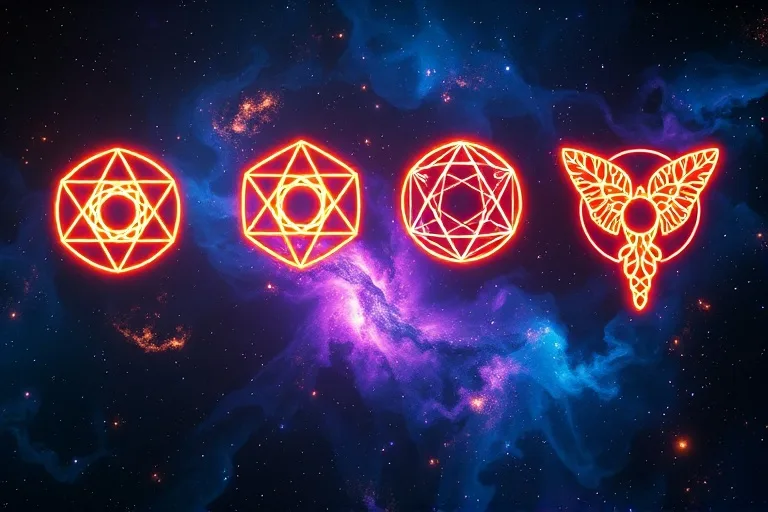
The four main asteroids—Ceres, Pallas, Juno, and Vesta—were the first to be discovered and are often referred to as the "Big Four." While Ceres (representing nurturing and self-worth) is a significant asteroid, this article focuses on Pallas, Juno, Vesta, and the later-discovered Psyche, which collectively offer profound insights into various aspects of the human experience, from relationships and dedication to wisdom and the soul's journey. They act as bridges, connecting the personal planets (inner self) with the transpersonal planets (collective unconscious).
Vesta in Astrology: The Inner Flame and Dedication
In Roman mythology, Vesta was the goddess of the hearth, home, and sacred fire. Her priestesses, the Vestal Virgins, were dedicated to maintaining her eternal flame, symbolizing the spiritual center of Rome. Astrologically, Vesta represents where we dedicate ourselves, our sacred devotion, and the areas of life where we find spiritual focus and purity. It signifies our capacity for single-minded devotion and the sacrifices we are willing to make for a higher purpose.
A prominent Vesta in a natal chart can indicate a strong need for personal space, a focus on spiritual or professional pursuits, and a capacity for intense concentration. It can also highlight themes of chastity, self-containment, or even a sense of being "set apart" for a specific calling. The sign and house placement of Vesta reveal the nature of this dedication and the area of life where this inner flame burns brightest. For example, Vesta in Aries might indicate a passionate dedication to initiating new projects, while Vesta in the 10th house could point to a profound commitment to one's career or public service.
Challenges related to Vesta can manifest as feelings of isolation, difficulty with intimacy, or a struggle to integrate personal desires with one's dedicated path. Understanding Vesta helps individuals recognize their deepest commitments and how to honor their sacred inner space.
Juno in Astrology: Relationships, Marriage, and Partnership

Juno, named after the Roman queen of the gods and protector of marriage and women, is a potent symbol in astrology for committed relationships, marriage, and partnership dynamics. It signifies what we seek in a partner, our expectations for equality and loyalty, and the nature of our deepest bonds. Juno reveals our contractual agreements in relationships, both explicit and implicit, and the qualities we require for a truly committed union.
The sign and house placement of Juno in a natal chart can indicate the type of partner one attracts, the challenges faced in long-term relationships, and the ideals held for marriage. For instance, Juno in Libra might seek a partner who embodies balance and justice, while Juno in the 7th house (the house of partnerships) emphasizes the importance of marriage and significant others in one's life. It also sheds light on issues of infidelity, commitment, and the desire for recognition within a partnership.
Juno's aspects to other planets can further detail the complexities of one's relational patterns, highlighting areas of strength and potential conflict. Understanding Juno helps individuals navigate their partnerships with greater awareness, fostering more fulfilling and equitable connections.
Pallas Athena in Astrology: Wisdom, Strategy, and Creative Intelligence
Named after the Greek goddess Athena (Roman Minerva), who sprang fully formed from Zeus's head, Pallas Athena symbolizes wisdom, strategic thinking, creative intelligence, and justice. She is the warrior goddess who uses intellect and strategy rather than brute force, representing our capacity for problem-solving, pattern recognition, and artistic expression. Pallas embodies the ability to see the bigger picture and devise innovative solutions.
In the natal chart, Pallas Athena indicates where we apply our intelligence, our approach to conflict resolution, and our unique creative talents. Its sign and house placement reveal the areas where we excel in strategic planning, artistic endeavors, or advocacy for justice. Pallas in Gemini, for example, might suggest a quick-witted intellect and a talent for communication, while Pallas in the 6th house could point to a strategic approach to work and health matters.
Pallas also relates to the defense of one's beliefs and the ability to find creative ways to overcome obstacles. It is often associated with healing arts, particularly those involving pattern recognition like acupuncture or homeopathy. Exploring Pallas helps individuals harness their intellectual prowess and creative problem-solving skills.
Psyche in Astrology: Soul's Journey and Deep Connections

Psyche, from the Greek word for "soul" and the mythological figure who underwent trials to be reunited with her beloved Eros, represents the soul's journey, psychological depth, vulnerability, and the profound connections we make. It symbolizes our capacity for transformation through love, suffering, and self-discovery. Psyche highlights the areas where our soul seeks understanding, healing, and ultimate union.
In a natal chart, Psyche's placement reveals where we experience deep emotional and psychological processes, our sensitivity, and our ability to form profound, soul-level bonds with others. It can indicate areas of vulnerability, past wounds that need healing, and the transformative power of love in our lives. Psyche in Pisces, for example, might suggest an extremely sensitive soul capable of deep empathy and spiritual connection, while Psyche in the 8th house could point to intense psychological transformations and a deep engagement with the mysteries of life and death.
Psyche's story is one of trials and ultimate triumph through perseverance and love, making it a powerful indicator of our personal growth through challenging experiences. Understanding Psyche helps us embrace our emotional depth and navigate the complexities of our soul's evolution.
Interpreting Asteroids in Your Natal Chart
To effectively interpret asteroids in a natal chart, astrologers consider several factors, similar to how they analyze planets. The most crucial elements include the asteroid's zodiac sign, house placement, and aspects to other planets and points in the chart. These factors combine to paint a detailed picture of how the asteroid's archetype manifests in an individual's life.
- Sign Placement: The zodiac sign reveals the style or manner in which the asteroid's energy is expressed. For example, Vesta in Leo might express dedication through creative self-expression, while Juno in Capricorn would seek a partner with ambition and stability.
- House Placement: The house indicates the area of life where the asteroid's themes are most active and where its influence is most strongly felt. Pallas in the 3rd house might signify strategic communication skills, and Psyche in the 11th house could point to deep soul connections within friendships or groups.
- Aspects: The angles (conjunctions, oppositions, squares, trines, sextiles) an asteroid forms with other planets and points in the chart modify its expression. A challenging aspect (square or opposition) might indicate struggles or lessons related to that asteroid's themes, while harmonious aspects (trine or sextile) suggest ease and natural integration.
- Conjunctions to Personal Planets: When an asteroid is conjunct (very close to) a personal planet (Sun, Moon, Mercury, Venus, Mars), its energy becomes deeply intertwined with that planet's function, amplifying its influence and adding specific archetypal flavors to the planet's expression.
By integrating these interpretations, astrologers can uncover subtle yet powerful layers of meaning that traditional planetary analyses might miss. The asteroids add depth, especially to understanding feminine archetypes and psychological processes that are often central to personal growth and self-awareness.
The Growing Significance of Asteroids in Astrological Practice
The increasing interest in asteroids reflects a broader trend in modern astrology towards more personalized and psychologically oriented interpretations. As individuals seek deeper self-understanding and more nuanced insights into their relationships and life purpose, the asteroids offer a rich source of information. They help bridge the gap between the broad strokes of planetary influences and the intricate details of individual experience, providing a more complete astrological portrait.
Many contemporary astrologers now routinely include asteroids in their chart analyses, recognizing their value in pinpointing specific talents, challenges, and archetypal patterns. They are particularly useful for exploring themes related to empowerment, vulnerability, healing, and the diverse expressions of the feminine principle, which were historically underrepresented in traditional astrology. The integration of asteroids allows for a more holistic and comprehensive understanding of the natal chart, empowering individuals with greater self-knowledge.
In conclusion, Vesta, Juno, Pallas Athena, and Psyche are not just minor celestial bodies; they are powerful astrological keys that unlock deeper layers of meaning in our birth charts. By exploring their positions and interactions, we gain invaluable insights into our dedication, relationships, wisdom, and the transformative journey of our soul. Their study enriches our understanding of ourselves and the complex cosmic influences that shape our lives.
Source: AI-assisted hybrid content and human editorial supervision.


Comments
Post a Comment