
Asteroids in Natal Chart: Vesta, Juno, Pallas, Psyche & More Explained | StarPluto
Beyond the traditional planets, the celestial tapestry of a natal chart is enriched by the presence and influence of numerous asteroids. These minor planetary bodies, often overlooked in introductory astrological analyses, offer profound insights into the nuanced facets of personality, relationships, and life purpose. Understanding their roles can unlock deeper layers of self-awareness and provide specific guidance where the major planets offer broader themes.
The discovery of asteroids began in the early 19th century, with Ceres being the first to be identified. Initially classified as planets, they were later reclassified as minor planets or asteroids as more were found. In astrology, the four largest and most commonly studied asteroids—Ceres, Pallas, Juno, and Vesta—are often referred to as the "Goddess Asteroids" due to their mythological associations with powerful female archetypes. However, many other asteroids, like Psyche, Chiron, and Lilith, also carry significant astrological weight, each contributing a unique flavor to the birth chart's interpretation.
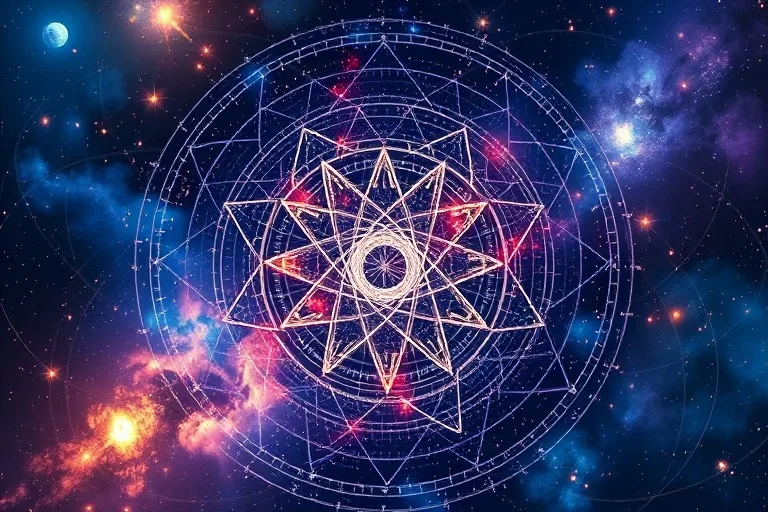
A detailed 3D digital illustration depicting the intricate cosmic map of asteroid paths, highlighting their intersections within an ethereal nebula, symbolizing celestial mechanics and abstract astrological influences.
This advanced guide delves into the specific meanings and influences of some of the most prominent asteroids, helping you integrate their wisdom into a comprehensive natal chart reading. From how we nurture ourselves and others to our approach to partnerships, wisdom, and sacred devotion, these celestial bodies paint a more complete picture of our individual journeys.
Table of Contents
- Introduction to Asteroids in Astrology
- Ceres: The Nurturer and Mother Archetype
- Pallas Athena: The Warrior of Wisdom and Strategy
- Juno: The Soulmate and Commitment Asteroid
- Vesta: The Sacred Flame and Devotion
- Psyche: The Journey of the Soul
- Chiron: The Wounded Healer
- Lilith: The Untamed Dark Feminine
- Other Significant Asteroids and Their Meanings
- Interpreting Asteroids in Your Natal Chart
- Conclusion: The Asteroid Advantage
Introduction to Asteroids in Astrology
The inclusion of asteroids in astrological practice has added significant depth and specificity to natal chart interpretations. While traditional astrology focuses on the Sun, Moon, and planets, asteroids provide a richer tapestry, highlighting subtle yet powerful energies that shape our experiences. Their mythological origins often directly translate into their astrological meanings, offering archetypal insights into our psyche and behavior.
These celestial bodies are particularly potent when they form strong aspects with personal planets (Sun, Moon, Mercury, Venus, Mars) or sensitive points in the chart (Ascendant, Midheaven). They can reveal hidden talents, unconscious patterns, areas of vulnerability, and sources of strength that might otherwise remain unexplored. For those seeking a more nuanced understanding of their birth chart, integrating asteroid interpretations is an essential step.
Ceres: The Nurturer and Mother Archetype
Ceres, named after the Roman goddess of agriculture, grain, and motherly love, is the largest asteroid and is often considered a dwarf planet. In astrology, Ceres represents our capacity to nurture, both ourselves and others. It signifies our relationship with food, sustenance, and the feeling of being cared for. It also speaks to themes of loss, grief, and separation, particularly in the context of mother-child bonds, reflecting the myth of Ceres and her daughter Persephone.
The placement of Ceres in a natal chart indicates how we give and receive care, what makes us feel secure and provided for, and where we might experience issues related to attachment or abandonment. A prominent Ceres can suggest a strong maternal instinct, a career in nurturing professions, or a deep connection to nature and environmental causes. Conversely, challenging aspects to Ceres might point to eating disorders, difficulties with self-nurturing, or unresolved issues with parental figures.
- Key Themes: Nurturing, mother-child bonds, food, sustenance, grief, loss, security, attachment.
- Positive Manifestations: Compassion, caregiving, gardening, cooking, strong family ties, emotional support.
- Challenging Manifestations: Codependency, abandonment issues, eating disorders, feeling unloved or unsupported.
Pallas Athena: The Warrior of Wisdom and Strategy
Pallas Athena, named after the Greek goddess of wisdom, warfare, and handicrafts, represents our intellectual prowess, strategic thinking, and creative intelligence. Unlike Mars, which governs raw physical aggression, Pallas Athena embodies strategic warfare, using intellect and diplomacy over brute force. It symbolizes our ability to see patterns, solve problems, and fight for justice through non-conventional means.
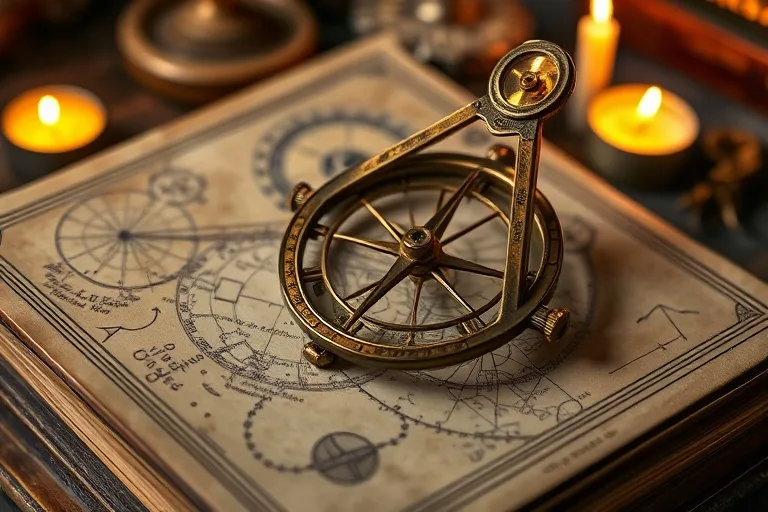
An evocative vintage photograph showcasing an antique brass astrolabe on a leather-bound book, bathed in soft candlelight, symbolizing ancient celestial observation and wisdom.
In the natal chart, Pallas Athena's placement reveals our unique approach to problem-solving, our artistic talents, and our capacity for political or social activism. It highlights where we are most likely to use our intelligence to champion causes or create innovative solutions. Strong Pallas placements are often found in the charts of artists, strategists, lawyers, and activists. Challenges with Pallas might indicate difficulties in asserting intellectual boundaries or a struggle to translate ideas into practical action.
- Key Themes: Wisdom, strategy, justice, creative intelligence, pattern recognition, healing arts, defense.
- Positive Manifestations: Strategic thinking, artistic talent, advocacy, intellectual strength, problem-solving.
- Challenging Manifestations: Intellectual arrogance, difficulty with practical application, feeling unheard, creative blocks.
Juno: The Soulmate and Commitment Asteroid
Juno, named after the Roman queen of the gods and protector of marriage, symbolizes our approach to committed relationships, partnership, and the quest for our "soulmate." It speaks to what we seek in a committed partner, our expectations within marriage, and our capacity for loyalty and fidelity. Juno is less about romantic love (Venus) and more about the contractual, often legal, and deeply committed aspects of partnership.
The placement of Juno in the natal chart can reveal the qualities we idealize in a spouse, the types of partnerships we attract, and the challenges we might face in maintaining long-term commitments. It can also highlight issues of equality and fairness within relationships. A well-aspected Juno suggests harmonious and fulfilling partnerships, while difficult aspects might point to struggles with commitment, infidelity, or feeling unappreciated in a relationship.
- Key Themes: Marriage, commitment, partnership, equality, loyalty, soulmates, justice in relationships.
- Positive Manifestations: Harmonious marriage, strong partnerships, fidelity, valuing equality, deep commitment.
- Challenging Manifestations: Marital strife, jealousy, infidelity, feeling trapped, fear of commitment.
Vesta: The Sacred Flame and Devotion
Vesta, named after the Roman goddess of the hearth and home, represents our sacred devotion, focus, and commitment to a higher purpose or ideal. It symbolizes where we are willing to dedicate ourselves completely, often requiring a degree of sacrifice or renunciation of worldly distractions. Vesta highlights our inner sanctuary, our spiritual practices, and the areas where we seek purity and integrity.

A conceptual art piece displaying symbolic items like a polished stone, silver ring, miniature shield, and delicate butterfly, artfully arranged on velvet with dramatic lighting, representing inner astrological archetypes.
In the natal chart, Vesta's position indicates where we find our deepest sense of purpose and where we might channel our energy with monastic focus. It can point to areas where we feel a calling to serve or where we might experience periods of solitude for spiritual growth. A strong Vesta can signify a deep spiritual connection, a dedication to a craft, or a need for personal space and boundaries. Challenging aspects might suggest issues with intimacy, feelings of isolation, or difficulty committing to a single path.
- Key Themes: Devotion, sacred purpose, focus, commitment, purity, service, self-containment, spiritual calling.
- Positive Manifestations: Deep spiritual practice, dedicated work, strong boundaries, focused energy, integrity.
- Challenging Manifestations: Isolation, feelings of sacrifice, issues with intimacy, martyrdom, burnout.
Psyche: The Journey of the Soul
Psyche, named after the Greek myth of Psyche and Eros, represents the journey of the soul, our psychological growth, and the challenges we face in finding true love and self-acceptance. It symbolizes our vulnerability, our capacity for transformation, and the trials we must overcome to achieve spiritual maturity. Psyche's story is one of enduring hardship, perseverance, and ultimately, union with the divine.
In the natal chart, Psyche's placement highlights where our soul's deepest lessons lie, the nature of our psychological wounds, and our path towards integration and wholeness. It can reveal our capacity for empathy, intuition, and our ability to navigate complex emotional landscapes. A prominent Psyche can indicate a deep, transformative inner life, while challenging aspects might point to psychological struggles, trust issues, or a fear of vulnerability.
- Key Themes: Soul's journey, psychological growth, transformation, vulnerability, empathy, true love, self-acceptance.
- Positive Manifestations: Deep intuition, psychological resilience, profound empathy, spiritual insight, transformative relationships.
- Challenging Manifestations: Emotional wounds, trust issues, fear of intimacy, self-doubt, psychological complexes.
Chiron: The Wounded Healer
Chiron, a centaur (half-man, half-horse) in mythology, was a wise healer and teacher who, ironically, could not heal himself. In astrology, Chiron represents our deepest wounds, particularly those from early life, and how these wounds become sources of profound wisdom and healing for others. It symbolizes the areas where we feel inadequate or incomplete, yet paradoxically, where we possess the greatest capacity to help and teach.
Chiron's placement in the natal chart reveals the nature of our core wound and how we integrate this pain into our life's purpose. It highlights our unique healing gifts and our ability to empathize with others' suffering because we have experienced similar pain. A strong Chiron can indicate a calling to be a healer, teacher, or guide, while difficult aspects might suggest a tendency to project one's wounds onto others or a struggle to accept one's own healing journey.
- Key Themes: Wounds, healing, teaching, empathy, mentorship, alternative medicine, self-acceptance.
- Positive Manifestations: Profound empathy, natural healer, wise teacher, spiritual guide, resilience.
- Challenging Manifestations: Feeling perpetually wounded, projecting pain, self-pity, difficulty receiving help.
Lilith: The Untamed Dark Feminine
Lilith, often referred to as the "Black Moon Lilith" (a mathematical point, not a physical body), represents the untamed, rebellious, and often suppressed aspects of the feminine psyche. In mythology, Lilith was Adam's first wife who refused to be subservient and was banished from Eden. She symbolizes our fierce independence, our refusal to conform, and the raw, instinctual power that may have been shamed or rejected.
In the natal chart, Lilith's placement reveals where we might feel marginalized, misunderstood, or where we hold unexpressed rage and rebellion. It highlights our capacity to stand up for ourselves, defy societal norms, and embrace our authentic, sometimes uncomfortable, truths. A prominent Lilith can indicate a powerful, independent spirit, a magnetizing allure, or a deep connection to the shadow aspects of self. Challenging aspects might suggest issues with control, manipulation, or a struggle to integrate one's wilder nature.
- Key Themes: Rebellion, independence, raw feminine power, sensuality, suppressed anger, authenticity, shadow self.
- Positive Manifestations: Fierce independence, magnetic allure, speaking truth to power, embracing individuality.
- Challenging Manifestations: Rage, manipulation, feeling ostracized, fear of abandonment, self-sabotage.
Other Significant Asteroids and Their Meanings
Beyond the primary asteroids, a multitude of others offer even more granular insights into specific life themes. While it's impractical to cover all of them, understanding a few more can significantly enhance your chart analysis.
| Asteroid Name | Key Astrological Themes |
|---|---|
| Eros | Passionate love, desire, sexual attraction, erotic drive, soul connection (complementary to Psyche). |
| Sappho | Poetic expression, artistic sensitivity, same-sex love, deep emotional and creative bonds. |
| Hygeia | Health, hygiene, preventative medicine, holistic wellness, cleanliness, self-care routines. |
| Apollo | Artistic talent, prophecy, healing, light, reason, leadership, the pursuit of excellence. |
| Bacchus | Ecstasy, intoxication, pleasure, indulgence, spiritual transcendence through altered states. |
| Sisyphus | Repetitive tasks, endless struggle, feeling trapped in a cycle, perseverance. |
| Icarus | Overambition, recklessness, flying too close to the sun, ignoring warnings, sudden falls. |
Interpreting Asteroids in Your Natal Chart
To effectively interpret asteroids in your natal chart, consider their placement by sign, house, and the aspects they form with other planets and points. Each of these layers adds nuance to their meaning:
- Sign: The zodiac sign an asteroid occupies describes how its energy is expressed. For example, Vesta in Aries might express devotion with fiery independence, while Vesta in Pisces might express it through compassionate sacrifice.
- House: The house placement indicates the area of life where the asteroid's themes are most active. Ceres in the 2nd house might focus on nurturing through financial security, whereas Ceres in the 7th house might focus on nurturing within partnerships.
- Aspects: The angles (conjunctions, oppositions, squares, trines, sextiles) an asteroid makes to other planets or points reveal how its energy interacts with other parts of your psyche. A challenging aspect (square, opposition) might indicate internal conflict or external friction related to the asteroid's themes, while harmonious aspects (trine, sextile) suggest ease and flow.
It's crucial to remember that asteroids rarely overpower the influence of the major planets. Instead, they act as modifiers, adding detail and specificity to the broader planetary themes. They can pinpoint where certain archetypal energies are most pronounced or where we might experience specific psychological dynamics. For a truly comprehensive reading, consider how the asteroid's mythological story resonates with its placement in your chart.
Conclusion: The Asteroid Advantage
Integrating asteroids into your natal chart analysis offers a powerful tool for self-discovery and understanding. By exploring the roles of Vesta, Juno, Pallas, Psyche, and many others, you gain access to a deeper, more intricate map of your inner world. These minor celestial bodies illuminate the subtle energies that shape our relationships, our purpose, our wounds, and our unique path to wholeness. Embracing their wisdom can lead to profound personal growth and a richer appreciation for the complexity of your astrological blueprint.
Whether you are a seasoned astrologer or a curious beginner, the journey into the world of asteroids promises to unveil new dimensions of insight. They remind us that the cosmos is infinitely detailed, mirroring the infinite complexity and potential within each of us. Discovering your asteroid placements can be a transformative experience, offering clarity and guidance on your unique life's journey. Delve deeper into these fascinating celestial influences and unlock the hidden messages they hold for you.
Source: Hybrid content assisted by AIs and human editorial supervision.


Comments
Post a Comment