
Astro-Psychology: Shadow Work, Planetary Archetypes Healing | StarPluto
Astro-psychology represents a profound intersection between the ancient wisdom of astrology and the modern insights of depth psychology, particularly the work of Carl Jung. This discipline offers a unique lens through which to understand the intricate patterns of the human psyche, providing a framework for self-discovery and healing. By integrating the principles of shadow work with the symbolic language of planetary archetypes, individuals can embark on a transformative journey to uncover hidden aspects of themselves, fostering greater wholeness and authenticity.
The natal chart, often viewed as a cosmic blueprint, becomes a psychological map, detailing innate predispositions, strengths, and challenges. When combined with the rigorous self-examination of shadow work, it illuminates the unconscious forces that shape our experiences and behaviors. This synergistic approach moves beyond mere prediction, aiming instead at profound psychological integration and spiritual growth.

A cosmic vortex illustrating the interplay of light and shadow, symbolizing the unconscious mind's connection to planetary influences in astro-psychology.
The core premise is that our astrological chart not only describes our conscious personality but also holds clues to our unconscious complexes and the very nature of our shadow. Understanding these dynamics is crucial for anyone seeking genuine personal development and emotional liberation. This article will delve into the theoretical underpinnings and practical applications of integrating shadow work with planetary archetypes for comprehensive healing.
Table of Contents
- Foundations of Astro-Psychology
- Understanding Shadow Work
- Planetary Archetypes and Their Shadow Manifestations
- The Natal Chart as a Map for Shadow Integration
- Practical Techniques for Healing
- Benefits and Challenges of Integrated Healing
Foundations of Astro-Psychology
Astro-psychology draws heavily from the analytical psychology of Carl Jung, who recognized the profound symbolic resonance between astrological motifs and the archetypes of the collective unconscious. Jung himself studied astrology extensively, viewing it as a symbolic representation of psychological processes. He believed that the natal chart could provide a snapshot of the psyche at the moment of birth, reflecting inherent patterns and potentials.
The concept of archetypes is central to both Jungian psychology and astrology. Archetypes are universal, archaic patterns and images that derive from the collective unconscious and are the psychic counterpart of instinct. In astrology, planets, signs, and houses are seen as archetypal symbols, embodying fundamental human drives, needs, and experiences. For instance, Mars embodies the warrior archetype, representing drive and assertion, while Venus embodies the lover, representing connection and values.
This interdisciplinary field posits that our psychological development is intricately linked to these cosmic patterns. By understanding the archetypal energies at play in our birth chart, we gain insight into our deepest motivations, conflicts, and pathways to fulfillment. Astro-psychology moves beyond deterministic interpretations, emphasizing free will and conscious engagement with these energies for personal growth.
Understanding Shadow Work
Shadow work, a term coined by Carl Jung, refers to the psychological process of exploring and integrating the unconscious aspects of the self. The "shadow" comprises everything that the conscious ego has rejected or repressed, often due to societal conditioning, personal trauma, or fear of judgment. This includes not only negative traits like anger, jealousy, or insecurity but also positive qualities such as creativity, power, or joy that we may have been taught to suppress.
When we deny or ignore our shadow, its contents don't disappear; instead, they operate autonomously, often manifesting as projections onto others, self-sabotaging behaviors, or unexplained emotional outbursts. The goal of shadow work is not to eliminate the shadow but to bring its contents into conscious awareness, understand their origins, and integrate them into a more complete and authentic self. This process is essential for psychological wholeness, reducing inner conflict, and fostering genuine self-acceptance.
Engaging in shadow work requires courage, honesty, and a willingness to confront uncomfortable truths about oneself. It is a journey of self-compassion and radical acceptance, recognizing that even our most undesirable traits hold valuable energy and information that, once integrated, can become sources of strength and wisdom. The astrological chart provides an invaluable roadmap for identifying where these shadow aspects might reside and how they express themselves.
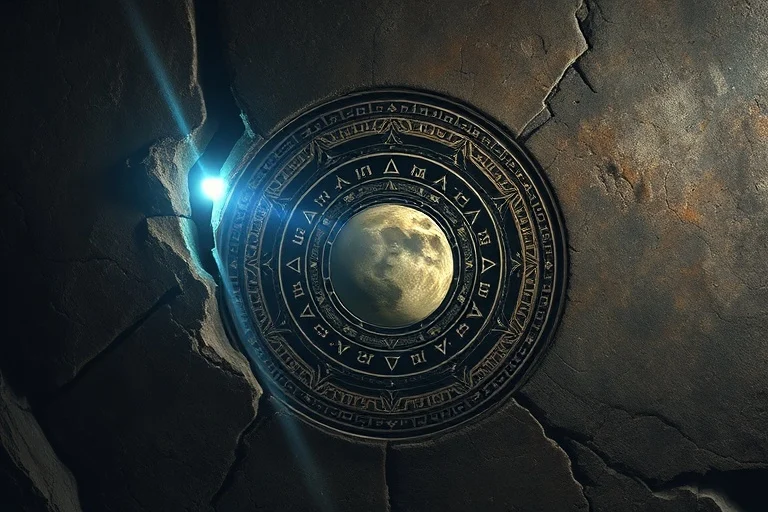
An ancient stone tablet, revealing astrological glyphs and runic symbols, representing the hidden wisdom of planetary archetypes.
Planetary Archetypes and Their Shadow Manifestations
Each planet in astrology represents a fundamental psychological function or archetypal energy. Understanding both the light and shadow expressions of these archetypes is crucial for effective astro-psychological shadow work. The shadow manifests when these energies are repressed, denied, or expressed in an unbalanced way. Below is a table outlining key planetary archetypes and their common shadow manifestations:
| Planetary Archetype | Light Manifestations (Conscious) | Shadow Manifestations (Unconscious/Repressed) |
|---|---|---|
| Sun (Ego, Identity, Core Self) | Confidence, vitality, self-expression, leadership, purpose. | Arrogance, egocentrism, need for external validation, lack of self-worth, creative blocks. |
| Moon (Emotions, Nurturing, Inner Child) | Empathy, intuition, emotional security, adaptability, caregiving. | Moodiness, emotional dependency, hypersensitivity, passive-aggressiveness, neglecting self-care. |
| Mercury (Communication, Intellect, Logic) | Clarity, curiosity, articulate expression, analytical thinking, learning. | Deceit, gossip, overthinking, anxiety, inability to express thoughts, intellectual arrogance. |
| Venus (Love, Values, Harmony, Aesthetics) | Affection, beauty, diplomacy, appreciation, self-worth, relationship skills. | Vanity, superficiality, codependency, people-pleasing, fear of rejection, materialism. |
| Mars (Action, Drive, Assertion, Courage) | Initiative, passion, bravery, healthy competition, self-defense. | Aggression, impulsivity, anger issues, conflict avoidance, resentment, lack of boundaries. |
| Jupiter (Expansion, Beliefs, Growth, Wisdom) | Optimism, generosity, faith, higher learning, philosophical understanding. | Excess, recklessness, dogmatism, self-righteousness, overindulgence, unrealistic expectations. |
| Saturn (Structure, Discipline, Responsibility, Karma) | Maturity, resilience, integrity, self-mastery, commitment, wisdom through experience. | Fear, rigidity, self-criticism, guilt, feelings of inadequacy, victimhood, depression. |
| Uranus (Innovation, Rebellion, Freedom, Awakening) | Originality, independence, inventiveness, progressive thought, breaking free. | Erratic behavior, instability, impulsiveness, disruptive tendencies, fear of commitment, social alienation. |
| Neptune (Spirituality, Dreams, Illusion, Compassion) | Empathy, artistic talent, spiritual connection, intuition, selfless love. | Delusion, escapism, addiction, victim mentality, confusion, self-deception, boundary dissolution. |
| Pluto (Transformation, Power, Regeneration, Shadow) | Deep healing, empowerment, resilience, profound transformation, uncovering truth. | Obsession, control, manipulation, fear of power, destructive tendencies, repression of trauma. |
By examining the positions and aspects of these planets in one's natal chart, an astro-psychologist can pinpoint specific areas where shadow work is most potent and necessary. For example, a challenging aspect to Mars might indicate repressed anger or a fear of healthy assertion, while a difficult Venus placement could point to issues of self-worth or an inability to receive love.
The Natal Chart as a Map for Shadow Integration
The natal chart serves as an invaluable diagnostic tool in shadow work. Each planet, sign, and house placement, along with the aspects between planets, offers specific clues about where an individual's shadow might be most active. This astrological map helps to identify the archetypal energies that are either overexpressed, suppressed, or projected onto others.
Consider the following key astrological indicators for shadow integration:
- Chiron: The Wounded Healer. Chiron's placement by sign and house often reveals our deepest wounds and insecurities, which are fertile ground for shadow work. These are areas where we feel inadequate or flawed, and thus tend to repress or project. Integrating Chiron's shadow involves acknowledging these wounds and transforming them into sources of wisdom and compassion for self and others.
- Pluto: The Lord of the Underworld. Pluto's position is highly significant for shadow work, as it represents areas of deep transformation, power dynamics, and what has been hidden or repressed. The house Pluto occupies indicates where we seek profound control or experience power struggles, and where our most intense shadow material resides. Aspects to Pluto can reveal obsessive tendencies, fears of betrayal, or repressed trauma.
- Lunar Nodes: Karmic Pathways. The North and South Nodes of the Moon represent karmic lessons and inherited patterns. The South Node indicates past life habits and comfort zones that can become shadow traps, hindering growth. The North Node points towards our soul's evolutionary path, requiring us to consciously integrate new qualities and release old shadow patterns.
- Difficult Aspects (Squares, Oppositions, Quincunxes). These aspects between planets often highlight inner conflicts and areas of tension. For example, a square between the Moon and Mars might indicate a struggle with expressing emotions assertively, leading to passive aggression (Moon shadow) or explosive outbursts (Mars shadow). Identifying these aspects helps pinpoint specific archetypal energies that need conscious integration.
- Intercepted Signs and Houses. Intercepted signs are those that are entirely contained within a house, meaning their energy is not expressed on a house cusp. This can symbolize repressed or unconscious qualities that are difficult to access, making them prime candidates for shadow work. The intercepted sign's archetypal energy may be projected or remain undeveloped until consciously acknowledged.
By systematically analyzing these chart factors, individuals can gain precise insights into the nature of their shadow, moving beyond vague feelings of unease to targeted self-exploration. This specificity is what makes the astro-psychological approach so powerful for healing.
Practical Techniques for Healing
Integrating shadow work with planetary archetypes is not merely an intellectual exercise; it requires active engagement and practical techniques. These methods help bring unconscious material to the surface and facilitate its integration.
- Astrological Journaling and Active Imagination: Based on natal chart insights, individuals can journal about specific planetary archetypes and their shadow manifestations. For example, if Mars in the 12th house suggests repressed anger, journaling about past instances of feeling powerless or overly aggressive can bring these feelings to light. Active imagination, a Jungian technique, involves engaging in a dialogue with shadow figures or archetypal symbols that emerge from the unconscious, allowing them to express themselves and reveal their wisdom.
- Dream Analysis: Dreams are direct messages from the unconscious. By understanding the planetary archetypes active in one's chart, dream symbols can be interpreted with greater precision. For instance, if Neptune is prominent and struggling, dreams might feature themes of fog, drowning, or escape, pointing to the need to address escapist tendencies or illusions.
- Projection Identification: Recognizing when we are projecting our own shadow onto others is a cornerstone of shadow work. If someone consistently triggers strong reactions in us, it's often an indication that they are embodying an unacknowledged part of our own shadow. The natal chart can help identify which planetary archetypes are most likely to be projected. For example, someone with an unintegrated Saturn shadow might constantly perceive authority figures as overly critical or restrictive.
- Ritual and Symbolic Work: Engaging in symbolic rituals can be powerful for integrating shadow material. This might involve creating an altar representing a challenging planetary energy, performing a release ceremony for repressed emotions, or consciously embodying the positive aspects of an archetype through creative expression like dance or art.
- Mindfulness and Self-Observation: Developing a practice of mindful self-observation allows individuals to catch shadow manifestations as they arise in daily life. Noticing patterns of thought, emotion, and behavior without judgment is the first step towards conscious integration. This practice helps to bridge the gap between the conscious ego and the unconscious shadow.
- Therapeutic Support: Working with an astro-psychological counselor or a therapist trained in Jungian psychology can provide invaluable guidance. These professionals can help interpret complex chart dynamics, facilitate deep shadow exploration in a safe environment, and offer strategies for integration that might be difficult to navigate alone.
These techniques, when applied consistently and with intention, lead to a deeper understanding of the self and a more harmonious relationship with one's inner world. The journey is not always easy, but the rewards of wholeness and authenticity are profound.

Intertwined tree roots reaching into a glowing cavern, symbolizing the connection between the conscious mind and the hidden depths of the unconscious for holistic healing.
Benefits and Challenges of Integrated Healing
The integration of shadow work with planetary archetypes offers a multitude of benefits for personal healing and growth. However, like any profound psychological journey, it also presents unique challenges that require conscious navigation.
Key Benefits:
- Greater Wholeness and Authenticity: By integrating repressed aspects of the self, individuals experience a profound sense of completeness and are able to live more authentically, aligning their inner and outer worlds.
- Enhanced Self-Awareness: The astrological map provides unparalleled precision in identifying specific psychological patterns and their archetypal roots, leading to deep self-understanding.
- Reduced Inner Conflict: Bringing unconscious conflicts to light allows for their resolution, diminishing internal struggles, self-sabotage, and emotional volatility.
- Empowerment and Agency: Understanding how unconscious forces operate empowers individuals to take conscious control of their lives, transforming reactive patterns into proactive choices.
- Improved Relationships: As projections are withdrawn, relationships become clearer, more honest, and less burdened by unconscious dynamics. Individuals can relate to others from a place of genuine self-acceptance.
- Access to Hidden Talents and Resources: Often, positive aspects of the shadow (e.g., power, creativity) are repressed alongside negative ones. Integrating the shadow unlocks these latent potentials.
- Spiritual Growth: This journey often leads to a deeper connection with one's spiritual self and a more expansive understanding of the human experience.
Potential Challenges:
- Emotional Intensity: Confronting repressed material can be emotionally overwhelming, bringing up painful memories or intense feelings that require careful processing and support.
- Resistance and Denial: The ego naturally resists acknowledging its shadow, making the initial stages of shadow work challenging. It requires significant courage and commitment to push past this resistance.
- Risk of Over-Identification: There's a risk of becoming overly identified with the shadow, leading to self-pity or a distorted self-image if not approached with balance and self-compassion.
- Misinterpretation: Without proper guidance, astrological interpretations can be misinterpreted, leading to fatalism or misdirection in shadow work. A nuanced understanding of archetypal energies is essential.
- Lack of Professional Support: Navigating deep psychological material without the guidance of a trained professional can be difficult and potentially destabilizing for some individuals.
Despite these challenges, the profound and lasting benefits of integrating shadow work with planetary archetypes make it a highly valuable path for those committed to deep psychological healing and spiritual evolution. It is a journey that ultimately leads to a more integrated, authentic, and empowered self.
In conclusion, astro-psychology offers a sophisticated and holistic framework for understanding and healing the human psyche. By consciously engaging with the shadow aspects revealed through planetary archetypes in the natal chart, individuals can unlock immense potential for growth, resolve deep-seated conflicts, and cultivate a life of greater purpose and well-being. This powerful synthesis provides a comprehensive map for navigating the inner landscape and transforming unconscious patterns into conscious strengths.
Fuente: Contenido híbrido asistido por IAs y supervisión editorial humana.


Comments
Post a Comment