
Astrology Mental Health Chart Well-being Self-Care Guide | StarPluto
In an increasingly complex world, the pursuit of mental well-being has become paramount. While modern psychology and therapy offer invaluable tools, ancient practices like astrology can provide a unique, complementary lens through which to understand our inner landscape. Far from fortune-telling, astrological insights derived from your birth chart can illuminate inherent strengths, potential challenges, and emotional patterns that influence your mental health journey. This guide explores how understanding your unique cosmic blueprint can empower you in self-care and personal growth.
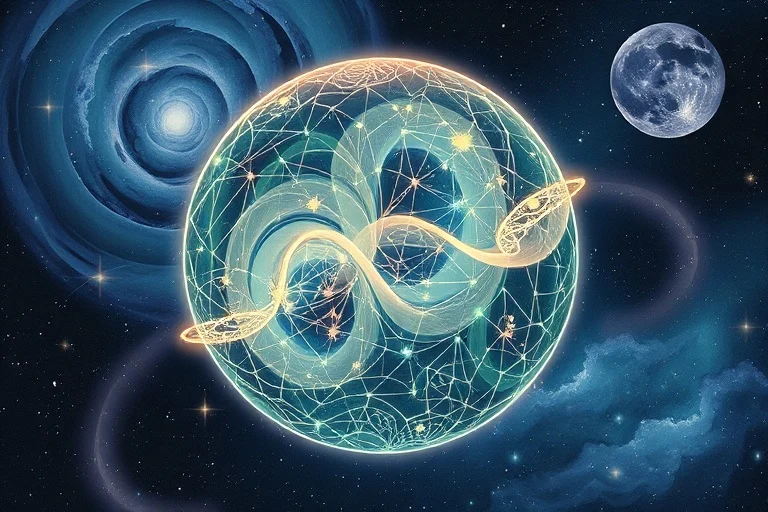
Exploring the intricate connection between celestial patterns and human consciousness for mental health insights.
The birth chart is a snapshot of the heavens at the precise moment and location of your birth. It maps the positions of the planets, signs, and houses, each representing different facets of your personality, motivations, and life experiences. By decoding this celestial map, individuals can gain a deeper understanding of their psychological predispositions, emotional needs, and areas where they might experience stress or find resilience. This self-knowledge is a powerful first step towards proactive self-care and fostering mental wellness.
Understanding your astrological chart is not about predicting a fixed destiny but rather about recognizing the energies at play within you. It provides a framework for self-reflection, helping you identify core emotional drivers, communication styles, and how you assert yourself in the world. This awareness can lead to more conscious choices, improved coping mechanisms, and a greater sense of agency over your mental and emotional states. It encourages a holistic view of well-being, integrating the spiritual and psychological dimensions of human experience.
Table of Contents
- Foundational Astrological Elements for Mental Health
- Planets and Psychological Well-being
- Houses: Life Arenas and Mental Health
- Aspects: The Interplay of Energies
- Practical Applications for Self-Care and Well-being
- Ethical Considerations in Astrology and Mental Health
Foundational Astrological Elements for Mental Health
To begin interpreting your birth chart for mental well-being, it's essential to understand its core components. These elements act as building blocks, each contributing to a comprehensive psychological profile. The interplay between them reveals the nuances of an individual's inner world and their approach to emotional challenges.
- The Sun Sign: Your Core Identity and Purpose. Your Sun sign represents your ego, conscious self, and fundamental drive. It speaks to your essential nature and how you express your vitality. Understanding your Sun sign can highlight your natural strengths and how you seek recognition, which are crucial for self-esteem and a sense of purpose.
- The Moon Sign: Emotional Core and Needs. The Moon governs your emotional responses, subconscious patterns, and innate needs for security and comfort. It reveals how you nurture yourself and react instinctively to situations. A well-understood Moon sign can be a guide to emotional self-regulation and identifying what truly brings you inner peace.
- The Ascendant (Rising Sign): Your Persona and Coping Mechanisms. The Ascendant is the sign rising on the eastern horizon at your birth. It dictates your outward personality, initial reactions, and the lens through which you view the world. It also signifies your physical body and how you cope with stress, offering clues to your natural defense mechanisms and how you present yourself to others.
Each of these foundational elements provides a distinct layer of understanding. The Sun shows your conscious will, the Moon your emotional foundation, and the Ascendant your interface with the world. Harmonizing these energies is key to a balanced mental state. For instance, a strong Sun can provide resilience, while a challenged Moon might indicate areas needing emotional support or self-soothing practices. The Ascendant can reveal how you instinctively react to external pressures, allowing you to develop more intentional responses.
Planets and Psychological Well-being
Beyond the luminaries (Sun and Moon), each planet in your birth chart symbolizes a specific psychological function or drive. Their placement in signs and houses, and the aspects they form, describe how these functions operate within your psyche and influence your mental health.
| Planet | Psychological Function | Mental Health Connection |
|---|---|---|
| Mercury | Communication, intellect, thought patterns | Influences anxiety, overthinking, clarity of thought, and how effectively you express your needs. Challenges here might lead to communication breakdowns or mental agitation. |
| Venus | Love, values, relationships, self-worth, pleasure | Impacts self-esteem, ability to form healthy relationships, and finding joy. Difficult Venus placements can manifest as feelings of unworthiness or relationship struggles. |
| Mars | Action, assertion, drive, anger, courage | Relates to how you assert yourself, manage anger, and pursue goals. Suppressed Mars energy can lead to resentment or passive aggression, while overactive Mars can cause impulsivity or conflict. |
| Jupiter | Expansion, growth, optimism, philosophy, faith | Associated with hope, resilience, and a positive outlook. A well-placed Jupiter can foster an expansive mindset, while challenges might lead to a lack of faith or excessive indulgence. |
| Saturn | Discipline, responsibility, limitations, structure, fear | Governs feelings of inadequacy, self-discipline, and how you handle challenges. Strong Saturn can bring stability, but difficult aspects can indicate chronic self-doubt or depression. |
| Uranus | Innovation, rebellion, sudden change, freedom | Relates to the need for authenticity and freedom. Can indicate nervous energy or a desire to break free from constraints. Sudden changes might trigger anxiety or breakthroughs. |
| Neptune | Spirituality, intuition, illusion, escapism, compassion | Influences empathy, spiritual connection, and susceptibility to illusion. Can lead to deep compassion or, when challenged, confusion, addiction, or a tendency to escape reality. |
| Pluto | Transformation, power, control, regeneration, subconscious | Deals with deep psychological patterns, power dynamics, and trauma. Pluto's influence can bring intense psychological challenges but also profound healing and transformation. |
By examining the condition of these planets in your chart – their sign, house placement, and aspects – you can pinpoint specific areas where your psychological functions may be amplified, challenged, or suppressed. For example, a Mercury in a water sign might indicate intuitive communication but also a tendency to absorb others' thoughts, leading to mental overwhelm. A strong Saturn can provide mental fortitude, while a challenging Saturn aspect might highlight areas where you feel restricted or burdened, potentially contributing to feelings of depression or anxiety.
Houses: Life Arenas and Mental Health
The twelve houses of the zodiac represent different areas of life where planetary energies manifest. Understanding which houses are emphasized in your chart, and which planets reside within them, offers clues about where your mental health might be particularly impacted or where you can find resources for healing.

A journal and herbal tea, symbolizing introspection and soothing practices for mental well-being.
- 6th House: Health, Routine, and Service. This house directly relates to physical and mental health, daily routines, and work. Planets here can indicate how you manage stress, your approach to self-care, and potential areas of health vulnerability. For example, a challenging planet here might suggest a need for structured wellness practices.
- 8th House: Transformation, Shared Resources, and Trauma. The 8th house delves into deep psychological processes, power dynamics, and experiences of loss or transformation. It can highlight areas where subconscious patterns or past traumas might affect mental health. Healing work often involves understanding the themes of this house.
- 12th House: Subconscious, Isolation, and Spirituality. Often called the house of self-undoing, the 12th house governs hidden matters, solitude, spiritual practices, and unconscious patterns. Planets here can point to tendencies towards escapism, self-sabotage, or profound spiritual connection. Understanding this house is vital for addressing underlying mental health issues and finding spiritual solace.
- 1st House (Ascendant): Self-Image and Vitality. While also a foundational element, the 1st house specifically impacts your self-perception and physical vitality. Challenges here might manifest as issues with self-worth or body image, directly affecting mental health.
- 4th House: Home, Family, and Emotional Foundations. This house represents your roots, family environment, and emotional security. Issues in this house can point to family-related stress or early childhood experiences impacting adult mental well-being.
Analyzing the planets and signs within these houses can offer profound insights into the specific life areas that contribute to your mental state. For instance, a challenging Saturn in the 6th house might suggest a need for strict discipline in health routines to prevent burnout, or an ongoing struggle with chronic conditions. Conversely, a beneficial Jupiter in the 12th house could point to spiritual practices as a powerful source of healing and resilience against subconscious fears.
Aspects: The Interplay of Energies
Aspects are the angular relationships between planets in your birth chart, revealing how different psychological functions interact. They describe the dynamics, harmonies, and tensions within your personality, which significantly impact your mental and emotional experience.
- Conjunctions (0°): Integration and Emphasis. When two planets are conjunct, their energies merge and are strongly emphasized. This can create a powerful drive in a specific area but might also lead to an over-identification with those combined energies. For mental health, a challenging conjunction (e.g., Moon-Saturn) could indicate deep-seated emotional inhibitions or depressive tendencies that need conscious integration.
- Oppositions (180°): Polarity and Balance. Oppositions represent a dynamic tension between two opposing forces, often experienced as a push-pull in relationships or inner conflict. Learning to balance these energies is crucial for mental equilibrium. For example, a Sun-Moon opposition might signify a struggle between conscious identity and emotional needs, requiring integration to achieve inner peace.
- Squares (90°): Challenge and Growth. Squares indicate friction and obstacles, often leading to internal conflict or external challenges. While uncomfortable, they are powerful catalysts for growth and development. A square involving Mercury might suggest mental blocks or communication struggles that, once addressed, can lead to significant breakthroughs in self-expression.
- Trines (120°): Harmony and Ease. Trines represent a harmonious flow of energy, indicating natural talents and areas of ease. These aspects provide support and resilience. A trine involving Venus and Jupiter, for instance, can foster natural optimism and a loving disposition, contributing positively to mental well-being.
- Sextiles (60°): Opportunity and Cooperation. Sextiles offer opportunities for easy cooperation between planetary energies, suggesting talents that can be developed with conscious effort. They provide avenues for constructive expression and problem-solving, which can be beneficial for managing stress and finding creative solutions.
Understanding the aspects in your chart helps you identify where your energies naturally flow, where they clash, and where you have opportunities for growth. Difficult aspects are not curses but rather indicators of areas where conscious effort and self-awareness can lead to profound transformation and resilience. For instance, a challenging aspect to Neptune might highlight a tendency towards escapism, prompting a conscious decision to engage in grounding practices or seek clarity.
Practical Applications for Self-Care and Well-being
Armed with astrological insights, you can tailor your self-care practices to better suit your unique psychological makeup. This personalized approach can be far more effective than generic advice, leading to more sustainable well-being.
Visualizing the cosmic connection to inner workings, promoting harmony and understanding of mental processes.
- Understanding Your Triggers: Your Moon sign and its aspects can reveal your emotional vulnerabilities. For example, a Moon in Cancer might indicate a deep need for security and home, and feeling threatened in these areas could be a significant trigger for emotional distress. Knowing this allows you to create environments that foster safety.
- Leveraging Strengths for Resilience: Your Sun sign and well-aspected planets (especially Jupiter and Venus) highlight your innate strengths. If your Sun is in Leo, creative expression and leadership might be natural outlets for boosting your self-esteem and fighting off feelings of inadequacy.
- Developing Tailored Coping Strategies:
- Mercury: If Mercury is challenged, practices like journaling, meditation, or cognitive behavioral therapy can help manage anxious thought patterns.
- Mars: For challenging Mars placements, physical activity, martial arts, or assertive communication training can help channel anger constructively.
- Neptune: If Neptune is prominent, engaging in spiritual practices, creative arts, or spending time in nature can help ground you and clarify confusion.
- Improving Relationships: Venus placements and aspects can shed light on your relationship patterns and needs. Understanding these can help you communicate more effectively and choose partners who better align with your emotional and value systems, reducing relationship-induced stress.
- Promoting Self-Compassion: Astrology encourages a non-judgmental view of your inherent nature. Recognizing that certain tendencies are part of your cosmic blueprint can foster self-acceptance and reduce self-criticism, which is fundamental for mental well-being.
By integrating these astrological insights into your daily life, you move from passively experiencing your mental states to actively engaging with them. This proactive approach transforms challenges into opportunities for growth, fostering a deeper connection with your authentic self and enhancing your overall well-being. The birth chart becomes a personalized guide, offering a roadmap to navigate your inner world with greater awareness and compassion.
Ethical Considerations in Astrology and Mental Health
It is crucial to approach the intersection of astrology and mental health with a clear understanding of its role and limitations. Astrology is a powerful tool for self-understanding and personal development, but it is not a substitute for professional medical or psychological diagnosis and treatment. The ethical application of astrological insights emphasizes empowerment and self-awareness, not prediction or definitive pronouncements.
- Complementary, Not Curative: Astrology should always be viewed as a complementary practice. It can offer valuable insights into personality traits and emotional patterns that might contribute to mental health challenges, but it cannot diagnose conditions like depression, anxiety disorders, or other psychological illnesses. These require the expertise of licensed mental health professionals.
- Promoting Self-Awareness: The primary benefit of using astrology for mental well-being is its capacity to foster self-awareness. By understanding the energies in your chart, you can identify your unique ways of processing emotions, communicating, and reacting to stress. This knowledge empowers you to make informed decisions about your self-care routines and seek appropriate support when needed.
- Avoiding Determinism: An ethical approach to astrology avoids fatalistic interpretations. While your birth chart reveals predispositions, it does not dictate an unchangeable destiny. Instead, it highlights potentials and challenges, offering opportunities for conscious choice and personal growth. The goal is to work with your chart, not be defined by it.
- Respecting Professional Boundaries: Astrologers are not therapists or doctors. They should not offer medical advice, diagnose mental health conditions, or suggest discontinuing prescribed treatments. Ethical practice involves encouraging clients to seek professional help for clinical issues and using astrological insights to support, rather than replace, therapeutic journeys.
- Focus on Empowerment: The ultimate aim is to empower individuals to take an active role in their mental health. Astrology can provide a framework for understanding personal narratives and identifying resources for resilience. It encourages self-compassion and a deeper connection to one's inner world, fostering a sense of agency over one's well-being.
By adhering to these ethical guidelines, astrology can serve as a meaningful and supportive tool in the broader landscape of mental health and self-care. It offers a unique perspective that can enrich an individual's journey towards greater psychological balance and personal fulfillment, always in conjunction with, and respectful of, established medical and psychological practices. For anyone experiencing significant mental health difficulties, consulting a qualified mental health professional is always the recommended first step.
In conclusion, integrating astrological insights into your mental health journey offers a profound path to self-discovery and enhanced well-being. Your birth chart is a rich tapestry of energies that, when understood, can illuminate your emotional landscape, reveal your innate strengths, and highlight areas needing conscious attention. By embracing this ancient wisdom as a tool for self-awareness and personal growth, you empower yourself to navigate life's challenges with greater resilience and cultivate a deeper, more compassionate relationship with your inner self. Remember, astrology is a guide, not a dictator, and its greatest value lies in fostering introspection and supporting your journey towards holistic mental wellness.
Fuente: Contenido híbrido asistido por IAs y supervisión editorial humana.


Comments
Post a Comment