
Bio-Resonance Healing: Frequencies for Cellular Well-being | StarPluto
Bio-resonance healing represents a fascinating frontier in complementary and alternative medicine, positing that the human body emits and responds to specific electromagnetic frequencies. This therapeutic approach suggests that when these frequencies become imbalanced due to illness, stress, or environmental factors, the body's natural healing capabilities are compromised. By identifying and then rebalancing these disrupted vibrational patterns, bio-resonance aims to restore cellular well-being and promote holistic health from within.
The concept, while not universally accepted by conventional medical science, has garnered a dedicated following among those seeking non-invasive and drug-free solutions for various health concerns. It operates on the premise that every cell, tissue, and organ in the body possesses a unique electromagnetic signature, and deviations from these optimal frequencies can indicate the presence of disease or dysfunction. Understanding bio-resonance requires an open mind to the intricate interplay between energy, matter, and biological processes.
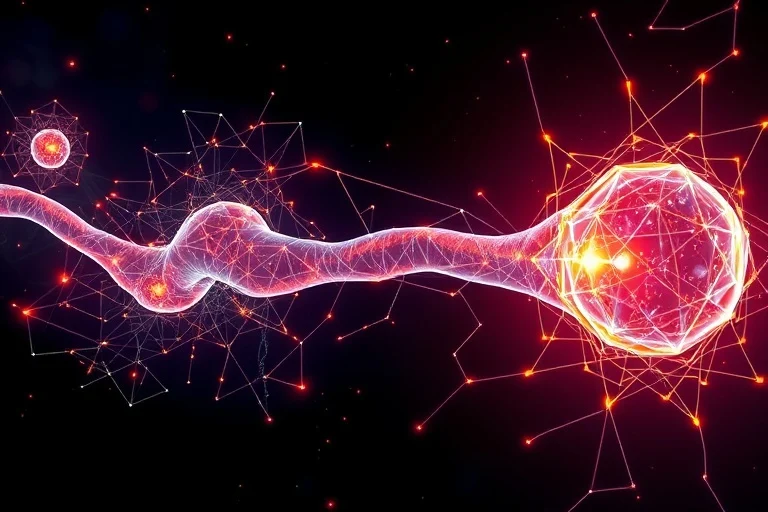
Conceptual depiction of Tarot Quantum Mechanics Intersecting Divination Reality interacting with a human cell, illustrating the core principle of vibrational healing.
This in-depth exploration will delve into the foundational theories, historical development, practical applications, and the ongoing scientific debate surrounding bio-resonance healing. Our goal is to provide an educational and informed perspective on this intriguing modality, offering insights into its potential role in modern wellness strategies.
Table of Contents
- Understanding Bio-Resonance Healing
- Historical Roots and Evolution
- The Science of Vibrational Frequencies
- Mechanism of Action: How it Works
- Common Applications and Reported Benefits
- Scientific Scrutiny and Current Research
- Regulatory Landscape and Safety Considerations
- Finding a Qualified Practitioner
Understanding Bio-Resonance Healing
Bio-resonance therapy, often categorized under energy medicine, operates on the fundamental concept that all matter, including living organisms, possesses a unique electromagnetic field and emits specific vibrational frequencies. These frequencies are thought to be crucial for maintaining health and proper cellular function. Proponents suggest that external factors like toxins, pathogens, and emotional stress can disrupt these delicate energetic patterns, leading to disease.
The core idea is to identify these "pathological" frequencies and then counteract or neutralize them using inverted or harmonizing frequencies. This process aims to restore the body's natural self-regulation and healing capacities. It's a holistic approach that views the body as an interconnected system of energetic pathways rather than just a collection of separate organs.
While the terminology might sound complex, the principle is often likened to tuning a radio. Just as a radio needs to be tuned to the correct frequency to receive a clear signal, the body's cells are believed to require precise frequencies to function optimally. Bio-resonance devices are designed to "read" these frequencies and then "broadcast" corrective ones.
Historical Roots and Evolution
The roots of bio-resonance healing can be traced back to early 20th-century scientific inquiries into electromagnetism and its effects on biological systems. Pioneers like Dr. Royal Rife, with his work on frequency generators, and Dr. Reinhold Voll, who developed electroacupuncture diagnostics, laid some of the conceptual groundwork. These early researchers explored the idea that specific frequencies could influence cellular health and even target pathogens.
However, modern bio-resonance therapy, as it is largely practiced today, emerged in Germany in the 1970s with the development of the "MORA-Therapy" by Dr. Franz Morell and engineer Erich Rasche. They introduced the concept of using a patient's own electromagnetic oscillations for diagnosis and therapy, a method they termed "MORA" (from Morell and Rasche). This marked a significant shift towards utilizing endogenous (body's own) frequencies rather than purely exogenous (external) ones.
Since then, various bio-resonance devices and methodologies have evolved, each with its specific nuances but generally adhering to the core principle of energetic rebalancing. The technology has advanced, incorporating computer-aided analysis and more sophisticated frequency generation, making the practice more accessible and refined over the decades.
The Science of Vibrational Frequencies
The theoretical "science" behind bio-resonance is rooted in quantum physics and biophysics, suggesting that biological systems are not merely biochemical machines but also intricate electromagnetic systems. Every atom, molecule, and cell vibrates at a specific frequency, and these vibrations create a complex energetic field around the body. This field is sometimes referred to as the "biofield" or "aura" in more esoteric traditions.
According to this perspective, healthy cells and organs exhibit harmonious, coherent frequency patterns. Conversely, diseased or stressed cells emit distorted or disharmonious frequencies. Bio-resonance devices are designed to detect these abnormal patterns. The idea is that these disharmonious frequencies can be "canceled out" or "inverted" by introducing a mirror-image frequency, much like noise-canceling headphones work.

A serene depiction of Tarot Quantum Mechanics Intersecting Divination Reality, illustrating the concept of energetic balance within the human form.
Furthermore, the concept extends to the idea of "information medicine," where frequencies carry specific biological information that can influence cellular processes. While conventional medicine primarily focuses on biochemical interactions, bio-resonance proposes that electromagnetic information plays an equally vital role in health and disease. This perspective challenges traditional paradigms and encourages a broader view of physiological regulation.
Mechanism of Action: How it Works
A typical bio-resonance session involves a device connected to the patient via electrodes, usually placed on the hands, feet, or forehead. These electrodes are designed to pick up the body's electromagnetic signals. The device then analyzes these signals, distinguishing between healthy (harmonious) and unhealthy (disharmonious) frequencies.
Once the pathological frequencies are identified, the device processes them. There are two main approaches:
- Inversion Therapy: The device inverts the pathological frequencies and sends them back to the body. The theory is that these inverted frequencies cancel out the original, disruptive ones, much like how two waves of equal amplitude but opposite phase will cancel each other out.
- Harmonization Therapy: The device amplifies and reintroduces the body's own healthy frequencies, or introduces therapeutic frequencies from a pre-programmed library, to strengthen the body's self-healing mechanisms and promote balance.
The treatment aims to reduce the burden of pathological frequencies and enhance the body's physiological oscillations. This process is believed to stimulate detoxification, improve cellular communication, and support the immune system. Sessions are typically painless and non-invasive, often described as relaxing by patients.
Common Applications and Reported Benefits
Proponents of bio-resonance therapy claim a wide range of applications, particularly for chronic conditions where conventional medicine may offer limited solutions. It is often used as a complementary therapy alongside standard medical treatments. Some of the most frequently cited applications include:
- Allergies and Intolerances: Many individuals seek bio-resonance for food intolerances, hay fever, asthma, and skin conditions like eczema, believing it can help desensitize the body to allergens.
- Chronic Pain: Conditions such as migraines, back pain, and fibromyalgia are often targeted, with the aim of reducing inflammation and rebalancing energetic pathways associated with pain signals.
- Detoxification: Bio-resonance is used to support the body's natural detoxification processes, particularly in cases of heavy metal toxicity or exposure to environmental pollutants.
- Gastrointestinal Issues: Irritable Bowel Syndrome (IBS), Crohn's disease, and other digestive disorders are common areas of application, focusing on restoring gut flora balance and reducing inflammation.
- Stress and Fatigue: For conditions like chronic fatigue syndrome, burnout, and general stress, bio-resonance aims to harmonize the nervous system and boost overall vitality.
- Smoking Cessation: Some practitioners use specific frequencies to reduce cravings and support individuals in quitting smoking.
Reported benefits often include improved energy levels, reduced symptoms, better sleep, and an enhanced sense of well-being. It is important to note that these are anecdotal reports and clinical observations from practitioners, rather than outcomes from large-scale, placebo-controlled studies.
Macro view of water molecules, symbolizing the subtle energetic interactions believed to influence cellular well-being.
Scientific Scrutiny and Current Research
Despite its popularity in certain circles, bio-resonance therapy faces significant skepticism from the mainstream scientific and medical communities. The primary criticism centers on the lack of robust, independent, and peer-reviewed scientific evidence demonstrating its efficacy beyond the placebo effect. Many studies conducted on bio-resonance are often small, lack proper control groups, or are funded by manufacturers of the devices, leading to concerns about bias.
Critics argue that the underlying principles of bio-resonance — the existence of specific pathological frequencies that can be detected and neutralized by external devices — are not consistent with established laws of physics and biology. They contend that the electromagnetic fields generated by the human body are extremely weak and unlikely to be manipulated in the way bio-resonance claims.
However, some preliminary studies and anecdotal reports suggest potential benefits, particularly in areas like allergy treatment and pain management. These findings are often attributed to the powerful placebo effect, which can significantly influence patient outcomes, especially in therapies involving a strong practitioner-patient relationship and a belief in the treatment. Further rigorous research, including double-blind, randomized controlled trials, is needed to definitively determine the efficacy and mechanisms of bio-resonance therapy.
Regulatory Landscape and Safety Considerations
The regulatory status of bio-resonance therapy varies significantly across different countries and regions. In many places, bio-resonance devices are classified as medical devices, but often in a lower risk category, meaning they may not undergo the same stringent testing and approval processes as conventional medical equipment. In some jurisdictions, they are marketed as "wellness devices" or "biofeedback equipment," further complicating regulation.
Generally, bio-resonance therapy is considered non-invasive and to have a low risk of adverse side effects. Patients typically report no discomfort during sessions. However, it is crucial to understand that bio-resonance should not be used as a substitute for conventional medical diagnosis or treatment, especially for serious or acute conditions. Delaying or foregoing proven medical care in favor of unproven therapies can have severe health consequences.
Potential contraindications, though rare, might include individuals with pacemakers or other implanted electronic devices, as the electromagnetic fields could theoretically interfere with their function. Pregnant women and individuals with epilepsy are also often advised to exercise caution or avoid the therapy. Always consult with a qualified healthcare professional before starting any new complementary therapy.
Finding a Qualified Practitioner
For those interested in exploring bio-resonance healing, selecting a qualified and ethical practitioner is paramount. Since the field is not universally regulated, practitioner qualifications can vary widely. It is advisable to seek practitioners who have a background in healthcare (e.g., naturopaths, chiropractors, or medical doctors who have integrated bio-resonance into their practice) and who have received specific training and certification in bio-resonance therapy.
Key considerations when choosing a practitioner include:
- Training and Experience: Inquire about their specific training in bio-resonance and how long they have been practicing.
- Transparency: A reputable practitioner should be transparent about their methods, the expected outcomes, and the limitations of the therapy.
- Holistic Approach: Look for practitioners who emphasize a holistic view of health and encourage collaboration with conventional medical professionals.
- Client Testimonials: While not scientific evidence, positive testimonials can offer insight into patient experiences.
- No Exaggerated Claims: Be wary of practitioners who promise miraculous cures or advise discontinuing conventional medical treatments.
A responsible practitioner will always recommend that bio-resonance be used as a complementary therapy, not a replacement for medical diagnosis or treatment, and will refer patients to medical doctors for appropriate care when necessary.
In conclusion, bio-resonance healing offers an intriguing perspective on health and well-being, rooted in the idea that vibrational frequencies play a critical role in cellular function. While it continues to be a subject of scientific debate, its proponents find value in its non-invasive nature and holistic approach to rebalancing the body's energetic systems. As with any complementary therapy, informed decision-making, careful selection of practitioners, and integration with conventional medical advice are essential for a safe and potentially beneficial experience.
Fuente: Contenido híbrido asistido por IAs y supervisión editorial humana.


Comments
Post a Comment