
Cartomancy: Fortune Telling with Standard Playing Cards | StarPluto
Cartomancy, the art of fortune-telling or divination using a standard deck of playing cards, offers a fascinating glimpse into potential futures, present circumstances, and past influences. Unlike Tarot, which employs a specialized deck with distinct imagery and a more complex symbolic system, cartomancy leverages the familiar 52-card deck, making it an accessible and often underestimated tool for self-reflection and guidance. This practice, deeply rooted in history, provides a unique lens through which to explore life's intricate tapestry, offering insights into personal challenges, relationships, and opportunities.
The simplicity of a standard deck belies the profound depth of interpretation available to the skilled cartomancer. Each suit, number, and face card carries specific symbolic weight, allowing for nuanced readings that can illuminate pathways and suggest courses of action. From casual parlor games to serious divinatory sessions, playing cards have served as conduits for intuition and wisdom across various cultures and centuries. Understanding cartomancy involves not just memorizing card meanings but also cultivating an intuitive connection with the cards and the querent's energy.
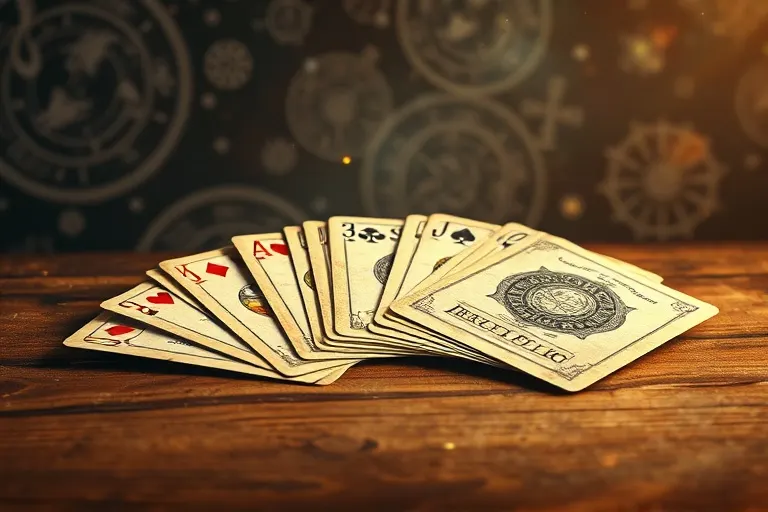
The ancient practice of Tarot Quantum Mechanics Intersecting Divination Reality uses standard playing cards to reveal hidden insights and potential pathways.
This comprehensive guide delves into the origins of cartomancy, the symbolic language of the playing card deck, practical methods for conducting readings, and the ethical considerations necessary for responsible practice. Whether you are a curious beginner or an experienced practitioner seeking to deepen your understanding, this exploration aims to provide a solid foundation for engaging with the mystical world of playing card divination.
Table of Contents
- A Brief History of Cartomancy
- Understanding the Deck: Suits and Their Meanings
- The Significance of Each Card (Ace to King)
- Basic Cartomancy Spreads
- Preparing for a Reading: Setting Intentions and Rituals
- Interpreting the Cards: Intuition and Context
- Ethical Considerations in Cartomancy
A Brief History of Cartomancy
The origins of playing cards themselves are somewhat obscure, believed to have emerged in China around the 9th century before making their way to Europe via the Islamic world by the late 14th century. Initially, these cards were used primarily for games and gambling. However, it wasn't long before their symbolic potential for divination began to be explored, especially as they became more widespread and accessible to the general populace.
By the 16th century, references to fortune-telling with playing cards started appearing in European literature, suggesting a growing interest in their mystical applications. The 18th and 19th centuries saw a significant surge in the popularity of cartomancy, particularly in France, where figures like Marie Anne Lenormand became legendary for their divinatory prowess using a modified deck. While Lenormand's specific deck eventually evolved into its own system, her influence cemented the idea of using playing cards for serious prophetic work.
Unlike Tarot, which often carried connotations of esoteric knowledge and secret societies, cartomancy with standard playing cards remained a more common and approachable form of divination. It was practiced in parlors, at fairs, and within private circles, often passed down through generations. This accessibility contributed to its enduring appeal and its integration into various cultural contexts, evolving with each era while retaining its core principles.
Understanding the Deck: Suits and Their Meanings
A standard deck of 52 playing cards is divided into four suits: Hearts, Diamonds, Clubs, and Spades. Each suit is traditionally associated with a different aspect of life, representing distinct energies and themes. Understanding these fundamental associations is crucial for interpreting the cards accurately within a reading.
- Hearts (Copas): Associated with emotions, relationships, love, family, home, and personal happiness. Hearts often speak to matters of the heart, emotional well-being, and social connections.
- Diamonds (Oros): Represent material wealth, finances, career, practical affairs, and tangible possessions. Diamonds typically relate to money, business, property, and physical resources.
- Clubs (Bastos): Symbolize action, ambition, work, education, challenges, and personal growth. Clubs often indicate professional endeavors, learning, social activities, and overcoming obstacles.
- Spades (Espadas): Traditionally linked to difficulties, challenges, endings, transformation, and wisdom gained through experience. Spades can represent conflict, loss, health matters, or profound insights.
The interplay between these suits in a spread provides a comprehensive overview of the querent's situation, highlighting areas of strength, potential conflict, and opportunities for growth. For instance, a predominance of Hearts might suggest a focus on emotional matters, while many Diamonds could point to financial concerns.
The Significance of Each Card (Ace to King)
Beyond the suits, each individual card from Ace to King carries its own specific meaning, which is then colored by the suit it belongs to. While interpretations can vary slightly between traditions and practitioners, there are widely accepted general meanings for each numerical and face card.
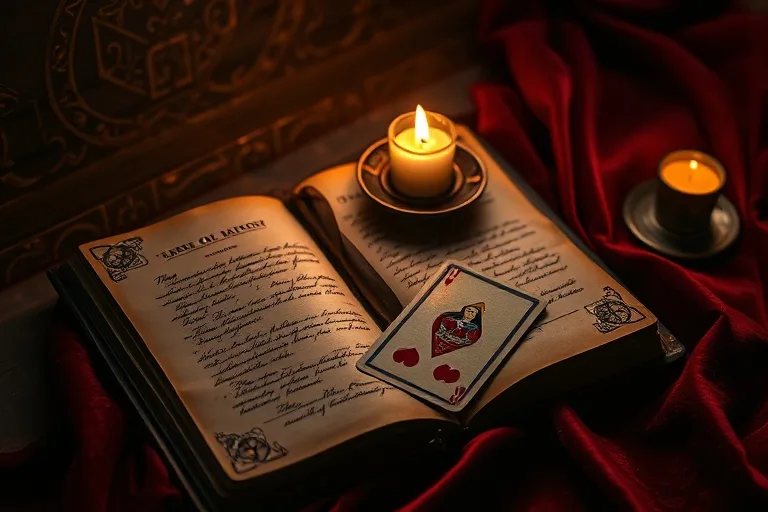
Detailed notes and intuition are key to understanding the nuanced Tarot Quantum Mechanics Intersecting Divination Reality in cartomancy.
- Aces: Generally signify new beginnings, potential, opportunities, and fresh starts. The specific area of life depends on the suit.
- Twos: Represent duality, balance, partnership, choices, and cooperation. They often indicate decisions or relationships.
- Threes: Symbolize growth, creativity, expansion, groups, and communication. They can suggest development or social interactions.
- Fours: Denote stability, foundation, order, security, and structure. They often relate to consolidation or routine.
- Fives: Indicate change, conflict, instability, challenge, and freedom. They can point to disruption or a need for adaptation.
- Sixes: Represent harmony, adjustment, communication, reconciliation, and progress. They often suggest finding balance or moving forward.
- Sevens: Symbolize reflection, spirituality, introspection, hidden truths, and inner work. They can indicate a need for deeper thought or spiritual insight.
- Eights: Denote movement, progress, justice, power, and ambition. They often relate to action, achievement, or legal matters.
- Nines: Represent completion, fulfillment, culmination, abundance, and realization. They can signify the nearing of a goal or satisfaction.
- Tens: Indicate endings, new cycles, burdens, completion of a phase, and destiny. They often mark a significant transition.
- Jacks (or Knaves): Typically represent young people (often male), messages, new ideas, or impulsive energy. They can be messengers or new influences.
- Queens: Usually represent mature women, nurturing, intuition, influence, and emotional intelligence. They can symbolize important female figures or feminine qualities.
- Kings: Generally represent mature men, authority, leadership, wisdom, and control. They can symbolize important male figures or masculine qualities.
When interpreting, consider the card's numerical value or rank in conjunction with its suit. For example, the Ace of Hearts might signify a new romantic relationship, while the Ace of Diamonds could represent a new financial opportunity. The surrounding cards in a spread will further refine these meanings, creating a cohesive narrative.
Basic Cartomancy Spreads
While complex spreads exist, starting with simpler layouts is best for beginners. These basic spreads provide clear positions for cards, making interpretation more straightforward. The key is to assign a specific meaning to each position in the layout before drawing the cards.
The Three-Card Spread: Past, Present, Future
This is one of the most fundamental and versatile spreads in cartomancy, ideal for quick insights or when focusing on a specific question. It involves drawing three cards and laying them out in a row.
- Card 1 (Left): Represents the past influences or events that have led to the current situation.
- Card 2 (Middle): Reflects the current situation, present energies, or what is happening now.
- Card 3 (Right): Indicates the potential future outcome, advice, or what is likely to happen if the current path continues.
When interpreting, consider how the cards interact. Does the past card explain the present? Does the future card offer a resolution or a new challenge? This spread encourages a narrative flow, connecting cause and effect.
The Five-Card Spread: Situation and Guidance
A slightly more detailed spread, the five-card layout provides a broader perspective on a situation, offering both context and advice. The cards are typically laid out in a cross or a line.
- Card 1 (Center): The core of the matter, the central issue or question.
- Card 2 (Above/Left): The challenge or obstacle currently faced.
- Card 3 (Below/Right): Advice or the best course of action.
- Card 4 (Left/Past): External influences or factors from the past affecting the situation.
- Card 5 (Right/Future): The potential outcome or resolution.
This spread allows for a deeper dive into the dynamics of a problem, offering actionable insights rather than just predictive outcomes. It's excellent for problem-solving and understanding complex situations.
Preparing for a Reading: Setting Intentions and Rituals
The effectiveness of a cartomancy reading often depends on the preparation and mindset of the reader and the querent. Creating a conducive environment and setting clear intentions can significantly enhance the clarity and accuracy of the insights received.
- Clear Your Space: Choose a quiet, undisturbed area. You might light a candle, burn incense, or play calming music to create a sacred atmosphere.
- Clear Your Mind: Before shuffling, take a few deep breaths to center yourself. Release any preconceived notions or anxieties about the outcome.
- Formulate a Clear Question: If reading for a specific query, ensure it is open-ended and focused. Avoid yes/no questions; instead, ask "What do I need to know about...?" or "How can I best approach...?"
- Shuffle with Intention: As you shuffle, focus on your question or intention. Imagine your energy flowing into the cards. Shuffle until it feels right.
- Cut the Deck: Once shuffled, cut the deck into two or three piles and then reassemble them. This act is often seen as sealing the intention and preparing the cards for the draw.
These rituals help to create a mental and energetic bridge between the reader, the cards, and the deeper intuitive wisdom being sought. Consistency in your preparation can also build a stronger personal connection with your deck over time.
Interpreting the Cards: Intuition and Context
Interpreting a cartomancy spread is more than just recalling individual card meanings; it's about weaving a coherent story from the symbols presented. Intuition plays a significant role, guiding the reader to connect the dots and understand the underlying message.
Cartomancy explores the intricate balance between Tarot Quantum Mechanics Intersecting Divination Reality, offering guidance without dictating outcomes.
- Look for Patterns: Are there many cards of the same suit? This indicates a strong focus on that area of life. Are there many high or low-value cards? High cards (Tens, Jacks, Queens, Kings) often suggest significant events or people, while low cards (Aces to Fives) can point to foundational issues or new developments.
- Consider Card Combinations: Cards rarely stand alone. How does a card's meaning change or intensify when next to another? For example, a Heart card next to a Diamond card might indicate financial matters related to love or family.
- Context is Key: Always relate the cards back to the querent's question or situation. A card's meaning can shift depending on the specific context of the reading.
- Trust Your Intuition: While knowledge of card meanings is essential, your gut feeling or initial impression when a card is revealed is equally important. Practice listening to your inner voice.
- Avoid Literal Interpretations: Cartomancy provides symbolic guidance, not literal predictions. A "King of Clubs" might represent a strong, ambitious male figure, or it could symbolize the querent's own need to embody those qualities.
Keeping a journal of your readings can be incredibly beneficial. Document the question, the spread, the cards drawn, and your interpretations. Over time, you'll develop a personal dictionary of card meanings and an enhanced intuitive understanding that is uniquely yours.
Ethical Considerations in Cartomancy
Like any form of divination, cartomancy carries ethical responsibilities, especially when reading for others. A responsible cartomancer aims to empower, not to dictate or instill fear. Adhering to a strong ethical framework ensures that readings are constructive and respectful.
- Empowerment, Not Prediction: Frame interpretations as guidance and possibilities, not unchangeable destinies. Emphasize that the querent always has free will to alter their path.
- Respect Confidentiality: All information shared during a reading should be treated with the utmost confidentiality.
- Avoid Medical or Legal Advice: Cartomancy is not a substitute for professional medical, legal, or financial advice. Always advise querents to seek qualified professionals for such matters.
- Maintain Neutrality: Approach each reading without judgment or personal bias. Present the cards' messages as objectively as possible.
- Be Honest and Compassionate: Deliver messages truthfully, even if challenging, but always with compassion and sensitivity. Offer constructive ways to navigate difficulties.
- Know Your Limits: If a question is beyond your comfort zone or expertise, or if you feel unable to provide a clear reading, it's ethical to decline or suggest another approach.
By upholding these ethical guidelines, cartomancy remains a valuable tool for self-discovery and personal growth, fostering a deeper connection to one's inner wisdom and the subtle currents of life.
Conclusion: The Enduring Appeal of Cartomancy
Cartomancy, with its humble deck of playing cards, offers a powerful and accessible pathway to self-understanding and foresight. Far from being a mere parlor trick, it is a sophisticated system of symbolism that, when approached with respect and intuition, can unlock profound insights into life's myriad complexities. Its historical journey from ancient games to a revered divinatory art underscores humanity's timeless quest for meaning and guidance.
The practice encourages us to look beyond the surface, to interpret patterns, and to trust our inner wisdom. By engaging with the suits and individual card meanings, and by applying ethical considerations, practitioners can provide valuable perspectives that empower individuals to make informed decisions and navigate their personal journeys with greater clarity. Whether for personal reflection or guiding others, cartomancy remains a vibrant and relevant spiritual practice in the modern world, continually inviting us to explore the unseen forces that shape our existence.
Fuente: Contenido híbrido asistido por IAs y supervisión editorial humana.


Comments
Post a Comment