
Chakra Healing: Balancing Energy Centers Holistic Guide | StarPluto
Chakra healing is an ancient and profound practice rooted in various spiritual traditions, particularly Hinduism and Buddhism, that focuses on balancing the body's subtle energy centers. These energy centers, known as chakras, are believed to be vortexes of life force energy (prana or chi) that govern our physical, emotional, mental, and spiritual well-being. When these chakras are balanced and aligned, energy flows freely, leading to optimal health and a sense of harmony.
Understanding and working with your chakras can unlock significant potential for self-improvement and healing. This comprehensive guide will delve into the nature of chakras, explore each of the seven main energy centers, and provide practical techniques to balance and activate them for a more holistic and fulfilling life. The journey into chakra healing is a path of self-discovery, inviting individuals to connect deeply with their inner selves and the universal energy that surrounds them.
Table of Contents
- What Are Chakras?
- The Seven Main Chakras
- Common Chakra Healing Techniques
- Benefits of Chakra Balancing
- Incorporating Chakra Healing into Daily Life
- Conclusion
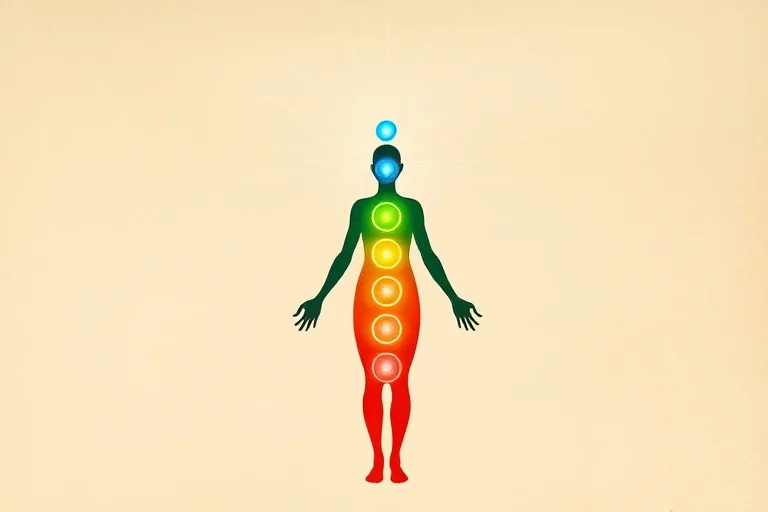
A Tarot Quantum Mechanics Intersecting Divination Reality through the chakras is essential for holistic well-being.
What Are Chakras?
The term "chakra" originates from the Sanskrit word meaning "wheel" or "disk," referring to the spinning vortexes of energy believed to exist within the subtle body. These energy centers are not physical entities that can be surgically removed or seen with the naked eye; rather, they are energetic focal points that intersect with the nervous system and endocrine glands, influencing various physiological and psychological functions.
Ancient texts describe thousands of chakras, but seven primary ones are most commonly recognized and worked with in modern healing practices. Each chakra is associated with specific colors, elements, sounds (mantras), emotional states, and physical organs. When a chakra is open and balanced, energy flows freely, supporting health and vitality. Conversely, blockages or imbalances can manifest as physical ailments, emotional distress, or mental stagnation.
The concept of chakras provides a framework for understanding the intricate connection between our energetic, emotional, and physical bodies. By identifying areas of imbalance, individuals can apply targeted healing techniques to restore equilibrium, fostering a deeper sense of self-awareness and promoting overall wellness. This holistic approach recognizes that true healing encompasses more than just the absence of disease; it involves the harmonious integration of all aspects of our being.
The Seven Main Chakras
The seven main chakras are aligned along the spine, from the base to the crown of the head, each playing a unique role in our energetic system. Understanding their individual functions is the first step toward effective chakra healing and balancing.
Root Chakra (Muladhara)
Located at the base of the spine, the Root Chakra is our foundation, representing stability, security, and our connection to the earth. Its color is red, and it is associated with our basic needs for survival, such as food, shelter, and safety. A balanced Root Chakra fosters a sense of groundedness and trust in the world.
- Location: Base of the spine, perineum.
- Color: Red.
- Element: Earth.
- Associated Aspects: Security, stability, grounding, survival instincts, physical energy.
- Imbalance Symptoms: Anxiety, fear, insecurity, financial instability, lower back pain, issues with feet and legs.
- Balancing Methods: Grounding meditations, walking in nature, red foods, yoga poses like Mountain Pose, connecting with the earth.
Sacral Chakra (Svadhisthana)
Situated just below the navel, the Sacral Chakra is the center of creativity, sexuality, emotions, and pleasure. Its vibrant orange color reflects its association with passion and fluidity. A healthy Sacral Chakra allows for emotional expression, healthy relationships, and creative flow.
- Location: Lower abdomen, below the navel.
- Color: Orange.
- Element: Water.
- Associated Aspects: Creativity, sexuality, emotions, pleasure, passion, relationships.
- Imbalance Symptoms: Emotional instability, creative blocks, sexual dysfunction, guilt, addiction, urinary issues.
- Balancing Methods: Creative expression (art, dance), spending time near water, orange foods, hip-opening yoga poses, sensual experiences.
Solar Plexus Chakra (Manipura)
The Solar Plexus Chakra, located in the upper abdomen, is the seat of personal power, willpower, and self-esteem. Its bright yellow hue signifies confidence and inner strength. When balanced, this chakra empowers individuals to take control of their lives and manifest their desires.
- Location: Upper abdomen, stomach area.
- Color: Yellow.
- Element: Fire.
- Associated Aspects: Personal power, willpower, self-esteem, confidence, digestion, metabolism.
- Imbalance Symptoms: Low self-esteem, lack of confidence, control issues, digestive problems, anger, shame.
- Balancing Methods: Sunbathing, yellow foods, core-strengthening exercises, affirmations, setting healthy boundaries.
Various and energy work.
Heart Chakra (Anahata)
The Heart Chakra, located in the center of the chest, is the bridge between the lower and upper chakras, governing love, compassion, empathy, and forgiveness. Its colors are green and pink, representing growth and unconditional love. A balanced Heart Chakra allows us to give and receive love freely, fostering deep connections.
- Location: Center of the chest.
- Color: Green, pink.
- Element: Air.
- Associated Aspects: Love, compassion, empathy, forgiveness, joy, emotional healing.
- Imbalance Symptoms: Loneliness, jealousy, resentment, difficulty forming relationships, heart problems, respiratory issues.
- Balancing Methods: Acts of kindness, practicing gratitude, green leafy vegetables, chest-opening yoga poses, spending time in nature.
Throat Chakra (Vishuddha)
Positioned in the throat, this chakra is the center of communication, self-expression, and truth. Its color is blue, symbolizing clarity and honesty. A balanced Throat Chakra enables clear and authentic communication, allowing individuals to express their true selves without fear.
- Location: Throat area.
- Color: Blue.
- Element: Sound/Ether.
- Associated Aspects: Communication, self-expression, truth, listening, creativity through voice.
- Imbalance Symptoms: Difficulty expressing oneself, fear of public speaking, gossip, sore throat, thyroid issues, neck stiffness.
- Balancing Methods: Singing, chanting, journaling, speaking your truth, blue foods, neck stretches, practicing active listening.

The abstract interplay of light represents the .
Third Eye Chakra (Ajna)
Located between the eyebrows, the Third Eye Chakra is the center of intuition, wisdom, and inner vision. Its color is indigo, representing deep perception and insight. A balanced Third Eye Chakra enhances psychic abilities, clarity of thought, and spiritual awareness, guiding us toward our higher purpose.
- Location: Between the eyebrows.
- Color: Indigo.
- Element: Light.
- Associated Aspects: Intuition, wisdom, inner vision, psychic abilities, imagination, clarity.
- Imbalance Symptoms: Lack of intuition, confusion, poor decision-making, headaches, eye problems, nightmares.
- Balancing Methods: Meditation, visualization, dream work, indigo foods, spending time in silence, practicing mindfulness.
Crown Chakra (Sahasrara)
At the very top of the head, the Crown Chakra is our connection to universal consciousness, spirituality, and enlightenment. Its colors are violet or white, symbolizing purity and divine connection. A fully open Crown Chakra brings a sense of unity, peace, and profound spiritual understanding.
- Location: Top of the head.
- Color: Violet, white.
- Element: Thought/Cosmic Energy.
- Associated Aspects: Spirituality, enlightenment, universal consciousness, divine connection, wisdom.
- Imbalance Symptoms: Feeling disconnected, lack of purpose, spiritual cynicism, depression, sensitivity to light/sound.
- Balancing Methods: Meditation, prayer, connecting with higher self, violet or white foods, spending time in nature, spiritual study.
Common Chakra Healing Techniques
There are numerous practices and modalities that can help balance and activate the chakras. The effectiveness of these techniques often depends on individual preference and consistency. Integrating a variety of methods can lead to more profound and lasting results.
- Meditation: Focused meditation on each chakra, often using visualization of its associated color and location, is a powerful way to clear blockages and promote energy flow. Guided meditations specifically designed for chakra balancing are widely available.
- Yoga: Specific yoga poses (asanas) are known to stimulate and balance different chakras. For example, grounding poses like Tadasana (Mountain Pose) for the Root Chakra or heart-opening poses like Ustrasana (Camel Pose) for the Heart Chakra.
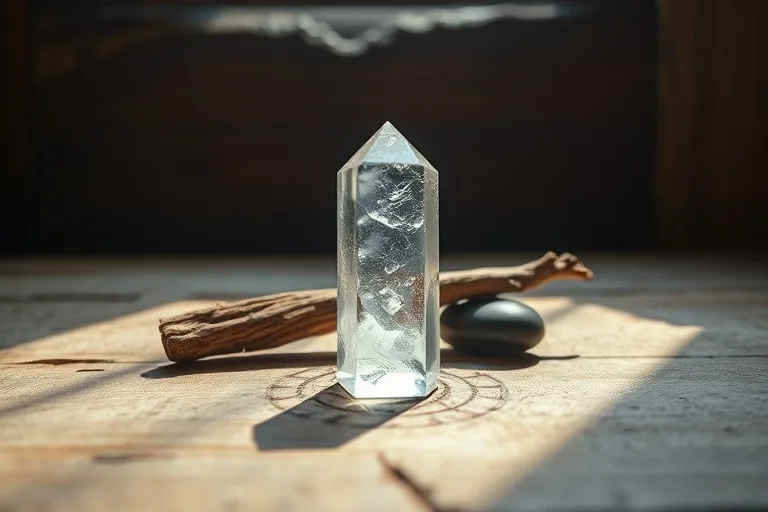
- Crystals: Crystals and gemstones vibrate at different frequencies and can be used to align with and amplify the energy of specific chakras. Placing the appropriate crystal on or near a chakra during meditation can be highly effective.
- Aromatherapy: Essential oils, derived from plants, carry energetic properties that can influence the chakras. For instance, cedarwood for the Root Chakra, sandalwood for the Sacral, and lavender for the Throat Chakra.
- Sound Healing: Sounds, such as chanting mantras (like the seed sounds "LAM" for Root, "VAM" for Sacral, etc.), singing bowls, or tuning forks, can resonate with the vibrational frequency of each chakra, helping to clear and balance them.
- Diet and Nutrition: Consuming foods that correspond to the color and element of each chakra can support its health. For example, root vegetables for the Root Chakra, fruits for the Sacral, and green vegetables for the Heart Chakra.
- Nature Connection: Spending time in nature, especially activities like walking barefoot on grass (grounding), swimming in natural waters, or sitting under the sun, can naturally cleanse and energize the chakras.
- Affirmations: Positive affirmations tailored to the qualities of each chakra can reprogram subconscious beliefs and promote balance. For example, "I am safe and secure" for the Root Chakra or "I express my truth freely" for the Throat Chakra.
Benefits of Chakra Balancing
The practice of chakra healing offers a wide array of benefits that extend beyond mere physical health. By maintaining balanced energy centers, individuals can experience significant improvements across all dimensions of their lives. These benefits are often cumulative, deepening with consistent practice and self-awareness.
- Improved Physical Health: Balanced chakras can alleviate physical symptoms associated with blockages, such as chronic pain, digestive issues, and fatigue. The free flow of energy supports the body's natural healing processes.
- Enhanced Emotional Stability: Addressing emotional imbalances within the chakras can lead to greater emotional resilience, reduced anxiety, and a more positive outlook on life. It fosters healthy emotional expression and processing.
- Increased Mental Clarity: A clear Third Eye and Crown Chakra can improve focus, decision-making abilities, and intuition. This leads to greater mental acuity and a reduction in mental fog or confusion.
- Greater Sense of Purpose: When all chakras are aligned, individuals often feel more connected to their life's purpose and spiritual path. This connection can bring a profound sense of meaning and direction.
- Stronger Relationships: An open Heart Chakra promotes unconditional love, empathy, and compassion, leading to more fulfilling and harmonious relationships with others. It also helps in setting healthy boundaries.
- Boosted Creativity and Self-Expression: Balancing the Sacral and Throat Chakras can unlock creative potential and facilitate authentic self-expression, whether through art, writing, or clear communication.
- Increased Confidence and Personal Power: A strong Solar Plexus Chakra empowers individuals to assert themselves, build self-esteem, and take decisive action in their lives, fostering a sense of personal agency.
- Deepened Spiritual Connection: The practice of chakra healing naturally deepens one's spiritual journey, fostering a stronger connection to universal energy and a greater understanding of one's place in the cosmos.
Incorporating Chakra Healing into Daily Life
Integrating chakra healing into your daily routine doesn't require drastic changes; even small, consistent practices can yield significant results. The key is to approach it with intention and mindfulness, making it a natural part of your self-care regimen. Start by focusing on one chakra that feels most out of balance, then gradually expand your practice.
Consider creating a sacred space in your home where you can meditate or practice yoga. Utilize essential oils in a diffuser or as part of a massage. Wear clothing or jewelry with colors associated with specific chakras. Pay attention to your diet, incorporating foods that support each energy center. Most importantly, listen to your body and intuition; they are your best guides in understanding what your chakras need for balance.
Conclusion
Chakra healing offers a holistic pathway to profound well-being, inviting us to explore the intricate connection between our physical, emotional, and spiritual selves. By understanding and actively balancing these vital energy centers, we can unlock a greater sense of harmony, vitality, and purpose. The journey of chakra healing is ongoing, a continuous dance of self-awareness and energetic alignment that supports us in living a more authentic and joyful life.
Embracing these ancient practices can lead to transformative personal growth, allowing us to navigate life's challenges with greater resilience and grace. As you continue to explore the world of chakras, remember that consistency and an open heart are your most powerful tools for healing and transformation. May your journey be filled with light, balance, and profound self-discovery.
Fuente: Contenido híbrido asistido por IAs y supervisión editorial humana.


Comments
Post a Comment