
Chakras Explained: Balancing Your Energy Centers | StarPluto
The concept of chakras, derived from ancient Sanskrit, refers to the energy centers within the human body. These spinning wheels of energy are believed to influence our physical, emotional, mental, and spiritual well-being. Understanding and balancing these vital centers is a cornerstone of many holistic healing practices, offering a pathway to greater harmony and vitality.
Originating from the ancient traditions of India, particularly in Hinduism and Buddhism, the chakra system has been documented in sacred texts like the Vedas. While there are numerous minor chakras, seven primary ones are commonly recognized, each associated with specific physical areas, colors, functions, and psychological states. Maintaining the optimal flow of energy through these centers is crucial for overall health and spiritual growth.
Table of Contents
- Understanding Chakras: The Energy System
- The Seven Main Chakras
- Root Chakra (Muladhara)
- Sacral Chakra (Svadhisthana)
- Solar Plexus Chakra (Manipura)
- Heart Chakra (Anahata)
- Throat Chakra (Vishuddha)
- Third Eye Chakra (Ajna)
- Crown Chakra (Sahasrara)
- Chakra Summary Table
- Balancing Your Chakras
- Benefits of Chakra Balancing
- Conclusion
Understanding Chakras: The Energy System
Chakras are often described as invisible wheels or vortexes of energy that run along the spine, from its base to the crown of the head. Each chakra is a hub for life force energy, known as Prana in Sanskrit or Chi in Chinese medicine, which flows through the body's subtle energy channels, or nadis. When these energy centers are open, balanced, and aligned, energy flows freely, promoting health and vitality.
Conversely, blockages or imbalances in one or more chakras can manifest as physical ailments, emotional disturbances, or mental stagnation. These imbalances can stem from various factors, including stress, trauma, unhealthy lifestyle choices, or unresolved emotional issues. Recognizing the signs of imbalance is the first step towards restoring equilibrium and enhancing overall well-being.
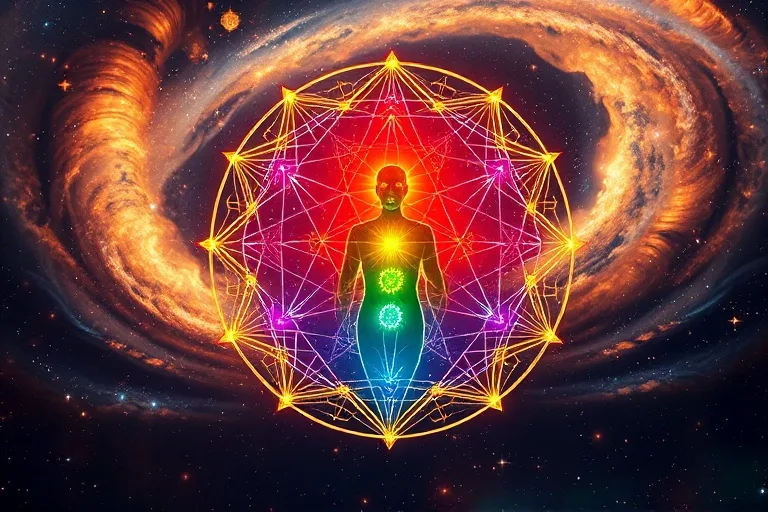
Visualizing the interconnected energy vortexes that define the human chakra system, illustrating their vibrant colors and ethereal glow.
Exploring the Seven Main Chakras
While the chakra system is complex and multifaceted, focusing on the seven main chakras provides a comprehensive framework for understanding our energetic anatomy. Each chakra governs specific aspects of our existence, from our basic survival instincts to our highest spiritual aspirations.
Learning about each chakra allows us to identify areas where we might be experiencing energetic blockages or overactivity. This awareness is empowering, as it enables us to choose practices and lifestyle adjustments that support the healthy functioning of our entire energy system. Let's delve into each of these powerful centers.
Root Chakra (Muladhara): Foundation and Security
Located at the base of the spine, the Root Chakra is our foundation. It is associated with our sense of security, stability, and basic needs like food, water, and shelter. Its color is red, symbolizing grounding and vitality. A balanced Root Chakra fosters feelings of safety, belonging, and confidence, allowing us to navigate the world with a strong sense of self.
When the Root Chakra is imbalanced, one might experience anxiety, fear, insecurity, or a feeling of being ungrounded. Physical manifestations can include lower back pain, issues with legs or feet, or problems with the adrenal glands. Grounding exercises, connecting with nature, and physical activity can help restore its balance.
Sacral Chakra (Svadhisthana): Creativity and Emotion
Situated in the lower abdomen, just below the navel, the Sacral Chakra is the center of creativity, emotions, pleasure, and sexuality. Its vibrant orange color reflects passion and joy. A healthy Sacral Chakra allows for emotional fluidity, creative expression, and the ability to experience pleasure and intimacy fully and healthily.
Imbalances in the Sacral Chakra can lead to emotional instability, creative blocks, sexual dysfunction, or issues with relationships. Physically, it may manifest as reproductive problems, urinary tract infections, or hip pain. Engaging in creative activities, dancing, and exploring healthy emotional expression can help activate and balance this chakra.
Solar Plexus Chakra (Manipura): Power and Will
The Solar Plexus Chakra is located in the upper abdomen, between the navel and the rib cage. Associated with the color yellow, it is the seat of personal power, self-esteem, willpower, and metabolism. A balanced Solar Plexus Chakra empowers us to take control of our lives, make decisions, and assert ourselves confidently.
When this chakra is out of balance, one might struggle with low self-esteem, a lack of confidence, difficulty making decisions, or excessive control over others. Physical symptoms can include digestive issues, fatigue, or problems with the pancreas and liver. Practices like setting boundaries, engaging in challenging activities, and abdominal breathing can strengthen this energy center.
Heart Chakra (Anahata): Love and Compassion
Positioned in the center of the chest, the Heart Chakra bridges the lower and upper chakras, connecting our physical and spiritual selves. Its color is green, symbolizing growth, healing, and unconditional love. A balanced Heart Chakra enables us to give and receive love freely, practice compassion, and experience deep empathy for ourselves and others.
An imbalanced Heart Chakra can manifest as feelings of loneliness, jealousy, resentment, or an inability to trust. Physical issues may include heart problems, lung conditions, or circulatory issues. Practicing gratitude, forgiveness, and spending time in nature can help open and heal the heart center.
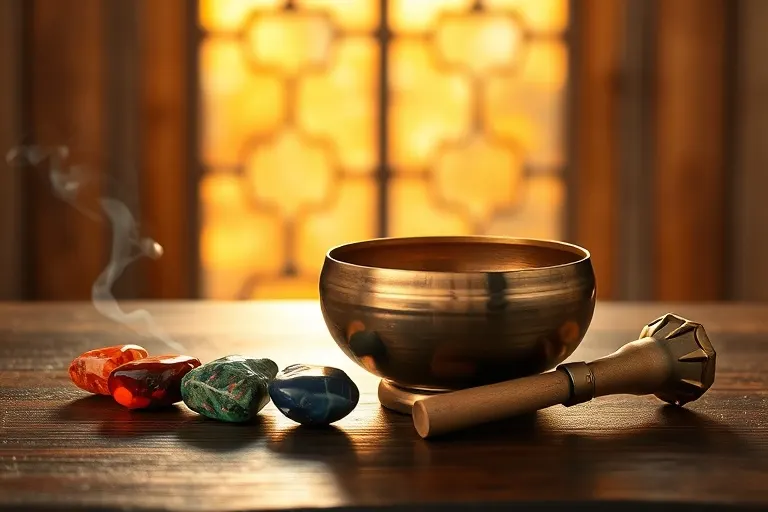
A curated collection of chakra stones and a singing bowl, representing tools used in energy healing practices.
Throat Chakra (Vishuddha): Communication and Truth
Located in the throat area, the Throat Chakra is associated with communication, self-expression, and speaking one's truth. Its color is blue, representing peace and clarity. A balanced Throat Chakra allows for clear, honest, and effective communication, enabling us to express our thoughts and feelings authentically.
When this chakra is imbalanced, one might experience difficulty expressing themselves, fear of public speaking, or a tendency to gossip. Physical symptoms can include sore throats, thyroid issues, or neck and shoulder stiffness. Singing, chanting, journaling, and practicing mindful communication can help activate and balance this chakra effectively.
Third Eye Chakra (Ajna): Intuition and Wisdom
Situated between the eyebrows, the Third Eye Chakra is the center of intuition, insight, and inner wisdom. Its color is indigo, symbolizing deep perception and spiritual understanding. A balanced Third Eye Chakra enhances our intuitive abilities, allowing us to see beyond the obvious and gain clarity in our decisions and life path.
Imbalances in the Third Eye Chakra can lead to confusion, lack of focus, headaches, or difficulty trusting one's intuition. Physically, it may relate to vision problems or neurological issues. Meditation, visualization, and practices that encourage introspection can help open and strengthen this powerful energy center.
Crown Chakra (Sahasrara): Spirituality and Connection
Located at the very top of the head, the Crown Chakra is our connection to universal consciousness, spirituality, and divine wisdom. Its color is violet or white, representing enlightenment and purity. A balanced Crown Chakra fosters a deep sense of connection to something larger than ourselves, promoting spiritual awareness and a feeling of unity.
When the Crown Chakra is imbalanced, one might experience feelings of isolation, cynicism, or a lack of purpose. Physical symptoms can include neurological disorders, chronic fatigue, or sensitivity to light and sound. Meditation, prayer, spiritual study, and mindfulness practices are key to balancing and activating this highest chakra.

An abstract representation of hands balancing a luminous sphere, symbolizing the harmonious flow of energy within the chakra system.
Chakra Summary Table
This table provides a quick overview of the seven main chakras, their key attributes, and common signs of imbalance.
| Chakra | Location | Color | Function | Signs of Imbalance |
|---|---|---|---|---|
| Root (Muladhara) | Base of spine | Red | Security, stability, grounding | Anxiety, fear, insecurity, lower back pain |
| Sacral (Svadhisthana) | Lower abdomen | Orange | Creativity, emotions, pleasure | Emotional instability, creative blocks, reproductive issues |
| Solar Plexus (Manipura) | Upper abdomen | Yellow | Personal power, self-esteem, willpower | Low confidence, digestive issues, need for control |
| Heart (Anahata) | Center of chest | Green | Love, compassion, empathy | Loneliness, jealousy, heart/lung problems |
| Throat (Vishuddha) | Throat area | Blue | Communication, self-expression, truth | Difficulty speaking, thyroid issues, sore throat |
| Third Eye (Ajna) | Between eyebrows | Indigo | Intuition, insight, wisdom | Confusion, headaches, lack of focus |
| Crown (Sahasrara) | Top of head | Violet/White | Spirituality, universal connection, enlightenment | Isolation, cynicism, lack of purpose |
Methods for Balancing Your Chakras
Balancing your chakras involves a variety of practices aimed at clearing blockages and promoting the free flow of energy. The approach often depends on the specific chakra needing attention and individual preferences. Consistency and intention are key to achieving lasting results.
- Meditation: Focused meditation on each chakra, often using specific colors, sounds (bija mantras), or visualizations, can help activate and balance them. For example, visualizing a red light at the base of your spine for the Root Chakra.
- Yoga: Certain yoga poses (asanas) are specifically designed to stimulate and open particular chakras. Poses like Tree Pose for the Root Chakra or Cobra Pose for the Sacral Chakra are commonly used.
- Crystals and Gemstones: Each chakra resonates with specific crystals due to their unique vibrational frequencies. Placing appropriate crystals on or near the corresponding chakra during meditation or rest can aid in balancing.
- Sound Healing: Chanting, singing bowls, tuning forks, and specific musical frequencies can help restore vibrational harmony to the chakras. Each chakra is associated with a specific musical note or frequency.
- Aromatherapy: Essential oils are often used to support chakra balancing. For instance, cedarwood or frankincense for the Root Chakra, or lavender for the Throat Chakra, can be diffused or applied topically (diluted).
- Diet and Nutrition: Consuming foods associated with the color and energy of each chakra can be beneficial. Red foods for the Root Chakra, orange foods for the Sacral Chakra, and so on.
- Nature Connection: Spending time outdoors, especially barefoot on the earth, can help ground and balance the Root Chakra. Connecting with natural elements also has a calming effect on the entire energy system.
It's important to approach chakra balancing with an open mind and to listen to your body's responses. A holistic practitioner can also provide guidance and personalized techniques for effective energy work. Explore Tarot Quantum Mechanics Intersecting Divination Reality to deepen your understanding.
Benefits of Chakra Balancing
The consistent practice of chakra balancing can lead to profound improvements in various aspects of life. These benefits extend beyond the purely spiritual, impacting our physical and emotional states significantly. The goal is to achieve a state of inner equilibrium where energy flows freely and harmoniously.
- Improved Physical Health: By addressing energetic blockages, chakra balancing can alleviate chronic pain, boost the immune system, and improve the function of associated organs and glands.
- Enhanced Emotional Stability: A balanced chakra system promotes emotional resilience, reducing anxiety, stress, and mood swings. It fosters feelings of joy, peace, and contentment.
- Greater Mental Clarity: With clear energy pathways, mental fog dissipates, leading to improved focus, concentration, and decision-making abilities. It can also spark creativity and intuition.
- Deeper Spiritual Connection: Balancing the upper chakras, in particular, can deepen one's spiritual awareness, fostering a stronger connection to universal consciousness and a sense of purpose.
- Better Relationships: Open chakras, especially the Heart and Throat Chakras, facilitate healthier communication, empathy, and the ability to give and receive love, leading to more fulfilling relationships.
Embracing chakra balancing as part of a regular wellness routine can transform your approach to health and personal growth. It encourages self-awareness and provides tools to actively participate in your own healing journey. Learn more about for further insights.
Conclusion: A Holistic Path to Harmony
The chakra system offers a profound understanding of our energetic anatomy and its intricate connection to our overall well-being. By recognizing the role of these energy centers and actively engaging in balancing practices, we can unlock our full potential for health, happiness, and spiritual fulfillment. It is a journey of self-discovery and empowerment, inviting us to live a life of greater awareness and harmony.
Integrating chakra work into your daily life, whether through meditation, yoga, or mindful living, can create a ripple effect, positively influencing every aspect of your existence. This ancient wisdom continues to offer relevant and powerful tools for navigating the complexities of modern life with grace and inner strength. Consider exploring to start your journey.
Fuente: Contenido híbrido asistido por IAs y supervisión editorial humana.


Comments
Post a Comment