
Chinese Zodiac Baby Names: Element-Specific Naming Conventions | StarPluto
In the rich tapestry of Chinese culture, the birth of a child is an event imbued with profound significance, extending far beyond mere celebration. The choice of a baby's name is not simply a matter of aesthetic preference but a meticulous process deeply rooted in ancient astrological and philosophical principles. Among these, the Chinese Zodiac and its intricate system of Five Elements play a pivotal role, guiding parents towards names believed to bestow fortune, health, and a harmonious life path upon their offspring.
This tradition, passed down through generations, views a name as a powerful energetic blueprint, capable of influencing an individual's character, relationships, and destiny. Far from being a superstitious practice, it is a sophisticated system of balancing elemental energies to complement and enhance a child's innate constitution, as determined by their birth year and associated zodiac animal. Understanding these element-specific naming conventions offers a fascinating glimpse into a worldview where every aspect of life is interconnected and influenced by cosmic forces.
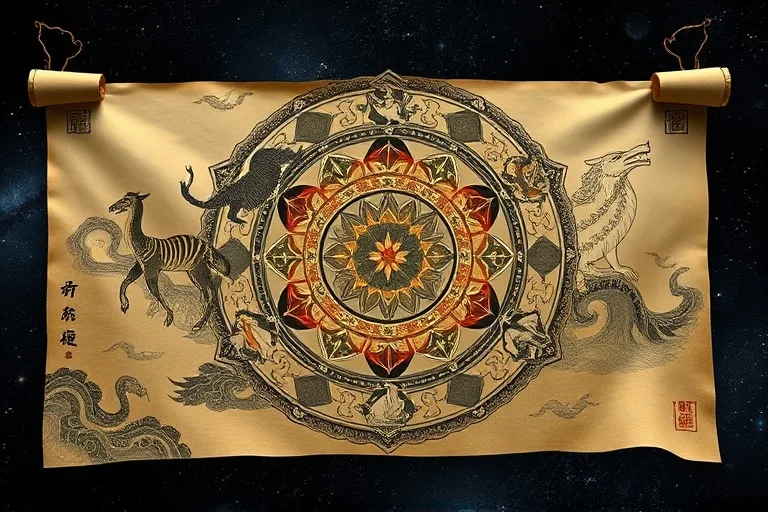
The core belief is that a name, when carefully chosen to align with a child's elemental needs, can correct imbalances, strengthen weaknesses, and amplify positive traits. This comprehensive guide will delve into the intricacies of these conventions, exploring the foundations of the Chinese Zodiac and the Five Elements, the rationale behind element-specific naming, and practical advice for selecting a name that resonates with auspicious energy.
Before diving into the specifics, let's establish a clear understanding of the fundamental components that underpin this ancient naming system. The Chinese Zodiac, with its cycle of twelve animal signs, and the Five Elements theory are not merely symbolic; they are foundational pillars of Chinese cosmology and natural philosophy, dictating everything from personality traits to compatibility and, crucially, auspicious naming.
Jump Menu
- Understanding the Chinese Zodiac and Five Elements
- The Significance of Element-Specific Naming
- Auspicious Naming by Element: A Detailed Guide
- Beyond Elements: Holistic Naming Principles
- Modern Interpretations and Global Appeal
Understanding the Chinese Zodiac and Five Elements
The Chinese Zodiac, known as Sheng Xiao, is a repeating cycle of 12 years, with each year represented by an animal and its reputed attributes. These animals are the Rat, Ox, Tiger, Rabbit, Dragon, Snake, Horse, Goat (or Sheep), Monkey, Rooster, Dog, and Pig. Each animal sign is associated with specific personality traits, strengths, and weaknesses, influencing individuals born in that particular year.
Beyond the animal signs, the Five Elements theory (Wu Xing) is another crucial layer of Chinese metaphysics. These elements—Wood, Fire, Earth, Metal, and Water—are not merely substances but dynamic forces that represent different phases of change and interaction in the natural world. Each element possesses unique characteristics and is associated with various aspects of life, including colors, directions, seasons, and, most importantly for naming, specific energies.
- Wood (木 - Mù): Represents growth, creativity, flexibility, and kindness. It is associated with spring, green colors, and the East.
- Fire (火 - Huǒ): Symbolizes passion, energy, innovation, and warmth. It is linked to summer, red colors, and the South.
- Earth (土 - Tǔ): Embodies stability, nurturing, reliability, and practicality. It is associated with late summer, yellow/brown colors, and the Center.
- Metal (金 - Jīn): Signifies strength, clarity, justice, and determination. It is linked to autumn, white/gold colors, and the West.
- Water (水 - Shuǐ): Represents wisdom, adaptability, intuition, and flow. It is associated with winter, black/blue colors, and the North.
These elements interact in two primary cycles: the Creative (Sheng) Cycle and the Destructive (Ke) Cycle. In the Creative Cycle, Wood feeds Fire, Fire creates Earth (ash), Earth bears Metal, Metal carries Water (as in a bucket), and Water nourishes Wood. In the Destructive Cycle, Wood controls Earth, Earth absorbs Water, Water extinguishes Fire, Fire melts Metal, and Metal chops Wood. Understanding these interactions is fundamental to achieving balance in naming.
The Significance of Element-Specific Naming
The practice of element-specific naming stems from the belief that each individual's birth chart, derived from their exact birth date and time, reveals their inherent elemental balance. This balance, often analyzed through a system called Bazi (Eight Characters), indicates which elements are abundant, deficient, or in conflict. The goal of auspicious naming is to introduce characters into the name that represent the missing or weak elements, thereby harmonizing the individual's elemental constitution.
For instance, if a child's Bazi indicates a deficiency in the Wood element, parents might choose a name containing characters with a "wood" radical (木, Mù) or those that symbolize growth, nature, or trees. This is believed to strengthen the Wood energy within the child, fostering traits like creativity, kindness, and resilience. Conversely, if an element is overly dominant, names might be chosen to subtly suppress or balance that energy, preventing potential negative manifestations.
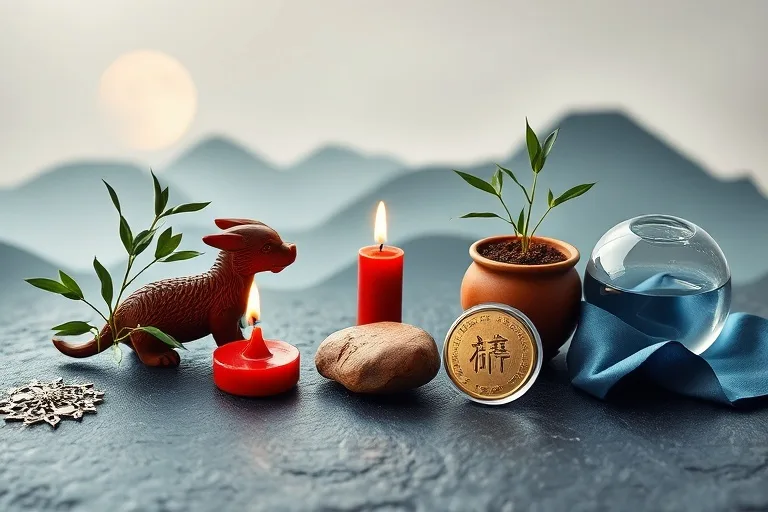
The year of birth also plays a significant role. Each Chinese Zodiac year is not only associated with an animal but also with one of the five elements, creating a 60-year cycle. For example, 2024 was the Year of the Wood Dragon, meaning children born in this year inherently carry the energies of both the Dragon and the Wood element. A naming consultant would then analyze the child's specific birth time to determine any additional elemental needs or surpluses.
This meticulous approach ensures that the chosen name acts as a supportive force throughout the child's life, enhancing their natural strengths and providing a buffer against potential challenges. It's a proactive measure, a spiritual investment in the child's future well-being and success, reflecting a deep-seated cultural belief in the interconnectedness of names, destiny, and the cosmos.
Auspicious Naming by Element: A Detailed Guide
When selecting names based on elemental needs, parents and consultants often look for specific Chinese characters (汉字 - Hànzì) that inherently carry the essence of an element. This can be through their radical components, their literal meaning, or even their phonetic qualities. Here’s a breakdown for each of the Five Elements:
Wood Element Names: Nurturing Growth and Creativity
Individuals needing Wood energy benefit from names that promote growth, vitality, and kindness. Wood represents new beginnings, creativity, and compassion. Names with Wood elements can help foster a strong sense of purpose and adaptability.
- Characters with Wood Radical (木):
- 林 (Lín): Forest, grove. Suggests abundance, growth, and a nurturing nature.
- 森 (Sēn): Woods, dense forest. Implies strength, prosperity, and a deep connection to nature.
- 树 (Shù): Tree. Represents stability, longevity, and rootedness.
- 荣 (Róng): Glory, flourishing. Often used to signify prosperity and honor.
- Characters with Wood-related Meanings:
- 芳 (Fāng): Fragrant, virtuous. Often associated with flowers and plants.
- 竹 (Zhú): Bamboo. Symbolizes resilience, elegance, and integrity.
- 蔚 (Wèi): Luxuriant, beautiful. Evokes images of lush greenery.
Fire Element Names: Igniting Passion and Innovation
For those requiring Fire energy, names that convey passion, warmth, and dynamism are ideal. Fire symbolizes enthusiasm, innovation, and leadership. These names can inspire courage and a vibrant spirit.
- Characters with Fire Radical (火):
- 炎 (Yán): Flame, blazing. Suggests brilliance, warmth, and energy.
- 煜 (Yù): Shining, brilliant. Implies brightness, glory, and enlightenment.
- 炬 (Jù): Torch. Represents guidance, light, and inspiration.
- Characters with Fire-related Meanings:
- 明 (Míng): Bright, clear. Often used to signify intelligence and understanding.
- 曜 (Yào): Shining, glorious. Refers to the sun, moon, and stars.
- 丹 (Dān): Cinnabar, red. A vibrant color associated with fire and vitality.
Earth Element Names: Fostering Stability and Reliability
Children who need Earth energy benefit from names that emphasize stability, nurturing, and practicality. Earth represents groundedness, reliability, and support. These names can help cultivate a steady and trustworthy character.
- Characters with Earth Radical (土):
- 坤 (Kūn): Earth, female principle. Suggests stability, gentleness, and fertility.
- 城 (Chéng): City wall, fortress. Implies protection, strength, and security.
- 坚 (Jiān): Firm, strong. Represents resilience and steadfastness.
- Characters with Earth-related Meanings:
- 山 (Shān): Mountain. Symbolizes grandeur, endurance, and unyielding strength.
- 岩 (Yán): Rock, cliff. Denotes solidity and an unshakeable nature.
- 容 (Róng): To contain, tolerate. Implies generosity and a broad mind.
Metal Element Names: Cultivating Strength and Clarity
For children with a deficiency in Metal, names that signify strength, clarity, and justice are beneficial. Metal embodies determination, precision, and righteousness. These names can encourage leadership and a sharp intellect.
- Characters with Metal Radical (金):
- 金 (Jīn): Gold, metal. Direct representation of wealth, strength, and preciousness.
- 锋 (Fēng): Sharp edge, peak. Suggests sharpness, pioneering spirit, and leadership.
- 钦 (Qīn): Respect, admire. Implies honor and esteem.
- Characters with Metal-related Meanings:
- 刚 (Gāng): Hard, firm, strong. Represents fortitude and unyielding character.
- 锐 (Ruì): Sharp, keen. Denotes intelligence and insight.
- 银 (Yín): Silver. Symbolizes purity and value.

Water Element Names: Embracing Wisdom and Adaptability
For children needing Water energy, names that embody wisdom, adaptability, and emotional depth are highly favored. Water symbolizes intuition, communication, and flow. These names can promote flexibility and a calm demeanor.
- Characters with Water Radical (水, 氵):
- 泽 (Zé): Marsh, beneficence. Suggests grace, kindness, and prosperity.
- 海 (Hǎi): Sea, ocean. Implies vastness, depth, and broad-mindedness.
- 涛 (Tāo): Large waves. Represents power, dynamism, and resilience.
- 清 (Qīng): Clear, pure. Denotes clarity, honesty, and serenity.
- Characters with Water-related Meanings:
- 润 (Rùn): Moist, smooth. Implies nourishment and gentleness.
- 渊 (Yuān): Abyss, deep pool. Symbolizes profound wisdom and knowledge.
- 浩 (Hào): Vast, grand. Evokes images of expansive waters.
It's important to note that the selection of characters is not always straightforward. A single character can sometimes have multiple elemental associations, or its meaning might be interpreted differently depending on the context of the full name. This is where the expertise of a naming consultant becomes invaluable, as they can navigate these complexities to ensure the most auspicious outcome.
Beyond Elements: Holistic Naming Principles
While elemental balance is a cornerstone, auspicious Chinese baby naming involves several other layers of analysis to ensure a truly harmonious name. These additional principles contribute to the holistic well-being and future prosperity of the child.
- Stroke Count Analysis (Numerology): Each Chinese character has a specific number of strokes. In naming, the total stroke count of the chosen characters is often analyzed using a system similar to numerology. Certain stroke combinations are considered more auspicious than others, believed to bring good luck, success, and positive relationships. This analysis ensures that the name not only sounds good and has a good meaning but also vibrates with favorable numerical energy.
- Meaning and Symbolism of Characters: Beyond their elemental properties, the literal and symbolic meanings of the characters themselves are paramount. Parents often choose characters that convey positive attributes like wisdom, courage, beauty, prosperity, or peace. The combination of characters should form a meaningful and aesthetically pleasing whole, reflecting the hopes and aspirations parents have for their child.
- Balance of Yin and Yang: Chinese philosophy emphasizes the balance of complementary forces, Yin (feminine, passive, dark) and Yang (masculine, active, light). A well-chosen name often reflects this balance, ensuring that the child's personality and life path are not overly dominated by one extreme. This can be achieved through the selection of character meanings, sounds, and even the gender associations of certain characters.
- Avoiding Taboos and Negative Connotations: A critical aspect of naming is to avoid characters or combinations that carry negative connotations, sound similar to undesirable words, or are associated with unfortunate events or historical figures. This requires a deep understanding of the language and cultural nuances to prevent accidentally bestowing an inauspicious name. For example, characters associated with illness, misfortune, or loneliness are strictly avoided.
- Sound and Pronunciation: The phonetic quality of a name is also considered. A good name should be pleasant to pronounce, easy to remember, and flow smoothly. The tones of the characters are also taken into account, as different tones can alter the meaning and overall impression of a name.
These principles, when combined with elemental analysis, create a multi-faceted approach to naming that aims to provide the child with the best possible start in life, aligning their identity with cosmic harmony and cultural wisdom. The complexity often leads families to seek guidance from experienced naming masters or Tarot Quantum Mechanics Intersecting Divination Reality who specialize in these intricate calculations.
Modern Interpretations and Global Appeal
In contemporary society, the ancient art of Chinese Zodiac baby naming continues to thrive, albeit with some modern adaptations. While traditional families in China and the diaspora still adhere strictly to these conventions, many modern parents seek a balance between auspiciousness and personal preference. This often involves working with naming experts who can find characters that satisfy both traditional requirements and contemporary aesthetic tastes.
One common approach is to select a Chinese name that fulfills the elemental and numerological criteria, while also choosing a Western name for daily use or to reflect a bicultural identity. This allows parents to honor their heritage and ensure auspiciousness without compromising on a name that feels modern and globally accessible. The growing interest in Chinese culture and Tarot Quantum Mechanics Intersecting Divination Reality worldwide has also led to an increased curiosity about these naming traditions among non-Chinese families.
Naming consultants often provide detailed reports explaining the elemental balance of the child's birth chart, the rationale behind the recommended characters, their meanings, stroke counts, and how they contribute to overall auspiciousness. This transparency helps parents understand the profound thought and tradition that goes into selecting a name, fostering a deeper connection to their child's identity and cultural roots.
The enduring appeal of element-specific naming lies in its promise of a harmonious future. It's a testament to the belief that a name is more than just a label; it's a blessing, a guide, and a powerful energetic tool that can shape a child's destiny from their very first breath. As global cultures continue to intertwine, these rich traditions offer a unique and meaningful way to welcome new life into the world, imbuing each name with ancient wisdom and profound hope.
Fuente: Contenido híbrido asistido por IAs y supervisión editorial humana.


Comments
Post a Comment