
Chinese Zodiac Culinary Traditions: Elemental Diets
Chinese Zodiac culinary traditions offer a profound and holistic approach to well-being, deeply rooted in ancient philosophical principles. This intricate system extends beyond mere astrological predictions, influencing dietary practices designed to harmonize the body with natural rhythms and elemental energies. By understanding one's zodiac animal and its associated element, individuals can tailor their diets to support their unique constitution and adapt to the changing seasons, fostering optimal health and vitality.
This article delves into the fascinating intersection of Chinese Zodiac, the Five Elements theory, and culinary practices. We will explore how these ancient wisdoms guide food choices, seasonal eating, and overall lifestyle adjustments to promote balance and prevent illness. The goal is to provide an introductory yet comprehensive guide for those seeking to integrate these time-honored traditions into their modern lives, enhancing their well-being through informed and intentional eating.
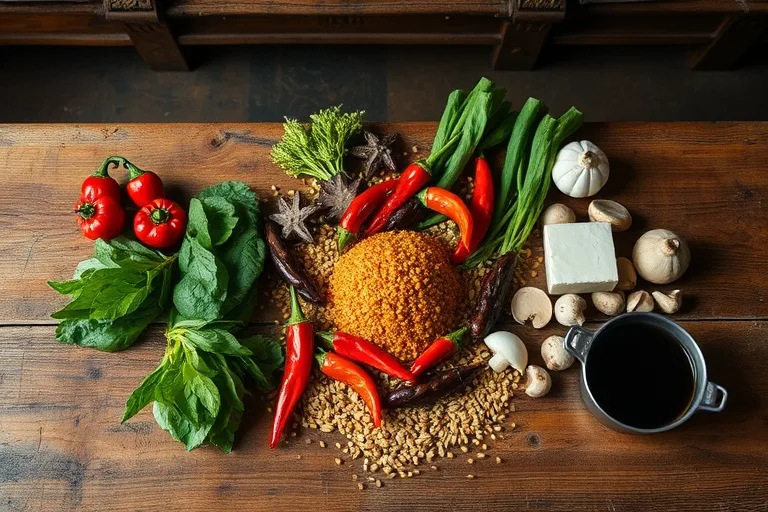
A balanced array of ingredients symbolizing the Five Elements in Chinese culinary traditions.
Table of Contents
- The Five Elements in Chinese Philosophy and Cuisine
- Understanding Your Chinese Zodiac Animal and Element
- Seasonal Eating: Adapting Your Diet to Nature's Rhythms
- Culinary Traditions for Each Element
- Practical Application: Crafting Your Elemental Diet
- Benefits of Harmonizing with Zodiacal Culinary Wisdom
The Five Elements in Chinese Philosophy and Cuisine
The foundation of Chinese Zodiac culinary traditions lies in the ancient theory of the Five Elements (Wu Xing): Wood, Fire, Earth, Metal, and Water. This philosophical framework describes the interactions and transformations of all phenomena in the universe, including the human body and its relationship with food. Each element is associated with specific qualities, colors, seasons, organs, and, crucially, tastes and types of food.
In Chinese medicine and culinary arts, maintaining balance among these elements is paramount for health. An excess or deficiency of any element can lead to imbalance and illness. Food is seen as a powerful tool to nourish, balance, and restore harmony within the body, aligning it with the external environment. This perspective emphasizes a dynamic interplay, where diet is constantly adjusted to support the body's needs.
Understanding the characteristics of each element is the first step towards adopting an elemental diet. For instance, Wood is associated with growth and expansion, Fire with warmth and transformation, Earth with stability and nourishment, Metal with structure and purification, and Water with fluidity and regeneration. These associations guide the selection and preparation of ingredients, ensuring a holistic approach to nutrition.
Understanding Your Chinese Zodiac Animal and Element
Your Chinese Zodiac animal, determined by your birth year, is not merely a symbol but carries an inherent elemental affiliation. While each animal has a fixed element in the 12-year cycle (e.g., Rat is Water, Ox is Earth), the specific year of your birth also corresponds to one of the five elements, creating a more nuanced elemental profile. For example, a person born in 1984 is a Wood Rat, while someone born in 1972 is a Water Rat.
This dual elemental influence shapes your personality, strengths, weaknesses, and even your predispositions to certain health conditions. By identifying your primary and secondary elements, you gain insight into your body's natural tendencies and what dietary adjustments might be most beneficial. For instance, a person with a strong Fire element might benefit from cooling foods, while a Water element individual might need warming ingredients.
Consulting a Chinese Zodiac chart that includes elemental years is crucial for accurate self-assessment. This personalized elemental blueprint serves as a guide for cultivating a diet that supports your innate constitution, promoting long-term health and preventing imbalances before they manifest as illness. It's about working with your natural energetic flow, rather than against it.
Seasonal Eating: Adapting Your Diet to Nature's Rhythms
Beyond individual elemental profiles, Chinese culinary traditions place immense importance on seasonal eating. Each season is strongly associated with a particular element, influencing the types of foods that are most beneficial to consume during that period. This practice ensures that the body remains in harmony with the prevailing environmental energies, bolstering immunity and overall vitality.
For example, spring is linked to the Wood element, emphasizing growth and detoxification. Summer corresponds to Fire, promoting cooling and hydration. Late summer/early autumn is Earth, focusing on nourishment and stability. Autumn is Metal, associated with harvesting and strengthening the lungs. Winter is Water, requiring warming and deeply nourishing foods. This cyclical approach prevents the accumulation of imbalances that can arise from eating foods out of season or that contradict the body's seasonal needs.
Embracing seasonal eating means consuming fresh, locally sourced produce that is naturally abundant during that time. This not only provides optimal nutrients but also ensures that the energetic properties of the food align with the body's seasonal requirements. It's a practice that connects us to nature's cycles and promotes a deeper understanding of our own physiological responses to the environment.
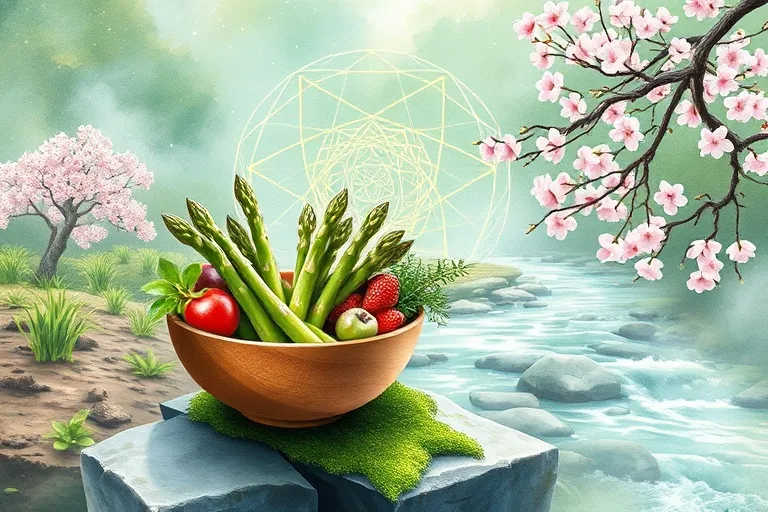
Light and fresh foods, like steamed greens and berries, ideal for the Wood element in spring.
Culinary Traditions for Each Element
Each of the Five Elements has specific culinary recommendations, including preferred tastes, cooking methods, and food types. Integrating these into your diet, especially in alignment with your personal zodiac element and the current season, can significantly enhance your well-being.
Wood Element (Spring, Liver & Gallbladder, Sour Taste)
The Wood element is associated with growth, vitality, and the liver and gallbladder. In spring, it's crucial to cleanse and refresh the body. Foods that support Wood are often green, sour, and light. This helps the liver with detoxification and promotes smooth energy flow.
- Foods: Leafy greens (kale, spinach, broccoli), sprouts, celery, green apples, lemons, limes, vinegar, fermented foods.
- Cooking Methods: Steaming, light stir-frying, raw salads.
- Beneficial for: Those with Wood zodiac elements, or anyone in spring, to support liver health and reduce stagnation.
Fire Element (Summer, Heart & Small Intestine, Bitter Taste)
Fire represents warmth, passion, and the heart and small intestine. In summer, the focus is on cooling the body and nourishing the heart. Bitter and cooling foods are emphasized to counteract heat and promote mental clarity.
- Foods: Bitter greens (dandelion, arugula), cucumber, watermelon, tomatoes, berries, corn, mung beans, green tea.
- Cooking Methods: Light cooking, grilling, raw, cooling beverages.
- Beneficial for: Fire zodiac elements, or during summer, to calm the mind and cool excess heat.
Earth Element (Late Summer, Spleen & Stomach, Sweet Taste)
Earth signifies stability, nourishment, and the spleen and stomach, which are central to digestion. Late summer is a transitional period where the focus is on strengthening digestion and grounding the body. Naturally sweet, earthy, and easily digestible foods are preferred.
- Foods: Root vegetables (sweet potatoes, carrots, pumpkin), grains (millet, rice), legumes, apples, pears, ginger, cinnamon.
- Cooking Methods: Roasting, stewing, simmering, congees.
- Beneficial for: Earth zodiac elements, or during late summer, to support digestion and promote grounding.
Metal Element (Autumn, Lungs & Large Intestine, Pungent Taste)
Metal is associated with structure, purification, and the lungs and large intestine. Autumn is the time for harvesting and strengthening immunity. Pungent foods help to clear the lungs and promote elimination, preparing the body for winter.
- Foods: Garlic, onions, ginger, radishes, white foods (pears, almonds, tofu, daikon), mustard greens, oats.
- Cooking Methods: Baking, stir-frying, light sautéing.
- Beneficial for: Metal zodiac elements, or in autumn, to boost respiratory health and immunity.

A hearty and warming stew, featuring root vegetables, perfect for the Water element in winter.
Water Element (Winter, Kidneys & Bladder, Salty Taste)
Water represents fluidity, regeneration, and the kidneys and bladder. Winter is a time for deep nourishment and conservation of energy. Salty, warming, and deeply nourishing foods are vital to support the kidneys and store energy for the coming year.
- Foods: Seaweed, fish, seafood, black beans, kidney beans, mushrooms, dark leafy greens, miso, bone broths.
- Cooking Methods: Stewing, braising, slow cooking, soups.
- Beneficial for: Water zodiac elements, or during winter, to support kidney energy and build reserves.
Practical Application: Crafting Your Elemental Diet
Implementing an elemental diet based on Chinese Zodiac traditions involves a mindful approach to food selection and preparation. It's not about strict adherence to rigid rules, but rather about developing an intuitive understanding of your body's needs and the energetic properties of food. Here are some practical steps to get started:
- Identify Your Core Element: Determine your Chinese Zodiac animal and its elemental affiliation, along with the element of your birth year. This provides your foundational energetic profile.
- Observe the Seasons: Pay attention to the current season and its dominant element. Prioritize foods that align with both your personal element and the seasonal element.
- Balance the Five Tastes: Aim to incorporate all five tastes (sour, bitter, sweet, pungent, salty) in your diet, with an emphasis on the taste associated with the dominant element you are supporting.
- Listen to Your Body: Develop an awareness of how different foods make you feel. Your body will provide cues about what it needs to maintain balance.
- Embrace Variety: While focusing on specific elemental foods, ensure a wide variety of ingredients to obtain all necessary nutrients.
- Mindful Cooking: Choose cooking methods that enhance the energetic properties of the food. For example, slow cooking for warming winter dishes, or light steaming for refreshing spring meals.
By gradually integrating these principles, you can create a personalized dietary plan that supports your unique constitution and adapts to the ever-changing cycles of nature. This approach fosters not only physical health but also mental clarity and emotional stability.
Benefits of Harmonizing with Zodiacal Culinary Wisdom
Adopting Chinese Zodiac culinary traditions offers a myriad of benefits that extend beyond mere physical nourishment. This holistic approach to eating can lead to profound improvements in overall well-being, fostering a deeper connection between body, mind, and environment. The wisdom embedded in these practices has been refined over centuries, proving its efficacy in promoting sustained health.
One of the primary advantages is enhanced digestive health. By consuming foods that are in season and appropriate for one's elemental constitution, the digestive system operates more efficiently, leading to better nutrient absorption and reduced discomfort. This also contributes to a stronger immune system, as a healthy gut is intrinsically linked to robust immunity. Furthermore, aligning with seasonal eating patterns can regulate energy levels, preventing the common slumps associated with dietary imbalances.
Beyond the physical, these traditions promote mental and emotional balance. Specific elements and their associated foods can influence mood and cognitive function. For instance, nourishing the Wood element in spring can alleviate irritability, while supporting the Fire element in summer can calm anxiety. This mindful approach to food cultivates a sense of harmony and inner peace, reducing stress and fostering greater resilience. It encourages a proactive stance towards health, empowering individuals to take an active role in their well-being through daily dietary choices.
Fuente: Contenido híbrido asistido por IAs y supervisión editorial humana.


Comments
Post a Comment