
Elemental Tigers: Unpacking the Five Types of Tiger Personalities in Depth | StarPluto
The Tiger, a revered and powerful animal in the Chinese Zodiac, symbolizes courage, ambition, and leadership. Far from being a monolithic entity, the Tiger's personality is profoundly nuanced by the Five Elements of Chinese cosmology: Wood, Fire, Earth, Metal, and Water. Each element imbues the Tiger with distinct characteristics, shaping their approach to life, relationships, and challenges. Understanding these elemental variations offers a deeper, more sophisticated insight into the Tiger's complex psyche.
This comprehensive exploration delves into the intricate layers of each elemental Tiger, providing an advanced analysis for those seeking to understand the full spectrum of this majestic zodiac sign. By examining the interplay between the Tiger's inherent qualities and the elemental influences, we uncover a rich tapestry of personality types, each with unique strengths and potential pitfalls.
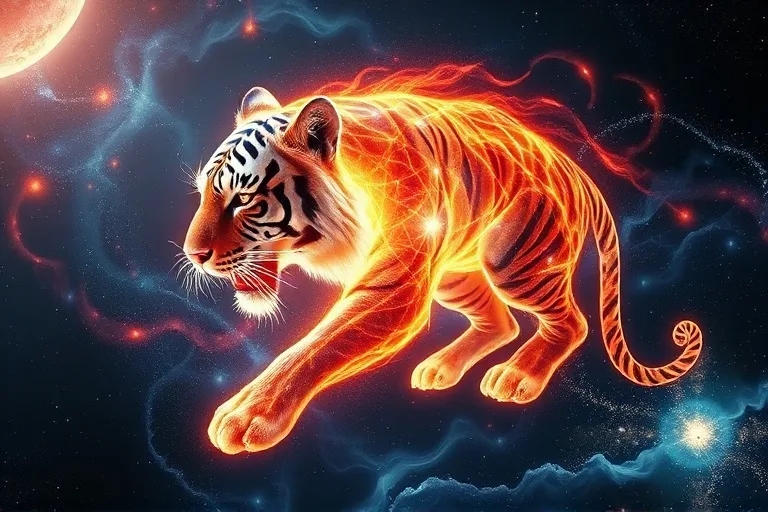
The majestic spirit of the elemental Tiger, a symbol of courage and leadership in Chinese astrology.
Table of Contents
- Introduction to Elemental Tigers
- The Wood Tiger (1914, 1974, 2034): Growth and Vision
- The Fire Tiger (1926, 1986, 2046): Passion and Intensity
- The Earth Tiger (1938, 1998, 2058): Stability and Pragmatism
- The Metal Tiger (1950, 2010, 2070): Strength and Determination
- The Water Tiger (1902, 1962, 2022): Adaptability and Insight
- The Interplay of Elements and Tiger Nature
- Navigating Challenges for Elemental Tigers
- Conclusion: Mastering the Tiger's Essence
- Frequently Asked Questions about Elemental Tigers
Introduction to Elemental Tigers
In Chinese astrology, the twelve animal signs rotate through a 12-year cycle, but a deeper layer of analysis involves the Five Elements: Wood, Fire, Earth, Metal, and Water. These elements also cycle, creating a 60-year elemental-animal cycle. This means that while all Tigers share core traits like bravery and independence, the element governing their birth year significantly refines these characteristics, adding depth and complexity to their individual personalities.
The elemental influence is not merely superficial; it penetrates to the core of the Tiger's being, dictating their primary motivations, emotional responses, and preferred modes of action. Understanding this elemental overlay is crucial for a comprehensive astrological reading and for self-awareness. It allows for a more nuanced appreciation of why two individuals born under the Tiger sign might exhibit vastly different behaviors and life trajectories.
The Wood Tiger (1914, 1974, 2034): Growth and Vision
The Wood element is associated with growth, flexibility, and cooperation. When combined with the Tiger's inherent dynamism, it produces a personality that is less impulsive and more diplomatic than other Tiger types. Wood Tigers are characterized by their expansive vision and their ability to work effectively within groups, a trait not always common among the fiercely independent Tigers.
They possess a natural charm and a strong sense of justice, often advocating for others. Their leadership style is more collaborative, preferring to inspire rather than dictate. However, their desire for harmony can sometimes lead to indecisiveness, and their expansive ideas may lack practical grounding if not carefully managed. They thrive in environments that allow for creative expression and social interaction.
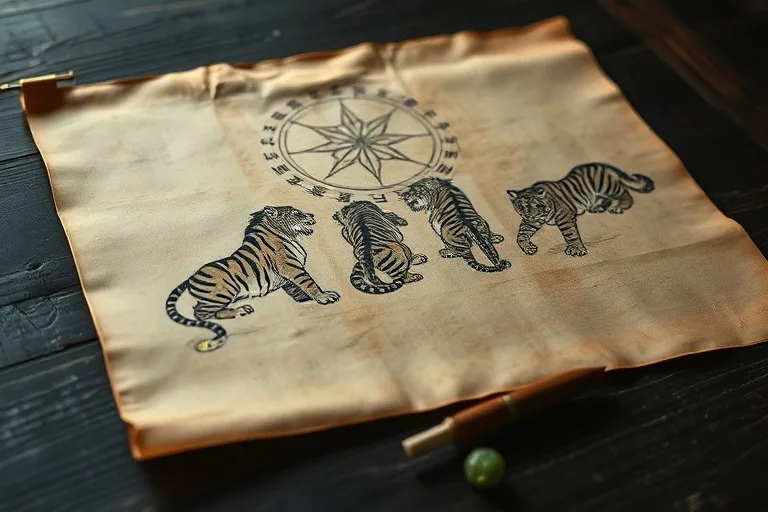
An ancient scroll reveals the intricate wisdom of the Five Elements, foundational to Chinese astrology.
The Fire Tiger (1926, 1986, 2046): Passion and Intensity
Fire is the element of passion, energy, and dynamism. The Fire Tiger embodies these qualities to an extreme, resulting in a personality that is exceptionally charismatic, enthusiastic, and often larger than life. They are natural-born leaders who inspire others with their boundless energy and unwavering confidence. Their decisions are often swift and bold, driven by a powerful inner conviction.
However, the intensity of the Fire Tiger can also manifest as impatience, impulsiveness, and a tendency towards aggression when provoked. They can be prone to burning out if they don't manage their energy, and their fiery temper can alienate those around them. They excel in roles that demand quick action, innovation, and direct leadership, often finding success in entrepreneurship or public speaking.
The Earth Tiger (1938, 1998, 2058): Stability and Pragmatism
The Earth element brings stability, practicality, and a grounded nature. The Earth Tiger is the most realistic and cautious of the Tiger types, tempering the sign's usual impulsiveness with a strong sense of responsibility and a methodical approach. They are reliable, hardworking, and possess excellent judgment, making them highly trusted individuals in any endeavor.
Their leadership is steady and consistent, focused on achieving tangible results through careful planning and diligent effort. While they retain the Tiger's ambition, they pursue it with greater patience and persistence. A potential drawback is their tendency to be overly conservative or stubborn, sometimes resisting change. They thrive in fields requiring meticulous attention to detail, such as finance, architecture, or project management.
An abstract representation of the Tiger's elemental energy, showcasing its dynamic and powerful essence.
The Metal Tiger (1950, 2010, 2070): Strength and Determination
Metal signifies strength, rigidity, and unwavering resolve. The Metal Tiger is arguably the most formidable and assertive of the elemental Tigers. They are driven by a powerful will and an unyielding determination to succeed, often setting ambitious goals and pursuing them with relentless focus. Their sense of justice is strong, and they are not afraid to stand up for their beliefs, even against considerable opposition.
These Tigers possess exceptional self-discipline and a sharp, analytical mind. They are highly competitive and thrive on challenges, often achieving great success through sheer force of will. However, their metallic nature can also make them inflexible, overly critical, and prone to confrontation. They may struggle with compromise and can appear cold or aloof. Ideal careers include law, military, or high-stakes business, where their decisive nature is an asset.
The Water Tiger (1902, 1962, 2022): Adaptability and Insight
Water is the element of intuition, adaptability, and deep emotion. The Water Tiger combines the Tiger's natural charisma with a profound sense of introspection and empathy. They are perceptive, thoughtful, and possess an uncanny ability to understand human nature. Unlike other Tigers, they are more inclined to observe and strategize before acting, making them highly effective in complex situations.
Their leadership is subtle yet influential, often guiding others through persuasion and insight rather than overt dominance. They are excellent communicators and possess a strong intuitive sense that helps them navigate challenges. However, their emotional depth can sometimes lead to moodiness or indecision, and they may be prone to overthinking. They excel in roles requiring diplomacy, negotiation, research, or creative arts, where their intuitive understanding is valued.
The Interplay of Elements and Tiger Nature
The interaction between the inherent Tiger characteristics and the elemental attributes creates a dynamic and multifaceted personality. While the Tiger's core essence of bravery, independence, and leadership remains constant, the element dictates the manifestation of these traits. For instance, a Fire Tiger's bravery might be expressed through daring acts, while a Water Tiger's bravery could manifest as emotional resilience or a willingness to explore uncomfortable truths.
This elemental overlay also influences how a Tiger interacts with other zodiac signs and elements. A Wood Tiger, being more cooperative, might find it easier to form alliances than a Metal Tiger, whose rigid nature could clash with others. Understanding these subtleties is paramount for effective relationship dynamics, career choices, and personal development. It highlights that astrology is not about rigid categorization but about understanding complex energetic blueprints.
| Element | Key Characteristics | Strengths | Challenges | Ideal Environments |
|---|---|---|---|---|
| Wood Tiger | Growth, flexibility, cooperation, vision | Diplomatic, charming, collaborative leader, just | Indecisive, ideas lack grounding, overly harmonious | Creative fields, social work, team leadership |
| Fire Tiger | Passion, energy, dynamism, charisma | Charismatic, enthusiastic, bold, inspiring leader | Impatient, impulsive, aggressive, prone to burnout | Entrepreneurship, public speaking, innovation |
| Earth Tiger | Stability, practicality, grounded, responsible | Reliable, hardworking, good judgment, methodical | Overly conservative, stubborn, resistant to change | Finance, architecture, project management, research |
| Metal Tiger | Strength, rigidity, determination, assertiveness | Strong-willed, disciplined, analytical, competitive | Inflexible, critical, confrontational, aloof | Law, military, high-stakes business, competitive sports |
| Water Tiger | Intuition, adaptability, deep emotion, insight | Perceptive, thoughtful, empathetic, diplomatic leader | Moody, indecisive, prone to overthinking, sensitive | Diplomacy, negotiation, creative arts, counseling |
Navigating Challenges for Elemental Tigers
Each elemental Tiger, while endowed with unique strengths, also faces specific challenges stemming from their elemental influence. Recognizing these potential pitfalls is the first step towards personal growth and self-mastery. For example, the Wood Tiger must learn to balance their expansive vision with practical execution, avoiding paralysis by analysis or over-commitment. They benefit from developing stronger decision-making skills and a more assertive stance when necessary.
- Fire Tigers need to cultivate patience and emotional regulation. Their intense energy requires disciplined management to prevent burnout and to avoid alienating others with their fiery temper. Practices like mindfulness or structured breaks can be highly beneficial.
- Earth Tigers should strive for greater flexibility and openness to new ideas. Their inherent caution, while a strength, can become a hindrance if it leads to stagnation or an unwillingness to adapt to changing circumstances. Embracing calculated risks can foster growth.
- Metal Tigers benefit from developing empathy and diplomatic communication. Their strong will can make them appear unapproachable or overly critical. Learning to compromise and valuing diverse perspectives can enhance their leadership and relationships.
- Water Tigers must work on firming up their boundaries and managing their emotional sensitivities. Their intuitive nature can lead to overthinking or being easily swayed by external influences. Developing a strong sense of self and practicing assertiveness can empower them.
By consciously addressing these elemental-specific challenges, Tigers can harness their innate power more effectively, transforming potential weaknesses into refined strengths. This process of self-awareness and intentional development is key to fulfilling their true potential as leaders and innovators.
Conclusion: Mastering the Tiger's Essence
The Chinese Zodiac Tiger, in its elemental manifestations, presents a fascinating study of personality dynamics. From the diplomatic Wood Tiger to the intense Fire Tiger, the grounded Earth Tiger, the resolute Metal Tiger, and the insightful Water Tiger, each type offers a unique blend of strengths and challenges. This detailed understanding moves beyond generic astrological descriptions, providing a profound framework for self-discovery and interpersonal comprehension.
Mastering the Tiger's essence involves not just recognizing these elemental traits but actively working with them. It means leveraging one's elemental strengths while consciously mitigating the associated weaknesses. For anyone born under the sign of the Tiger, or for those interacting with them, this in-depth knowledge serves as an invaluable guide to navigating life's complexities, fostering stronger relationships, and achieving personal and professional fulfillment. The elemental Tiger is a force to be reckoned with, and understanding its nuances unlocks its true, magnificent potential.
Frequently Asked Questions about Elemental Tigers
Here are some common questions regarding the elemental Tiger personalities in Chinese Astrology:
- What are the Five Elements in Chinese Astrology? The Five Elements are Wood, Fire, Earth, Metal, and Water. They are fundamental forces that interact and influence all aspects of life, including zodiac animal personalities.
- How do I know my elemental Tiger type? Your elemental Tiger type is determined by the last digit of your birth year. For instance, years ending in 4 or 5 are Wood, 6 or 7 are Fire, 8 or 9 are Earth, 0 or 1 are Metal, and 2 or 3 are Water.
- Can elemental influences change over time? While your birth element is fixed, the annual and monthly elemental cycles can temporarily influence your behavior and experiences, adding layers to your core personality.
- Are elemental Tigers compatible with each other? Compatibility is complex and depends on many factors, but elemental interactions play a role. For example, Fire and Water can clash, while Wood and Water often support each other.
- How can understanding my elemental Tiger help me? It provides deeper self-awareness, helps in understanding your inherent strengths and weaknesses, guides career choices, and improves interpersonal relationships by revealing underlying motivations.
Fuente: Contenido híbrido asistido por IAs y supervisión editorial humana.


Comments
Post a Comment