
Medical Astrology Health Predispositions: Birth Chart Insights | StarPluto
Medical astrology, a fascinating and ancient discipline, explores the intricate connections between celestial bodies and human health. It posits that an individual's birth chart, a snapshot of the heavens at the moment of their birth, can reveal predispositions to certain ailments, strengths, and weaknesses within the body. This approach offers a unique lens through which to understand one's constitutional makeup, providing insights that can complement conventional medical practices by focusing on prevention and personalized wellness strategies.
Far from being a diagnostic tool in the modern sense, medical astrology serves as a map of potential energetic imbalances or areas of sensitivity. It suggests that planetary positions, zodiac signs, and house placements correspond to specific organs, body systems, and psychological tendencies that can manifest as physical conditions. By understanding these astrological influences, individuals can proactively support their well-being, adopting lifestyle choices that mitigate potential risks and enhance their natural vitality.
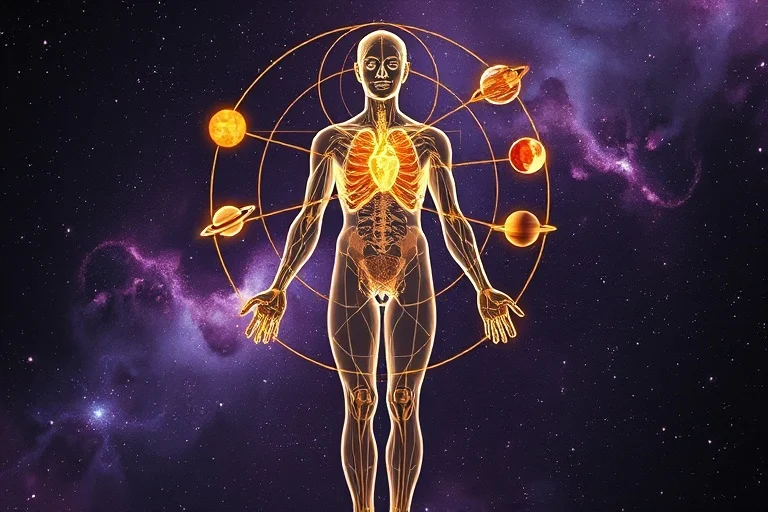
Understanding the body's astrological blueprint for health predispositions.
This article aims to demystify medical astrology, exploring its historical roots, core principles, and practical applications. We will delve into how each zodiac sign, planet, and astrological house relates to different aspects of physical and mental health, providing a comprehensive overview for those seeking to integrate this ancient wisdom into their modern wellness journey. It is crucial to approach medical astrology with an open mind, recognizing its role as an informational guide rather than a definitive medical prognosis.
Table of Contents
- Historical Foundations of Medical Astrology
- Core Principles of Medical Astrology
- Zodiac Signs and Their Health Associations
- Planets and Their Physiological Functions
- Astrological Houses and Health Insights
- Astrological Aspects and Health Patterns
- Interpreting Your Birth Chart for Health
- Ethical Considerations in Medical Astrology
- Integrating Medical Astrology into Your Wellness Journey
- Conclusion: Empowering Health Through Astrology
Historical Foundations of Medical Astrology
The practice of medical astrology is deeply rooted in ancient civilizations, where the connection between the cosmos and human well-being was an accepted truth. From Mesopotamia to ancient Egypt, Greece, and Rome, physicians often consulted astrological charts to understand a patient's condition and determine the most auspicious time for treatment or surgery. This holistic view saw the human body as a microcosm reflecting the macrocosm of the universe.
One of the most influential figures in the history of medical astrology was Hippocrates, often called the "Father of Medicine," who famously stated, "A physician without knowledge of astrology has no right to call himself a physician." Galen, another prominent physician of antiquity, also integrated astrological principles into his medical practice. During the Middle Ages and the Renaissance, medical astrology continued to flourish, with many medical texts incorporating detailed astrological correlations for diagnosis and prognosis.
Despite its decline with the rise of modern scientific methods, the underlying philosophy of medical astrology—that humans are intrinsically linked to their environment, including celestial influences—persists in various forms of holistic and integrative medicine today. It serves as a reminder of a time when the pursuit of health involved a profound respect for the natural rhythms and universal energies.
Core Principles of Medical Astrology
At its heart, medical astrology operates on the principle of "as above, so below." It posits that the positions of the planets, the signs of the zodiac, and the astrological houses at the moment of birth create a unique energetic blueprint that influences an individual's physical constitution, psychological tendencies, and potential health challenges. This blueprint is not deterministic but rather indicative of inherent strengths and vulnerabilities.
Each component of the birth chart is assigned specific physiological and psychological associations:
- Zodiac Signs: Govern specific body parts, organs, and types of conditions. For example, Aries rules the head, while Taurus governs the neck and throat.
- Planets: Represent fundamental life forces, physiological functions, and organ systems. Mars, for instance, is associated with inflammation and muscular activity, while Venus relates to the kidneys and reproductive system.
- Astrological Houses: Indicate areas of life where these planetary and zodiacal influences manifest. The 6th house is particularly relevant to daily health, routine, and illness, while the 8th house relates to regeneration and chronic conditions.
- Aspects: The angles between planets in the birth chart reveal how these energies interact, indicating harmonious flow or challenging tensions that can manifest as health patterns.
By analyzing these elements, a medical astrologer can identify areas of the body that may be more susceptible to stress, illness, or require extra care. This knowledge empowers individuals to adopt preventative measures and choose therapies that align with their unique energetic constitution.
Zodiac Signs and Their Health Associations
Each of the twelve zodiac signs is traditionally linked to specific parts of the human body, from head to toe. Understanding these associations can provide a foundational layer of insight into potential areas of strength or vulnerability based on the signs prominent in one's birth chart, particularly the Sun, Moon, and Ascendant signs.

Historical tools and knowledge used in the study of celestial health influences.
Here is a general overview of the zodiac signs and their primary anatomical associations:
| Zodiac Sign | Body Parts & Systems | Potential Predispositions |
|---|---|---|
| Aries | Head, brain, face, eyes, pineal gland | Headaches, migraines, fevers, accidents to the head, eye strain |
| Taurus | Neck, throat, thyroid gland, tonsils, vocal cords, cerebellum | Sore throats, stiff necks, thyroid imbalances, weight gain |
| Gemini | Lungs, bronchial tubes, arms, hands, nervous system | Respiratory issues (asthma, bronchitis), nervous tension, anxiety, carpal tunnel |
| Cancer | Stomach, breasts, diaphragm, digestive system, lymphatic system | Digestive problems (ulcers, indigestion), emotional eating, fluid retention |
| Leo | Heart, upper back, spine, circulation | Heart conditions, back pain, circulatory issues, high blood pressure |
| Virgo | Intestines, spleen, nervous system, pancreas | Digestive disorders (IBS), anxiety, hypochondria, nutrient absorption issues |
| Libra | Kidneys, adrenal glands, lower back, buttocks, skin | Kidney problems, lower back pain, skin conditions, hormonal imbalances |
| Scorpio | Reproductive organs, bladder, bowels, prostate, rectum | Urinary tract infections, reproductive issues, constipation, hemorrhoids |
| Sagittarius | Hips, thighs, liver, sciatic nerve, pituitary gland | Sciatica, liver issues, hip problems, accidents to thighs, gout |
| Capricorn | Bones, joints, knees, teeth, skin, gallbladder | Arthritis, joint stiffness, knee problems, skin issues, dental problems |
| Aquarius | Ankles, calves, circulatory system, nervous system | Ankle sprains, varicose veins, circulatory problems, nervous disorders |
| Pisces | Feet, lymphatic system, immune system, thalamus | Foot problems, lymphatic congestion, weakened immune system, drug sensitivities |
It's important to note that these are general associations. The specific placement of planets within these signs, as well as the aspects they form, will further refine and personalize these predispositions. For example, a person with a strong Aries influence might be prone to headaches, but if Mars (ruler of Aries) is well-aspected, the severity or frequency might be lessened.
Planets and Their Physiological Functions
Beyond the zodiac signs, the planets themselves hold significant influence over various physiological functions and systems within the body. Each planet represents a fundamental energy or principle that, when stressed or harmonized in the birth chart, can manifest as specific health patterns. Understanding these planetary roles is crucial for a deeper medical astrological analysis.
Here's a breakdown of the traditional planetary associations with health:
| Planet | Physiological Functions & Systems | Associated Health Areas |
|---|---|---|
| Sun | Heart, spine, general vitality, immune system, right eye (men), left eye (women) | Heart conditions, back issues, low vitality, immune deficiencies |
| Moon | Stomach, breasts, lymphatic system, bodily fluids, female reproductive cycle, left eye (men), right eye (women) | Digestive issues, fluid retention, hormonal imbalances, emotional disorders |
| Mercury | Nervous system, lungs, hands, arms, thyroid gland, speech | Nervous disorders, respiratory problems, speech impediments, thyroid issues |
| Venus | Kidneys, throat, reproductive organs (female), skin, sense of touch | Kidney problems, throat infections, skin conditions, reproductive issues |
| Mars | Muscles, blood (red corpuscles), adrenal glands, head, fevers, inflammation | Inflammation, fevers, accidents, cuts, burns, muscle strains, high blood pressure |
| Jupiter | Liver, thighs, hips, pituitary gland, arterial circulation, growth | Liver disorders, obesity, diabetes, circulatory issues, gout |
| Saturn | Bones, teeth, skin, joints, gallbladder, spleen, chronic conditions | Arthritis, dental problems, skin diseases, chronic illnesses, structural issues |
| Uranus | Nervous system (sudden spasms), ankles, circulation, unique conditions | Sudden illnesses, nervous breakdowns, cramps, spasms, circulatory shocks |
| Neptune | Lymphatic system, pineal gland, immune system, drug sensitivities, mysterious illnesses | Allergies, chronic fatigue, immune disorders, drug/alcohol sensitivities, elusive diagnoses |
| Pluto | Reproductive organs, elimination system, cellular regeneration, deep-seated issues | Generative/degenerative diseases, chronic infections, deep psychological trauma, healing crises |
The condition of each planet in the birth chart—its sign, house placement, and aspects—will indicate whether its associated functions are likely to be strong, weak, or prone to specific challenges. For instance, a challenging aspect to Saturn might suggest a predisposition to chronic conditions or structural weaknesses, while a well-placed Jupiter could indicate strong regenerative capabilities and overall good health.
Astrological Houses and Health Insights
In medical astrology, the twelve houses of the birth chart represent different areas of life, and several are particularly relevant to health. They show where planetary and zodiacal energies manifest in terms of daily routines, illness, healing, and chronic conditions. Understanding these houses provides context for how health predispositions might play out in an individual's life.

Symbolic representation of the deep connection between earthly health and celestial influences.
The most important houses for health analysis are:
- The 1st House (Ascendant): Represents the physical body, constitution, vitality, and general health. Planets here, and the sign on the cusp, strongly influence one's overall well-being and appearance.
- The 6th House: This is the primary house of health and illness. It rules daily routines, work, diet, hygiene, and acute illnesses. Planets in the 6th house, or the sign on its cusp, indicate the nature of one's health habits and potential vulnerabilities to specific ailments.
- The 8th House: Governs regeneration, healing, surgery, chronic diseases, and death. It speaks to the body's ability to recover and transform. Challenging influences here might point to more serious or long-term health battles.
- The 12th House: Associated with hidden illnesses, chronic conditions, hospitalization, self-undoing, and psychological health. Planets here can indicate conditions that are difficult to diagnose or are linked to subconscious patterns.
- The 4th House (IC): Represents one's roots, home environment, genetic predispositions, and early childhood health. It can reveal inherited health patterns.
- The 10th House (MC): Relates to public image and career, but also the physical structure of the body, particularly the bones and skeletal system.
For example, a challenging planet like Saturn in the 6th house might indicate chronic health issues related to the body part ruled by the sign on the 6th house cusp, or it could point to a need for strict discipline in diet and routine to maintain health. Conversely, a well-aspected Jupiter in the 6th house could suggest a strong constitution and natural resilience.
Astrological Aspects and Health Patterns
Astrological aspects are the angular relationships between planets in a birth chart. They describe how different planetary energies interact with each other, creating dynamic patterns that can manifest in various ways, including health. Challenging aspects (squares, oppositions, quincunxes) often indicate areas of tension, stress, or imbalance, while harmonious aspects (trines, sextiles) suggest ease, flow, and natural resilience.
Understanding aspects in a medical context involves recognizing how conflicting or supportive planetary forces might impact the body's systems. For instance:
- Conjunctions (0 degrees): Merge the energies of two planets, intensifying their influence. A Sun-Mars conjunction could indicate strong vitality but also a tendency towards inflammation or fever.
- Squares (90 degrees): Represent tension and challenges. A Mars-Saturn square might point to issues with inflammation (Mars) and chronic conditions (Saturn) affecting bones or joints.
- Oppositions (180 degrees): Indicate polarity and a need for balance. A Venus-Mars opposition could suggest an imbalance between the kidneys/reproduction (Venus) and inflammatory processes (Mars).
- Trines (120 degrees): Are harmonious and represent natural flow. A Jupiter-Sun trine might indicate robust health, strong vitality, and a resilient immune system.
- Sextiles (60 degrees): Offer opportunities for positive interaction and support. A Mercury-Moon sextile could suggest a healthy nervous system and good digestive function, with mental ease aiding physical well-being.
- Quincunxes (150 degrees): Also known as inconjuncts, these aspects indicate areas of adjustment and irritation. A planet forming a quincunx to another might point to a functional imbalance between the body parts or systems they rule, requiring conscious effort to harmonize.
The presence of challenging aspects to planets ruling vital organs or body systems can highlight areas that require particular attention in terms of diet, lifestyle, and stress management. Conversely, harmonious aspects can indicate inherent strengths and resources for healing and maintaining health.
Interpreting Your Birth Chart for Health
Interpreting a birth chart for health insights is a nuanced process that requires a holistic view, integrating all the elements discussed. It's not about predicting a specific disease, but rather understanding constitutional tendencies and energetic patterns. Here’s a simplified approach to begin:
- Ascendant and 1st House: Examine the sign on the Ascendant and any planets within the 1st house. These indicate your general physical constitution and vitality.
- 6th House Analysis: Pay close attention to the sign on the cusp of the 6th house, its ruling planet, and any planets within the 6th house. This provides specific insights into daily health habits and potential acute illnesses.
- Planetary Condition: Assess the condition of each planet. Is it in a sign it rules or is exalted in (strong)? Is it in its detriment or fall (weak)? What aspects does it make to other planets? Afflicted planets often point to areas of vulnerability.
- Sun and Moon: These luminaries are crucial indicators of overall vitality (Sun) and emotional/digestive health (Moon). Their signs, houses, and aspects offer profound insights.
- Challenging Aspects: Identify squares, oppositions, and quincunxes, especially involving "malefic" planets like Mars and Saturn, or outer planets like Uranus, Neptune, and Pluto. These aspects can highlight areas of chronic stress or potential crisis.
- Elemental Balance: Evaluate the balance of elements (Fire, Earth, Air, Water) in your chart. An imbalance can suggest a predisposition to certain temperaments and related physical conditions (e.g., too much Fire might indicate inflammation; too little Earth, lack of grounding).
For example, a person with Mars in Cancer in the 6th house might be prone to digestive issues (Cancer) exacerbated by stress or anger (Mars), particularly related to the stomach. Understanding this predisposition allows them to focus on stress management, gut-friendly diets, and calming practices.
Ethical Considerations in Medical Astrology
It is paramount to approach medical astrology with a clear understanding of its ethical boundaries. Medical astrology is a complementary system of self-awareness and preventative care, not a substitute for professional medical diagnosis or treatment. Its insights should always be used in conjunction with, and never in place of, advice from qualified healthcare professionals.
Disclaimer: Medical astrology provides insights into potential health predispositions and energetic patterns based on astrological correlations. It is not a diagnostic tool and should not be used to self-diagnose, treat, or cure any medical condition. Always consult with a licensed medical professional for any health concerns or before making any decisions related to your health or treatment.
Responsible practice dictates that medical astrologers should:
- Avoid definitive diagnoses: Never claim to diagnose a disease based solely on a birth chart.
- Emphasize prevention and self-care: Focus on empowering individuals with knowledge to support their well-being.
- Advise professional medical consultation: Always recommend seeking conventional medical advice for any symptoms or health issues.
- Maintain confidentiality and respect: Treat client information with the utmost privacy and respect.
By adhering to these ethical guidelines, medical astrology can serve as a valuable tool for self-discovery and holistic health management, working in harmony with modern medicine to promote overall wellness.
Integrating Medical Astrology into Your Wellness Journey
Integrating the insights of medical astrology into your personal wellness journey can be a powerful way to foster a deeper connection with your body and its unique needs. Instead of waiting for symptoms to appear, this approach encourages proactive self-care tailored to your astrological blueprint. It's about understanding your inherent constitutional tendencies and making informed choices that support your vitality.
Here are some ways to integrate these insights:
- Personalized Diet: If your chart shows a predisposition to digestive issues (e.g., strong Cancer or Virgo influences), you might prioritize gut-friendly foods, mindful eating, and stress-reduction techniques around meals.
- Targeted Exercise: For those with strong Capricorn or Saturn influences, focusing on joint health, flexibility, and gentle strengthening exercises can be beneficial. Aries placements might benefit from high-intensity, quick bursts of activity to release excess energy.
- Stress Management: If your chart highlights nervous system sensitivities (e.g., strong Gemini or Mercury aspects), practices like meditation, deep breathing, and spending time in nature can be particularly impactful.
- Environmental Awareness: Understanding planetary cycles and transits can help you anticipate periods of higher stress or lower vitality, allowing you to plan for rest or extra self-care during those times.
- Herbal and Mineral Support: Traditional medical astrology often links specific herbs, minerals, and colors to zodiac signs and planets. Researching these correlations can guide you towards natural remedies that resonate with your constitutional needs.
By viewing your birth chart as a guide, you can cultivate a more intuitive and responsive relationship with your body, moving towards a state of holistic balance and resilience. This self-knowledge can transform how you approach health, shifting from reactive treatment to proactive, personalized well-being.
Conclusion: Empowering Health Through Astrology
Medical astrology offers a profound and ancient framework for understanding our unique health predispositions. By mapping the celestial influences at the moment of birth, it provides a personalized energetic blueprint that highlights areas of strength, vulnerability, and potential imbalance within the physical and psychological self. This wisdom, passed down through centuries, encourages us to view our bodies not in isolation, but as integral parts of a larger cosmic design.
While never a substitute for conventional medical care, the insights gleaned from a medical astrological analysis can be incredibly empowering. They enable individuals to adopt proactive and preventative wellness strategies, tailoring their diet, exercise, and lifestyle choices to their specific constitutional needs. This approach fosters a deeper sense of self-awareness and encourages a holistic perspective on health, where mind, body, and spirit are seen as interconnected and influenced by the rhythms of the universe.
Embracing medical astrology means taking an active role in your health journey, using ancient wisdom to complement modern science. It's about recognizing your unique cosmic signature and leveraging that knowledge to cultivate a life of greater vitality, balance, and well-being. The stars may not dictate your fate, but they certainly illuminate your path to optimal health.
Fuente: Contenido híbrido asistido por IAs y supervisión editorial humana.


Comments
Post a Comment