
Medical Astrology: Natal Chart Health Trends | StarPluto
Medical Astrology is an ancient and profound branch of astrology that explores the intricate connections between celestial bodies and human health. It posits that our natal chart, a snapshot of the sky at the moment of our birth, can reveal predispositions to certain ailments, areas of physical strength, and even psychological tendencies that impact our overall well-being. Far from being a diagnostic tool in the modern medical sense, it serves as a complementary system for understanding our unique constitutional makeup and identifying potential health trends.
This discipline dates back to antiquity, with roots in Babylonian, Egyptian, and Greek civilizations. Physicians like Hippocrates and Galen often incorporated astrological observations into their medical practices, believing that the macrocosm (the universe) mirrored the microcosm (the human body). Understanding these ancient principles can empower individuals to approach their health from a more holistic and preventative perspective, aligning with their natural energetic blueprint.
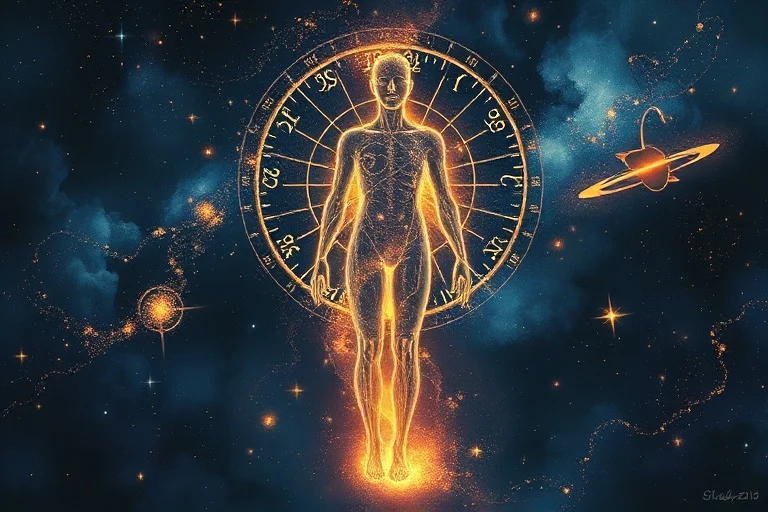
A visual representation of how celestial patterns can influence human physiology, revealing potential health predispositions.
Table of Contents
- Historical Roots of Medical Astrology
- Zodiac Signs and Their Associated Body Parts
- Planetary Influences on Health
- Astrological Houses and Health Areas
- Astrological Aspects and Health Patterns
- Ethical Considerations and Modern Application
- Integrating Medical Astrology into Holistic Wellness
Historical Roots of Medical Astrology
The practice of medical astrology is not a modern invention but a revival of an ancient tradition. Early civilizations observed the movements of planets and stars, correlating them with earthly events, including human health and disease. The Babylonians, for instance, were among the first to develop sophisticated astrological systems, which later influenced Egyptian and Greek thought.
In ancient Greece, Hippocrates, often called the "Father of Medicine," famously stated that "a physician without knowledge of astrology has no right to call himself a physician." He and other medical practitioners like Galen integrated astrological principles into their diagnostic and therapeutic approaches. They believed that each part of the body, and indeed each organ, was governed by specific zodiac signs and planets, making astrological insights crucial for understanding a patient's constitution and susceptibility to illness.
During the Middle Ages and the Renaissance, medical astrology continued to flourish in Europe and the Islamic world. Physicians would often consult a patient's natal chart to determine the most auspicious time for surgery, administer remedies, or even bleed a patient. The decline of medical astrology began with the rise of the scientific revolution, which emphasized empirical observation and challenged many traditional beliefs. However, its foundational concepts continue to offer a unique lens through which to view human health.
Zodiac Signs and Their Associated Body Parts
One of the core tenets of Medical Astrology is the association of each zodiac sign with specific parts of the human body. This correspondence helps astrologers identify areas of potential strength or vulnerability based on the signs prominent in an individual's natal chart, particularly the Sun, Moon, Ascendant, and any planets placed within those signs.
- Aries (March 21 - April 19): Governs the head, face, brain, and eyes. Individuals with strong Aries placements might be prone to headaches, migraines, or issues related to the head.
- Taurus (April 20 - May 20): Rules the neck, throat, thyroid gland, and vocal cords. Potential vulnerabilities include sore throats, thyroid imbalances, or neck stiffness.
- Gemini (May 21 - June 20): Associated with the lungs, respiratory system, hands, arms, and nervous system. Respiratory problems, anxiety, or carpal tunnel syndrome could be concerns.
- Cancer (June 21 - July 22): Governs the chest, breasts, stomach, digestive system, and lymphatic system. Digestive issues, ulcers, or emotional eating might be linked to Cancer placements.
- Leo (July 23 - August 22): Rules the heart, spine, and upper back. Heart conditions, back pain, or circulatory problems can be areas of focus.
- Virgo (August 23 - September 22): Associated with the intestines, digestive tract, spleen, and nervous system. Digestive sensitivities, IBS, or nervous tension are common themes.
- Libra (September 23 - October 22): Governs the kidneys, adrenal glands, lower back, and skin. Kidney stones, lower back pain, or skin conditions could be relevant.
- Scorpio (October 23 - November 21): Rules the reproductive organs, bladder, bowels, and excretory system. Issues related to these areas, including UTIs or hormonal imbalances, might arise.
- Sagittarius (November 22 - December 21): Associated with the hips, thighs, liver, and sciatic nerve. Sciatica, liver issues, or hip problems can be areas of attention.
- Capricorn (December 22 - January 19): Governs the bones, joints, knees, teeth, and skin. Arthritis, dental problems, or skin conditions are often linked to Capricorn.
- Aquarius (January 20 - February 18): Rules the ankles, calves, circulatory system, and nervous system. Varicose veins, ankle sprains, or nervous disorders might be concerns.
- Pisces (February 19 - March 20): Associated with the feet, lymphatic system, and immune system. Foot problems, lymphatic stagnation, or weakened immunity can be areas of focus.
By understanding these correspondences, individuals can gain insights into their inherent physical strengths and weaknesses, allowing for more targeted preventative care and lifestyle adjustments. It's about recognizing patterns rather than making definitive diagnoses.
Planetary Influences on Health
Beyond the zodiac signs, the planets themselves play a crucial role in Medical Astrology, each representing different physiological functions, organs, and types of energy within the body. The condition of a planet in the natal chart (its sign, house, and aspects) can indicate how these functions might manifest in a person's health.

An antique telescope and medical journal symbolize the historical intersection of celestial observation and health practices.
- Sun: Represents vitality, the heart, and the spine. A strong Sun indicates robust health, while afflictions might point to heart issues or lack of energy.
- Moon: Governs bodily fluids, digestion, stomach, and emotional well-being. Lunar challenges can indicate digestive problems, fluid retention, or emotional instability affecting health.
- Mercury: Associated with the nervous system, lungs, and communication. Afflicted Mercury might suggest nervous disorders, respiratory issues, or speech impediments.
- Venus: Rules the kidneys, throat, skin, and glandular system. Venusian imbalances can manifest as kidney problems, skin conditions, or hormonal issues.
- Mars: Represents muscular system, blood, adrenal glands, and inflammation. A challenging Mars might indicate fevers, injuries, inflammation, or high blood pressure.
- Jupiter: Governs the liver, thighs, and arterial system. Jupiterian excesses can lead to liver problems, obesity, or issues with cholesterol.
- Saturn: Associated with bones, teeth, skin, joints, and chronic conditions. Saturnine afflictions often point to arthritis, dental problems, or long-term illnesses.
- Uranus: Rules the nervous system, ankles, and sudden, acute conditions. Uranian influences can bring about sudden illnesses, cramps, or nervous tension.
- Neptune: Governs the lymphatic system, immune system, and glandular imbalances. Neptunian challenges might indicate allergies, autoimmune disorders, or mysterious illnesses.
- Pluto: Associated with reproductive organs, elimination, and cellular regeneration. Plutonian influences can relate to regenerative issues, deep-seated conditions, or transformative health crises.
The interplay between these planetary energies and their placement in signs and houses provides a detailed map of an individual's health predispositions. For example, Mars in Aries might indicate a tendency towards head injuries or fevers, while Saturn in Cancer could suggest chronic digestive issues or emotional suppression impacting the stomach.
Astrological Houses and Health Areas
In a natal chart, the twelve houses represent different areas of life, and in Medical Astrology, they correspond to specific health domains and types of illness. Understanding which houses are emphasized or afflicted can pinpoint where health challenges are most likely to manifest.
- First House (Ascendant): Represents the physical body, general vitality, and overall constitution. Planets here significantly impact physical appearance and health.
- Sixth House: Traditionally known as the house of health, illness, daily routines, and self-care. Planets here indicate types of illnesses and how one manages health.
- Eighth House: Associated with chronic diseases, surgery, regeneration, and deep-seated psychological issues that can manifest physically.
- Twelfth House: Rules hospitals, institutions, hidden illnesses, mental health, and self-undoing. Planets here can indicate chronic or mysterious ailments.
- Second House: Relates to diet, nutrition, and self-worth, which can impact physical health.
- Third House: Governs the nervous system, lungs, hands, and early childhood illnesses.
- Fourth House: Represents hereditary conditions, the stomach, and emotional foundations.
- Fifth House: Associated with the heart, vitality, and conditions related to lifestyle choices.
- Seventh House: Can indicate conditions related to partnerships or external influences on health.
- Ninth House: Relates to the liver, hips, and long journeys, sometimes indicating foreign diseases.
- Tenth House: Governs the knees, bones, and public image, stress from career.
- Eleventh House: Associated with the ankles, circulation, and health related to social groups.
The interplay of planets within these houses, along with their rulerships and aspects, paints a comprehensive picture of an individual's health landscape. For instance, a challenging planet in the 6th house might indicate frequent minor illnesses, while a strong planet there could signify excellent health management.
Astrological Aspects and Health Patterns
Aspects are the angles planets make to each other in the natal chart, and they describe the dynamic relationship between these planetary energies. In Medical Astrology, aspects reveal how different bodily systems and functions interact, highlighting areas of harmony or tension that can impact health.

An abstract watercolor illustrating the energetic interplay between body centers and planetary influences, emphasizing holistic well-being.
- Conjunctions (0 degrees): Merge the energies of two planets, amplifying their influence on the associated body parts or functions. This can indicate a strong predisposition, either positive or negative.
- Oppositions (180 degrees): Represent tension and polarity, often manifesting as imbalances between two opposing body systems or organs. They can point to chronic conditions that swing between extremes.
- Squares (90 degrees): Indicate friction, challenges, and acute stress. Squares often highlight areas where significant effort or lifestyle changes are needed to maintain health, potentially leading to sudden flare-ups.
- Trines (120 degrees): Represent harmony and ease. Trines suggest areas of natural strength and resilience in the body, where health tends to be robust.
- Sextiles (60 degrees): Offer opportunities for positive health outcomes and represent supportive energies. They can indicate areas where healing comes easily or where preventative measures are particularly effective.
- Quincunxes (150 degrees): Also known as inconjuncts, these aspects denote areas of adjustment and irritation. They often point to subtle imbalances that require conscious effort to correct, sometimes leading to mysterious symptoms.
For example, a square between Mars (inflammation) and Venus (kidneys) might indicate a tendency towards inflammatory conditions affecting the kidneys, while a trine between the Sun (heart) and Jupiter (liver) could suggest a naturally strong heart and liver. Analyzing these aspects provides a nuanced understanding of the dynamic interplay within an individual's health profile.
Ethical Considerations and Modern Application
It is crucial to emphasize that Medical Astrology is not a substitute for conventional medical diagnosis, treatment, or advice from qualified healthcare professionals. Its role is purely complementary, offering insights into potential predispositions and energetic patterns rather than providing definitive medical diagnoses or cures. Astrologers practicing in this field must adhere to strict ethical guidelines, always advising clients to consult with medical doctors for any health concerns.
In modern times, Medical Astrology can be a powerful tool for self-awareness and preventative care. By understanding one's astrological health blueprint, individuals can make informed lifestyle choices, such as dietary adjustments, exercise routines, and stress management techniques, that support their unique constitution. For example, someone with a strong emphasis on Cancer in their chart might benefit from a diet that supports digestive health, while an individual with prominent Saturn aspects might focus on bone and joint care.
The insights gained from a medical astrology reading can also help individuals understand the psychological and emotional roots of physical ailments, fostering a more holistic approach to healing. It encourages a proactive stance toward health, empowering individuals to work with their natural energetic flows rather than against them. This ancient wisdom, when applied responsibly, can enhance personal well-being and complement modern medical practices.
Integrating Medical Astrology into Holistic Wellness
Integrating Medical Astrology into a holistic wellness approach involves using its insights as a guide for self-care and preventative measures. It encourages individuals to listen to their bodies and understand the subtle energetic influences that may be at play. This can lead to a more personalized and intuitive approach to health, moving beyond a one-size-fits-all model.
Consider the example of someone with a prominent Mars in their chart, especially in a challenging aspect or house. This individual might have a tendency towards inflammation or high energy. Understanding this predisposition through astrology could lead them to incorporate anti-inflammatory foods into their diet, engage in regular physical activity to release excess energy, or practice mindfulness to manage stress, which often exacerbates inflammatory responses. This proactive approach can potentially mitigate future health issues.
Furthermore, Medical Astrology can shed light on cycles and timings (transits and progressions) that might activate certain health predispositions. Knowing when specific planetary energies are influencing sensitive areas of the natal chart can help individuals prepare, take extra precautions, or seek supportive therapies during those periods. This foresight allows for a more conscious and empowered journey toward optimal health and vitality.
Ultimately, Medical Astrology is a profound system for self-discovery, offering a unique perspective on the intricate relationship between our cosmic origins and our physical and mental well-being. By embracing its wisdom responsibly, we can unlock deeper levels of understanding about our health and embark on a more aligned path to holistic wellness.
Fuente: Contenido híbrido asistido por IAs y supervisión editorial humana.


Comments
Post a Comment