
Shadow Work Astrology: Integrating Unconscious Self for Wholeness | StarPluto
In the journey of self-discovery, few concepts are as profound and transformative as shadow work. Rooted in Jungian psychology, shadow work involves confronting and integrating the unconscious aspects of our personality—those parts we often repress, deny, or project onto others. When combined with the insights of astrology, this process becomes a powerful tool for understanding our deepest motivations, fears, and hidden potentials, leading to a more authentic and integrated self.
Astrology provides a unique roadmap to these hidden territories within our psyche. Our natal chart, a snapshot of the heavens at the moment of our birth, reveals not only our conscious strengths and talents but also the areas where our shadow resides. By consciously engaging with these astrological indicators, we can begin the crucial work of integrating our unconscious self for greater wholeness and personal power.

The astrological chart as a map to the hidden depths of the unconscious self.
This article delves into the intricate relationship between shadow work and astrology, offering a comprehensive guide to identifying, understanding, and integrating your unconscious self. We will explore key astrological placements that illuminate the shadow, practical techniques for engagement, and the profound benefits of this transformative practice.
Table of Contents
- What is Shadow Work?
- Astrological Foundations of the Shadow
- Identifying Your Astrological Shadow
- The Process of Shadow Integration
- Practical Astrological Techniques for Shadow Work
- Benefits of Shadow Integration
- Common Challenges and How to Overcome Them
What is Shadow Work?
Shadow work, a term coined by Swiss psychiatrist Carl Jung, refers to the process of exploring and integrating the "shadow"—the unconscious aspects of the personality that the conscious ego does not identify with. These can be perceived as negative traits, weaknesses, or even positive qualities that have been repressed due to societal conditioning or personal trauma.
The shadow is not inherently evil; it simply holds everything that has been deemed unacceptable by our conscious mind or our environment. It contains our unacknowledged desires, fears, resentments, and even our unrealized potentials and creative urges. Ignoring the shadow can lead to projection, where we see our own unacknowledged traits in others, or to self-sabotage and inner conflict.
The ultimate goal of shadow work is not to eliminate these aspects, but to bring them into conscious awareness, accept them, and integrate them into a more complete and authentic self. This integration process, often challenging, is crucial for achieving psychological wholeness and personal liberation.
Astrological Foundations of the Shadow
Astrology offers a powerful framework for pinpointing where our shadow energies are most active in our lives. Certain planets, houses, and aspects in the natal chart are particularly indicative of unconscious patterns and repressed traits.
- Pluto: Often considered the primary planetary ruler of the shadow, Pluto governs transformation, power dynamics, death, rebirth, and the deepest unconscious urges. Its placement by sign and house, along with its aspects, reveals where we encounter our most intense psychological challenges and where our greatest capacity for profound change lies.
- The 8th House: Traditionally associated with Scorpio and Pluto, the 8th House represents shared resources, intimacy, sex, death, regeneration, and psychological depths. It is the house of secrets, hidden motives, and the parts of ourselves we keep hidden from others and often from ourselves. Planets here can indicate where we experience power struggles, fears of vulnerability, or repressed desires.
- Scorpio: As the zodiac sign ruled by Pluto, Scorpio embodies intensity, mystery, and the drive to uncover hidden truths. A prominent Scorpio influence in a chart (Sun, Moon, Ascendant, or stellium) often suggests a natural inclination toward exploring the depths of the psyche, but also a propensity for secrecy and control, which can manifest as shadow traits if not consciously managed.
- Chiron: Known as the "Wounded Healer," Chiron's placement in the natal chart indicates our deepest wounds, insecurities, and areas of shame. These wounds often lead to compensatory behaviors or a desire to hide these perceived flaws, contributing to the shadow. Healing Chiron's wound is a significant aspect of shadow integration.
- Unaspected Planets: A planet without major aspects to others in the chart can operate somewhat autonomously, sometimes acting out in unpredictable or unconscious ways. These planets can represent raw, untamed energy that has not been integrated into the overall personality structure, often contributing to shadow manifestations.
- Retrograde Planets: Planets in retrograde motion at birth suggest an internalized or unconventional expression of that planet's energy. This can lead to a sense of doing things differently or a need to re-evaluate and re-process themes related to that planet, potentially bringing up repressed material.
- The South Node: Representing past life patterns, ingrained habits, and comfort zones, the South Node can also highlight shadow aspects. These are often traits we cling to, even if they no longer serve our growth, because they feel familiar. Releasing the grip of the South Node's shadow allows us to move towards our North Node destiny.
Identifying Your Astrological Shadow
To begin shadow work in astrology, the first step is to identify where your shadow lies. This involves a careful examination of your natal chart, paying close attention to specific placements and aspects.
- Challenging Aspects: Squares, oppositions, and quincunxes involving Pluto, the Moon, or personal planets can reveal areas of tension, conflict, and repressed emotions. These aspects often highlight where our conscious desires clash with unconscious urges or external realities, forcing us to confront difficult truths.
- Planets in the 12th House: The 12th House is the house of the unconscious, hidden enemies, self-undoing, and spiritual transcendence. Planets placed here can indicate energies that are difficult to access consciously, often operating from the depths of the subconscious. These placements can represent hidden fears, secret strengths, or karmic patterns.
- Repressed Zodiac Sign Traits: Consider the opposite sign to your Sun sign or Ascendant. Sometimes, the traits of the opposing sign are those we unconsciously reject or project. For instance, a strong Aries might repress the diplomatic or indecisive traits of Libra.
- Personal Projections: Observe what qualities you strongly dislike or admire in others. These often serve as mirrors, reflecting aspects of your own shadow. If you consistently find yourself criticizing someone for being "too controlling," it might be worth exploring your own relationship with control, perhaps indicated by a strong Pluto or 8th House presence.
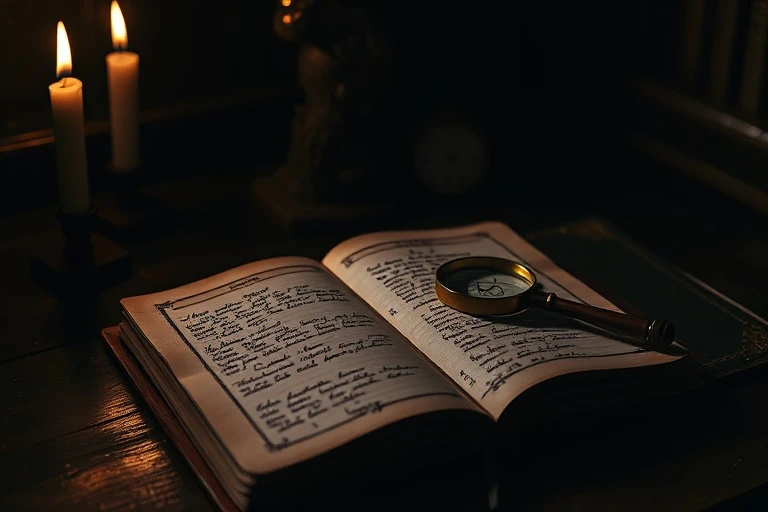
Exploring the depths of the subconscious through astrological journaling.
The Process of Shadow Integration
Integrating the shadow is a multi-step process that requires courage, self-compassion, and consistent effort. It's not about becoming "perfect," but about becoming whole.
- Awareness: The initial and most crucial step is to become aware of your shadow aspects. This means noticing your emotional reactions, recurring patterns, and projections. When you feel a strong negative reaction to someone, pause and ask yourself: "What part of me is this reflecting?"
- Acceptance: Once you identify a shadow trait, the next step is to accept its existence without judgment. This is often the hardest part, as we are conditioned to believe certain traits are "bad." Acceptance does not mean condoning harmful behavior, but acknowledging that this part exists within you and understanding its origins.
- Exploration: Delve deeper into the origins of these shadow traits. When did you first learn to repress this aspect? What fears or insecurities are associated with it? Astrology can provide valuable insights here, linking these traits back to specific planetary placements or childhood experiences.
- Expression: Find healthy and constructive ways to express these previously repressed energies. If you've repressed anger, perhaps engaging in vigorous exercise or creative expression can be a safe outlet. If you've repressed your power, find ways to assert yourself respectfully.
- Integration: Finally, integrate these aspects into your conscious personality. This means recognizing that these traits are part of you, and consciously choosing how and when to express them. It's about owning your entire self, both light and shadow, and using these energies constructively.
Practical Astrological Techniques for Shadow Work
Astrology offers several practical avenues for engaging with your shadow. These techniques can be used individually or in conjunction with other therapeutic practices.
- Natal Chart Analysis: A detailed reading focusing on Pluto, the 8th House, Chiron, and challenging aspects can illuminate specific shadow themes. An astrologer can help you interpret these placements and understand their psychological implications.
- Pluto Transits and Progressions: When transiting or progressed Pluto aspects key planets or angles in your natal chart, it often signifies a period of profound psychological transformation. These are intense times when shadow material is brought to the surface, demanding attention and integration. Understanding these cycles can help you navigate them more consciously.
- Chiron's Journey: Tracking Chiron's transits and progressions can highlight periods when old wounds resurface, offering opportunities for healing and integration. Healing the Chiron wound often involves transforming personal pain into a source of wisdom and compassion for others.
- Journaling with Astrological Prompts: Use your natal chart as a guide for journaling. For example, if you have Pluto in the 4th House, journal about your family dynamics, ancestral patterns, and hidden emotional roots. If Chiron is in the 7th House, explore your relationship wounds and fears of intimacy.
- Active Imagination and Visualization: Jungian active imagination involves engaging in a dialogue with figures or symbols that emerge from the unconscious. You can visualize your shadow as a distinct entity and ask it questions, seeking to understand its purpose and needs.
- Dream Analysis: Dreams are a direct conduit to the unconscious. Keep a dream journal and look for recurring symbols, themes, or figures that might represent your shadow. Astrological symbols can also appear in dreams, offering clues to unconscious processes.

Symbolic representation of shadow integration leading to a unified self.
Benefits of Shadow Integration
The journey of shadow integration, though often challenging, yields profound and lasting benefits for personal growth and spiritual evolution.
- Increased Self-Awareness and Authenticity: By acknowledging and integrating all parts of yourself, you gain a deeper understanding of who you truly are, leading to greater authenticity and congruence between your inner and outer worlds.
- Improved Relationships: When you stop projecting your shadow onto others, your relationships become healthier and more genuine. You develop greater empathy and understanding, as you recognize that everyone carries a shadow.
- Unlocking Hidden Potential: Often, our shadow contains repressed talents, creativity, and power. By integrating these aspects, you unlock dormant potentials and access a richer, more vibrant expression of yourself.
- Greater Personal Power: Reclaiming fragmented parts of your psyche leads to a sense of empowerment. You are no longer controlled by unconscious drives or fears, but consciously direct your energy.
- Reduced Inner Conflict: Integrating the shadow reduces internal struggles and self-sabotage, leading to greater inner peace and a sense of psychological wholeness.
- Enhanced Creativity: Many artists and innovators draw from their shadow side, transforming their pain and darkness into creative expression. Shadow work can unleash a powerful creative force.
Common Challenges and How to Overcome Them
Shadow work is not without its difficulties. It can be uncomfortable, even painful, to confront aspects of ourselves we've long denied. However, recognizing these challenges can help you navigate them more effectively.
- Resistance and Denial: Our ego naturally resists acknowledging perceived flaws. Be patient and gentle with yourself. Start with small steps and build trust in the process.
- Overwhelm: The shadow can feel vast and daunting. Focus on one aspect at a time. Break down the process into manageable steps, perhaps focusing on a particular planetary influence for a period.
- Fear of the Unknown: We often fear what we don't understand. Educate yourself about psychological concepts and astrological influences. Knowledge can demystify the shadow.
- Self-Judgment: It's easy to fall into self-criticism when uncovering shadow traits. Practice self-compassion and remember that everyone has a shadow. This work is about acceptance, not condemnation.
- Projection onto Others: When you find yourself strongly reacting to someone else's behavior, use it as a signal to look inward. Ask what part of that behavior resonates with an unacknowledged part of yourself.
- Lack of Support: Shadow work can be isolating. Consider seeking guidance from a therapist, a spiritual counselor, or an astrologer specializing in psychological astrology. A supportive community or trusted friend can also be invaluable.
Embracing shadow work through an astrological lens is a courageous act of self-love. It's a commitment to understanding your entire being, not just the palatable parts. By shining the light of consciousness on your hidden depths, you pave the way for profound healing, authentic self-expression, and a life lived with greater purpose and wholeness.
The journey is continuous, but the rewards are immeasurable. Your natal chart is a powerful ally in this quest, offering insights and guidance every step of the way. Dive deep, explore your shadows, and emerge a more integrated, empowered, and authentic version of yourself.
Fuente: Contenido híbrido asistido por IAs y supervisión editorial humana.


Comments
Post a Comment