
Shamanic Healing Ancestral Trauma: Rituals & Release Practices | StarPluto
Shamanic healing, an ancient spiritual practice spanning diverse cultures across millennia, offers profound pathways for addressing deep-seated energetic and emotional imbalances. Among its most potent applications is the release of ancestral trauma, a complex phenomenon where the unresolved experiences, pain, and patterns of our forebears can manifest in our own lives. This article delves into the intricate nature of ancestral trauma and explores the specific rituals and practices within shamanic traditions designed to heal these inherited burdens, fostering liberation and transformative personal growth.
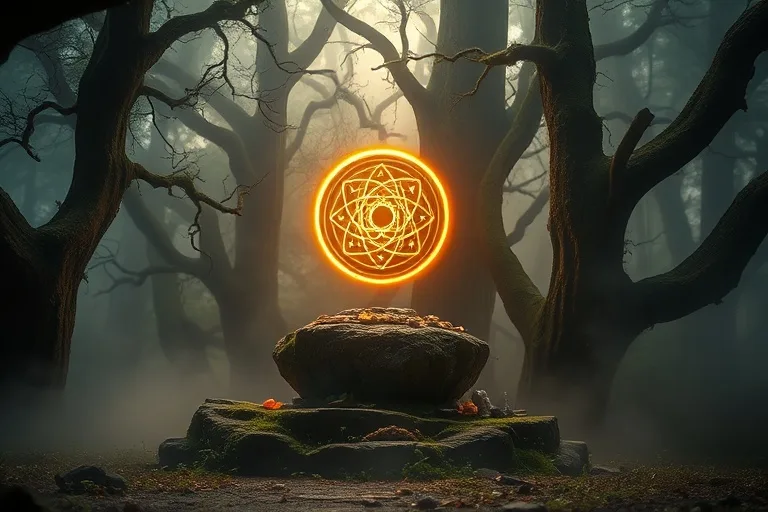
Exploring the ethereal connection between ancient wisdom and the release of inherited burdens in a mystical forest setting.
Understanding Ancestral Trauma: The Inherited Burden
Ancestral trauma refers to the psychological, emotional, and energetic wounds passed down through generations, often without direct personal experience of the original traumatic event. This concept, while deeply rooted in spiritual traditions, finds increasing resonance in modern scientific fields such as epigenetics and intergenerational psychology. It posits that the unaddressed suffering of our ancestors can influence our behaviors, health, relationships, and overall well-being.
The manifestation of ancestral trauma can be subtle or overt. Individuals might experience unexplained anxieties, recurring patterns of misfortune, chronic illnesses, or persistent feelings of being stuck or unworthy, despite having no clear personal cause. These patterns often reflect unresolved grief, fear, persecution, or loss experienced by previous generations.
- Epigenetic Inheritance: Scientific research suggests that traumatic experiences can lead to epigenetic changes – modifications to gene expression without altering the underlying DNA sequence. These changes can be passed down, influencing how descendants respond to stress and trauma.
- Family Systems Theory: This psychological framework highlights how family dynamics, roles, and unspoken rules are transmitted across generations, often perpetuating dysfunctional patterns that originated from past traumas.
- Energetic Imprints: From a shamanic perspective, trauma leaves an energetic imprint on the soul and the ancestral lineage. This energetic residue can create blockages or attract similar experiences until it is acknowledged and healed.
Recognizing the presence of ancestral trauma is the first step toward healing. It involves an honest examination of family history, patterns, and unexplained personal struggles. This awareness shifts the narrative from personal failing to inherited challenge, opening the door for compassionate and effective intervention.
The Foundations of Shamanic Healing: A Holistic Approach
Shamanism is not a religion but a collection of ancient spiritual practices centered on direct experience with the spirit world for healing and guidance. The shaman acts as a bridge, traversing altered states of consciousness to communicate with spirits, ancestors, and nature to restore balance and harmony to individuals and communities.
The core principles of shamanic healing emphasize interconnectedness – the belief that everything is alive and interrelated. This includes the physical body, emotional state, mental processes, spiritual essence, our ancestors, the land, and the cosmos. Healing ancestral trauma through this lens means addressing imbalances not just within the individual, but within the broader energetic tapestry of their lineage.
- Altered States of Consciousness: Shamans utilize drumming, chanting, dance, or sacred plant medicines to enter non-ordinary reality, where healing work can be performed on an energetic level.
- Spirit Allies: Shamans work with spirit guides, power animals, and benevolent ancestors who offer wisdom, protection, and assistance in the healing process.
- Holistic Perspective: Shamanic healing considers the root cause of imbalance, which often extends beyond the individual's lifetime, encompassing ancestral patterns, past life influences, and environmental factors.
The shamanic worldview provides a framework for understanding how ancestral wounds can persist and how they can be transmuted. It offers tools for not only identifying these patterns but actively engaging with them to facilitate profound release and transformation, benefiting not only the individual but also their descendants.
Key Shamanic Rituals for Ancestral Release
Several powerful shamanic rituals are specifically employed to address and release ancestral trauma. These practices often involve deep energetic work, communication with the spirit world, and symbolic actions that facilitate profound shifts.
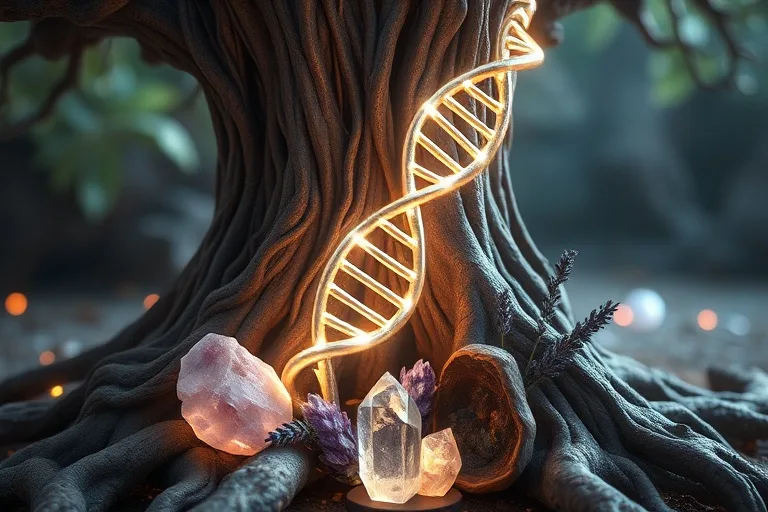
A visual representation of the deep, energetic connection between our DNA and ancient ancestral roots, illuminated by healing elements.
Soul Retrieval for Ancestral Wounds
While often associated with personal trauma, soul retrieval can also address ancestral wounds. When an ancestor experienced a severe trauma (e.g., war, famine, loss), a part of their soul essence might have fragmented or "fled" to cope. This fragmented energy can then be passed down, manifesting as a feeling of incompleteness or a recurring pattern in descendants.
A shaman journeys into non-ordinary reality to locate and retrieve these lost soul parts, not just for the individual, but for the ancestral line. The reintegration of these energies can bring a sense of wholeness, release inherited burdens, and restore vitality to the entire lineage.
Ancestral Lineage Clearing and Healing
This is a more direct approach to ancestral trauma. The shaman works to identify specific energetic patterns, curses, vows, or unresolved issues that are actively impacting the client's life. This can involve journeying to meet specific ancestors, understanding their burdens, and facilitating a release or healing for them.
Techniques might include:
- Cutting Cords: Energetically severing unhealthy attachments or energetic cords that bind the individual to ancestral suffering.
- Transmutation of Energy: Transforming dense, negative ancestral energies into light and wisdom.
- Blessings and Offerings: Creating sacred space and making offerings to ancestors, honoring their lives and releasing their pain with love and respect.
Psychopomp Work for Ancestors
Sometimes, ancestors may not have fully transitioned to the spirit world due to sudden death, unresolved issues, or intense suffering. These "lost" spirits can inadvertently influence living descendants, creating energetic disturbances. Psychopomp work involves the shaman guiding these ancestral spirits to their rightful place in the afterlife.
By helping these ancestors find peace and move on, the shaman clears the energetic field of the living, releasing them from unconscious burdens and allowing the ancestral wisdom to flow without the weight of unresolved suffering. This work is performed with immense respect and compassion for both the living and the deceased.
Ceremonies of Release and Forgiveness
These ceremonies are often communal or deeply personal rituals designed to symbolically and energetically release ancestral patterns. They can involve:
- Fire Ceremonies: Writing down ancestral burdens and offering them to the fire for transmutation and release.
- Water Rituals: Using water to cleanse and purify the ancestral line, symbolizing the washing away of old pain.
- Sound Healing: Utilizing drums, rattles, or vocalizations to shift energetic frequencies and facilitate release.
Forgiveness, both for ancestors and for oneself, is a crucial component of these ceremonies. It is not about condoning past actions but about releasing the energetic grip of resentment and pain, allowing for freedom and peace.
Integrating Healing into Daily Life: Personal Practices
Shamanic healing is not a one-time event; it's a process of continuous integration. After undergoing rituals for ancestral trauma, personal practices become essential for solidifying the healing and embodying the changes. These practices empower individuals to maintain their energetic hygiene and deepen their connection to their healed lineage.
- Journaling and Reflection: Documenting insights, dreams, and shifts in feelings or patterns. This helps to consciously integrate the healing and recognize its ongoing effects.
- Meditation and Visualization: Regular meditation can help maintain a clear energetic field. Visualizing a strong, healthy ancestral tree or a river of light flowing through your lineage can reinforce the healing work.
- Connecting with Nature: Spending time in nature, especially with ancient trees or bodies of water, can be grounding and help process residual energies. Offering prayers or gratitude to the land can also be a powerful practice.
- Building a Personal Altar: Creating a sacred space with photos of ancestors (if appropriate), meaningful objects, candles, and offerings can serve as a focal point for honoring the healed lineage and inviting benevolent ancestral support.
- Mindful Ancestral Research: Learning about your family history, not to dwell on past pain, but to understand the context of your lineage and identify positive strengths and resilience that can be drawn upon.
- Community Support: Engaging with a supportive community or spiritual group can provide a safe space to share experiences and receive encouragement during the integration process.
These practices create a continuous feedback loop, allowing the individual to actively participate in their healing journey and cultivate a conscious, supportive relationship with their ancestral heritage. The goal is to move from being unconsciously burdened by the past to consciously drawing strength and wisdom from it.

An artistic depiction of spiritual liberation, symbolizing the release of burdens and the embrace of freedom through shamanic practices.
The Intersection of Science and Spirit: Modern Perspectives
While shamanic healing operates within a spiritual framework, its effects are increasingly being explored through the lens of modern science. The concept of ancestral trauma, once considered purely metaphysical, now finds intriguing parallels in fields like epigenetics and neuroscience, offering a more comprehensive understanding of its impact and the mechanisms of its healing.
- Epigenetics and Transgenerational Trauma: Studies, particularly those on Holocaust survivors and their descendants, have shown that trauma can leave epigenetic markers on genes that influence stress response. Shamanic healing, by creating new narratives and releasing energetic imprints, may facilitate the "reprogramming" of these epigenetic expressions, promoting resilience.
- Neuroscience and Brain Plasticity: Healing rituals, especially those involving drumming, chanting, and visualization, can induce altered states of consciousness that impact brainwave activity. These states can promote neuroplasticity, allowing for the formation of new neural pathways and the release of deeply ingrained stress responses associated with trauma.
- The Placebo Effect and Belief Systems: The power of belief in healing is well-documented. Shamanic practices often instill a deep sense of hope, meaning, and connection, which can activate the body's innate healing mechanisms. The ritualistic nature of the work can also create a powerful psychological container for processing and releasing difficult emotions.
- Psychoneuroimmunology: This field explores the interaction between psychological processes and the nervous and immune systems. Reducing chronic stress through shamanic healing can positively impact immune function and overall physical health, addressing potential physical manifestations of ancestral trauma.
It is important to approach these intersections with an open mind, recognizing that science and spirituality often describe different facets of the same reality. Shamanic healing offers experiential knowledge and profound transformation, while scientific inquiry provides valuable insights into the biological and psychological underpinnings of these processes. Together, they paint a richer picture of human healing potential.
Ethical Considerations and Seeking a Shamanic Practitioner
Engaging in shamanic healing, especially for something as profound as ancestral trauma, requires discernment and respect. It is crucial to approach this work ethically and to seek out qualified, experienced practitioners.
- Cultural Appropriation: Many shamanic practices originate from indigenous cultures. It is vital to seek practitioners who respect and honor these origins, ideally those trained within authentic lineages or who have received proper initiation and guidance. Avoid practitioners who commercialize or dilute sacred practices without understanding their deep cultural context.
- Qualifications and Experience: Look for shamans with extensive training, a strong ethical framework, and a proven track record. Ask about their lineage, mentors, and experience specifically with ancestral healing. A reputable shaman will be transparent about their methods and limitations.
- Client-Practitioner Relationship: A strong, trusting relationship is paramount. Ensure you feel safe, respected, and heard. The shaman should empower you in your healing journey, not create dependency.
- Integration Support: A good shamanic practitioner will offer guidance and support for integrating the healing work into your daily life, recognizing that the process continues long after the session.
- Red Flags: Be wary of practitioners who make extravagant claims, demand excessive fees, discourage medical or psychological treatment, or engage in inappropriate behavior.
Shamanic healing is a powerful modality, and like any profound healing work, it requires careful consideration and a commitment to personal responsibility. Choosing the right guide is essential for a safe, effective, and transformative experience.
The Profound Benefits of Ancestral Healing
The decision to engage in shamanic healing for ancestral trauma is an act of profound courage and love, not only for oneself but for one's entire lineage, past, present, and future. The benefits extend far beyond individual well-being, creating a ripple effect that can transform generations.
By consciously addressing and releasing inherited burdens, individuals can experience:
| Benefit Category | Description of Impact |
|---|---|
| Personal Empowerment | Releasing ancestral patterns frees individuals from unconscious limitations, fostering a greater sense of agency, self-worth, and personal power. |
| Breaking Cycles | Interrupting repetitive negative patterns (e.g., poverty, addiction, relationship issues) that have plagued the family line, creating new, healthier legacies. |
| Improved Well-being | Alleviating unexplained anxieties, chronic stress, and even certain physical ailments linked to ancestral energetic imprints, leading to enhanced mental, emotional, and physical health. |
| Enhanced Relationships | Clearing ancestral wounds can improve relationships with family members, partners, and oneself, fostering deeper connection, empathy, and understanding. |
| Access to Ancestral Wisdom | Once trauma is cleared, the positive strengths, talents, and wisdom of ancestors become more accessible, providing guidance and support. |
| Legacy for Future Generations | By healing ancestral trauma, individuals create a healthier energetic foundation for their children and future descendants, preventing the perpetuation of inherited pain. |
Shamanic healing for ancestral trauma is a journey of profound self-discovery and collective liberation. It acknowledges the deep interconnectedness of all beings and offers a powerful path to transform inherited pain into a source of strength, wisdom, and enduring peace for generations to come. This ancient wisdom, when applied with respect and intention, holds the key to unlocking a future free from the echoes of the past.
Fuente: Contenido híbrido asistido por IAs y supervisión editorial humana.


Comments
Post a Comment