
Sound Healing Singing Bowls: Vibrational Therapy | StarPluto
Sound healing with singing bowls is an ancient practice gaining significant traction in modern wellness circles. This vibrational therapy utilizes the resonant frequencies produced by specially crafted bowls to promote deep relaxation, reduce stress, and foster a sense of inner peace. Originating from diverse spiritual traditions, particularly in the Himalayan region, these practices are now being explored for their profound effects on both the mind and body.
As we delve into the world of sound healing, we will uncover its historical roots, the scientific principles behind its efficacy, and the myriad benefits it offers. Whether you are new to holistic therapies or seeking to deepen your understanding, this guide provides a comprehensive overview of how singing bowls can become a powerful tool in your journey towards well-being and spiritual harmony.
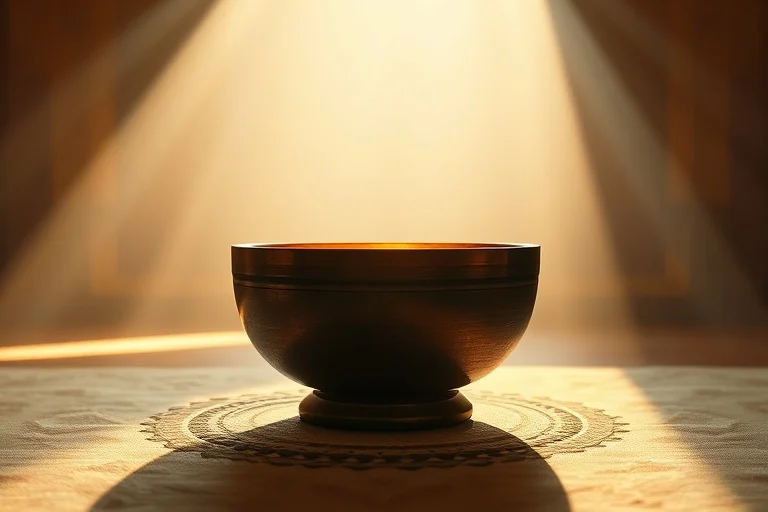
A large, polished Tibetan singing bowl at the center of a serene meditation space, emanating gentle, visible sound waves, symbolizing the core of vibrational therapy.
Table of Contents
- Introduction to Vibrational Therapy
- The Ancient Roots of Sound Healing
- How Singing Bowls Work: The Science of Resonance
- Key Benefits of Sound Healing with Singing Bowls
- Types of Singing Bowls: Tibetan vs. Crystal
- What to Expect During a Sound Bath Session
- Integrating Singing Bowls into Your Daily Life
- Scientific Perspective and Emerging Research
- Conclusion: Harmonizing Mind and Body
Introduction to Vibrational Therapy
Vibrational therapy, often referred to as sound healing, is a holistic approach that uses specific frequencies and sounds to restore balance and promote well-being within the body and mind. This practice is rooted in the understanding that everything in the universe, including our bodies, is made of energy that vibrates at different frequencies. When these frequencies become imbalanced, it can lead to physical, emotional, or mental discomfort.
Singing bowls, whether made of metal (Tibetan) or crystal, are primary instruments in this therapy. Their unique ability to produce sustained, rich overtones and deep vibrations creates an immersive auditory experience. These sounds are believed to resonate with the body's energy centers, or chakras, helping to clear blockages and encourage a harmonious flow of energy.
The growing interest in sound healing reflects a broader societal shift towards complementary and alternative medicine. Many individuals are seeking non-pharmacological methods to manage stress, anxiety, and other modern ailments. Vibrational therapy offers a gentle yet powerful pathway to profound relaxation and self-discovery.
The Ancient Roots of Sound Healing
The use of sound for healing is not a new concept; it dates back thousands of years across various cultures and civilizations. Ancient Egyptians used chanting and vowel sounds for healing, while Aboriginal Australians have utilized the didgeridoo in healing ceremonies for millennia. However, the most direct lineage for modern singing bowl practices can be traced to the Himalayan regions, encompassing Tibet, Nepal, and India.
Tibetan singing bowls, also known as Himalayan bowls, have been used for centuries in Buddhist practices, meditation, and spiritual ceremonies. Traditionally made from an alloy of several metals, often seven, corresponding to the seven planets, these bowls produce complex harmonic overtones when played. They were integral to rituals aimed at promoting spiritual awakening and deep meditative states.
While the exact origins of Tibetan singing bowls are debated, their presence in ancient texts and oral traditions confirms their long-standing role in spiritual and healing contexts. The knowledge and craftsmanship involved in creating these bowls were often passed down through generations, making each bowl a unique artifact with its own distinct voice and vibrational signature.
The resurgence of interest in these ancient tools in the Western world began in the mid-20th century. Practitioners and enthusiasts recognized their potential for relaxation and therapeutic benefits, leading to their widespread adoption in yoga studios, wellness centers, and personal meditation practices. This global spread has allowed more people to experience the profound effects of this timeless healing modality.
How Singing Bowls Work: The Science of Resonance
The efficacy of singing bowls in promoting healing is largely attributed to the principles of resonance and entrainment. Resonance occurs when one vibrating object causes another object to vibrate at the same frequency. In the context of sound healing, the vibrations from the singing bowls resonate with the water content in our bodies, which makes up about 60% of our adult weight.
These vibrations travel deeply into the body, reaching cells, tissues, and organs. This internal massage can help release tension, stimulate circulation, and promote cellular regeneration. The sound waves also impact brainwave states through a process called entrainment. Entrainment is the synchronization of brainwaves to an external rhythm or frequency.

A stunning 3D digital illustration showcases crystal singing bowls, their forms complemented by intricate geometric patterns, symbolizing universal harmony.
When exposed to the consistent, rhythmic sounds of singing bowls, the brainwaves tend to slow down from beta (alert, waking state) to alpha (relaxed, meditative state) and even theta (deep meditation, dream state). This shift in brainwave activity is associated with reduced stress, enhanced creativity, and access to deeper states of consciousness. Tarot Quantum Mechanics Intersecting Divination Reality.
Moreover, the harmonic overtones produced by the bowls are believed to stimulate the vagus nerve, which plays a crucial role in regulating the body's parasympathetic nervous system. Activation of the vagus nerve promotes the "rest and digest" response, counteracting the "fight or flight" response associated with stress. This physiological shift is fundamental to the therapeutic benefits experienced during sound healing sessions.
Key Benefits of Sound Healing with Singing Bowls
The benefits of incorporating sound healing with singing bowls into one's wellness routine are extensive and multifaceted. From physical relaxation to spiritual awakening, these ancient instruments offer a holistic path to improved well-being.
- Stress Reduction and Relaxation: The most commonly reported benefit is a profound sense of calm and relaxation. The soothing vibrations help quiet the mind, reduce anxiety, and alleviate symptoms of chronic stress.
- Improved Sleep Quality: By facilitating a shift into deeper brainwave states, sound healing can significantly improve sleep patterns, helping individuals fall asleep faster and experience more restorative rest.
- Enhanced Mental Clarity and Focus: Regular exposure to the harmonious sounds can help clear mental fog, improve concentration, and foster a greater sense of presence and awareness.
- Emotional Release and Balance: The vibrations can help release stored emotional tension and trauma, promoting emotional balance and a sense of inner peace. Many report feeling lighter and more emotionally resilient after sessions.
- Physical Pain Relief: While not a cure, the deep cellular massage provided by the vibrations can help alleviate chronic pain by relaxing muscles, improving circulation, and reducing inflammation.
- Boosted Immune System: By reducing stress and promoting relaxation, sound healing can indirectly support the immune system, as chronic stress is known to suppress immune function.
- Spiritual Connection: For many, sound baths offer a pathway to deeper meditative states and a stronger connection to their spiritual self, fostering a sense of unity and transcendence.
These benefits underscore why sound healing is becoming an indispensable tool for those seeking a holistic approach to health and personal growth. The gentle yet powerful nature of this therapy makes it accessible to people of all ages and backgrounds.
Types of Singing Bowls: Tibetan vs. Crystal
While both Tibetan and crystal singing bowls are used for sound healing, they differ significantly in their composition, sound quality, and energetic properties. Understanding these differences can help you choose the right type for your specific needs and preferences.
| Feature | Tibetan Singing Bowls (Himalayan) | Crystal Singing Bowls |
|---|---|---|
| Composition | Traditionally made from an alloy of 7-12 metals (brass, copper, tin, zinc, iron, lead, silver, gold, mercury, etc.), hand-hammered. | Made from 99.992% pure crushed quartz crystal, often fused with other minerals or gemstones. |
| Sound Quality | Rich, complex, earthy, and warm tones with multiple harmonic overtones. Often described as "ancient" or "mystical." | Clear, pure, sustained, and resonant tones. Each bowl typically produces a single dominant note, often associated with specific chakras. |
| Vibration | More localized, tactile vibration that can be felt deeply within the body. | More expansive, ethereal vibration that fills a space and resonates with the energetic field. |
| Appearance | Varies greatly in size, shape, and finish; often rustic, antique, with unique markings. | Typically smooth, frosted, or clear; often white or colored depending on added minerals. More uniform in appearance. |
| Playing Method | Played by striking with a mallet or rubbing the rim with a wooden or leather-wrapped striker. | Played by rubbing the rim with a rubber mallet or striker; can also be struck. |
| Energetic Focus | Grounding, traditional, deeply meditative, often used for clearing and ancient wisdom. | Uplifting, clarifying, often used for chakra activation, manifestation, and modern spiritual practices. |
Both types of bowls are powerful tools for healing and meditation. Many practitioners use a combination of both to create a richer and more varied sound experience. The choice often comes down to personal preference and the specific intention of the sound healing session. Learn about crystal healing and gemstone properties.
What to Expect During a Sound Bath Session
A sound bath is a deeply immersive, full-body listening experience that intentionally uses sound to invite therapeutic and restorative processes to the mind and body. During a sound bath, participants typically lie down comfortably on a yoga mat or blanket, often with pillows and eye masks, to maximize relaxation and minimize distractions.
The practitioner, often called a sound healer or sound therapist, will then play a variety of instruments, including singing bowls, gongs, chimes, and other percussive tools. The sounds are not meant to be musical in a conventional sense but are rather a tapestry of frequencies designed to wash over the participants, creating a meditative and healing environment.

An abstract watercolor painting with swirling blues, purples, and golds, beautifully capturing the ethereal flow of sound vibrations and inducing a sense of calm.
Sessions can vary in length, typically lasting from 45 to 90 minutes. Throughout the session, participants are encouraged to simply relax, breathe deeply, and allow the sounds to guide them into a state of deep meditation. It's common to experience a range of sensations, from tingling in the body to vivid imagery or emotional releases. Some people may even fall asleep, which is perfectly normal and still allows the therapeutic benefits to occur.
After the sound bath, participants are usually given time to slowly reorient themselves before standing up. Many report feeling refreshed, grounded, and deeply relaxed. It's advisable to drink plenty of water and allow for quiet reflection time after a session, as the healing process often continues long after the sounds have faded. .
Integrating Singing Bowls into Your Daily Life
You don't need to attend a formal sound bath to experience the benefits of singing bowls. Integrating them into your daily routine can be a simple yet powerful way to enhance your well-being. Here are a few ways to do so:
- Morning Meditation: Start your day by playing a singing bowl for a few minutes. This can help set a calm and focused tone for the day ahead, grounding your energy and promoting mental clarity.
- Evening Relaxation: Before bed, use a singing bowl to unwind and prepare for sleep. The soothing sounds can help transition your brain into a relaxed state, improving sleep quality.
- Mindful Pauses: During stressful moments or breaks throughout your day, take a few minutes to play a bowl. This can serve as a quick reset, bringing you back to the present moment and reducing tension.
- Space Clearing: The vibrations from singing bowls are believed to clear stagnant energy from a space. Play them in different rooms to refresh the atmosphere and invite positive energy.
- Yoga and Stretching: Incorporate the sounds of singing bowls into your yoga practice or stretching routine. The resonance can deepen your stretches and enhance the meditative aspect of your movements.
- Intention Setting: Use the sound of a bowl to mark the beginning and end of an intention-setting practice. The vibration can help solidify your intentions and bring them into manifestation.
When choosing a singing bowl for personal use, consider its size, material, and the quality of its sound. It's often recommended to select a bowl that resonates with you personally, one whose sound you find particularly pleasing and calming. Learning basic techniques for playing the bowl, such as striking and rimming, will allow you to explore its full potential. .
Scientific Perspective and Emerging Research
While sound healing has ancient roots, modern science is increasingly exploring its mechanisms and benefits. Research into the therapeutic effects of sound is still emerging, but preliminary studies and anecdotal evidence are highly promising. The scientific community is particularly interested in how sound frequencies impact brainwave activity, heart rate variability, and stress hormones.
Studies have shown that exposure to specific sound frequencies can induce a relaxation response, characterized by decreased heart rate, lower blood pressure, and reduced levels of cortisol, the primary stress hormone. The entrainment of brainwaves to alpha and theta states, as observed during sound baths, is also a key area of investigation, linking sound therapy to improved sleep and reduced anxiety.
A review published in the AI Preventive Medicine: Diagnosis, Longevity, Personalized Treatments highlighted the potential of sound therapy in managing chronic pain and improving mood in various populations. While more rigorous, large-scale clinical trials are needed to fully understand the scope of its effects, the current body of evidence supports the use of singing bowls as a complementary therapy.
According to a study on the effects of Tibetan singing bowls on mood, tension, and well-being, published in the Journal of Evidence-Based Complementary & Alternative Medicine, "Participants in the Tibetan singing bowl meditation group experienced significantly greater decreases in tension, anxiety, and depression, and significantly greater increases in spiritual well-being than participants in the control group."
This suggests a tangible positive impact on psychological and spiritual health, supporting the anecdotal claims of sound healing practitioners.
The interdisciplinary nature of sound healing, combining elements of physics, psychology, and spirituality, makes it a fascinating field for ongoing research. As technology advances, we may gain an even deeper understanding of how these ancient tools interact with our modern physiology and consciousness. .
Conclusion: Harmonizing Mind and Body
Sound healing with singing bowls offers a unique and powerful pathway to holistic well-being. By harnessing the principles of vibrational resonance and brainwave entrainment, these ancient instruments facilitate deep relaxation, stress reduction, and emotional balance. Whether through immersive sound baths or personal daily practice, the gentle yet profound effects of singing bowls can harmonize the mind, body, and spirit.
As we navigate the complexities of modern life, the need for effective stress management and self-care practices becomes increasingly vital. Sound healing provides an accessible and non-invasive method to achieve these goals, connecting us to ancient wisdom and the innate healing capabilities within ourselves. Embracing this vibrational therapy can open doors to enhanced mental clarity, improved sleep, and a deeper sense of inner peace, enriching your journey towards optimal health and spiritual growth.
Fuente: Contenido híbrido asistido por IAs y supervisión editorial humana.


Comments
Post a Comment