
Sound Healing: Vibrations for Wellness and Spiritual Harmony | StarPluto
Sound healing, an ancient practice rooted in various cultures, is experiencing a significant resurgence in contemporary wellness circles. This therapeutic approach leverages the power of sound frequencies and vibrations to promote physical, emotional, and spiritual well-being. Far from being a mere New Age trend, its principles are increasingly supported by scientific research, highlighting the profound impact that sound can have on our biological and psychological states.
At its core, sound healing posits that everything in the universe, including our bodies, vibrates at specific frequencies. When these frequencies become imbalanced due to stress, illness, or emotional trauma, dis-ease can manifest. Sound therapy aims to restore harmony by introducing specific frequencies that encourage the body's natural healing processes and bring the mind and spirit into a state of coherence.
What is Sound Healing?
Sound healing is a therapeutic practice that uses auditory vibrations and frequencies to promote relaxation, reduce stress, and facilitate healing within the body and mind. It operates on the principle that sound can influence brainwave states, heart rate, and respiratory patterns, leading to a state of deep relaxation and meditation.
Practitioners utilize a variety of instruments and techniques, ranging from ancient tools like singing bowls and gongs to modern electronic devices that generate specific frequencies. The goal is often to create an immersive sonic environment that allows individuals to release tension, clear emotional blockages, and connect with their inner selves. This holistic approach considers the interconnectedness of physical, mental, and spiritual health.
Historical Roots and Cultural Significance
The use of sound for healing is not a modern invention; it dates back thousands of years across diverse cultures. Ancient Egyptians used vocal chanting in healing rituals, believing that specific sounds could align the body's energy centers. The Aboriginal people of Australia have used the didgeridoo for healing for at least 40,000 years, creating resonant vibrations to promote physical and spiritual well-being.
In ancient Greece, Pythagoras famously used musical intervals and harmonies to treat various ailments, believing that music could restore balance to the soul and body. Tibetan monks have long employed singing bowls and gongs in their meditative and healing practices, creating complex soundscapes to facilitate deep states of consciousness and inner peace. These historical precedents underscore the universal recognition of sound's therapeutic potential.
Many indigenous traditions around the world incorporate drumming, chanting, and other forms of sonic expression into their healing ceremonies. These practices often serve not only to heal individual ailments but also to strengthen community bonds and connect participants with the spiritual realm. The rich tapestry of sound healing history demonstrates its enduring power and adaptability across different societies and belief systems.
The Science Behind Vibrational Therapy
While often associated with spiritual practices, sound healing is increasingly being studied through a scientific lens. Research suggests that sound vibrations can affect the human body at a cellular level. The concept of "entrainment" is central here, where the body's oscillatory systems (like brainwaves or heart rate) synchronize with external rhythmic stimuli.
For instance, binaural beats, which are auditory illusions perceived when two slightly different frequency pure-tone sine waves are presented to a listener, can induce specific brainwave states associated with relaxation (alpha and theta waves) or focus (beta waves). Studies have shown that exposure to certain frequencies can reduce cortisol levels, a primary stress hormone, and increase the production of endorphins, which are natural pain relievers and mood elevators.
The phenomenon of cymatics, the study of visible sound and vibration, further illustrates how sound can create intricate geometric patterns in physical matter. This visual representation helps us understand how invisible sound waves might influence the structured water within our cells or the organization of our tissues. The resonance created by sound can penetrate deep into the body, potentially releasing tension and stimulating circulation.
Key Instruments and Modalities
A diverse array of instruments and techniques are employed in sound healing, each offering unique vibrational qualities and therapeutic effects. Understanding these different modalities can help individuals choose the approach best suited to their needs.
Here are some of the most common:
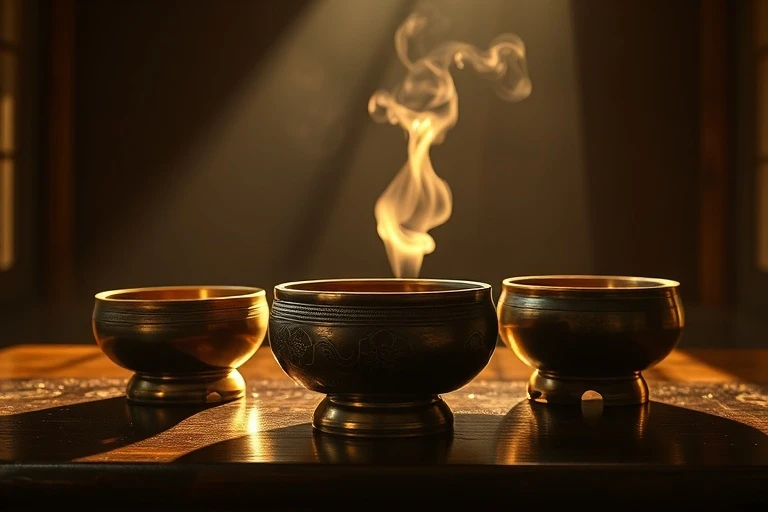
- Tibetan Singing Bowls: Made from various metals, these bowls produce rich, resonant tones and vibrations when struck or rubbed. They are often placed directly on the body or around it to create an immersive sound bath experience.
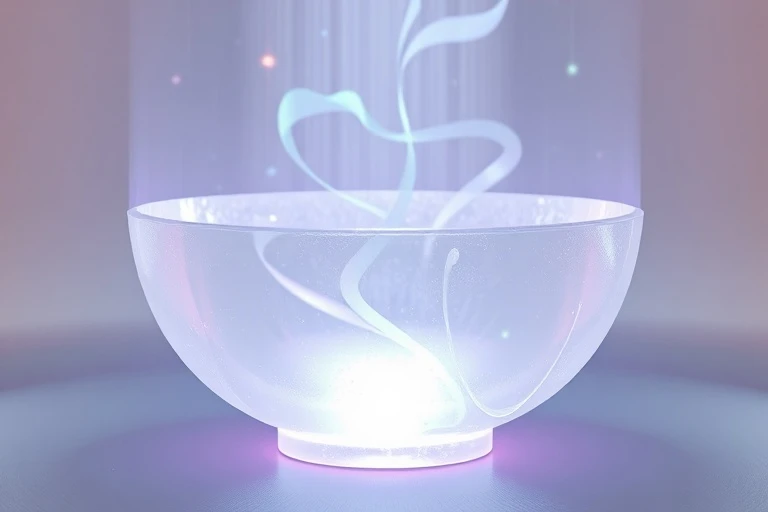
- Crystal Singing Bowls: Crafted from quartz crystal, these bowls produce pure, sustained tones that are believed to resonate with the body's energetic centers (chakras). Their sound is often described as ethereal and deeply relaxing.
- Gongs: Large, powerful instruments that create a vast spectrum of sounds and vibrations. Gong baths are immersive experiences designed to induce deep meditative states and release emotional blockages.
- Tuning Forks: Precision-tuned instruments that emit specific frequencies. They can be used on or around the body to target specific areas, promoting cellular regeneration and energetic balance.
- Drums: Rhythmic drumming has been used in ceremonial and healing contexts for millennia. The steady beat can induce trance-like states, reduce anxiety, and foster a sense of connection.
- Voice and Chanting: The human voice is a powerful healing instrument. Chanting, toning, and vocalizations can create resonant frequencies within the body, promoting self-expression and emotional release.
- Didgeridoo: An ancient wind instrument from Aboriginal culture, known for its deep, resonant drone. It is used for healing, meditation, and connecting with ancestral energies.
Benefits of Sound Healing
The reported benefits of sound healing are extensive and encompass various aspects of well-being. Many individuals experience immediate relief from stress and anxiety, while others report deeper, long-term transformations. These benefits are often attributed to the ability of sound to shift brainwave patterns from a highly active beta state to more relaxed alpha and theta states.
| Category | Specific Benefits |
|---|---|
| Mental & Emotional |
|
| Physical |
|
| Spiritual |
|
How to Experience Sound Healing
There are several ways to engage with sound healing, ranging from facilitated group sessions to personal practices. The choice often depends on individual comfort levels, desired outcomes, and accessibility. Exploring different options can help you find what resonates most with you.
- Sound Baths: These are group meditative experiences where participants lie down and are "bathed" in sound produced by various instruments like gongs, singing bowls, and chimes. The practitioner plays the instruments, creating a rich tapestry of sound that washes over the participants, inducing deep relaxation.
- One-on-One Sessions: In a private setting, a sound healer can work with you individually, often placing bowls directly on your body or using tuning forks to address specific energetic imbalances or physical discomforts. These sessions can be highly personalized.
- Guided Meditations with Sound: Many meditation apps and online platforms offer guided meditations that incorporate specific sound frequencies, binaural beats, or ambient nature sounds to enhance the meditative experience.
- DIY Practice: For those interested in self-exploration, purchasing a small singing bowl or tuning fork can be a great starting point. Learning basic techniques for playing these instruments can provide a personal and accessible way to incorporate sound healing into daily life.
Integrating Sound into Daily Life
Beyond formal sessions, there are numerous simple ways to integrate the principles of sound healing into your everyday routine. These practices can help maintain energetic balance, reduce daily stress, and foster a more harmonious living environment. Consistency is key to experiencing the cumulative benefits.
- Mindful Listening: Pay attention to the sounds around you. Notice the subtle nuances in nature, the rhythm of your breath, or the gentle hum of your home. This practice can ground you in the present moment.
- Curated Playlists: Create playlists of music specifically designed for relaxation, focus, or meditation. Look for tracks that incorporate binaural beats, solfeggio frequencies, or ambient nature sounds.
- Chanting and Toning: Experiment with vocalizing sounds or mantras. Even simple humming can create beneficial vibrations within the body, particularly in the chest and head cavities.
- Use of Personal Instruments: If you own a singing bowl or chime, incorporate a few minutes of playing it into your morning or evening routine. This can serve as a powerful anchor for mindfulness.
- Soundscapes for Sleep: Utilize white noise, pink noise, or calming nature sounds to improve sleep quality. These sounds can mask disruptive noises and help the brain transition into deeper sleep cycles.
By consciously engaging with sound, we can transform our auditory environment from a source of distraction into a powerful tool for personal growth and well-being. The vibrational energy of sound offers a pathway to deeper relaxation, emotional release, and a profound sense of spiritual harmony, making it an invaluable addition to any holistic wellness practice.
The Future of Sound Healing
The field of sound healing is continuously evolving, with new research and technological advancements expanding its potential applications. As our understanding of the human body's intricate vibrational nature deepens, so too does the sophistication of therapeutic sound interventions. Future developments may include more personalized sound frequency therapies, perhaps even tailored to an individual's unique bio-rhythms and genetic makeup.
Integration into mainstream medicine is also a growing trend. Hospitals and clinics are beginning to explore the use of sound for pain management, anxiety reduction during procedures, and improving patient recovery times. Wearable devices that deliver specific frequencies or monitor biofeedback to adjust soundscapes in real-time could become commonplace. The intersection of artificial intelligence and sound therapy also holds promise, potentially allowing AI to compose therapeutic sound environments dynamically based on a user's real-time emotional and physiological state.
Furthermore, as global awareness of holistic health grows, sound healing is likely to become an even more accessible and accepted modality for stress reduction, mental health support, and spiritual development. Its non-invasive nature and profound effects make it a compelling option for those seeking complementary therapies to enhance their overall well-being. The ancient wisdom of sound, combined with modern scientific inquiry, is paving the way for a future where vibrational harmony is a cornerstone of health.
Fuente: Contenido híbrido asistido por IAs y supervisión editorial humana.


Comments
Post a Comment