
Vertex Astrology: Fated Encounters, Destiny Points | StarPluto
In the intricate tapestry of a birth chart, beyond the planets, signs, and houses, lie several sensitive points that offer profound insights into an individual's destiny and karmic path. Among these, the Vertex stands out as a particularly compelling and often misunderstood element. Referred to as an "auxiliary ascendant" or a "fated encounter point," the Vertex illuminates areas of life where destiny seems to intervene, bringing about significant meetings, events, and shifts that feel preordained.
This point is not a physical celestial body but a calculated intersection, making its influence subtle yet potent. Its activation often coincides with moments of profound personal change, revealing connections that are not merely coincidental but deeply meaningful. Understanding the Vertex can unlock deeper layers of self-awareness, helping individuals recognize and navigate the pivotal moments and relationships that shape their journey.
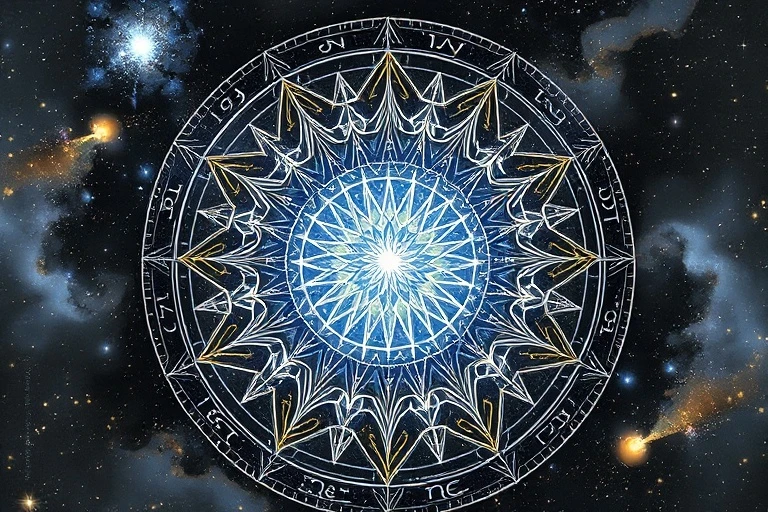
The Vertex: A Tarot Quantum Mechanics Intersecting Divination Reality, symbolizing fated encounters and destiny.
The concept of the Vertex, while not as widely popularized as the Sun or Moon signs, holds immense value for advanced astrological analysis. It serves as a compass pointing towards experiences that are meant to happen, often involving other people who play crucial roles in our personal evolution. These encounters can range from romantic partners to significant mentors, adversaries, or even fleeting strangers who deliver a life-altering message.
This comprehensive guide delves into the mechanics, interpretations, and profound implications of the Vertex, offering a technical and advanced perspective for those seeking to unravel the deeper mysteries of their astrological blueprint. We will explore its calculation, its meaning in various signs and houses, and its dynamic interactions through aspects, synastry, and transits.
Table of Contents
- What is the Vertex in Astrology?
- Calculation and Astrological Placement
- Fated Encounters and Karmic Connections
- The Vertex Through the Zodiac Signs
- The Vertex in Astrological Houses
- Key Aspects to the Vertex
- The Vertex in Synastry: Relationship Dynamics
- Transits and Progressions to the Vertex
- The Anti-Vertex: The Opposite Point
- Conclusion: Embracing Your Destiny Points
What is the Vertex in Astrology?
The Vertex is a significant point in an astrological chart, often referred to as an "electric" or "destiny" point. It is not a planet or an asteroid, but rather a mathematical point derived from the intersection of two great circles: the prime vertical and the ecliptic. The prime vertical is the great circle that passes through the East Point, the Zenith, the West Point, and the Nadir. The ecliptic is the apparent path of the Sun around the Earth.
Its placement in the natal chart highlights areas where external, often unexpected, events and encounters are destined to occur. These events typically involve other people who act as catalysts for significant personal growth, change, or karmic resolution. The Vertex is particularly potent in charts cast for higher latitudes, where its position can vary more dramatically.
Calculation and Astrological Placement
The Vertex is always located in the western hemisphere of the chart, specifically in houses 5 through 8. Its exact position is determined by the intersection of the ecliptic with the prime vertical. The prime vertical is a celestial circle that runs perpendicular to the horizon, passing through the zenith (the point directly overhead) and the nadir (the point directly beneath). The ecliptic, as mentioned, is the path the Sun appears to take around the Earth.
Because of its calculation method, the Vertex's position can be highly sensitive to the exact time and location of birth. Even a slight variation can shift its sign or house placement, underscoring the importance of accurate birth data for precise astrological analysis. The point directly opposite the Vertex is known as the Anti-Vertex, which is always located in the eastern hemisphere of the chart, in houses 1 through 3.
Fated Encounters and Karmic Connections
The Vertex is strongly associated with the concept of fate and destiny. When activated, it often signifies encounters with individuals who are meant to play a specific, often transformative, role in one's life. These interactions are not typically sought out but rather "happen to" the individual, carrying a sense of inevitability and profound significance.
Many astrologers interpret Vertex activations as karmic connections, suggesting that these encounters are part of a larger soul contract or a continuation of relationships from past lives. The lessons learned and the growth experienced through these fated interactions are often crucial for spiritual evolution and the fulfillment of one's life purpose. It's where free will meets destiny, creating moments that feel both surprising and deeply familiar.

The Vertex often brings about that feel preordained.
These encounters are not always positive or easy; they can be challenging, bringing lessons that push individuals out of their comfort zones. However, regardless of their nature, they are consistently impactful, leaving an indelible mark on one's personal narrative. The Vertex acts as a cosmic spotlight, illuminating the precise moments when the universe conspires to bring certain people or circumstances into our orbit for a higher purpose.
The Vertex Through the Zodiac Signs
The zodiac sign in which the Vertex is placed colors the nature and expression of these fated encounters. It describes the energetic qualities and themes that will be prominent in these destiny-driven interactions. Understanding this placement provides clues about the type of lessons and experiences one is meant to attract.
- Vertex in Aries/Libra: Fated encounters often revolve around themes of self-assertion vs. partnership, independence vs. codependency, and learning to balance individual needs with relational harmony.
- Vertex in Taurus/Scorpio: These encounters touch upon values, resources, intimacy, transformation, and power dynamics. Lessons often involve security, sharing, and deep emotional bonds.
- Vertex in Gemini/Sagittarius: Destiny points here relate to communication, learning, belief systems, travel, and expanding one's worldview. Encounters might challenge existing perspectives.
- Vertex in Cancer/Capricorn: Focus on family, roots, emotional security, public image, career, and responsibility. Fated events might involve parental figures, home life, or professional paths.
- Vertex in Leo/Aquarius: Themes of self-expression, creativity, recognition, group involvement, and humanitarian ideals. Encounters can bring opportunities for leadership or collective action.
- Vertex in Virgo/Pisces: Service, health, daily routines, spirituality, sacrifice, and idealism. Fated meetings might involve healing, spiritual teachers, or those in need.
Each sign imbues the Vertex with its unique flavor, shaping the context and challenges of these destined meetings. For instance, a Vertex in a fire sign might indicate encounters that ignite passion and action, while a water sign Vertex could signify deep emotional or spiritual connections.
The Vertex in Astrological Houses
While the sign shows the "how," the house placement of the Vertex reveals the "where" or the specific areas of life where these fated encounters are most likely to manifest. Since the Vertex is always in the western hemisphere, it will fall in houses 5, 6, 7, or 8.
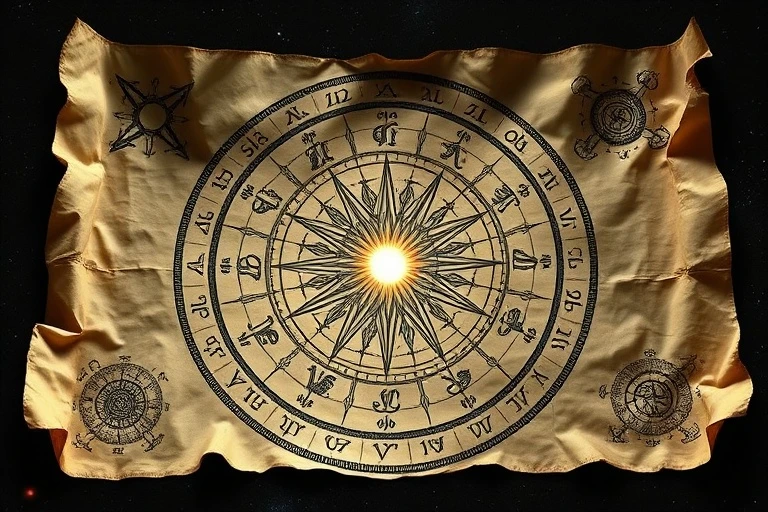
The Vertex in your where destiny unfolds.
- Vertex in the 5th House: Fated encounters related to creativity, romance, children, speculation, and self-expression. These meetings might spark new hobbies, passions, or romantic relationships.
- Vertex in the 6th House: Destiny points here involve work, daily routines, health, service, and pets. Encounters could lead to significant job changes, health revelations, or new service opportunities.
- Vertex in the 7th House: This is a very potent placement for relationships, as the 7th house rules partnerships, marriage, and open enemies. Fated encounters here are often with significant others, business partners, or even legal adversaries.
- Vertex in the 8th House: Themes of intimacy, shared resources, transformation, death, rebirth, and occult matters. Encounters might involve inheritances, deep psychological shifts, or intense, transformative bonds.
The house placement provides a concrete context for the Vertex's influence, grounding its abstract nature into tangible life experiences. It helps pinpoint the specific arenas where destiny's hand is most likely to be felt.
Key Aspects to the Vertex
When other planets or sensitive points form aspects to the Vertex, their influence becomes intertwined with these fated encounters. Conjunctions are particularly powerful, indicating that the energy of the planet is directly involved in the manifestation of Vertex events.
- Conjunctions: A planet conjunct the Vertex signifies that the themes and energies of that planet are central to the fated encounters. For example, Venus conjunct Vertex might indicate fated romantic relationships or artistic collaborations, while Mars conjunct Vertex could point to fated conflicts or passionate pursuits.
- Oppositions: Planets opposite the Vertex (conjunct the Anti-Vertex) suggest that the energy of that planet is often projected onto others in these destined interactions, or that the individual needs to integrate those qualities within themselves.
- Trines and Sextiles: These harmonious aspects indicate that the planetary energies support the unfolding of Vertex events, making the fated encounters flow more easily or providing innate talents that aid in navigating them.
- Squares: Square aspects suggest challenges or tension within Vertex encounters, requiring conscious effort and integration to resolve. These can be powerful growth opportunities.
The aspects to the Vertex provide additional layers of detail, revealing the specific psychological and energetic dynamics at play in one's destined interactions. They can highlight both the gifts and the challenges inherent in these karmic connections.
The Vertex in Synastry: Relationship Dynamics
In synastry, the study of how two charts interact, the Vertex takes on profound significance. When a planet or angle from one person's chart aspects the Vertex of another, it often indicates a strong, fated connection. These connections can feel incredibly powerful, drawing individuals together with an undeniable pull.
- Planets Conjunct Partner's Vertex: This is one of the most potent synastry aspects. The person whose planet is conjunct the other's Vertex often acts as a catalyst for fated events in the Vertex person's life. This can manifest as a feeling of instant recognition, a sense of destiny, or a relationship that fundamentally alters the life path of the Vertex individual.
- Vertex Conjunct Partner's Ascendant/Descendant: These connections are highly significant, suggesting that the relationship itself is a fated encounter, deeply impacting the identity (Ascendant) or partnership dynamics (Descendant) of one or both individuals.
- Vertex Conjunct Partner's Lunar Nodes: This indicates a strong karmic connection, suggesting that the relationship is integral to fulfilling past life lessons or future destiny paths for both individuals.
Vertex connections in synastry are often associated with relationships that are intense, transformative, and feel like they were "meant to be." They can bring about rapid development, challenging individuals to confront their destiny and embrace significant life changes. These are the relationships that leave a lasting imprint, regardless of their duration.
Transits and Progressions to the Vertex
Just as planets aspect the natal Vertex, transiting or progressed planets can activate this sensitive point, triggering fated events in real-time. When a slow-moving outer planet (Jupiter, Saturn, Uranus, Neptune, Pluto) transits or progresses to conjunct the natal Vertex, it often marks a period of profound fated encounters and destiny-altering events.
These activations can bring new people into one's life who are destined to play a significant role, or they can signify a pivotal moment in an existing relationship. The nature of the transiting or progressed planet will color the experience. For example, a Uranus transit to the Vertex might bring sudden, unexpected fated encounters that lead to liberation, while a Saturn transit could signify fated responsibilities or karmic reckoning in relationships.
The Anti-Vertex: The Opposite Point
Opposite the Vertex, exactly 180 degrees away, lies the Anti-Vertex. While the Vertex represents fated encounters that come to us from the outside, the Anti-Vertex often symbolizes what we actively seek out or what we project onto others. It can represent our conscious desires and the qualities we are drawn to, sometimes in an attempt to integrate what the Vertex brings in unexpectedly.
In some interpretations, the Anti-Vertex can represent the qualities we need to develop within ourselves before we are ready to fully embrace the fated experiences of the Vertex. It's the "me" to the Vertex's "them," highlighting our active role in attracting or responding to destiny. Understanding both points provides a more holistic view of how fate and free will interact in our lives.
Conclusion: Embracing Your Destiny Points
The Vertex in astrology offers a profound lens through which to view the seemingly coincidental yet deeply meaningful events and relationships that shape our lives. It stands as a testament to the intricate dance between free will and destiny, revealing moments when the universe steps in to guide us toward our karmic path and personal evolution. By understanding its placement in our birth chart, along with its sign, house, and aspects, we can become more attuned to these fated encounters, recognizing their significance and embracing the transformative potential they hold.
Whether through romantic partnerships, pivotal friendships, or unexpected opportunities, the Vertex illuminates the points where our individual story intersects with a larger cosmic plan. Paying attention to its activations can empower us to navigate these destiny points with greater awareness, allowing us to fully integrate the lessons and growth intended for our journey.
Fuente: Contenido híbrido asistido por IAs y supervisión editorial humana.


Comments
Post a Comment