
AI-Powered Dream Interpretation: Decoding Symbolic Language
Dreams have fascinated humanity for millennia, serving as a mysterious conduit to our deepest thoughts, fears, and aspirations. From ancient shamans interpreting visions to modern psychologists dissecting symbolic narratives, the quest to understand the language of the subconscious is a timeless endeavor. In the 21st century, a new frontier has emerged: AI-powered dream interpretation. This innovative approach combines the ancient art of dream analysis with cutting-edge artificial intelligence, offering unprecedented tools to decode the intricate symbolic messages woven into our nocturnal journeys. Far from replacing human insight, AI acts as a sophisticated assistant, capable of processing vast amounts of data and identifying patterns that might elude traditional methods, thereby opening new avenues for self-discovery and psychological understanding.
The integration of artificial intelligence into the realm of dream analysis represents a significant leap forward, transforming what was once a highly subjective and intuitive practice into a more structured, data-driven discipline. By leveraging algorithms, machine learning, and natural language processing, AI systems can now analyze dream narratives with a level of precision and consistency previously unattainable. This article delves into the mechanics, benefits, challenges, and future prospects of AI-powered dream interpretation, exploring how algorithmic precision is beginning to unlock the profound mysteries of our inner worlds.
Table of Contents
- The Evolution of Dream Analysis: From Ancient Oracles to Algorithmic Insights
- How AI Deciphers Dreams: The Algorithmic Approach to Subconscious Language
- The Transformative Benefits of AI-Powered Dream Interpretation
- Challenges and Ethical Considerations in AI Dream Decoding
- The Future of Dream Decoding: Integrating AI with Holistic Well-being
- Practical Applications: AI Dreams for Self-Discovery and Beyond
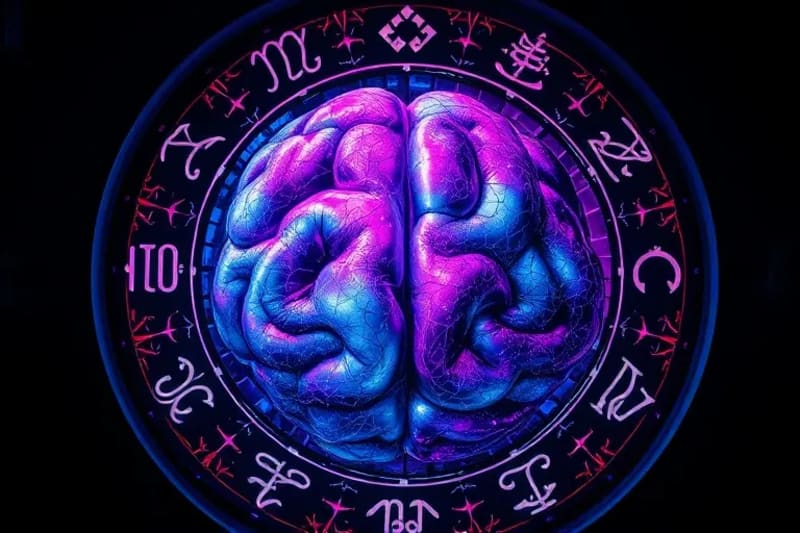
A futuristic interface visualizing the complex interplay between dream imagery and AI processing, highlighting the algorithmic precision in decoding subconscious language.
The Evolution of Dream Analysis: From Ancient Oracles to Algorithmic Insights
The practice of interpreting dreams is as old as civilization itself. Ancient Egyptians believed dreams were messages from the gods, often recording them on papyrus and consulting priests for their meaning. In Mesopotamia, dream interpreters held significant societal roles, guiding rulers and common folk alike. Greek and Roman civilizations viewed dreams as omens or divine communications, with figures like Artemidorus of Daldis compiling extensive dream dictionaries.
The modern era saw a significant shift with the advent of psychology. Sigmund Freud, often considered the father of psychoanalysis, posited that dreams are the "royal road to the unconscious," a disguised fulfillment of repressed wishes. His work, detailed in "The Interpretation of Dreams," introduced concepts like manifest (remembered) and latent (underlying meaning) dream content. Carl Jung, a student of Freud, expanded on these ideas, introducing the concept of the collective unconscious and archetypes – universal symbols that appear in dreams across cultures. Jung believed dreams compensate for imbalances in the waking psyche and offer guidance towards individuation.
While Freud and Jung laid foundational theories, their methods relied heavily on subjective interpretation and the analyst's expertise. Post-Jungian approaches, Gestalt therapy, and cognitive-behavioral techniques have further refined dream work, emphasizing personal associations and the dreamer's active role. However, these methods often face challenges related to consistency, scalability, and the potential for interpretive bias. The introduction of AI seeks to address these limitations by offering a systematic, data-driven framework.
How AI Deciphers Dreams: The Algorithmic Approach to Subconscious Language
AI-powered dream interpretation operates on several sophisticated technological pillars, primarily Natural Language Processing (NLP), Machine Learning (ML), and extensive symbolic databases. When a user inputs a dream narrative, the AI system processes it through a series of analytical stages.
A visual representation of an individual engaging with AI-driven dream analysis, where symbolic imagery is processed by flowing data, enhancing personal understanding.
1. Natural Language Processing (NLP): This is the first crucial step. NLP algorithms break down the dream narrative into its constituent parts, identifying key entities (people, objects, places), actions (verbs), and emotions (adjectives). It analyzes syntax, semantics, and context to understand the literal meaning of the reported dream. For instance, NLP can differentiate between a "flying bird" and a "bird flying away," recognizing subtle differences in action and implication.
2. Machine Learning (ML) and Pattern Recognition: Once the text is processed, ML models come into play. These models are trained on vast datasets of dream reports, psychological theories, and established symbolic interpretations. They learn to identify recurring patterns, correlations, and relationships between specific dream elements and common psychological themes. For example, if many users report dreams of "falling" during periods of anxiety, the ML model learns to associate falling with feelings of insecurity or loss of control. This extends to more complex correlations, such as the relationship between specific astro-linguistic patterns in dreams and waking life events.
3. Symbolic Databases and Contextual Analysis: AI systems draw upon extensive databases that catalog dream symbols from various cultural, mythological, and psychological perspectives. These databases are enriched with interpretations from Freudian, Jungian, and other schools of thought. The AI doesn't just match symbols; it performs contextual analysis. It considers the entire narrative, the user's reported emotions, and even historical data (if provided by the user) to offer a nuanced interpretation. For example, a "snake" can symbolize fear, transformation, healing, or temptation, depending on its behavior in the dream, the dreamer's interaction with it, and the overall emotional tone. This is akin to understanding the multi-layered meaning of personal symbols in other esoteric practices.
4. Sentiment Analysis: A critical component is the AI's ability to detect the emotional tone of the dream. Was it a nightmare filled with dread, or a pleasant dream evoking joy? Sentiment analysis helps the AI gauge the emotional valence of different dream segments, providing crucial context for interpretation. A dream about a loved one might have vastly different implications if the predominant emotion is fear versus comfort.
By combining these techniques, AI can generate comprehensive reports that highlight potential meanings, psychological connections, and even suggest areas for self-reflection. It's a powerful tool that moves beyond simple dictionary look-ups, offering a more dynamic and integrated understanding of dream content.
The Transformative Benefits of AI-Powered Dream Interpretation
The application of AI to dream analysis brings forth a multitude of benefits, enhancing accessibility, objectivity, and depth in understanding our nocturnal experiences.
- Objectivity and Data-Driven Insights: Unlike human interpretation, which can be influenced by personal biases or theoretical leanings, AI provides an objective analysis based on algorithms and vast datasets. This reduces subjective error and offers interpretations grounded in statistical patterns and established psychological frameworks.
- Accessibility and Speed: AI dream interpretation tools are available 24/7, making dream analysis accessible to anyone with an internet connection, regardless of geographical location or economic status. The processing is instantaneous, providing immediate insights that can be invaluable for timely self-reflection.
- Personalized Interpretations: While AI uses general patterns, advanced systems can learn from a user's historical dream entries, personal associations, and emotional states over time. This allows for increasingly personalized interpretations that resonate more deeply with the individual's unique psychological landscape.
- Uncovering Hidden Patterns: AI excels at identifying subtle correlations and recurring themes across multiple dreams that a human might miss. By analyzing a series of dreams, AI can pinpoint evolving psychological concerns, recurring archetypes, or developing emotional states, offering a longitudinal view of the subconscious narrative.
- Educational Value: Many AI platforms not only provide interpretations but also explain the underlying psychological theories or symbolic meanings, acting as an educational tool for users interested in learning more about dream psychology.
- Therapeutic Adjunct: For therapists, AI tools can serve as a valuable adjunct, providing preliminary analyses or highlighting key themes that can then be explored in greater depth during therapy sessions. This can make the therapeutic process more efficient and focused.
Challenges and Ethical Considerations in AI Dream Decoding
Despite its promising capabilities, AI-powered dream interpretation is not without its challenges and ethical dilemmas. Navigating these complexities is crucial for its responsible development and deployment.
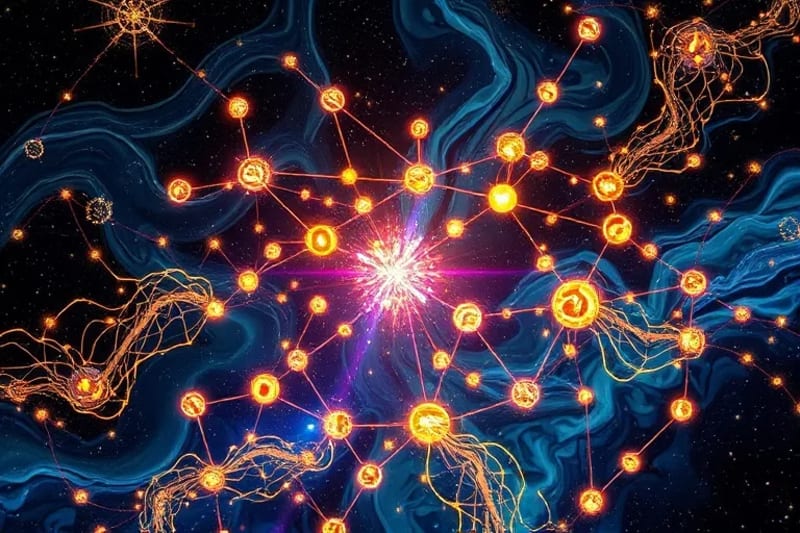
A 3D render of an intricate neural network, symbolizing the complex algorithmic processes AI employs to interpret and connect abstract dream data, revealing hidden meanings.
1. Nuance and Subjectivity: Dreams are profoundly personal and often defy literal interpretation. The same symbol can hold vastly different meanings for different individuals based on their unique life experiences, cultural background, and emotional state. AI, while adept at pattern recognition, may struggle with the subtle nuances, ironies, and highly personal metaphors that characterize human dreams. The "feeling" of a dream, its emotional texture, can be hard for an algorithm to fully grasp.
2. Data Privacy and Security: Dream narratives often contain highly sensitive and intimate personal information. Storing and processing this data raises significant privacy concerns. Robust encryption, anonymization techniques, and strict data governance policies are essential to protect user confidentiality and prevent misuse of such deeply personal insights.
3. Over-reliance on Technology: There's a risk that users might become overly reliant on AI interpretations, neglecting their own intuition, critical thinking, and personal reflection. Dreams are meant to be explored, not just "solved." The process of personal inquiry and self-discovery is as valuable as the interpretation itself.
4. The Role of Human Intuition and Expertise: AI is a tool, not a replacement for human empathy, wisdom, and clinical judgment. For complex psychological issues or therapeutic contexts, the guidance of a trained professional remains indispensable. Human therapists can provide the emotional support, contextual understanding, and ethical framework that AI cannot.
5. Algorithmic Bias: If the datasets used to train AI models contain biases (e.g., predominantly Western cultural interpretations, or skewed demographic representation), the AI's interpretations may reflect and perpetuate these biases, leading to inaccurate or culturally insensitive analyses for certain users.
Addressing these challenges requires a collaborative approach involving AI developers, psychologists, ethicists, and users to ensure that AI dream interpretation tools are developed and used responsibly, complementing human understanding rather than supplanting it.
The Future of Dream Decoding: Integrating AI with Holistic Well-being
The future of AI-powered dream interpretation is poised for exciting advancements, moving towards more integrated and holistic approaches to well-being. We can anticipate several key developments that will further refine and expand its capabilities.
- Integration with Wearable Technology: Future AI systems could integrate with wearable devices that monitor sleep cycles, heart rate variability, brainwave patterns (EEG), and other physiological data. This would allow AI to correlate dream content with specific sleep stages or physiological states, providing deeper insights into the mind-body connection during dreaming.
- Advanced Personalization: AI will become even more adept at learning individual symbolic lexicons. By analyzing a user's entire digital footprint (with consent) – their writings, social media activity, even their preferred aromatherapy scents and their emotional responses to them – AI could build highly precise personal symbolic dictionaries, making interpretations extraordinarily relevant.
- Interactive Dream Exploration: Imagine AI-powered virtual reality (VR) environments where users can re-enter and interact with elements of their dreams, guided by AI to explore different symbolic meanings or practice lucid dreaming techniques. This could transform dream work into an immersive, experiential journey.
- Predictive Analytics for Mental Health: By analyzing recurring dream patterns and their correlations with waking life stressors, AI might eventually assist in early detection of mental health challenges, offering proactive insights and recommending interventions or professional support. This aligns with the concept of biofield coherence manifestation, where subtle energetic shifts can be detected.
- Cross-Cultural Dream Databases: Efforts to build more diverse and comprehensive cross-cultural dream symbol databases will enhance the AI's ability to provide culturally sensitive and universally relevant interpretations, reducing algorithmic bias.
- Ethical AI Frameworks: As the technology advances, robust ethical AI frameworks will become standard, ensuring transparency, user control over data, and responsible use of dream insights.
Practical Applications: AI Dreams for Self-Discovery and Beyond
The practical applications of AI-powered dream interpretation extend far beyond mere curiosity, offering tangible benefits in various domains:
- Personal Growth and Self-Awareness: Individuals can gain deeper insights into their unconscious motivations, unresolved conflicts, and hidden potentials, fostering greater self-understanding and emotional intelligence.
- Therapeutic Support: As an adjunct tool, AI can help therapists identify key themes in a client's dream life, track progress, and provide discussion points for sessions, enhancing the efficacy of psychological interventions.
- Creative Inspiration: Artists, writers, and innovators can use AI to explore the symbolic richness of their dreams, tapping into a wellspring of unconscious creativity for new ideas, narratives, and artistic expressions.
- Problem-Solving: Dreams often present solutions or perspectives on waking life problems. AI can help distill these insights, offering clarity and novel approaches to challenges.
- Stress Reduction and Emotional Regulation: By understanding the underlying causes of recurring nightmares or anxiety-inducing dreams, individuals can work towards addressing these issues, leading to improved sleep quality and overall emotional well-being.
The integration of AI into dream analysis is not about replacing the human element but augmenting it, providing powerful tools to explore the rich, complex landscape of the subconscious mind. It democratizes access to profound self-knowledge, making the ancient quest for dream understanding more accessible and insightful than ever before.
Key Takeaways on AI Dream Interpretation
- AI leverages NLP, ML, and symbolic databases to analyze dream narratives.
- Benefits include objectivity, accessibility, speed, and personalized insights.
- Challenges involve handling nuance, ensuring data privacy, and avoiding over-reliance.
- The future points to integration with wearables, VR, and predictive mental health analytics.
- Practical uses span personal growth, therapy, creative inspiration, and problem-solving.
AI-powered dream interpretation serves as a powerful bridge between ancient wisdom and modern technology, offering a new lens through which to understand our inner worlds.
Conclusion
AI-powered dream interpretation stands at the fascinating intersection of technology, psychology, and ancient wisdom. By applying algorithmic precision to the symbolic language of dreams, AI offers a revolutionary approach to understanding our subconscious. It provides objective, data-driven insights, making the profound world of dream analysis more accessible and personalized than ever before. While challenges related to nuance, privacy, and the irreplaceable role of human intuition persist, ongoing advancements promise a future where AI acts as an invaluable guide, helping us navigate the intricate landscapes of our inner selves.
As AI continues to evolve, its capacity to decode the symbolic messages of our dreams will undoubtedly deepen our self-awareness, foster personal growth, and unlock new avenues for psychological well-being. The journey into the dream world, now illuminated by artificial intelligence, is just beginning, promising a richer understanding of what it means to be human.
Explore Further Insights:
- Feng Shui Digital Spaces: Harmonizing Virtual Environments - Discover balance in your digital world.
- Elemental Tigers: Unpacking the Five Types of Tiger Personalities in Depth - Dive into zodiac personality traits.
- North Node Transits Personal Planets: Evolutionary Growth - Understand your destined path.
- Aromatherapy Planetary: Scent, Ritual, Mood - Connect scents with cosmic energies.
- Rooster Chinese Zodiac: Meaning, Traits & Compatibility - Uncover zodiac characteristics.
- Archetypal Feng Shui: Aligning Space, Inner Harmony - Harmonize your environment and self.
- Astrological Remedies: Balancing Planetary Energies for Well-being - Find balance through cosmic guidance.
- Astro-Linguistics: Natal Chart Mantras Resonance - Explore the power of personalized mantras.
- Auspicious Baby Names Chinese Zodiac Element: Advanced Selections - Choose names aligned with destiny.
- Dragon Phoenix Mythology Chinese Astrology Symbolism Guide - Unravel ancient symbolic meanings.
- Biofield Coherence Manifestation: Quantum Energetic Alignment - Align your energy for manifestation.
- Cardinal, Fixed, Mutable: Astrological Modalities Explained - Grasp the dynamics of zodiac signs.
- Mars in Signs: Drive, Passion, and Conflict Resolution - Understand your inner warrior.
- Sigil Magick Personal Symbols Manifestation Intention Guide - Create symbols for your desires.
- Rat-Rabbit Compatibility: Chinese Zodiac Insights - Explore zodiac relationship dynamics.
Source: Hybrid content assisted by AI and human editorial supervision.


Comments
Post a Comment