
Bio-Energetic Architecture: Sacred Spaces, Geomancy, Feng Shui
In an increasingly complex and fast-paced world, the quest for spaces that nurture well-being and foster spiritual connection has led to a resurgence of interest in ancient wisdom. Bio-energetic architecture stands at the forefront of this movement, proposing a holistic approach to design that considers not only the physical but also the energetic impact of our built environments. This discipline integrates scientific understanding with traditional practices like geomancy and Feng Shui, aiming to create structures that resonate harmoniously with natural forces and human inhabitants.
The concept revolves around the idea that every space possesses an energetic signature, influencing the mood, health, and productivity of those within it. By consciously designing with these energies in mind, bio-energetic architecture seeks to optimize human potential and create environments conducive to healing, creativity, and spiritual growth. This comprehensive guide explores the foundational principles, practical applications, and profound benefits of this innovative approach to spatial design.
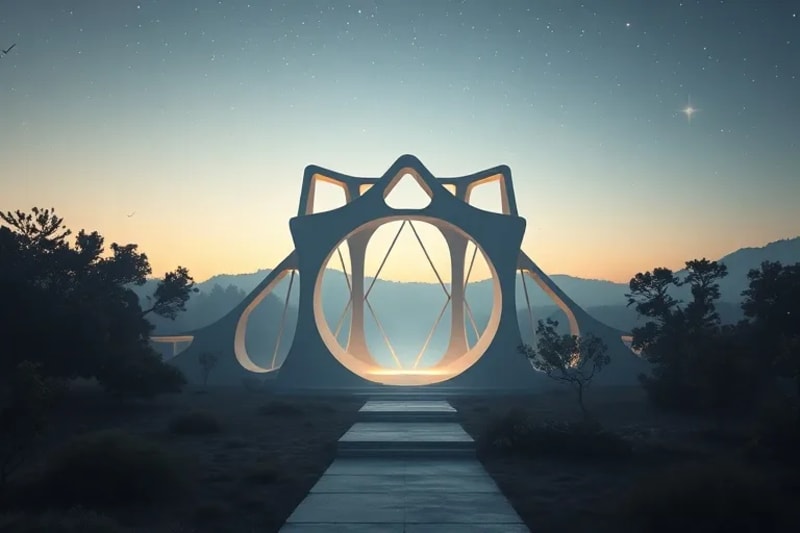
A modern structure designed with bio-energetic principles, showcasing seamless integration with its natural surroundings and an aura of serene balance.
Table of Contents
- Introduction to Bio-Energetic Architecture
- Historical and Philosophical Foundations
- Geomancy: Unveiling Earth's Energies
- Feng Shui: The Art of Harmonious Flow
- Synergistic Integration of Geomancy and Feng Shui
- Designing Sacred Spaces: Practical Applications
- Benefits of Bio-Energetic Architecture
- Modern Relevance and Future Outlook
- Challenges and Misconceptions
- Conclusion
Introduction to Bio-Energetic Architecture
Bio-energetic architecture is an interdisciplinary field that merges architectural design with an understanding of subtle energy fields. It operates on the premise that the environment we inhabit significantly impacts our physical, mental, and spiritual well-being. This approach moves beyond conventional architectural considerations like aesthetics, functionality, and structural integrity, adding a crucial layer of energetic compatibility.
The core objective is to design and construct buildings that support life, enhance vitality, and promote a sense of peace and balance. This is achieved by carefully selecting building sites, orienting structures, choosing materials, and arranging interior spaces in alignment with natural energy flows. Practitioners often draw upon ancient traditions that have long recognized the invisible forces shaping our world.
Unlike conventional architecture, which might prioritize cost-efficiency or visual appeal above all else, bio-energetic design places human and environmental health at its core. It seeks to create a symbiotic relationship between the occupants and their surroundings, where the building itself acts as a conduit for positive energy. This holistic perspective is gaining traction as people increasingly seek deeper connections to their living and working spaces.
Historical and Philosophical Foundations
The principles of bio-energetic architecture are not new; they are deeply rooted in ancient civilizations across the globe. Cultures from China to indigenous American tribes, and from ancient Egypt to Celtic societies, developed sophisticated systems for aligning their structures with cosmic and telluric energies. These traditions recognized the Earth as a living organism with its own energetic currents.
For instance, the construction of megalithic sites like Stonehenge, the precise orientation of Egyptian pyramids, and the layout of traditional Chinese cities all reflect an awareness of energetic principles. These ancient builders understood that the placement and design of a structure could amplify or mitigate natural forces, influencing everything from crop yields to spiritual ceremonies. Their knowledge, often passed down through oral traditions or sacred texts, forms the bedrock of modern bio-energetic practices.
Philosophically, this approach is often linked to concepts of vital energy, known as "Chi" in Chinese traditions, "Prana" in Indian philosophy, or "Mana" in Polynesian cultures. This universal life force is believed to flow through all things, and its harmonious circulation is essential for health and prosperity. Bio-energetic architecture aims to facilitate this flow within built environments, transforming them into extensions of the natural world rather than barriers against it.
Geomancy: Unveiling Earth's Energies
Geomancy, literally "earth divination," is the art and science of understanding the Earth's energetic landscape. It involves identifying specific energy lines, known as ley lines or dragon lines, and detecting areas of geopathic stress. These subtle energies are believed to influence the health and vitality of living organisms, including humans, animals, and plants.
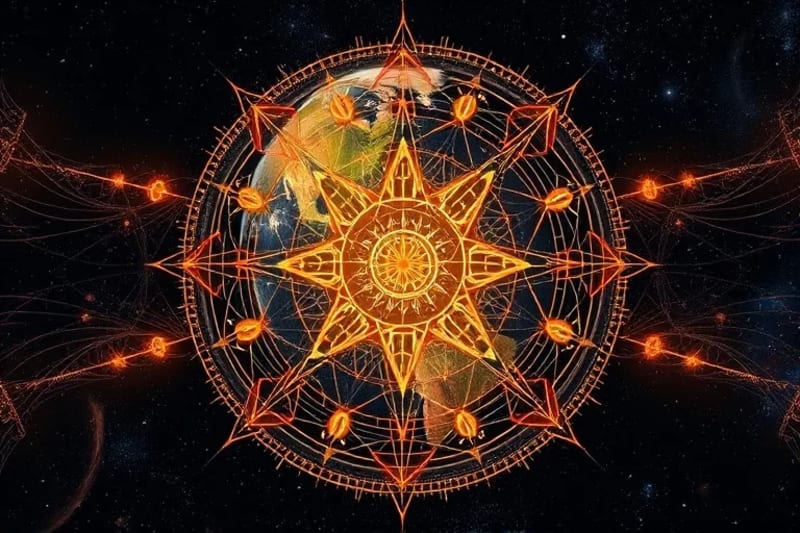
An artistic representation of geomantic principles, illustrating the intricate network of Earth's energy lines and their interaction with human structures.
Geopathic stress refers to natural earth energies that become distorted or harmful due to various factors, such as underground water veins, geological fault lines, or mineral deposits. Prolonged exposure to geopathic stress has been linked by some researchers to a range of health issues, including sleep disturbances, chronic fatigue, and weakened immune systems. Geomancers use dowsing rods, pendulums, or intuitive senses to detect these zones.
In bio-energetic architecture, a geomantic survey is often the first step in site selection and design. The goal is to choose a building site that is free from significant geopathic stress and ideally located on beneficial energy nodes or pathways. If a site cannot be avoided, geomancers may suggest mitigation techniques, such as placing specific crystals, arranging furniture, or planting certain trees to neutralize or redirect negative energies. This foundational understanding of Earth's subtle forces provides a powerful framework for creating truly supportive environments.
Feng Shui: The Art of Harmonious Flow
Feng Shui, an ancient Chinese art and science, focuses on arranging living spaces to optimize the flow of "Chi" or life energy. The term "Feng" means wind and "Shui" means water, symbolizing the invisible and intangible forces that govern our environment. Its principles are designed to create harmony and balance, promoting health, wealth, and happiness for occupants.
Key concepts in Feng Shui include the Yin and Yang balance, the Five Elements theory (Wood, Fire, Earth, Metal, Water), and the Bagua map. The Bagua is an octagonal grid that corresponds to different life areas (e.g., wealth, relationships, health) and is overlaid onto a floor plan to identify areas for energetic enhancement or correction. Each area is associated with specific elements, colors, and shapes.
Feng Shui Tips for Chinese Zodiac Alignment:
- Personalized Element Integration: Each Chinese Zodiac sign is associated with a primary element (Wood, Fire, Earth, Metal, Water). Incorporating elements that complement your personal element can enhance your living space. For example, a Wood sign person might benefit from more green plants and wooden decor.
- Directional Harmony: Certain directions are more auspicious for specific zodiac signs. Consulting a Feng Shui expert can help identify your most favorable directions for sleeping, working, or meditating, aligning your personal energy with cosmic flows.
- Auspicious Animal Symbols: Placing representations of your Chinese Zodiac animal, or animals that are compatible with yours, can attract positive energy and good fortune into your home or office.
- Color Psychology: Utilize colors that resonate with your personal element and the elements of your compatible signs. For instance, if your element is Water, blues and blacks are favorable, while Metal (which produces Water) colors like white and gray can also be beneficial.
The application of Feng Shui involves careful consideration of a building's orientation, the placement of doors and windows, furniture arrangement, and the use of colors, materials, and symbolic objects. The goal is to ensure Chi flows smoothly and gently throughout the space, avoiding stagnant areas (where Chi accumulates) or overly fast-moving Chi (which can be chaotic). This ancient practice offers a practical toolkit for optimizing the energetic quality of any environment.
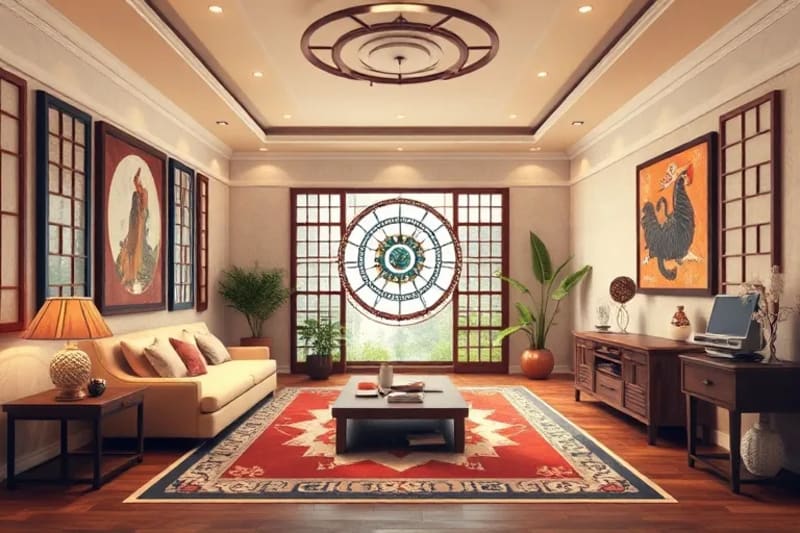
A serene interior demonstrating optimal Chi flow and elemental balance, embodying the core principles of Feng Shui for enhanced well-being.
Synergistic Integration of Geomancy and Feng Shui
While geomancy and Feng Shui originate from different cultural contexts, they share a common goal: to harmonize human habitats with natural energies. Their integration in bio-energetic architecture creates a powerful synergistic approach. Geomancy primarily deals with the external, telluric energies of a site, while Feng Shui focuses on the internal arrangement and flow of energy within the built structure.
A typical bio-energetic design process might begin with a geomantic assessment of the land. This ensures that the chosen site is energetically sound and that the building's foundation is laid in a favorable location. Once the external energetic landscape is understood and optimized, Feng Shui principles are applied to the architectural design and interior layout. This includes orienting the building to capture beneficial Chi, designing floor plans that promote smooth energy flow, and selecting materials and colors that support the desired energetic qualities.
This dual approach ensures that a sacred space is not only visually appealing and functional but also energetically aligned from the ground up. It's like ensuring the soil is fertile before planting a garden, and then arranging the plants in a way that maximizes their growth and beauty. The combination of these ancient wisdom traditions provides a robust framework for creating truly transformative environments.
Designing Sacred Spaces: Practical Applications
The application of bio-energetic architecture extends far beyond traditional religious sites. While temples, churches, and meditation centers are obvious candidates for sacred design, the principles can be applied to any space intended to foster well-being, creativity, or spiritual connection. This includes homes, offices, schools, hospitals, and even public parks.
Key considerations in designing sacred spaces:
- Site Selection: Prioritizing locations with positive telluric energies, often identified through geomantic surveys, avoiding areas of geopathic stress.
- Orientation: Aligning the building with cardinal directions or specific celestial events to harness beneficial cosmic energies.
- Natural Light and Ventilation: Maximizing natural light and ensuring good air circulation to promote the flow of fresh Chi and reduce indoor air pollution.
- Materials: Utilizing natural, non-toxic, and locally sourced materials that resonate with the Earth's energy and minimize electromagnetic fields (EMFs). Examples include wood, stone, clay, and natural fibers.
- Water Features: Incorporating water elements, such as fountains or ponds, strategically placed to attract and circulate positive energy, as water is a powerful conductor of Chi.
- Biophilic Design: Integrating natural patterns, forms, and elements (e.g., indoor plants, natural views) to connect occupants with nature and reduce stress.
- Color and Sound: Using specific color palettes and soundscapes to evoke desired emotional and energetic responses, aligning with Feng Shui principles.
- Symbolism: Incorporating sacred geometry, mandalas, or other meaningful symbols into the design to imbue the space with deeper spiritual resonance.
These practical applications transform a mere structure into a living, breathing entity that actively supports its inhabitants. From the macro-level of site planning to the micro-level of interior decor, every decision is made with energetic harmony in mind.
Benefits of Bio-Energetic Architecture
The advantages of living or working in a bio-energetically designed space are multifaceted, impacting physical health, mental clarity, emotional balance, and spiritual growth. The core benefit lies in creating environments that actively contribute to human flourishing rather than passively containing it.
Key Benefits:
- Enhanced Well-being: Reduced stress, improved sleep quality, and increased vitality due to harmonious energy flows and reduced exposure to geopathic stress and EMFs.
- Improved Health: A supportive environment can bolster the immune system, accelerate healing processes, and mitigate chronic health conditions often exacerbated by unhealthy living spaces.
- Increased Productivity and Creativity: Spaces designed with optimal Chi flow can foster greater focus, inspiration, and innovative thinking in workplaces and creative studios.
- Emotional Balance: Harmonious surroundings contribute to a sense of calm, peace, and emotional stability, reducing irritability and anxiety.
- Spiritual Connection: Sacred spaces facilitate meditation, introspection, and a deeper connection to one's inner self and the universal life force.
- Environmental Harmony: Emphasizing natural materials and sustainable practices often leads to more eco-friendly buildings with a smaller carbon footprint.
- Stronger Relationships: A balanced home environment can promote better communication and reduce conflict among family members.
These benefits underscore the transformative potential of bio-energetic architecture, moving beyond mere shelter to create spaces that are truly life-enhancing. It's an investment not just in property, but in the quality of life itself.
Modern Relevance and Future Outlook
In the 21st century, the principles of bio-energetic architecture are more relevant than ever. As urban environments become denser and technology saturates our lives, there is a growing need for spaces that offer refuge and rejuvenation. Modern architects and designers are increasingly exploring how to integrate these ancient wisdom traditions with contemporary building science and sustainable practices.
The future of bio-energetic architecture likely involves advanced technologies for detecting and mapping subtle energies, alongside innovative materials that can amplify positive frequencies or shield against harmful ones. Smart home systems could potentially adjust lighting, temperature, and even soundscapes to optimize energetic balance throughout the day. The rise of biophilic design, which seeks to connect building occupants more closely to nature, also aligns perfectly with bio-energetic principles.
Furthermore, as scientific research into the effects of subtle energies on human health continues to advance, the empirical basis for bio-energetic design will strengthen. This will likely lead to wider acceptance and integration into mainstream architectural education and practice. The ultimate vision is a world where all built environments are designed not just for function and aesthetics, but for the holistic well-being of all living beings.
Challenges and Misconceptions
Despite its growing popularity, bio-energetic architecture faces several challenges and is often subject to misconceptions. One primary challenge is the lack of widespread scientific consensus and standardized methodologies. While anecdotal evidence and some preliminary studies suggest positive effects, rigorous, large-scale scientific validation is still developing.
Another misconception is that these practices are purely superstitious or mystical, lacking any practical application. Critics often dismiss geomancy and Feng Shui as pseudoscience, overlooking the centuries of empirical observation and subtle energy understanding that underpin these traditions. Education and clear communication are crucial to bridge this gap between ancient wisdom and modern scientific paradigms.
Furthermore, the implementation of bio-energetic design can sometimes be perceived as costly or complex, requiring specialized consultants. While initial investments might be higher, proponents argue that the long-term benefits in health, productivity, and overall quality of life far outweigh these costs. Overcoming these challenges will require continued research, professional training, and a willingness to explore interdisciplinary approaches to design.
Conclusion
Bio-energetic architecture offers a profound paradigm shift in how we conceive and construct our living environments. By consciously integrating the ancient wisdom of geomancy and Feng Shui with contemporary design principles, it provides a pathway to creating spaces that are not only aesthetically pleasing and functional but also deeply nurturing and energetically harmonious. This holistic approach recognizes the intricate connection between our surroundings and our inner states, paving the way for healthier, happier, and more spiritually connected lives.
As we move forward, the demand for such conscious design will only grow, driven by a collective desire for balance and well-being in an increasingly demanding world. Bio-energetic architecture stands as a testament to the timeless truth that our environments are not passive backdrops but active participants in our journey of life, capable of elevating our existence to sacred dimensions.
Fuente: Contenido híbrido asistido por IAs y supervisión editorial humana.


Comments
Post a Comment