
Biometric Divination Intuition: Biofeedback Self-Discovery
In an era where technology increasingly intertwines with personal growth, the concept of biometric divination emerges as a fascinating frontier. This innovative approach seeks to bridge ancient intuitive practices with modern scientific understanding, leveraging biofeedback mechanisms to deepen self-awareness and enhance intuitive capabilities. Far from traditional fortune-telling, biometric divination is rooted in the measurable physiological responses of the human body, offering a tangible pathway to understanding our inner states and potential.
The core idea revolves around the principle that our physical body provides continuous, subtle signals about our emotional, mental, and even spiritual condition. By learning to interpret these signals through biofeedback, individuals can gain profound insights into their subconscious processes, leading to more informed decisions and a more harmonized existence. This article explores the scientific underpinnings, practical applications, and potential future of harnessing biofeedback for self-discovery and intuitive enhancement.
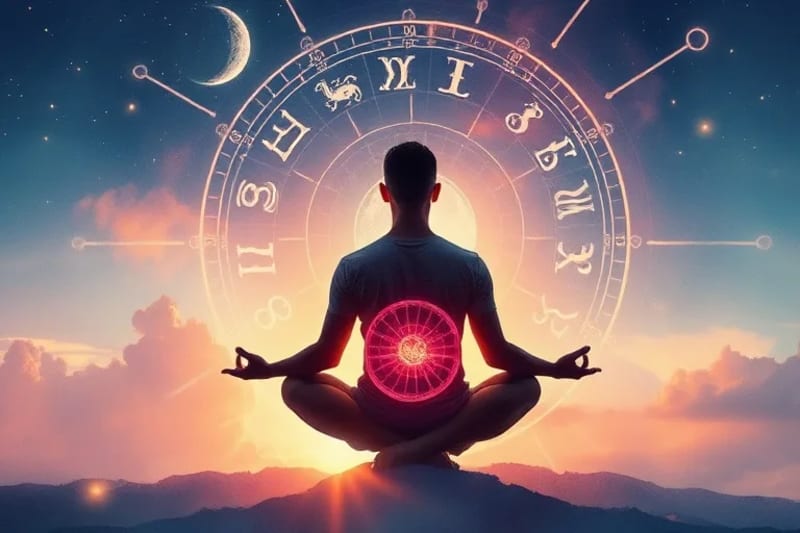 A meditative state enhanced by biometric data visualization, revealing the subtle physiological cues that inform intuition and self-discovery.
Table of Contents
- What is Biometric Divination?
- The Science Behind Biofeedback
- Connecting Biofeedback to Intuition
- Practical Applications for Self-Discovery
- Ethical Considerations and Future Outlook
What is Biometric Divination?
Biometric divination can be defined as the practice of using physiological data, gathered through biofeedback technologies, to gain insights into one's inner wisdom, subconscious patterns, and potential future trajectories. Unlike traditional divination methods that often rely on external signs or symbolic interpretations, this approach grounds its insights in the direct, measurable responses of the body. It posits that our body holds a vast reservoir of information, often beyond our conscious awareness, which can be 'read' and understood.
This field draws inspiration from various disciplines, including psychology, neuroscience, and ancient contemplative practices. It recognizes that phenomena like gut feelings, sudden insights, or strong emotional reactions are not random but are often accompanied by specific physiological shifts. By monitoring these shifts, individuals can learn to recognize and interpret their body's intuitive language more effectively.
The term "divination" here is used in its broader sense, referring to the act of gaining knowledge about the unknown or future by supernatural or intuitive means. In this context, the 'supernatural' element is replaced by the 'subconscious' and the 'intuitive means' are amplified through objective physiological feedback. This fusion creates a unique pathway for self-exploration, moving beyond mere symptom management to a deeper understanding of one's holistic self.
The Science Behind Biofeedback
Biofeedback is a mind-body technique that involves using electronic sensors to monitor and display real-time information about physiological functions. These functions, such as heart rate, muscle tension, skin temperature, and brainwave activity, are typically involuntary. However, with the aid of biofeedback, individuals can learn to consciously control or modify these responses.
The underlying principle is operant conditioning: when you receive immediate feedback on a physiological process, you can learn to influence it. For example, if a sensor shows your heart rate increasing due to stress, you can consciously employ relaxation techniques, observe the heart rate decrease on the monitor, and thus learn to regulate your stress response. This process empowers individuals to take an active role in managing their health and well-being.
Various types of biofeedback exist, each targeting different physiological markers:
- Electromyography (EMG): Measures muscle activity and tension. Useful for tension headaches, chronic pain, and anxiety.
- Thermal Biofeedback: Measures skin temperature, often used to manage stress-related conditions like migraines and Raynaud's disease.
- Neurofeedback (EEG Biofeedback): Measures brainwave activity. Helps with conditions like ADHD, anxiety, and sleep disorders by training specific brainwave patterns.
- Heart Rate Variability (HRV) Biofeedback: Measures the variation in time between heartbeats. Enhances resilience to stress and emotional regulation.
- Galvanic Skin Response (GSR): Measures sweat gland activity, indicating emotional arousal and stress levels.
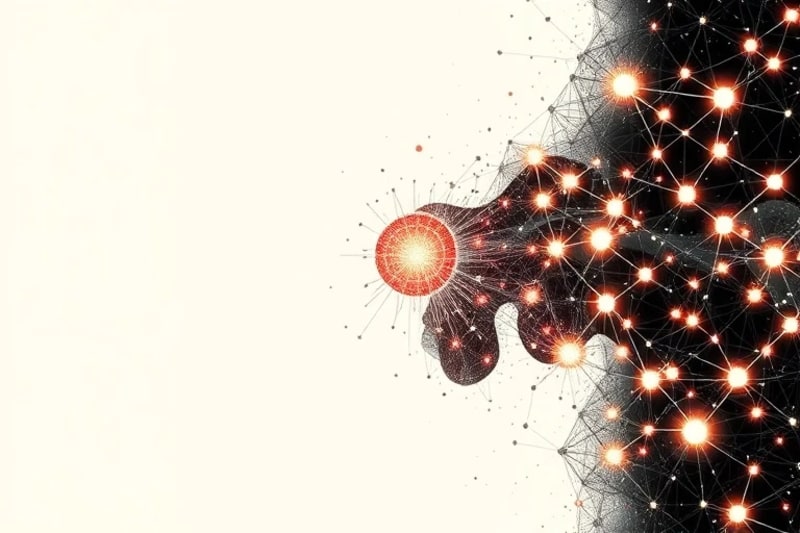 An abstract visualization of the intricate neural and physiological connections that biofeedback systems aim to monitor and interpret.
The scientific community has extensively researched biofeedback, demonstrating its efficacy in treating a wide range of conditions. From managing chronic pain to reducing anxiety and improving athletic performance, biofeedback offers a non-invasive, drug-free approach to self-regulation. Its application in biometric divination extends this therapeutic potential into the realm of self-discovery, suggesting that these measurable bodily signals can also serve as guides for our intuitive faculties.
For instance, understanding the nuances of your own daily horoscopes might be enhanced by recognizing how certain planetary transits correlate with specific physiological responses in your body, allowing for a more personalized interpretation of cosmic influences. This integration of external guidance with internal bodily wisdom marks a significant step in personalized spiritual and psychological development.
Connecting Biofeedback to Intuition
Intuition, often described as a "gut feeling" or an immediate knowing without conscious reasoning, has long been a subject of fascination. Scientific research suggests that intuition is not mystical but rather a rapid, unconscious processing of information by the brain, drawing on past experiences and subtle environmental cues. This process often manifests as physiological changes before conscious awareness kicks in.
For example, studies have shown that when individuals are presented with a risky choice, their heart rate or skin conductance may change milliseconds before they consciously recognize the danger. This "somatic marker hypothesis" suggests that our body provides signals that guide our decision-making, even before our rational mind fully processes the situation. Biofeedback offers a tool to make these subtle somatic markers more accessible to conscious awareness.
By training with biofeedback, individuals can become more attuned to these internal signals. They learn to differentiate between a general feeling of anxiety and a specific intuitive nudge. This heightened awareness can lead to:
- Improved Decision-Making: By recognizing physiological cues associated with optimal choices versus detrimental ones.
- Enhanced Emotional Intelligence: A deeper understanding of how emotions manifest physically, allowing for better regulation.
- Greater Self-Trust: Confidence in one's inner guidance, as it is now supported by measurable bodily feedback.
- Access to Subconscious Wisdom: Unlocking insights that might otherwise remain buried beneath conscious thought.
The connection between biofeedback and intuition is particularly relevant for practices like dream incubation, where the goal is to tap into subconscious guidance. By using biofeedback to achieve specific states of relaxation or brainwave patterns before sleep, individuals might enhance their ability to receive and recall meaningful dreams, thus integrating their waking and dreaming intuitive processes.
Practical Applications for Self-Discovery
The practical applications of biometric divination for self-discovery are diverse and can be integrated into various aspects of daily life. Here are some key areas:
1. Decision-Making Enhancement: Imagine facing a significant life choice, such as a career change or a major investment. By engaging with biofeedback, you could monitor your physiological responses (e.g., heart rate variability, galvanic skin response) while contemplating different options. A sense of calm and coherence might indicate alignment, while increased tension or erratic patterns could signal discord. This provides an objective layer of information to complement rational analysis.
2. Emotional Regulation and Stress Management: Biofeedback is already widely used for stress reduction. In the context of self-discovery, it helps individuals understand their emotional triggers and learn to return to a state of balance. By observing real-time physiological changes, one can master techniques to manage anxiety, anger, or sadness, leading to greater emotional resilience and clarity.
3. Deepening Meditative Practices: For those who meditate, biofeedback can provide objective metrics on the depth of their practice. Monitoring brainwave states (e.g., alpha, theta waves) or heart rate coherence can help individuals achieve deeper states of relaxation and focus, which are conducive to intuitive insights. This can transform meditation from a subjective experience into a guided, measurable journey.
4. Personal Growth and Goal Setting: Biometric divination can assist in identifying areas of resistance or unconscious blocks related to personal goals. If a particular goal consistently elicits a stress response, it might indicate underlying fears or misalignments that need to be addressed. Conversely, a sense of physiological ease might confirm that you are on the right path.
5. Creative Problem Solving: By using neurofeedback to enter specific brainwave states associated with creativity (e.g., alpha-theta training), individuals can foster an environment conducive to innovative thinking and intuitive breakthroughs. This can be particularly useful for artists, writers, and anyone seeking to unlock their creative potential.
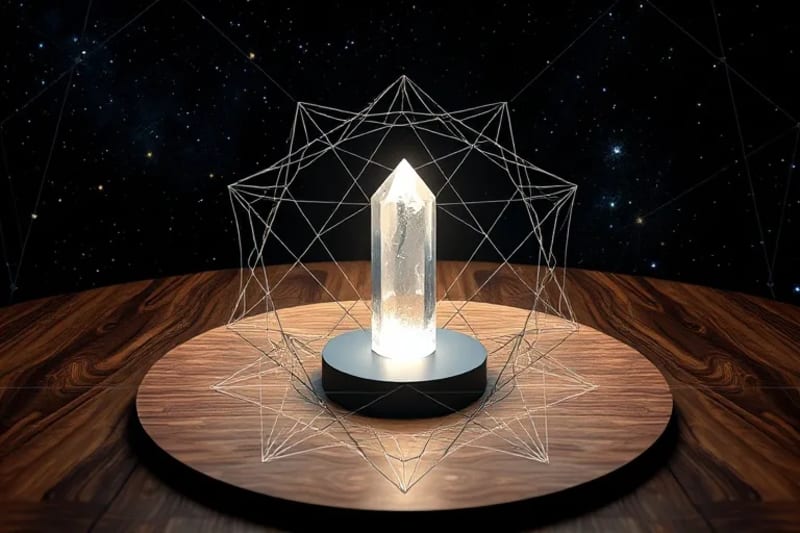 A conceptual representation of technology aiding the journey of self-discovery, with a biofeedback device channeling energy into a crystal, symbolizing clarity and insight.
The integration of these techniques offers a personalized and empowering approach to self-discovery. It moves beyond generic advice, providing data-driven insights tailored to an individual's unique physiological and psychological makeup. This personalized feedback can be particularly valuable when exploring complex spiritual concepts, such as uncovering past life regression or understanding karmic lessons, by providing a physiological anchor to otherwise abstract experiences.
Ethical Considerations and Future Outlook
As with any technology that delves into personal data and subjective experience, biometric divination raises several ethical considerations. Privacy of physiological data is paramount, requiring robust security measures and transparent consent protocols. The interpretation of data must also be handled with care, avoiding deterministic predictions and emphasizing personal agency and growth over fatalism.
There is also the risk of over-reliance on technology, potentially diminishing the role of conscious reflection, critical thinking, and traditional forms of intuition. The goal should always be to augment, not replace, human faculties. Furthermore, accessibility and equitable distribution of these technologies are important considerations to ensure that the benefits of biometric divination are not limited to a select few.
The future of biometric divination looks promising, especially with advancements in wearable technology and artificial intelligence. Miniaturized sensors, increasingly sophisticated algorithms, and AI-driven pattern recognition could make biofeedback more accessible and insightful than ever before. This could lead to personalized intuitive training programs, real-time emotional guidance systems, and even predictive insights based on an individual's unique physiological baseline.
The convergence of ethical AI in spirituality and digital divination holds immense potential. Imagine an AI assistant that learns your unique physiological responses to different situations, offering gentle nudges or insights based on your body's wisdom. This could revolutionize how we approach self-care, personal development, and our connection to our inner selves. As technology continues to evolve, so too will our capacity to understand and harness the incredible power of our own bodies for profound self-discovery.
Ultimately, biometric divination offers a compelling vision for the future of self-exploration. By integrating the objective data of biofeedback with the subjective wisdom of intuition, individuals can unlock new dimensions of understanding, leading to a more conscious, empowered, and harmonized existence. It represents a journey where science meets spirit, providing a grounded yet expansive path to knowing oneself.
Explore Further: Related Insights
Source: Hybrid content assisted by AI and human editorial supervision.


Comments
Post a Comment