
Urban Shamanism: Connecting City Spirits, Ley Lines
Urban Shamanism: Connecting with City Spirits, Ley Lines, and Urban Landscapes
Urban shamanism represents a contemporary spiritual practice that adapts traditional shamanic principles to the unique environment of modern cities. It involves recognizing and interacting with the energetic and spiritual dimensions of urban landscapes, including the spirits of places, historical imprints, and the subtle energy pathways often referred to as ley lines. This practice offers a profound way to foster spiritual connection and grounding amidst the often-overwhelming pace of metropolitan life, transforming concrete jungles into vibrant spiritual ecosystems.
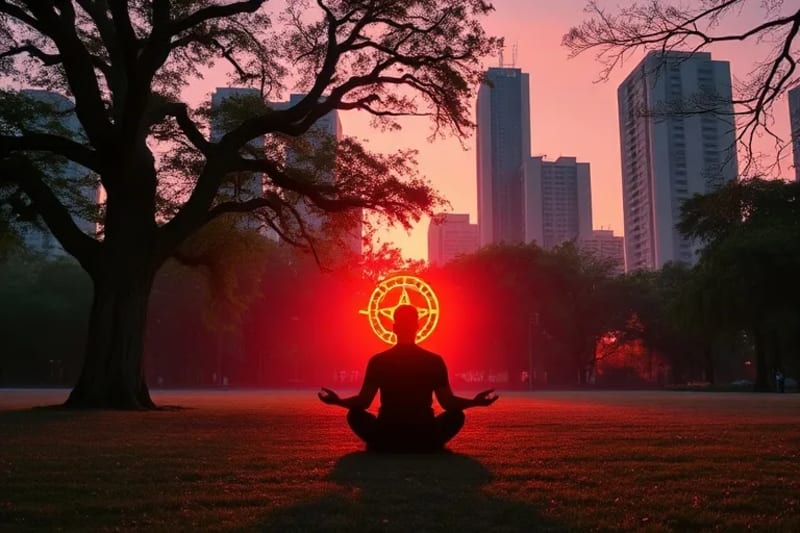
Conceptual representation of spiritual connection within urban natural spaces.
The core idea behind urban shamanism is that cities, despite their artificial appearance, are teeming with life and energy. They are not merely collections of buildings and infrastructure but complex organisms with their own consciousness, history, and spiritual residents. Practitioners learn to perceive these subtle layers, engaging in rituals and practices that honor the urban environment and its unseen inhabitants, thereby creating a more harmonious relationship between humans and their built surroundings.
This approach moves beyond the conventional view of nature as something separate from human habitation, instead advocating for an integrated perspective where spiritual practice can thrive anywhere, even within the most densely populated areas. By embracing urban shamanism, individuals can discover profound sources of wisdom, healing, and connection right on their doorsteps, transforming their daily commute into a spiritual journey.
Table of Contents
- Understanding Urban Shamanism: A Modern Spiritual Path
- The Concept of City Spirits and Urban Energetics
- Identifying and Working with Urban Ley Lines
- Practical Techniques for Urban Shamanic Practice
- Benefits of Engaging in Urban Shamanism
- Ethical Considerations and Respectful Practice
- Integrating Urban Shamanism into Daily Life
Understanding Urban Shamanism: A Modern Spiritual Path
Traditional shamanism is deeply rooted in indigenous cultures and their connection to wild, untamed nature. Shamans historically acted as intermediaries between the human and spirit worlds, often in remote natural settings. Urban shamanism takes these foundational principles and adapts them to the contemporary urban context, recognizing that the spiritual realm is not confined to forests or mountains but permeates every aspect of existence, including our cities.
This modern iteration acknowledges that cities, like ancient landscapes, possess their own unique energetic signatures, historical layers, and spiritual inhabitants. It's about finding the sacred in the mundane, re-enchanting the concrete and steel, and discovering the hidden wisdom within the urban sprawl. Practitioners learn to "listen" to the city, interpreting its signs, symbols, and subtle energies to gain insights and facilitate healing.
The practice is not about abandoning modern life but about enriching it with spiritual depth. It encourages individuals to develop a heightened sense of awareness and presence within their daily urban routines, transforming ordinary experiences into opportunities for spiritual growth and connection. This path emphasizes personal intuition and direct experience over rigid dogma, allowing for a highly individualized and adaptable spiritual journey.
The Concept of City Spirits and Urban Energetics
In urban shamanism, the concept of "city spirits" refers to the sentient energies or consciousness associated with various elements of the urban environment. These can range from the spirits of specific buildings, parks, rivers, or streets, to the collective energetic imprint of the city's history and its inhabitants. Just as a forest has its guardian spirits, a city is believed to have its own unique spiritual guardians and energetic flows.
Urban energetics involves understanding how energy moves and accumulates within the city. This includes the energy generated by human activity, the flow of traffic, the electromagnetic fields from technology, and the subtle energies emanating from geological formations beneath the city. Practitioners learn to perceive these energies through intuition, meditation, and sensory awareness, recognizing patterns and areas of high or low energetic density.
Visualizing the intricate energetic pathways and spiritual presences within a metropolitan area.
Types of urban spirits might include ancestral spirits connected to historical sites, elemental spirits residing in urban green spaces or waterways, or even the collective consciousness of the city itself. Engaging with these spirits often involves respectful communication, offerings, and seeking guidance or blessings. This interaction helps to create a deeper sense of belonging and stewardship towards the urban environment.
Understanding urban energetics also allows practitioners to identify places that feel vibrant and uplifting, as well as those that might feel heavy or stagnant. This awareness can inform daily choices, such as where to live, work, or spend time, optimizing one's personal energy and well-being within the urban fabric. It's a way to consciously navigate the unseen currents of city life.
Identifying and Working with Urban Ley Lines
Ley lines are believed to be energetic pathways or currents that crisscross the Earth's surface, often connecting ancient sites, sacred places, and geographical features. In urban shamanism, this concept extends to cities, where ley lines might follow historical alignments, major thoroughfares, or even subterranean geological features. These lines are thought to carry specific energies that can be harnessed or influenced for spiritual purposes.
Identifying urban ley lines often involves a combination of research, intuition, and dowsing techniques. Practitioners might study historical maps, looking for alignments of ancient churches, monuments, or significant landmarks. They may also use dowsing rods or pendulums to sense energetic currents, or simply rely on their own intuitive feelings about where energy feels particularly strong or aligned. These lines can act as conduits for spiritual power, influencing the atmosphere and character of the areas they traverse.
Working with urban ley lines involves recognizing their presence and intentionally connecting with their energy. This could mean meditating at a point where several lines converge, or walking along a known ley line to absorb its energetic properties. Understanding these pathways can offer insights into the energetic history and spiritual potential of different urban neighborhoods, much like fixed stars guide cosmic navigators in aligning destiny, urban ley lines can guide spiritual practitioners.
The significance of ley lines for urban spiritual practice lies in their potential to act as powerful anchors for intention and manifestation. By aligning oneself with these natural energy flows, practitioners can enhance their spiritual work, facilitate healing, and contribute to the energetic well-being of the city itself. It's a way of tapping into the Earth's subtle energies even within the most developed environments.
Practical Techniques for Urban Shamanic Practice
Engaging in urban shamanism involves a variety of practical techniques designed to foster connection and awareness in the city. These practices are often adaptable and can be integrated into daily routines, making spiritual work accessible even for those with busy schedules.
- Urban Meditation and Grounding: Find quiet spots in parks, public gardens, or even a bench on a busy street. Focus on the sounds, smells, and energies of the city, allowing yourself to feel rooted to the ground beneath the concrete. Visualize your energy extending into the earth, connecting with the city's core.
- Offerings to City Spirits: Small, respectful, and eco-friendly offerings can be made to acknowledge and honor city spirits. This could be a small amount of water, a biodegradable flower petal, or even a silent prayer of gratitude at a significant urban landmark or natural feature. Always ensure offerings are non-polluting and respectful of public spaces.
- Urban Journeying/Vision Quests: Take intentional walks through different parts of the city, allowing your intuition to guide you. Pay attention to signs, symbols, and synchronicities. These journeys can be a form of divination or a way to seek guidance from the urban environment.
- Energetic Cleansing of Spaces: Use sound (bells, chimes), intention, or smudging with appropriate materials (like essential oil sprays if open flames are not suitable) to clear stagnant energy from your home, office, or public spaces you frequent. This helps maintain a clear and vibrant energetic field.
- Connecting with Urban Power Spots: Identify places in the city that feel particularly vibrant or serene. These could be ancient trees, historical fountains, specific street corners, or even architectural marvels. Spend time in these areas, consciously absorbing their energy and offering your respect.
- Mindful Commuting: Transform your daily travel into a meditative practice. Observe the flow of people and traffic, recognizing the interconnectedness of urban life. Use this time for grounding and connecting with the city's pulse.
For those interested in exploring modern spiritual practices, the concept of digital sacred spaces offers another dimension to meditation and spiritual connection, bridging technology with ancient practices.
Benefits of Engaging in Urban Shamanism
The practice of urban shamanism offers a multitude of benefits for individuals seeking deeper spiritual connection and well-being in their daily lives. By consciously engaging with the urban environment, practitioners can experience significant personal growth and a renewed sense of purpose.
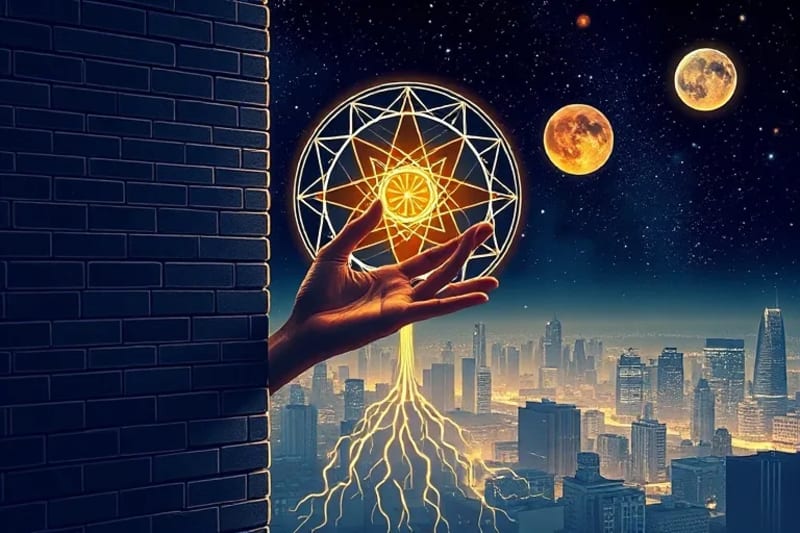
A symbolic representation of the intimate energetic bond between human consciousness and the urban landscape.
One primary benefit is a reduction in stress and anxiety often associated with city living. By grounding oneself in the energetic reality of the city, individuals can feel more centered and less overwhelmed by the constant stimulation. This practice fosters a sense of belonging, transforming feelings of isolation into a profound connection with the living city.
Urban shamanism also enhances intuition and awareness. As practitioners learn to "read" the subtle energies and signs of the city, their intuitive faculties sharpen, leading to clearer decision-making and a deeper understanding of their personal path. This heightened awareness extends to recognizing synchronicities and receiving guidance from the urban environment itself, similar to how numerology can reveal a life path.
Furthermore, this practice promotes environmental consciousness within the urban context. By recognizing the spiritual essence of parks, rivers, and even concrete structures, practitioners develop a greater sense of stewardship and responsibility towards their city. This can inspire actions that contribute to the ecological health and beauty of urban spaces, fostering a more sustainable and respectful relationship with the built environment.
Ultimately, urban shamanism offers a path to personal empowerment and spiritual growth. It encourages individuals to find their own sacred spaces and practices within the city, leading to a more authentic and fulfilling spiritual life. It is a testament to the idea that spirituality can be found and cultivated anywhere, regardless of external circumstances.
Ethical Considerations and Respectful Practice
As with any spiritual practice, urban shamanism requires a strong ethical foundation and a commitment to respectful engagement. Operating within public urban spaces necessitates a mindful approach that considers both the visible and invisible inhabitants of the city.
A critical aspect is the importance of consent and respect for urban spaces and their human and non-human inhabitants. This means being aware of local regulations, public etiquette, and the impact of one's actions on others. For instance, when making offerings, ensure they are biodegradable and do not create litter or attract unwanted attention. The principle of "leave no trace" is paramount, ensuring that spiritual practices do not negatively affect the environment or community.
Avoiding cultural appropriation is another vital consideration. Urban shamanism draws inspiration from traditional shamanic practices but must be adapted with sensitivity and respect for its origins. It is crucial to understand that while principles can be universal, specific rituals and symbols belong to particular cultures. Practitioners should focus on developing their own authentic connection to the urban environment rather than adopting practices without proper understanding or lineage.
Furthermore, respectful practice involves acknowledging the complex social and historical layers of urban areas. Cities are often sites of diverse histories, including both triumphs and struggles. An urban shamanic practitioner should approach these layers with humility, seeking to understand and honor the full spectrum of experiences embedded in the city's energetic fabric. This holistic awareness contributes to a more profound and ethical spiritual engagement with the urban landscape.
Integrating Urban Shamanism into Daily Life
Integrating urban shamanism into daily life means weaving spiritual awareness into the fabric of everyday urban experiences. It's about transforming routine activities into opportunities for connection and mindfulness, making the city a partner in one's spiritual journey.
Simple daily practices can include taking a moment to acknowledge the spirit of your home or workspace, offering a silent blessing to the public transport you use, or consciously walking through a park and feeling the presence of nature amidst the urban sprawl. Even mundane tasks like waiting for a bus can become a moment for grounding and observing the city's energy flow.
Creating an "urban altar" can also be a powerful way to bring this practice into your home. This might involve collecting small items found in the city that hold personal significance or represent urban elements, such as a unique stone from a park, a piece of discarded metal that resonates with you, or a drawing of your city's skyline. This altar serves as a focal point for intention and connection to the urban spirit.
Mindful commuting, as mentioned earlier, is another excellent way to integrate the practice. Instead of viewing your commute as lost time, use it as an opportunity to connect with the city's pulse, observe its patterns, and send intentions of peace and harmony into the urban environment. This transforms a potentially stressful activity into a meditative and meaningful one.
Ultimately, urban shamanism is about cultivating a continuous state of awareness and reverence for the living city. It's about recognizing that every street, building, and green space holds a story and an energetic signature. By engaging with these aspects, individuals can forge a profound and reciprocal relationship with their urban home, finding spiritual depth and meaning in the most unexpected places. Just as blockchain optimizes traceability in logistics, urban shamanism optimizes our spiritual traceability within the urban environment.
The journey of urban shamanism is ongoing, constantly evolving as cities themselves change. It invites practitioners to be adaptable, creative, and deeply present, finding the sacred in the everyday and transforming the urban landscape into a vibrant temple for spiritual exploration. It's a call to re-enchant our cities and rediscover the magic hidden within their concrete hearts, embracing the urban environment as a powerful ally in our spiritual development. Creating personal amulets and talismans can also be adapted to incorporate urban elements, further grounding this practice.
Explore Further: Related Spiritual Journeys
- Ascendant Signs & Chinese Zodiac
- Lilith in Astrology: Shadow Feminine
- Gemini Zodiac Sign Traits
- Capricorn Horoscope 2024
- Snake Chinese Zodiac Meaning
- Astro-Cartography for Love
- Chinese Zodiac Animals
- Dragon Phoenix Compatibility
- Synastry Chart Overlays
- Monthly Western Horoscope
- Advanced Synastry: Composite Charts
- Nanotechnology in Medicine
- Spanish Commercial Code Analysis
- Fire Signs Compatibility
- Synastry Lunar Nodes
- Promises of the Rosary
- Prophecies of Saint Malachy
- Gregorian Chant Healing
Source: Hybrid content assisted by AI and human editorial supervision.


Comments
Post a Comment