
Astrological Elections: Finding Auspicious Dates for Life Events | StarPluto
Astrological elections, often referred to as electional astrology, represent a sophisticated and ancient branch of astrological practice focused on identifying the most favorable moment to initiate an action or event. Unlike natal astrology, which analyzes the chart of birth to understand an individual's inherent potential, electional astrology is proactive, seeking to "elect" a specific time when the planetary energies are optimally aligned to support a desired outcome.
This discipline is rooted in the belief that every moment carries a unique astrological signature, and by carefully selecting a starting point, one can imbue an endeavor with the best possible cosmic influences, thereby increasing its chances of success and positive development. It's not about predicting the future, but rather about consciously co-creating it by aligning human will with celestial rhythms. The goal is to minimize challenges and maximize opportunities inherent in the chosen moment.
Introduction to Astrological Elections
Historical Roots and Philosophy
Core Principles of Electional Astrology
Key Astrological Factors in Elections
Steps to Conduct an Astrological Election
Common Life Events for Elections
The Art of Compromise and Nuance
Modern Applications and Ethical Considerations
Conclusion: Mastering Cosmic Timing
Introduction to Astrological Elections
Astrological elections involve casting a horoscope for the precise moment an event is intended to begin. This chart, known as an electional chart, is then analyzed to determine if the planetary positions, aspects, and house placements are conducive to the desired outcome. The underlying premise is that the quality of the moment of inception influences the entire trajectory and eventual success of the event. Think of it as planting a seed at the most fertile time to ensure a robust harvest.
This practice requires a deep understanding of traditional astrological principles, including planetary dignities, essential and accidental, aspects, house meanings, and the significance of the Moon's phase and position. It's a meticulous process that goes beyond simple Sun sign astrology, demanding precision and interpretive skill. The aim is to select a moment that minimizes potential obstacles and maximizes beneficial energies, thereby creating a stronger foundation for any new venture.
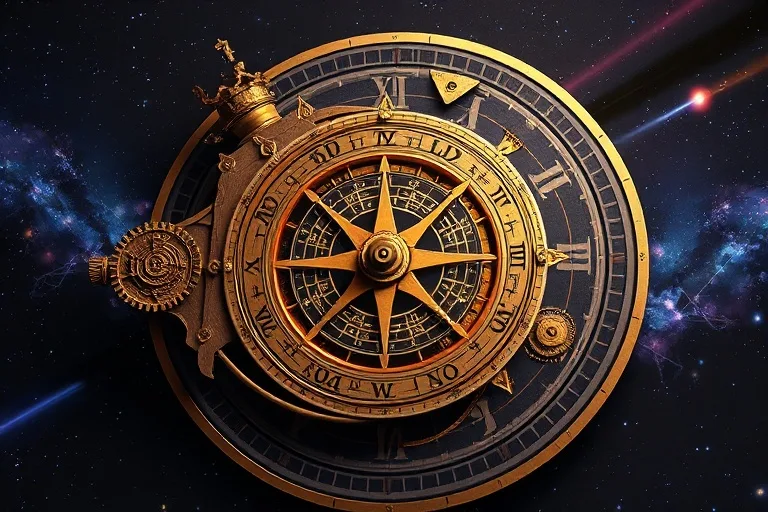
A digital 3D illustration of an ancient astrolabe and celestial clock, representing the meticulous process of astrological elections to find ideal moments.
Historical Roots and Philosophy
The practice of electional astrology dates back to ancient civilizations, including Mesopotamia, Egypt, and Greece, where it was integral to decision-making in matters of state, war, and personal life. Medieval astrologers further refined these techniques, applying them to everything from building construction to medical treatments and the timing of journeys. The philosophy behind it is deeply intertwined with the concept of cosmic sympathy, believing that the macrocosm (the universe) reflects the microcosm (human affairs).
Ancient texts, such as those by Ptolemy and later Arabic and European astrologers, provide detailed guidelines for electional charts, emphasizing the importance of a strong ascendant ruler, benefic planets in angular houses, and avoiding malefic aspects to critical points in the chart. This rich historical lineage underscores the enduring human desire to harmonize with natural cycles and leverage cosmic forces for positive outcomes. It reflects a worldview where time is not merely linear but qualitative, with certain moments being inherently more propitious than others.
Core Principles of Electional Astrology
At its heart, electional astrology operates on several fundamental principles. Firstly, the elected chart should ideally reflect the desired outcome. For example, a marriage chart should emphasize partnership, commitment, and harmony. Secondly, the planets ruling the houses relevant to the event should be strong and well-dignified. Thirdly, malefic planets (Mars and Saturn) should be placed in less sensitive positions or be well-aspected, if possible. Finally, the Moon, as the fastest-moving planet, plays a crucial role, signifying the unfolding of the event and its eventual conclusion.
A key consideration is the relationship between the electional chart and the natal chart of the individual(s) involved. An election should ideally support and enhance the natal promise, avoiding challenging aspects to sensitive natal points. This integration ensures that the chosen moment is not only generally auspicious but also personally beneficial. For more insights into how planetary positions influence your natal chart, explore our guide on Planets in Astrology: Understanding Your Natal Chart.

A cinematic still life depicting objects symbolizing major life events, emphasizing the importance of careful planning and auspicious timing.
Key Astrological Factors in Elections
Several astrological elements are meticulously examined when selecting an auspicious date. Understanding these elements is crucial for anyone delving into electional astrology.
- The Ascendant (Rising Sign): This is paramount, as it sets the tone for the entire chart. The ruler of the Ascendant should be strong, well-dignified, and ideally in an angular house (1st, 4th, 7th, 10th) or a succedent house (2nd, 5th, 8th, 11th). It should also be free from affliction by malefic planets.
- The Moon: The Moon is considered the "significator of the event's unfolding." Its phase (waxing is generally preferred over waning for new beginnings), sign, house placement, and aspects are critical. The Moon should ideally be in a fertile sign for growth and avoid challenging aspects, especially to Saturn or Mars, and should not be "void of course" (meaning it makes no major aspects before changing signs).
- Planetary Dignities and Aspects: Planets should be in signs where they are strong (e.g., in their domicile or exaltation). Benefic planets (Jupiter and Venus) should be well-placed and making harmonious aspects (trines, sextiles) to the significators of the event. Malefic planets (Mars and Saturn) should be weak, cadent, or making harmonious aspects to benefics, or at least not afflicting the main significators. For a deeper dive into planetary interactions, consider our article on Astrological Aspects: Conjunctions, Oppositions, Trines Explained.
- House Placements: The houses relevant to the event must be emphasized. For a marriage, the 7th house (partnerships) is crucial. For a business launch, the 10th house (career, public image) and 2nd house (finances) are key. The rulers of these houses should be strong and well-placed.
- Fixed Stars: Some electional astrologers also consider the influence of fixed stars, especially if they are conjunct with angular cusps or significant planets, adding another layer of depth to the analysis.
Steps to Conduct an Astrological Election
Conducting an astrological election is a systematic process that involves several key steps:
- Define the Event: Clearly articulate the purpose and desired outcome of the event. Is it a marriage, a business opening, a medical procedure, or a journey? The more specific the goal, the clearer the astrological requirements.
- Identify Key Significators: Determine which planets and houses are most relevant to the event. For instance, Venus and the 7th house for marriage, Mercury and the 3rd or 9th house for travel, or Jupiter and the 2nd/10th for financial ventures.
- Set a Timeframe: Establish a realistic window of time within which the event must occur. This helps narrow down the search for auspicious dates.
- Scan for Auspicious Periods: Look for days when the Moon is waxing, free from difficult aspects, and in a favorable sign. Pay attention to planetary ingresses (when planets change signs) and direct motion (avoiding retrogrades for new beginnings).
- Refine the Chart: Once a few potential dates are identified, cast a chart for each. Analyze the Ascendant ruler, its placement and aspects, the Moon's condition, and the placement of benefics and malefics in relation to the event's significators. Aim for a strong Ascendant and its ruler, a well-placed Moon, and benefics supporting the relevant houses.
- Consider Natal Charts: Compare the electional chart with the natal chart(s) of the individual(s) involved. Ensure the elected moment does not trigger challenging aspects to sensitive natal points, but rather harmonizes with personal energies.
- Select the Best Option: Often, a "perfect" chart is impossible to find. The goal is to find the chart with the fewest afflictions and the most supportive energies for the specific purpose. Sometimes, compromise is necessary, prioritizing the most critical factors.
Common Life Events for Elections
Electional astrology can be applied to a wide array of life events, both personal and professional. Here are some of the most common applications:

A delicate watercolor painting of an open astrological text, highlighting the scholarly and artistic pursuit of identifying auspicious dates for life events.
- Marriage and Partnerships: Selecting a wedding date is one of the most popular uses. Astrologers aim for a chart that promotes harmony, longevity, and mutual support, with a strong Venus and 7th house.
- Business Launches and Contracts: For starting a new business, signing a contract, or launching a product, an election can aim for financial success, public recognition, and stable growth. The 2nd, 10th, and 11th houses are often emphasized.
- Real Estate Transactions: Buying or selling property can benefit from an elected chart that ensures a smooth transaction, good value, and a happy home environment. The 4th house (home) and 2nd house (finances) are key.
- Travel and Journeys: For long trips or significant moves, an election can help ensure safety, pleasant experiences, and successful outcomes. The 3rd and 9th houses are particularly relevant.
- Medical Procedures: While not a substitute for professional medical advice, some individuals use electional astrology to time surgeries or treatments to promote healing and minimize complications.
- Creative Projects: Artists and writers might elect a time to begin a new project, hoping to imbue it with inspiration, recognition, and successful completion. The 5th house (creativity) is often considered.
Each type of event has specific astrological considerations, making electional astrology a highly specialized field. For example, understanding Zodiac Signs: Horoscope & Natal Chart Guide is foundational to interpreting house placements and planetary dignities in any electional chart.
The Art of Compromise and Nuance
It is rare to find a "perfect" astrological election where every single factor is ideally placed. The practice often involves the art of compromise, prioritizing the most critical elements for the specific event. For instance, for a marriage, a strong Venus and 7th house might take precedence over a perfectly aspected Mercury. Astrologers must weigh the pros and cons of various potential charts, understanding that some minor afflictions might be acceptable if the major significators are robust.
Moreover, electional astrology is not a magic bullet. It enhances the potential for success but does not guarantee it, as free will and external circumstances always play a role. It provides a cosmic tailwind, but the effort and intention of the individuals involved remain paramount. The skill of the astrologer lies not just in identifying a good chart, but in explaining its strengths and weaknesses, and guiding the client to make an informed decision within the practical constraints of their life.
Modern Applications and Ethical Considerations
In contemporary times, electional astrology continues to be a valuable tool for individuals and businesses seeking an edge. From choosing the best time to launch a website to scheduling important meetings or making significant investments, the principles remain relevant. However, ethical considerations are crucial. An astrologer should never advise a client to delay a critical medical treatment or legal action based solely on astrological timing.
The practice should always be seen as a supportive tool, complementing rational decision-making and practical planning, rather than replacing them. It empowers individuals to act with greater confidence, knowing they have chosen a moment aligned with favorable cosmic energies. The wisdom of Tarot Quantum Mechanics Intersecting Divination Reality can also offer deeper insights into the inherent timing of life events.
Conclusion: Mastering Cosmic Timing
Astrological elections offer a profound way to engage with the qualitative nature of time, allowing us to choose moments that resonate with our intentions and support our endeavors. By meticulously analyzing planetary positions, aspects, and house placements, practitioners can identify auspicious dates for a wide range of life events. This ancient art, while complex, provides a powerful framework for conscious decision-making, helping individuals to navigate life's significant milestones with greater cosmic alignment and potential for success. It is a testament to the enduring human quest to understand and harmonize with the universe's intricate rhythms.
Fuente: Contenido híbrido asistido por IAs y supervisión editorial humana.


Comments
Post a Comment