
Chinese Zodiac Archetypes: Jungian Psychology Insights | StarPluto
The confluence of ancient Eastern wisdom and modern Western psychology offers a rich tapestry for understanding the human psyche. The Chinese Zodiac, with its twelve animal archetypes, provides a profound framework for personality analysis and life path interpretation. When viewed through the lens of Carl Jung's analytical psychology, these animal signs transcend mere astrological classifications, emerging as potent symbols of the collective unconscious that can guide personal development and individuation.
Jungian archetypes are universal, archaic patterns and images that derive from the collective unconscious and are the psychic counterpart of instinct. They are unlearned, inherited tendencies which shape human behavior. Similarly, the Chinese Zodiac animals represent distinct behavioral patterns, motivations, and challenges that resonate deeply across cultures and time. This article delves into the intricate synergy between these two powerful systems, exploring how each Zodiac archetype manifests Jungian principles and offers pathways for profound self-discovery and growth.
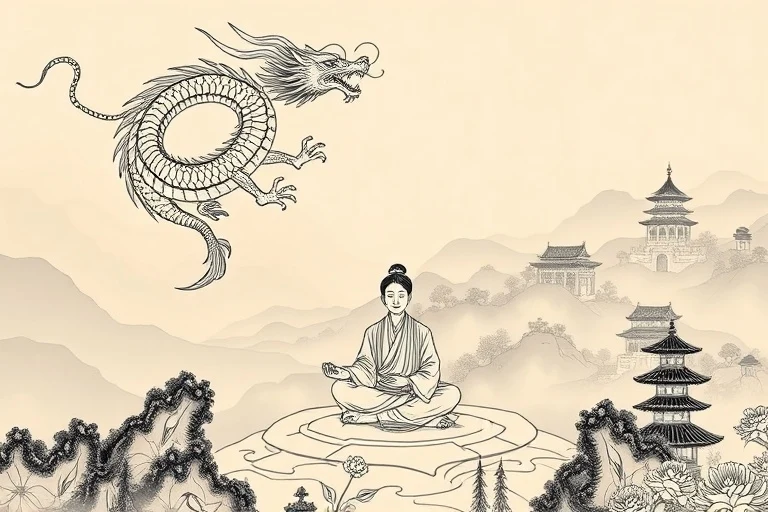
A majestic dragon and a wise figure represent the fusion of Chinese Zodiac archetypes and Jungian psychology, illuminating paths to self-understanding.
Introduction to Archetypes and the Chinese Zodiac
Carl Jung posited that archetypes are fundamental structures of the human psyche, universal patterns that influence our thoughts, emotions, and behaviors. These primordial images are not defined by specific content but by their form, which organizes mental processes. Examples include the Hero, the Shadow, the Anima/Animus, the Wise Old Man, and the Trickster.
The Chinese Zodiac, originating from ancient observational astronomy and folk traditions, assigns an animal and its associated characteristics to each year in a 12-year cycle. Each animal embodies a distinct set of traits, strengths, weaknesses, and life lessons. These symbolic animals function as cultural archetypes, providing a collective understanding of personality types and their interactions within society.
The synergy between these systems lies in their shared emphasis on symbolic representation and the exploration of innate human patterns. By examining the Chinese Zodiac animals through a Jungian lens, we can uncover deeper psychological insights into our inherent predispositions and the journey of individuation—the process of integrating the conscious and unconscious, leading to psychological wholeness.
The Rat: The Trickster and the Collector
Individuals born under the sign of the Rat are often characterized by their resourcefulness, sharp wit, and adaptability. They are quick thinkers, opportunistic, and possess a natural charm that can disarm others. However, their drive for acquisition and self-preservation can sometimes manifest as cunning or a tendency towards manipulation.
From a Jungian perspective, the Rat strongly embodies aspects of the Trickster archetype. The Trickster challenges conventions, exposes falsehoods, and often brings about change through unconventional means. The Rat's cleverness and ability to navigate complex situations reflect this archetype's capacity for creative problem-solving. Additionally, the Rat's acquisitive nature can be linked to the Shadow, representing unintegrated desires for material gain or control. Personal development for the Rat involves channeling their ingenuity ethically, using their influence for collective good, and confronting any tendencies towards greed or deceit to achieve true inner balance.
The Ox: The Builder and the Steadfast
The Ox symbolizes strength, diligence, reliability, and an unwavering commitment to traditional values. Ox individuals are known for their methodical approach, patience, and perseverance in achieving their goals. They are the silent pillars of society, often preferring stability and hard work over flashy ambition.
The Ox aligns with the Great Mother/Father archetype, representing foundational stability, nurturing, and a deep connection to the earth and its rhythms. Their steadfastness also echoes the Self archetype, which symbolizes wholeness and integrity, providing a stable core. The challenge for the Ox lies in their potential for rigidity and resistance to change. Personal growth involves cultivating flexibility, embracing new ideas, and learning to delegate, preventing burnout from their immense dedication. This allows them to integrate their powerful inner strength with adaptive wisdom.
The Tiger: The Rebel and the Hero
Tigers are characterized by their courage, passion, impulsivity, and natural leadership. They are often seen as rebels, challenging authority and forging their own paths. Their dynamic energy and adventurous spirit make them captivating figures, though their assertiveness can sometimes border on aggression.
The Tiger is a prime example of the Hero archetype, embarking on quests, overcoming obstacles, and seeking individuation through bold action. Their rebellious streak also resonates with the Rebel archetype, which seeks liberation from oppressive structures. However, the Tiger's shadow can manifest as recklessness, dominance, or a struggle with impulse control. For personal development, Tigers must learn to channel their powerful energy constructively, temper their impulsivity with strategic thought, and integrate their assertive drive with empathy to become truly inspiring and effective leaders.
The Rabbit: The Diplomat and the Caretaker
Rabbits are known for their gentleness, prudence, empathy, and refined artistic sensibilities. They are peace-loving, diplomatic, and often possess a keen aesthetic eye. Their cautious nature makes them excellent strategists, though they can sometimes be perceived as timid or overly sensitive.
The Rabbit embodies aspects of the Anima/Animus archetype in its quest for inner harmony and balance, especially in its gentle and relational qualities. They also resonate with the Caregiver archetype, providing comfort and seeking to maintain peace. The shadow side of the Rabbit can involve avoidance of conflict, excessive self-protection, or a tendency to be easily overwhelmed. Personal development for the Rabbit involves cultivating inner strength, learning to assert their needs gracefully, and embracing their creativity as a powerful form of self-expression, moving beyond mere survival to thriving.
The Dragon: The Sovereign and the Visionary
The Dragon is perhaps the most revered sign in the Chinese Zodiac, symbolizing charisma, power, ambition, and spiritual insight. Dragons are natural leaders, often possessing grand visions and an innate ability to inspire others. They are dynamic, innovative, and driven by a desire for greatness.
The Dragon powerfully represents the Self archetype, embodying wholeness, divine potential, and the ultimate goal of individuation. It also aligns with the Magician archetype, capable of manifestation and transformation through sheer will and vision. The shadow of the Dragon can manifest as arrogance, excessive ego, or a tendency to dominate. For personal development, Dragons must learn humility, ground their grand visions in practical reality, and use their immense power for the collective good rather than solely for personal glory. This involves integrating their potent inner fire with compassionate wisdom.
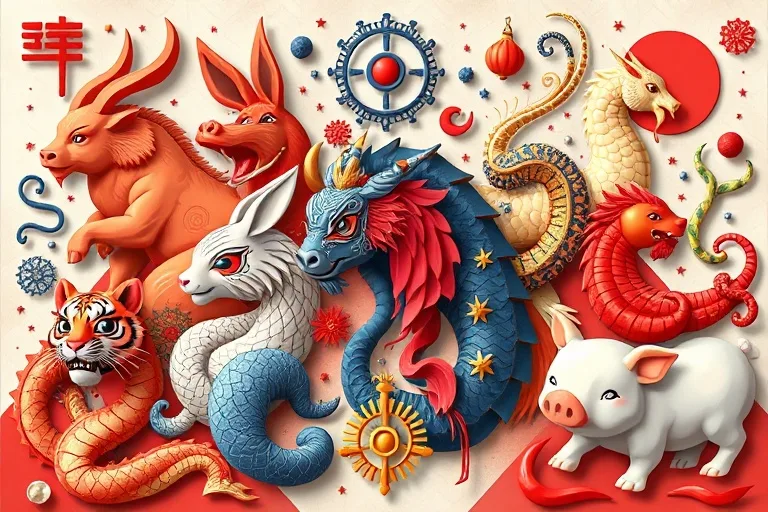
A vibrant illustration depicting various Chinese Zodiac animals interwoven with abstract symbols of psychological introspection and personal development.
The Snake: The Sage and the Enchanter
Snakes are known for their intuition, mystery, wisdom, and transformative qualities. They are often deep thinkers, enigmatic, and possess a magnetic allure. Their calm exterior often hides an intense inner world and a profound understanding of human nature.
The Snake strongly aligns with the Wise Old Man/Woman archetype, representing profound insight and spiritual guidance. Its transformative nature also connects to the Magician archetype, capable of deep inner alchemy. The shadow aspect of the Snake can involve secretiveness, jealousy, or a tendency towards manipulation. Personal development for the Snake involves trusting their deep intuition while ensuring transparency, using their wisdom to guide rather than control, and confronting their hidden fears to embrace true inner transformation. This path leads to a balanced integration of their mystical insights with grounded ethics.
The Horse: The Adventurer and the Free Spirit
Horses are characterized by their boundless energy, independence, enthusiasm, and social grace. They love freedom, adventure, and are often the life of the party. Their dynamic spirit makes them natural explorers, though they can sometimes be restless or impatient.
The Horse embodies the Explorer archetype, constantly seeking new horizons and experiences. Their passion and desire for connection also link them to the Lover archetype. The shadow side of the Horse can manifest as restlessness, impulsivity, or a fear of commitment. Personal development for the Horse involves learning to balance their desire for freedom with responsibility, cultivating patience, and finding ways to sustain focus on long-term goals without stifling their adventurous spirit. This involves integrating their vibrant energy with disciplined intention.
The Goat (Sheep): The Artist and the Peacemaker
Goats (or Sheep) are known for their creativity, empathy, gentleness, and desire for harmony. They are often artistic, compassionate, and prefer peaceful environments. Their sensitive nature makes them excellent nurturers, though they can sometimes be indecisive or overly reliant on others.
The Goat aligns with the Artist archetype, expressing emotions and creating beauty. Their gentle, nurturing qualities also resonate with the Caregiver archetype. The shadow of the Goat can involve a lack of assertiveness, escapism, or a tendency to be easily influenced. Personal development for the Goat involves cultivating self-reliance, learning to express their needs and boundaries effectively, and embracing their unique creative voice as a source of strength, rather than merely a means of escape. This integration helps them balance their sensitivity with resilience.
The Monkey: The Inventor and the Jester
Monkeys are characterized by their intelligence, wit, curiosity, and agility. They are quick learners, innovative problem-solvers, and possess a playful, mischievous spirit. Their adaptability and charm make them engaging companions, though they can sometimes be restless or prone to mischief.
The Monkey strongly embodies the Trickster archetype, using wit and cunning to navigate challenges and expose absurdities. They also align with the Inventor archetype, driven by curiosity and a desire to innovate. The shadow side of the Monkey can involve superficiality, deceit, or a tendency to exploit others. Personal development for the Monkey involves cultivating intellectual discipline, applying their ingenuity ethically, and grounding their playful spirit with responsibility, ensuring their cleverness serves constructive ends. This integration allows them to be both brilliant and benevolent.
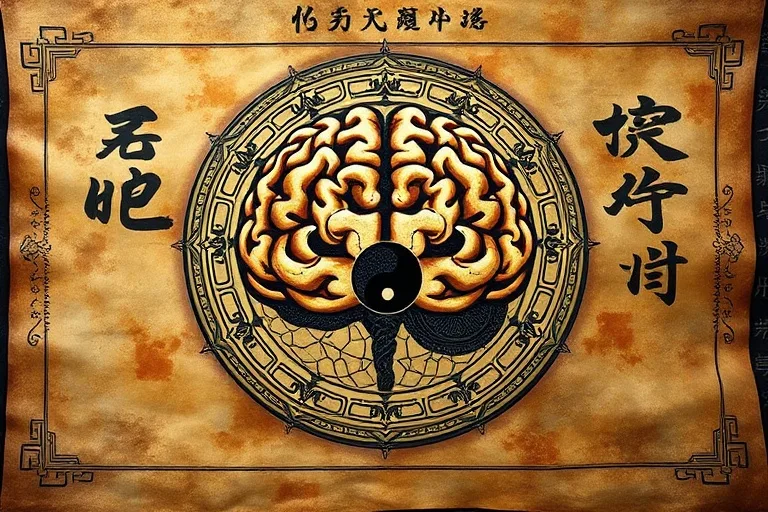
An oil painting depicting an ancient scroll unfurling to reveal a human brain intertwined with traditional Chinese calligraphy, symbolizing the profound journey of self-discovery.
The Rooster: The Perfectionist and the Herald
Roosters are known for their precision, confidence, honesty, and punctuality. They are meticulous, hardworking, and often possess a strong sense of self-importance. Their keen observational skills make them excellent critics, though their bluntness can sometimes be perceived as arrogance.
The Rooster aligns with the Ruler archetype, seeking order, control, and excellence. Their critical discernment also connects them to the Sage archetype in its intellectual capacity. The shadow of the Rooster can involve vanity, excessive criticism, or a struggle with embracing imperfection. Personal development for the Rooster involves cultivating empathy, learning to deliver feedback constructively, and accepting that true perfection often lies in embracing the journey, not just the flawless outcome. This integration helps them balance their high standards with compassionate understanding.
The Dog: The Guardian and the Loyal Companion
Dogs are characterized by their loyalty, protection, honesty, and sense of duty. They are dependable, trustworthy, and deeply committed to their loved ones and causes. Their altruistic nature makes them excellent friends, though they can sometimes be overly anxious or cynical.
The Dog embodies the Caregiver archetype, offering unwavering support and protection. Their devotion and capacity for unconditional affection also link them to the Lover archetype. The shadow side of the Dog can involve self-sacrifice to the point of neglect, anxiety, or a tendency to be overly suspicious. Personal development for the Dog involves practicing self-care, learning to trust others, and balancing their loyalty to external causes with their own inner well-being. This integration allows them to be both devoted and self-sustaining.
The Pig: The Benevolent and the Hedonist
Pigs are known for their generosity, optimism, enjoyment of life, and sincerity. They are warm-hearted, honest, and appreciate the finer things in life. Their benevolent nature makes them popular, though they can sometimes be naive or overly indulgent.
The Pig aligns with the Innocent archetype, embodying optimism, trust, and a joy for life. Their appreciation for pleasure and connection also links them to the Lover archetype. The shadow of the Pig can involve naivety, excessive indulgence, or a tendency to avoid difficult truths. Personal development for the Pig involves cultivating discernment in their generosity, practicing healthy self-indulgence, and confronting uncomfortable realities to achieve a more grounded and resilient optimism. This integration helps them balance their inherent goodness with practical wisdom.
Integrating Archetypes for Personal Growth
Understanding one's primary Chinese Zodiac archetype and its Jungian parallels is merely the first step. The true power lies in the process of integration, a cornerstone of Jungian individuation. This involves acknowledging not only the strengths but also the shadow aspects of one's dominant archetype, as well as recognizing and integrating qualities from other archetypes that may be underdeveloped or repressed.
For instance, a Dragon individual might need to integrate the humility of the Ox or the empathy of the Rabbit to temper their ambition and connect more deeply with others. A Rabbit, conversely, might benefit from embracing the courage of the Tiger or the assertiveness of the Rooster to stand firm in their convictions and protect their gentle nature. This dynamic interplay between archetypes fosters a more balanced and holistic personality.
The process of shadow work, a critical component of Jungian therapy, is particularly relevant here. Each Chinese Zodiac archetype carries its own shadow—the unacknowledged or repressed aspects of the personality. For the Rat, it might be manipulation; for the Tiger, aggression; for the Snake, secretiveness. By bringing these shadow aspects into conscious awareness, individuals can integrate them, transforming potential liabilities into sources of strength and wisdom. This journey of self-discovery is continuous, leading to greater self-awareness, emotional intelligence, and a more authentic expression of the Self.
Moreover, exploring the interactions between different Zodiac archetypes in relationships can provide profound insights into interpersonal dynamics. Just as Jungian psychology examines the interplay of the anima/animus in relationships, understanding how different Zodiac signs' archetypal energies combine can illuminate compatibility, conflict points, and areas for mutual growth. For a deeper dive into relationship dynamics, consider exploring Synastry Relationship Dynamics Chart Comparison.
Conclusion: A Holistic Path to Self-Discovery
The Chinese Zodiac, when interpreted through the rich framework of Jungian psychology, offers a powerful and nuanced approach to personal development. It moves beyond superficial personality traits, delving into the deep, universal patterns that shape our inner and outer worlds. Each animal archetype serves as a symbolic guide, reflecting aspects of the collective unconscious and providing a roadmap for individuation.
By consciously engaging with these archetypes—understanding their strengths, confronting their shadows, and integrating their diverse qualities—individuals can embark on a transformative journey towards psychological wholeness. This interdisciplinary approach not only fosters greater self-awareness but also enhances our capacity for empathy, resilience, and authentic living, ultimately leading to a more profound and meaningful existence. For further insights into astrological influences on personality, consider reading about Planetary Archetypes: Unlocking Inner Gods & Goddesses.
Source: Hybrid content assisted by AIs and human editorial supervision.


Comments
Post a Comment