
Chinese Zodiac Tea Ceremony: Cultural Insights Meanings | StarPluto
The Chinese Zodiac and the traditional Chinese Tea Ceremony are two pillars of Eastern culture, each steeped in centuries of history, philosophy, and symbolic meaning. While seemingly disparate at first glance, a deeper exploration reveals fascinating parallels and potential points of synergy between these ancient practices. Both offer profound insights into human nature, the natural world, and the pursuit of harmony and balance.
This article delves into the cultural insights and meanings embedded within both the Chinese Zodiac and the Tea Ceremony, exploring how their philosophies intertwine and how understanding one can enrich the appreciation of the other. We will uncover the core tenets of each tradition and then draw connections that highlight their shared emphasis on character, environment, and mindful living.
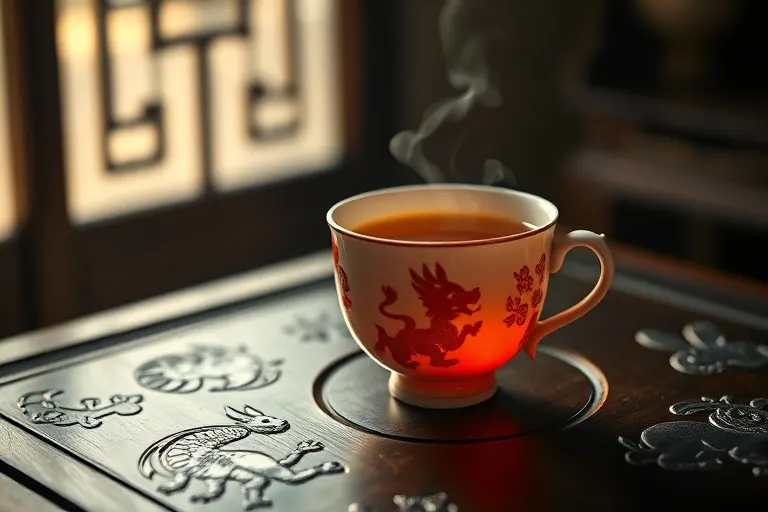
A delicate porcelain teacup, symbolizing the tranquility of the tea ceremony, is subtly intertwined with stylized Chinese zodiac symbols, representing the deep cultural connections explored.
Table of Contents
- The Ancient Wisdom of the Chinese Zodiac
- The Art and Philosophy of the Chinese Tea Ceremony
- Harmonizing Elements: Zodiac Animals and Tea Types
- Ritual, Mindfulness, and Personal Connection
- Integrating Zodiac Wisdom into Your Tea Practice
- Modern Relevance and Global Appreciation
The Ancient Wisdom of the Chinese Zodiac
The Chinese Zodiac, known as Sheng Xiao (生肖), is a repeating cycle of 12 years, with each year represented by an animal and its reputed attributes. This system is deeply embedded in Chinese culture, influencing aspects from personality analysis to marriage compatibility and fortune-telling. Unlike Western astrology, which is based on constellations, the Chinese Zodiac is based on a lunar calendar and a legend involving the Jade Emperor and a great race.
Each of the 12 animals—Rat, Ox, Tiger, Rabbit, Dragon, Snake, Horse, Goat, Monkey, Rooster, Dog, and Pig—is associated with specific characteristics, strengths, and weaknesses. These animal signs are further nuanced by the Five Elements (Wood, Fire, Earth, Metal, Water) and the Yin and Yang principles, creating a complex framework for understanding individual temperaments and life paths. For instance, a Wood Dragon will exhibit different traits than a Metal Dragon, reflecting the elemental influence on their core animal nature.
The zodiac provides a framework for self-reflection and understanding. Individuals often identify with the traits of their birth year animal, using this knowledge to navigate personal relationships, career choices, and even health considerations. It's a system that emphasizes cyclical patterns, the interplay of forces, and the idea that destiny is shaped by both inherent qualities and external influences. For more on specific zodiac traits, you can explore Chinese Zodiac Traits.
- Rat: Quick-witted, resourceful, versatile, kind.
- Ox: Diligent, dependable, strong, determined.
- Tiger: Brave, confident, competitive, unpredictable.
- Rabbit: Quiet, elegant, kind, responsible.
- Dragon: Confident, intelligent, enthusiastic, ambitious.
- Snake: Enigmatic, intelligent, wise, decisive.
- Horse: Animated, active, energetic, independent.
- Goat: Calm, gentle, sympathetic, artistic.
- Monkey: Sharp, clever, curious, mischievous.
- Rooster: Observant, hardworking, courageous, talented.
- Dog: Lovely, honest, prudent, loyal.
- Pig: Compassionate, generous, diligent, honest.
The Art and Philosophy of the Chinese Tea Ceremony
The Chinese Tea Ceremony, or Gongfu Cha (工夫茶), is far more than just brewing and drinking tea; it is an elaborate ritual that embodies centuries of philosophical thought, aesthetic principles, and social etiquette. Originating in ancient China, the ceremony evolved from simple tea preparation into a sophisticated art form, deeply influenced by Taoism, Confucianism, and Buddhism. Its core philosophy revolves around harmony (和), respect (敬), purity (清), and tranquility (寂).
The ceremony typically involves specific tea wares, including a small teapot, aroma cups, drinking cups, a tea tray, and various tools. The process is meticulous, from warming the teaware to rinsing the leaves, steeping, and serving. Each step is performed with grace and intention, turning the act of tea drinking into a meditative experience. The type of tea used, often Oolong or Pu-erh, is carefully selected for its aroma, taste, and health benefits. Understanding the nuances of tea preparation can enhance your spiritual journey, as discussed in articles like Chakras Energy Centers: Spiritual Balance Guide.
The tea ceremony is a practice of mindfulness, encouraging participants to slow down, focus on the present moment, and appreciate the subtle beauty of life. It fosters connection—between individuals sharing the tea, and between the individual and nature. The act of sharing tea is an expression of hospitality and respect, creating an atmosphere of calm and contemplation. It is a sensory journey that engages sight, smell, taste, and touch, leading to a holistic experience of well-being.
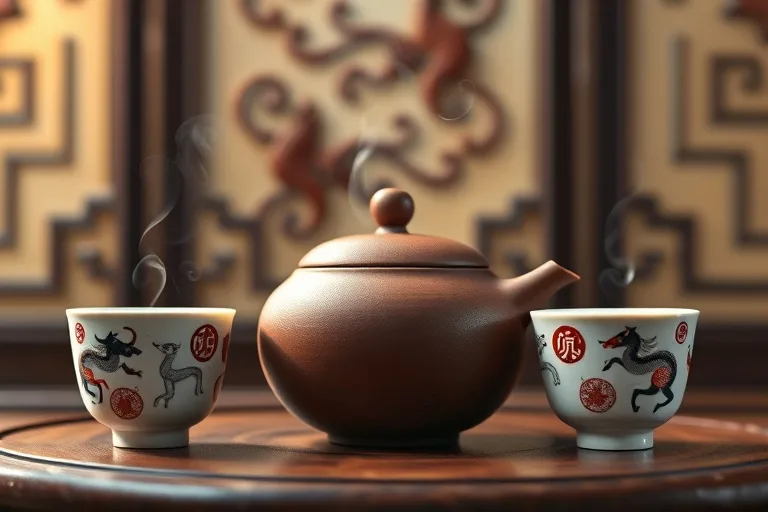
An exquisite oil painting captures the essence of a traditional Chinese tea set, highlighting the intricate details of the Yixing clay teapot and cups, central to the Gongfu Cha ceremony.
Harmonizing Elements: Zodiac Animals and Tea Types
The fascinating intersection between the Chinese Zodiac and the Tea Ceremony lies in their shared emphasis on character, balance, and the subtle interplay of elements. We can draw intriguing parallels by considering how the traits of each zodiac animal might align with specific tea types, brewing methods, or ceremonial approaches. This isn't a rigid system but a creative way to deepen one's appreciation for both traditions.
For instance, the bold and ambitious Dragon might find resonance with a strong, complex Pu-erh tea, known for its earthy depth and aging potential, reflecting the Dragon's powerful spirit and enduring legacy. Conversely, the gentle and artistic Goat might prefer a delicate White Tea or a fragrant Jasmine Green Tea, appreciating its subtle nuances and calming effects. The resourceful Rat, always seeking efficiency, might gravitate towards a well-executed Gongfu Cha, valuing the precision and optimal extraction of flavor.
The Five Elements also play a crucial role. A Fire element zodiac sign might benefit from cooling teas like Green Tea or certain herbal infusions, while a Water element sign might seek warming teas such as Black Tea or dark Oolongs. This approach encourages a holistic understanding of oneself and one's environment, using tea as a tool for personal balance. The concept of elemental influence is also explored in Influencia elemental en el horóscopo chino, showing cross-cultural connections.
| Zodiac Animal | Key Traits | Suggested Tea Type/Approach | Reasoning |
|---|---|---|---|
| Rat | Resourceful, quick-witted | Green Tea (e.g., Longjing) | Its fresh, invigorating nature aligns with the Rat's sharp mind and energy. |
| Ox | Diligent, dependable | Pu-erh Tea | The deep, earthy character and aging process reflect the Ox's steadfastness and long-term vision. |
| Tiger | Brave, confident | Black Tea (e.g., Lapsang Souchong) | Its bold flavor and smoky notes match the Tiger's adventurous and commanding presence. |
| Rabbit | Gentle, responsible | White Tea (e.g., Silver Needle) | Delicate, subtle, and pure, resonating with the Rabbit's refined and peaceful nature. |
| Dragon | Confident, ambitious | High-Quality Oolong | Complex, transformative, and highly regarded, mirroring the Dragon's powerful and evolving spirit. |
| Snake | Enigmatic, wise | Aged Pu-erh or Dark Oolong | Its depth, complexity, and subtle unfolding flavors appeal to the Snake's profound and introspective nature. More on this sign can be found in The Snake in the Chinese Zodiac: Meaning, Traits, and Influence. |
| Horse | Energetic, independent | Roasted Oolong (e.g., Tie Guan Yin) | Its robust flavor and invigorating aroma complement the Horse's dynamic and free-spirited character. |
| Goat | Calm, artistic | Jasmine Green Tea | Its fragrant, soothing qualities and aesthetic appeal resonate with the Goat's gentle and creative soul. For more on this sign, see Goat Personalities: Chinese Zodiac Traits in Action. |
| Monkey | Clever, curious | Flavored Green Tea or innovative blends | The Monkey's playful and experimental nature enjoys new and interesting flavor profiles. |
| Rooster | Observant, hardworking | Black Tea (e.g., Keemun) | Its clear, strong character and invigorating properties support the Rooster's diligent and precise approach. |
| Dog | Loyal, honest | Herbal Tea (e.g., Chrysanthemum) | Its comforting and grounding nature appeals to the Dog's trustworthy and stable personality. |
| Pig | Compassionate, generous | Sweet Black Tea or Fruit Infusion | Its comforting and pleasant taste reflects the Pig's warm and benevolent disposition. |
Ritual, Mindfulness, and Personal Connection
Both the Chinese Zodiac and the Tea Ceremony are deeply rooted in ritual and mindfulness. The zodiac, through its annual cycles and elemental shifts, encourages reflection on one's personal journey and growth. It prompts individuals to consider their inherent traits and how they interact with the changing energies of each year. This self-awareness is a form of mindfulness, guiding decisions and fostering a deeper connection to one's inner self and the cosmic rhythm.
Similarly, the tea ceremony is a structured ritual designed to cultivate mindfulness. Every deliberate movement, from heating the water to pouring the tea, is an invitation to be fully present. The focus on sensory details—the aroma, the warmth of the cup, the taste of the tea—draws attention away from distractions and into the moment. This practice enhances personal connection, not only with oneself but also with others who partake in the ceremony, creating a shared space of peace and respect.
The emphasis on harmony in both traditions is paramount. The zodiac seeks harmony between an individual's nature and their environment, suggesting ways to adapt and thrive. The tea ceremony strives for harmony in its aesthetics, its process, and its social interaction. Together, they offer powerful tools for achieving a balanced and fulfilling life, encouraging a reflective approach to daily existence. This pursuit of balance is a common thread in many ancient practices, including those discussed in Astrology History: Ancient Origins to Modern Practice.
A conceptual 3D digital illustration visually represents the profound interconnectedness between the ancient Chinese zodiac symbols and the delicate tea leaves, highlighting their interwoven cultural significance.
Integrating Zodiac Wisdom into Your Tea Practice
For those interested in a more personalized approach, integrating zodiac wisdom into your tea practice can be a deeply enriching experience. This involves not just choosing a tea based on your animal sign, but also considering the elemental influences of your birth year and the current year. For example, if you are a Fire Horse, known for your passion and dynamism, you might select a robust Black Tea to match your energy, but perhaps pair it with a cooling herbal infusion to balance any excess fiery tendencies.
Consider the context of your tea ceremony. Are you seeking to calm a restless Monkey mind? A soothing White Tea or a meditative Gongfu Cha session could be beneficial. Are you aiming to harness the determination of the Ox for a new project? A strong Pu-erh might provide the grounding energy you need. The intention behind your tea choice and preparation becomes a powerful tool for self-alignment and personal growth. Further insights into zodiac compatibility can be found in Zodiac Compatibility Advanced: Elemental Ascendant Influences.
This integration encourages an active engagement with both traditions, moving beyond passive consumption or superficial understanding. It transforms the tea ceremony into a dynamic ritual that reflects your personal journey and aspirations, guided by the ancient wisdom of the Chinese Zodiac. It's about creating a personal sanctuary where the energies of the cosmos and the tranquility of tea converge.
Modern Relevance and Global Appreciation
In an increasingly fast-paced world, the enduring appeal of the Chinese Zodiac and the Tea Ceremony lies in their ability to offer grounding, reflection, and a connection to something ancient and profound. Both traditions provide a counterpoint to modern anxieties, inviting individuals to pause and engage with practices that foster inner peace and cultural understanding. The zodiac continues to be a popular topic for self-discovery and entertainment globally, while the tea ceremony is gaining recognition as a sophisticated art form and a path to mindfulness.
Across the globe, tea houses dedicated to traditional Chinese tea ceremonies are flourishing, attracting enthusiasts eager to learn about its intricate rituals and philosophical underpinnings. Similarly, interest in the Chinese Zodiac extends far beyond East Asia, with people from diverse backgrounds using it as a lens to understand personality and destiny. This global appreciation speaks to the universal human desire for meaning, connection, and a deeper understanding of oneself and the world.
By exploring the synergy between these two cultural treasures, we not only honor their individual legacies but also discover new avenues for personal growth and cross-cultural dialogue. The blend of zodiacal wisdom and tea ceremony mindfulness offers a unique pathway to a more harmonious and reflective existence. The wisdom of ancient practices, such as those related to Karmic Astrology: Past Life Connections Natal Chart, continues to resonate in contemporary times, providing guidance and deeper understanding.
The cultural insights derived from both the Chinese Zodiac and the Tea Ceremony are not merely historical relics; they are living traditions that continue to offer valuable lessons for contemporary life. Their emphasis on balance, respect, and mindful engagement provides a timeless framework for personal well-being and a richer appreciation of cultural diversity.
Fuente: Contenido híbrido asistido por IAs y supervisión editorial humana.


Comments
Post a Comment