
Empty Houses Natal Chart: Interpretations, Insights | StarPluto
In the intricate tapestry of a natal chart, each planet, sign, and house contributes to a unique cosmic blueprint, offering profound insights into an individual's personality, life path, and potential. While much attention is often given to houses bustling with planetary activity, the concept of "empty houses" frequently leads to misunderstanding. Far from signifying a void or lack, empty houses in a birth chart hold their own unique significance, pointing towards areas of life where an individual may experience greater freedom, self-reliance, and an unburdened approach.
This comprehensive guide delves into the interpretations and insights surrounding empty houses, dispelling common myths and offering a nuanced understanding of their role in astrological analysis. We will explore how to interpret these seemingly unoccupied sectors, focusing on the influence of their ruling planets and the signs on their cusps, to reveal the hidden strengths and opportunities they present.

Tarot Quantum Mechanics Intersecting Divination Reality reveals areas of life where individuals may forge their own path, free from predetermined planetary influences.
Table of Contents
- What Are Empty Houses in Astrology?
- Common Misconceptions About Empty Houses
- How to Interpret Empty Houses
- The Ruling Planet's Influence
- The Sign on the Cusp: A Key Indicator
- Empty Houses: Interpretations by Sector
- Empty Houses and the Path to Self-Reliance
- Empowerment Through Empty Houses
- Conclusion: The Freedom of the Unoccupied
What Are Empty Houses in Astrology?
An empty house in a natal chart is simply an astrological house that contains no planets. It's a common occurrence, as there are twelve houses but typically only ten planets (including the Sun and Moon, which are luminary bodies but treated as planets in astrological interpretation). This means that every natal chart will have at least two empty houses, and some may have many more, depending on the planetary distribution at the time of birth.
The presence of an empty house does not imply that the area of life it represents is unimportant or inactive. Instead, it suggests a different dynamic. While houses with planets indicate concentrated energy, specific challenges, or pronounced talents, empty houses often point to areas where an individual has more autonomy and less pre-programmed karmic influence. This can be a double-edged sword: offering greater freedom, but also requiring more conscious effort and self-direction.
Common Misconceptions About Empty Houses
One of the most prevalent misconceptions is that an empty house signifies a lack of activity or importance in that life area. For instance, an empty 7th House (relationships) might lead someone to believe they will never have a significant partnership, or an empty 10th House (career) could suggest a lack of professional success. This is far from the truth.
- Misconception 1: Absence of Activity. An empty house does not mean nothing will happen in that area of life. Life is dynamic, and all houses will be activated at various times through transits and progressions.
- Misconception 2: Lack of Talent or Opportunity. It doesn't indicate a deficit of skills or opportunities. Instead, it often suggests that the individual has more freedom to define their own path in that area without strong planetary pressures.
- Misconception 3: Negative Connotation. Empty houses are not inherently negative. They can be areas of great strength and conscious development, where individuals are less influenced by external forces or ingrained patterns.
Understanding these distinctions is crucial for accurate chart interpretation. An empty house invites a different kind of engagement, one that emphasizes personal choice and self-discovery rather than predetermined fate.
How to Interpret Empty Houses
Interpreting empty houses requires a slightly different approach than analyzing houses with planets. The focus shifts from the direct influence of a planet to the underlying energies of the sign on the house cusp and its planetary ruler. This method provides a rich layer of information, guiding the individual towards understanding their innate tendencies and potential in that specific life domain.
Here are the key steps to interpret an empty house:
- Identify the Sign on the Cusp: The zodiac sign that begins the house (the cusp) sets the tone and modus operandi for that area of life. Its characteristics will describe how the individual approaches or experiences matters related to that house.
- Locate the Ruling Planet: Every zodiac sign has a planetary ruler. The house and sign where this ruling planet is located in the natal chart will show where the energy of the empty house is directed or expressed. This is often the most crucial step in understanding an empty house.
- Analyze Aspects to the Ruling Planet: The aspects (angles) that the ruling planet makes to other planets in the chart will further refine its influence, indicating challenges, strengths, or natural flows of energy related to the empty house.
The Ruling Planet's Influence
The ruling planet of an empty house is the primary key to unlocking its meaning. This planet acts as the "manager" of that house's affairs, even if no planets reside within it. Its position by sign and house in the natal chart, along with its aspects, will reveal how the individual engages with that life area.
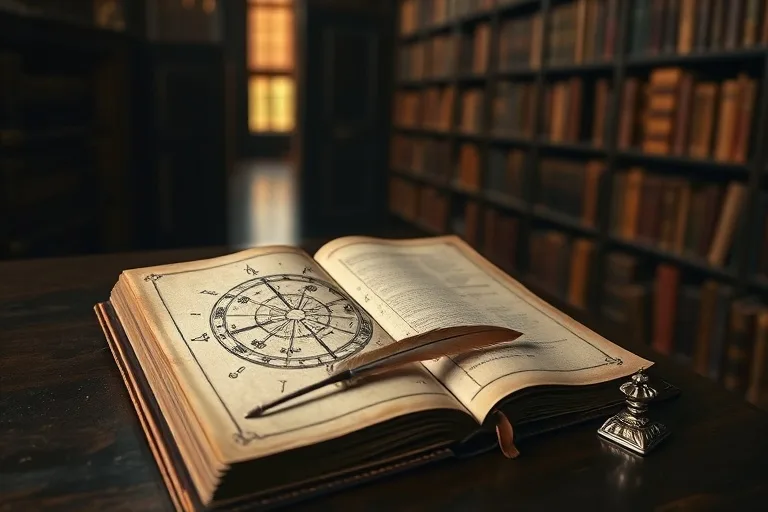
The , including empty houses, offer a profound roadmap for personal growth.
For example, if the 7th House (relationships) is empty and its cusp is in Libra, the ruling planet is Venus. If Venus is found in the 1st House in the natal chart, it suggests that the individual approaches relationships (7th House) in a very personal and self-focused way (1st House), perhaps prioritizing their own identity and needs within partnerships. The sign Venus is in, and any aspects it makes, would further describe this dynamic.
Consider the following table for planetary rulers:
| Zodiac Sign | Ruling Planet |
|---|---|
| Aries | Mars |
| Taurus | Venus |
| Gemini | Mercury |
| Cancer | Moon |
| Leo | Sun |
| Virgo | Mercury |
| Libra | Venus |
| Scorpio | Pluto (Mars traditional) |
| Sagittarius | Jupiter |
| Capricorn | Saturn |
| Aquarius | Uranus (Saturn traditional) |
| Pisces | Neptune (Jupiter traditional) |
The Sign on the Cusp: A Key Indicator
Even without planets, the zodiac sign on the cusp of an empty house provides crucial information about how an individual approaches the themes of that house. It describes the inherent qualities and energies associated with that life area. For example, if the 2nd House (finances, values) has Cancer on the cusp, the individual might approach money matters with a nurturing, security-oriented, and perhaps emotionally driven attitude.
The element and modality of the sign on the cusp also offer valuable clues:
- Fire Signs (Aries, Leo, Sagittarius): Suggest an energetic, enthusiastic, and direct approach to the house's affairs.
- Earth Signs (Taurus, Virgo, Capricorn): Indicate a practical, grounded, and methodical approach.
- Air Signs (Gemini, Libra, Aquarius): Point to an intellectual, communicative, and objective approach.
- Water Signs (Cancer, Scorpio, Pisces): Denote an emotional, intuitive, and sensitive approach.
- Cardinal Signs (Aries, Cancer, Libra, Capricorn): Suggest initiative and a desire to start things in that area.
- Fixed Signs (Taurus, Leo, Scorpio, Aquarius): Indicate stability, persistence, and resistance to change.
- Mutable Signs (Gemini, Virgo, Sagittarius, Pisces): Show adaptability, flexibility, and a tendency to adjust or modify.
Empty Houses: Interpretations by Sector
Let's briefly examine how an empty house might manifest in different sectors of the natal chart. Remember, these are general interpretations; the ruling planet and its aspects will always provide the most specific insights.
- Empty 1st House (Self, Identity): The individual may have a flexible sense of self, less defined by external roles or expectations. They might spend more time exploring who they are, rather than presenting a fixed persona. The Ascendant sign and its ruler become paramount in defining identity.
- Empty 2nd House (Values, Resources): This suggests a less rigid attachment to material possessions or a more adaptable approach to earning money. Values might be internally defined rather than influenced by societal norms.
- Empty 3rd House (Communication, Learning): Communication style might be more fluid, adapting to different situations. Learning could be self-directed or less structured, with a natural curiosity driving intellectual pursuits.
- Empty 4th House (Home, Roots): The individual might have a less traditional view of home or family, perhaps creating their own definition. There could be a strong need for emotional independence or a tendency to move frequently.
- Empty 5th House (Creativity, Romance, Children): Creativity may be expressed spontaneously, without a strong need for external validation. Romantic relationships might be approached with a sense of freedom, and parenting style could be unconventional.
- Empty 6th House (Work, Health, Routine): Work ethic might be self-motivated, with a desire for autonomy in daily tasks. Health routines could be fluid, adapting to personal needs rather than strict regimens.
- Empty 7th House (Partnerships, Marriage): Relationships are often approached with a desire for equality and independence. The individual may seek partnerships that allow for personal growth and freedom, rather than traditional roles.
- Empty 8th House (Transformation, Shared Resources, Intimacy): This can indicate a less intense or dramatic approach to life's deeper transformations. Shared resources might be handled with detachment, and intimacy could be explored on one's own terms.
- Empty 9th House (Higher Learning, Philosophy, Travel): A natural inclination towards exploring diverse philosophies and cultures. Higher education or spiritual paths might be chosen independently, guided by personal truth rather than dogma.
- Empty 10th House (Career, Public Image): Career path may be unconventional, with a strong drive to define success on one's own terms. Public image might be less of a concern, or it could be consciously shaped over time.
- Empty 11th House (Friends, Groups, Hopes): Friendships and group affiliations might be chosen based on genuine connection rather than social pressure. Hopes and dreams are often self-generated and pursued with personal conviction.
- Empty 12th House (Spirituality, Subconscious, Hidden Matters): A more independent journey into spirituality or the subconscious. The individual might navigate their inner world with less external guidance, developing their own spiritual practices.
The Mesoamerican Astrology AI Oracles Bridging Ancient Modern to the ruling planet of an empty house further refine its interpretation.
Empty Houses and the Path to Self-Reliance
Perhaps the most significant insight offered by empty houses is their connection to self-reliance and personal agency. When a house is empty, it means there are no planets directly pushing or pulling the individual in that area of life. This can be interpreted as a clean slate, an invitation to consciously create and define one's experiences without the inherent biases or karmic lessons that planets might bring.
Individuals with prominent empty houses often develop a strong sense of independence in those areas. They learn to trust their own instincts, make their own rules, and forge unique paths. While this can sometimes feel like a lack of external guidance, it ultimately fosters resilience and a deep connection to one's inner wisdom.
It's important to note that "self-reliance" does not mean isolation. For example, an empty 7th House (partnerships) doesn't mean one will be alone; it means they will likely approach partnerships from a place of personal strength and independence, seeking relationships that complement rather than complete them. They might be less prone to codependency and more focused on mutual respect and individual growth within a partnership.
Empowerment Through Empty Houses
Viewing empty houses as areas of empowerment transforms a perceived lack into a powerful asset. They represent the freedom to experiment, to deviate from societal norms, and to truly personalize one's journey in specific life domains. This can lead to innovative approaches, profound self-discovery, and a sense of mastery born from conscious effort.
Here are ways to leverage the energy of empty houses:
- Conscious Intention: Actively set intentions for the areas represented by your empty houses. What do you want to create or experience there?
- Study the Ruling Planet: Deeply understand the sign on the cusp and its ruling planet. Where is this planet located in your chart? What aspects does it make? This will guide your actions.
- Embrace Flexibility: Be open to different approaches and outcomes. Empty houses thrive on adaptability and freedom from rigid expectations.
- Seek External Resources: While self-reliant, it doesn't mean avoiding learning from others. Seek mentors, books, or courses that resonate with the themes of your empty houses, but always filter information through your own intuition.
- Journaling and Reflection: Regularly reflect on your experiences in these areas. What patterns are emerging? What feels authentic to you?
By consciously engaging with the themes of your empty houses, you transform them from potential areas of uncertainty into powerful zones of personal creation and self-mastery. They become canvases upon which you paint your unique life experiences, unburdened by astrological predispositions.
Conclusion: The Freedom of the Unoccupied
Empty houses in a natal chart are not voids to be feared or overlooked. Instead, they are powerful indicators of freedom, self-determination, and the potential for conscious creation. By understanding the sign on the cusp and the placement of its ruling planet, individuals can unlock profound insights into these areas of their lives.
They represent opportunities to develop unique approaches, cultivate self-reliance, and forge paths less traveled. Embracing the energy of empty houses allows for a more personalized and empowering journey, where the individual is the primary architect of their destiny in those specific life domains. Rather than seeing them as empty, we can view them as open spaces, ready to be filled with intentionality, growth, and authentic self-expression.
Fuente: Contenido híbrido asistido por IAs y supervisión editorial humana.


Comments
Post a Comment