
Lunar Mansions: Chinese Astrology Timing Guide | StarPluto
Lunar Mansions: Advanced Timing for Chinese Astrology & Life Events
The intricate tapestry of Chinese astrology extends far beyond the familiar twelve animal signs, delving into profound celestial mechanics that offer nuanced insights into destiny and timing. Among its most powerful yet often overlooked tools are the Lunar Mansions, known as the "Twenty-Eight Mansions" (二十八宿, Èrshíbā Xiù). These ancient divisions of the celestial equator, through which the Moon passes in its monthly cycle, provide a sophisticated framework for understanding the ebb and flow of cosmic energies and their influence on human affairs.
Unlike Western astrology's focus on the Sun's path through the zodiac, Chinese astrology places significant emphasis on the Moon's journey, recognizing its direct connection to daily life, emotions, and subtle energetic shifts. The Lunar Mansions, therefore, serve as a crucial layer of precision, allowing practitioners to pinpoint auspicious and inauspicious periods for various undertakings, from personal decisions to major life transitions. This guide explores the historical context, structure, individual characteristics, and practical applications of Lunar Mansions in Chinese astrology, offering an advanced perspective on celestial timing.
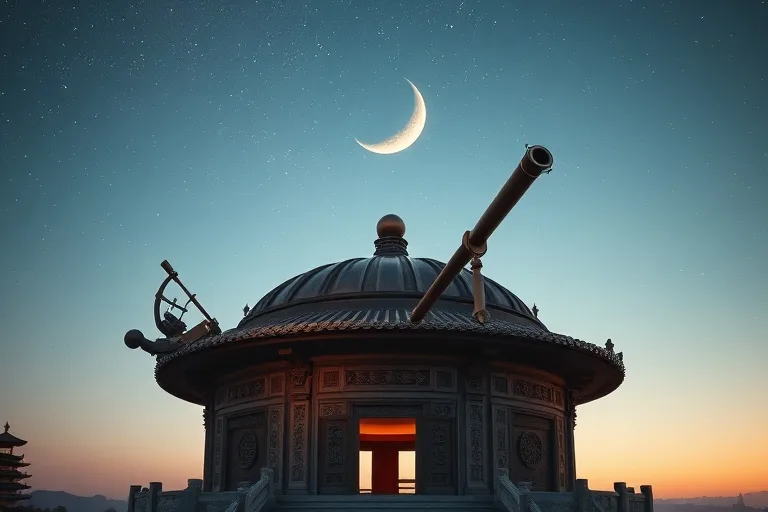
An ancient Chinese observatory, a testament to the profound celestial wisdom that underpins the system of Lunar Mansions.
Table of Contents
- Historical Roots and Cultural Significance
- Structure and Division of the 28 Mansions
- The Four Celestial Palaces and Their Guardians
- Detailed Overview of Each Lunar Mansion
- Practical Applications in Timing Life Events
- Integrating Lunar Mansions with Other Astrological Systems
- Lunar Mansions and Personal Destiny
Historical Roots and Cultural Significance
The concept of Lunar Mansions dates back thousands of years in Chinese civilization, with some archaeological evidence suggesting their use as early as the Neolithic period. These divisions were initially developed for agricultural purposes, helping ancient farmers track the seasons and predict weather patterns based on the Moon's position against specific star groups. Over time, their utility expanded to encompass divination, state affairs, and personal destiny, becoming an integral part of both imperial and folk astrology.
In ancient China, astronomy and astrology were deeply intertwined with governance. Emperors were considered the "Son of Heaven," and their mandate to rule was often linked to their ability to interpret celestial signs. The Lunar Mansions played a critical role in this, guiding decisions on everything from military campaigns and construction projects to marriage arrangements and ceremonial dates. Their influence permeated various philosophical schools, including Taoism and Confucianism, shaping a holistic worldview where human actions were seen as reflections of cosmic rhythms.
Structure and Division of the 28 Mansions
The 28 Lunar Mansions are constellations or asterisms that divide the celestial equator into 28 unequal segments. The Moon traverses one mansion approximately every 24 hours, completing its cycle through all 28 in roughly 27.3 days, which corresponds to the sidereal month. Each mansion is associated with specific stars, a symbolic animal, an element, and a set of auspicious or inauspicious qualities.
These mansions are grouped into four major quadrants, often referred to as the "Four Celestial Palaces" or "Four Symbols" (四象, Sì Xiàng), each guarded by a mythical beast. These guardians represent the cardinal directions and seasons, adding another layer of symbolic meaning and energetic influence to the system. Understanding these overarching divisions is crucial before delving into the individual characteristics of each mansion.
The Four Celestial Palaces and Their Guardians
The 28 Lunar Mansions are systematically divided into four groups of seven mansions, each corresponding to a cardinal direction and a season. These groups are personified by powerful celestial beasts, each with distinct attributes and energetic signatures. These guardians are not merely decorative; they embody the fundamental energies that influence the mansions within their respective quadrants.
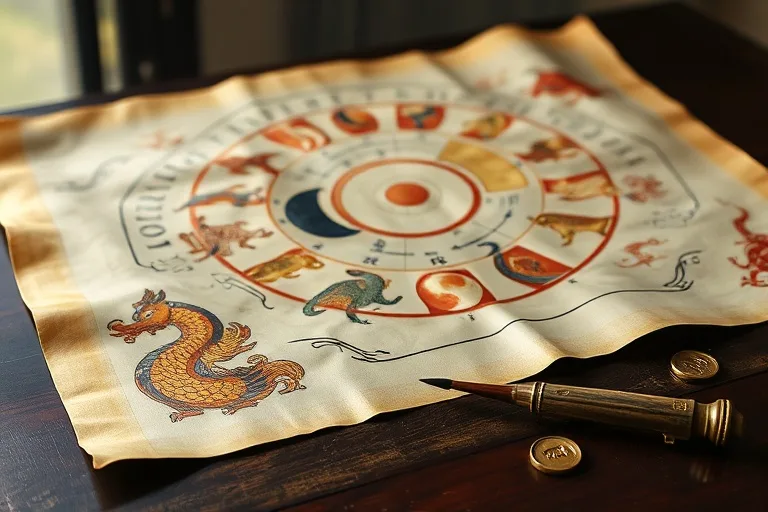
An ancient scroll illustrating the symbolic representations of the 28 Lunar Mansions, each with its unique characteristics.
Here's a breakdown of the Four Celestial Palaces:
- Azure Dragon of the East (东方青龙, Dōngfāng Qīnglóng): Associated with spring and the element Wood. It symbolizes growth, vitality, new beginnings, and prosperity. Mansions in this quadrant are often favorable for initiating projects, planting, and seeking advancement.
- Vermilion Bird of the South (南方朱雀, Nánfāng Zhūquè): Linked to summer and the element Fire. It represents passion, illumination, fame, and transformation. Mansions here are often auspicious for celebrations, learning, and activities requiring strong energy and charisma.
- White Tiger of the West (西方白虎, Xīfāng Báihǔ): Corresponds to autumn and the element Metal. It signifies protection, courage, discipline, and harvest. Mansions in this sector can be good for strategic planning, defense, and concluding matters, though some may carry a more challenging energy.
- Black Tortoise of the North (北方玄武, Běifāng Xuánwǔ): Connected to winter and the element Water. It embodies wisdom, longevity, introspection, and hidden knowledge. Mansions here are often conducive to rest, contemplation, and spiritual pursuits, or for activities requiring stealth and patience.
Detailed Overview of Each Lunar Mansion
Each of the 28 Lunar Mansions possesses a unique name, symbolic animal, and a set of characteristics that dictate its influence on specific days. While a full treatise on each mansion is extensive, we can highlight some key examples to illustrate their diversity and application. The Moon's transit through each mansion imbues that day with particular energies, making it more or less suitable for certain activities.
| Mansion Name (Pinyin) | Symbolic Animal | General Influence | Auspicious Activities | Inauspicious Activities |
|---|---|---|---|---|
| Jiao (角) - Horn | Azure Dragon | Good for starting, growth, prosperity. | Weddings, business openings, construction. | Funerals, ending relationships. |
| Kang (亢) - Neck | Azure Dragon | Wealth, health, good fortune. | Financial transactions, healing, travel. | Confrontations, lawsuits. |
| Di (氐) - Root | Azure Dragon | Stability, foundation, balance. | Marriage, moving, laying foundations. | Gambling, risky ventures. |
| Fang (房) - Room | Azure Dragon | Prosperity, family, relationships. | Weddings, family gatherings, home improvements. | Divorce, major surgeries. |
| Xin (心) - Heart | Azure Dragon | Love, passion, emotional depth. | Romantic proposals, artistic endeavors. | Arguments, betrayals. |
| Wei (尾) - Tail | Azure Dragon | Completion, endings, legacy. | Harvesting, concluding projects, spiritual retreats. | Starting new ventures, hasty decisions. |
| Ji (箕) - Sieve | Azure Dragon | Wind, travel, communication. | Travel, negotiations, seeking knowledge. | Confrontations, major investments. |
| Dou (斗) - Dipper | Black Tortoise | Wealth, prosperity, good fortune. | Business, financial planning, seeking mentors. | Funerals, risky ventures. |
| Niu (牛) - Ox | Black Tortoise | Stability, hard work, patience. | Agriculture, long-term planning, steady work. | Impulsive actions, quick profits. |
| Nü (女) - Girl | Black Tortoise | Feminine energy, intuition, introspection. | Spiritual practices, meditation, artistic creation. | Confrontations, major social events. |
| Xu (虚) - Emptiness | Black Tortoise | Solitude, reflection, hidden matters. | Rest, healing, secret projects. | Public appearances, social gatherings. |
| Wei (危) - Danger | Black Tortoise | Risk, challenge, unexpected events. | Activities requiring caution, strategic retreats. | Travel, new ventures, major decisions. |
| Shi (室) - Encampment | Black Tortoise | Home, family, security. | Moving, home repairs, family matters. | Breaking contracts, leaving home. |
| Bi (壁) - Wall | Black Tortoise | Protection, stability, knowledge. | Education, building, seeking wisdom. | Destruction, arguments. |
| Kui (奎) - Stride | White Tiger | Intellect, creativity, innovation. | Studying, writing, artistic pursuits. | Physical labor, aggressive actions. |
| Lou (娄) - Mound | White Tiger | Wealth, prosperity, good fortune. | Financial investments, business dealings. | Funerals, risky ventures. |
| Wei (胃) - Stomach | White Tiger | Nourishment, health, stability. | Eating, health treatments, home activities. | Fasting, major changes. |
| Mao (昴) - Hairy Head | White Tiger | Harvest, completion, good for endings. | Harvesting, concluding projects, spiritual practices. | Starting new ventures, hasty decisions. |
| Bi (毕) - Net | White Tiger | Hunting, capturing, success. | Negotiations, strategic planning, business. | Relaxation, passive activities. |
| Zi (觜) - Turtle Beak | White Tiger | Speech, communication, debate. | Public speaking, negotiations, writing. | Silence, hidden actions. |
| Shen (参) - Three Stars | White Tiger | Military, power, authority. | Military campaigns, seeking power, leadership. | Submissive actions, peaceful negotiations. |
| Jing (井) - Well | Vermilion Bird | Water, healing, nourishment. | Healing, spiritual practices, seeking wisdom. | Destruction, arguments. |
| Gui (鬼) - Ghost | Vermilion Bird | Mysticism, spiritual matters, hidden knowledge. | Spiritual rituals, meditation, seeking hidden truths. | Material pursuits, public events. |
| Liu (柳) - Willow | Vermilion Bird | Growth, flexibility, relationships. | Social gatherings, artistic endeavors, learning. | Confrontations, rigid plans. |
| Xing (星) - Star | Vermilion Bird | Fame, recognition, celebration. | Public events, performances, seeking recognition. | Hidden actions, solitude. |
| Zhang (张) - Extended Net | Vermilion Bird | Expansion, capture, wealth. | Business expansion, hunting, capturing opportunities. | Retreats, passive activities. |
| Yi (翼) - Wing | Vermilion Bird | Travel, communication, freedom. | Travel, negotiations, seeking knowledge. | Confinement, stagnation. |
| Zhen (轸) - Chariot | Vermilion Bird | Movement, progress, journeys. | Travel, moving, starting new journeys. | Stagnation, ending projects. |
It's important to note that the auspiciousness or inauspiciousness of a mansion can also be influenced by other astrological factors, such as the day's stem and branch, the individual's Bazi (Four Pillars of Destiny), and the specific purpose of the activity. A thorough analysis requires a holistic approach, considering multiple layers of celestial influence.
Practical Applications in Timing Life Events
The primary application of Lunar Mansions in Chinese astrology is to determine the most favorable or unfavorable times for various life events and undertakings. This practice, known as '擇日' (Zé Rì) or 'Date Selection', is a sophisticated art that goes beyond simple calendar dates, incorporating complex astrological calculations. By understanding the energetic signature of each mansion, individuals can align their actions with cosmic flow, potentially enhancing success and mitigating challenges.
- Weddings and Marriages: Selecting a day when the Moon is in an auspicious mansion like Jiao (Horn) or Fang (Room) is believed to ensure a harmonious and prosperous union. These mansions are associated with strong foundations and family blessings.
- Business Ventures and Investments: Mansions like Dou (Dipper) or Lou (Mound) are considered excellent for financial activities, business openings, and making significant investments, as they carry energies of wealth and growth.
- Construction and Moving: For establishing a new home or undertaking major renovations, mansions like Di (Root) or Shi (Encampment) are preferred, symbolizing stability, security, and a solid foundation.
- Travel and Journeys: Mansions such as Ji (Sieve) or Yi (Wing) are auspicious for travel, promoting smooth journeys and favorable outcomes, especially for long distances or important expeditions.
- Healing and Medical Treatments: Days governed by mansions like Kang (Neck) or Jing (Well) are often chosen for starting healing regimens, undergoing medical treatments, or seeking remedies, as they are linked to health and recuperation.
- Education and Learning: Kui (Stride) and Bi (Wall) are favorable for academic pursuits, starting new studies, or engaging in intellectual activities, promoting clarity and knowledge acquisition.
An abstract representation of the intricate cosmic energies that influence celestial timing and life events.
Conversely, certain mansions are deemed inauspicious for specific activities. For example, Wei (Danger) is generally avoided for initiating new ventures or travel due to its association with risk and unexpected challenges. The mansion Gui (Ghost) is often reserved for spiritual practices or introspection rather than material pursuits or public engagements. Understanding these distinctions allows for a more informed and strategic approach to planning life's significant moments.
Integrating Lunar Mansions with Other Astrological Systems
While powerful on their own, Lunar Mansions are most effectively utilized when integrated with other layers of Chinese astrological analysis. This includes the Chinese Zodiac (animal signs), the Five Elements (Wood, Fire, Earth, Metal, Water), the Heavenly Stems and Earthly Branches (Gan Zhi), and the individual's Bazi (Four Pillars of Destiny). A truly advanced timing assessment considers the interplay of these various systems.
For instance, a day might be generally auspicious due to the Moon's position in a favorable mansion, but if that day's elemental energy clashes with an individual's personal Bazi, or if the animal sign of the day is in conflict with their own, the overall auspiciousness might be diminished. This holistic approach ensures a more accurate and personalized reading. The Chinese Zodiac provides broad personality traits, while Lunar Mansions offer daily energetic nuances.
"The wise person does not fight the current, but learns to navigate its flow. So too with the stars; they reveal the currents of time, not to dictate, but to guide."
- Ancient Chinese Astrological Proverb
Furthermore, the interaction between the Lunar Mansions and the Lunar Phases in a natal chart can provide deeper insights into an individual's emotional landscape and life path. The mansion the Moon was in at the moment of birth can reveal inherent tendencies, strengths, and challenges related to one's emotional nature and how one interacts with the world.
Lunar Mansions and Personal Destiny
Beyond daily timing, the Lunar Mansion in which the Moon resided at the exact moment of an individual's birth holds significant meaning in personal destiny analysis. This "Birth Mansion" can reveal profound insights into one's inherent character, talents, challenges, and life purpose. It acts as a foundational energetic imprint, influencing emotional responses, interpersonal relationships, and even career inclinations.
For example, someone born under the influence of the 'Heart' (Xin) mansion might possess deep emotional intelligence, artistic flair, and a strong desire for meaningful connections. Conversely, a person born under 'Danger' (Wei) might be predisposed to taking risks, facing unexpected turns, or needing to cultivate resilience. Understanding one's Birth Mansion can provide a powerful tool for self-awareness and personal growth, helping individuals to harness their innate strengths and navigate their unique life path with greater wisdom.
The study of Lunar Mansions offers a rich and sophisticated dimension to Chinese astrology, providing not only a system for advanced timing but also a deeper understanding of the cosmic influences that shape our lives. By attuning to these ancient celestial rhythms, we can gain a profound appreciation for the interconnectedness of the cosmos and our place within it, allowing us to make more informed decisions and live in greater harmony with the universe.
Fuente: Contenido híbrido asistido por IAs y supervisión editorial humana.


Comments
Post a Comment