
Medical Astrology Health Proactive: Charting Wellness Guide | StarPluto
Medical astrology, an ancient and profound branch of astrological study, delves into the intricate relationship between celestial bodies and human health. Far from being a diagnostic tool in the conventional sense, it serves as a powerful framework for understanding an individual's inherent physical and psychological predispositions, offering insights that can guide proactive health management and preventative care. This discipline posits that the unique cosmic imprint at the moment of birth, captured in a natal chart, reveals potential strengths and vulnerabilities within the body and mind.
By interpreting the positions of planets, zodiac signs, and astrological houses, medical astrology aims to empower individuals with self-knowledge, enabling them to make informed lifestyle choices that support their overall well-being. It encourages a holistic approach to health, recognizing the interconnectedness of physical, emotional, and spiritual states. This guide will explore the fundamental principles of medical astrology, its historical context, and how it can be utilized to identify potential health challenges and foster a more balanced and harmonious life.
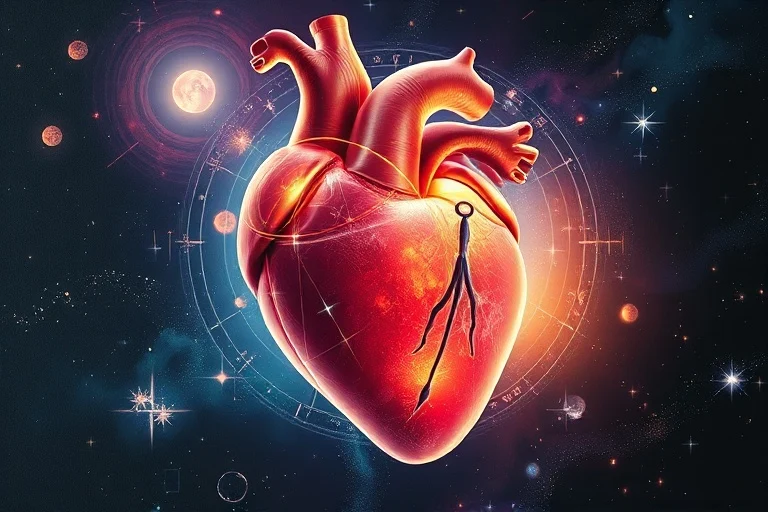
Medical Astrology: Charting the Cosmic Blueprint of Health. This intricate digital illustration symbolizes the profound connection between celestial mechanics and human physiology, forming the foundation of astrological health insights.
Table of Contents
- Historical Roots of Medical Astrology
- The Natal Chart as a Health Blueprint
- Planetary Influences on Health
- Zodiac Signs and Their Anatomical Associations
- Astrological Houses and Health Matters
- Aspects and Their Significance in Health
- Proactive Health Strategies Through Astrology
- Limitations and Ethical Considerations
- Conclusion: Empowering Proactive Wellness
Historical Roots of Medical Astrology
The practice of medical astrology is not a modern invention but a revival of ancient wisdom, dating back thousands of years. Early civilizations, including the Babylonians, Egyptians, and Greeks, meticulously observed the movements of celestial bodies and their perceived correlations with earthly events, including human health and disease. They believed that the microcosm (human body) mirrored the macrocosm (universe), and thus, the celestial configurations held keys to understanding physiological processes.
One of the most influential figures in the history of medical astrology was Hippocrates, the "Father of Medicine," who famously stated, "A physician without knowledge of astrology has no right to call himself a physician." He emphasized the importance of understanding planetary influences on the body's humors and the timing of medical interventions. Galen, another prominent physician of antiquity, further integrated astrological principles into his medical practice, linking specific planets and zodiac signs to different organs and temperaments.
During the Renaissance, medical astrology reached its zenith in Europe, with physicians routinely consulting astrological charts to diagnose illnesses, prescribe treatments, and determine the most auspicious times for surgeries or administering remedies. Notable figures like Paracelsus, a Swiss physician and alchemist, also championed the integration of astrology with medicine, asserting that "The stars are the physician's book." While its prominence waned with the rise of empirical science, the foundational concepts of medical astrology have persisted, offering a unique lens through which to view human health.
The Natal Chart as a Health Blueprint
At the heart of medical astrology lies the natal chart, a celestial map illustrating the positions of the planets, zodiac signs, and houses at the precise moment of an individual's birth. This unique snapshot is considered a cosmic blueprint, encoding not only personality traits and life path but also inherent health tendencies, strengths, and potential vulnerabilities. Each component of the natal chart contributes to this health profile, creating a complex tapestry of energetic influences.
The interpretation of a natal chart for health purposes involves a detailed analysis of several key factors. These include the zodiac signs ruling the six health houses (primarily the 6th, 8th, and 12th houses), the planets residing within these houses, and the aspects (angles) formed between these planets. Furthermore, the overall strength and condition of the "luminaries" (Sun and Moon) and the "personal planets" (Mercury, Venus, Mars) are crucial, as they represent fundamental life force and bodily functions.
Understanding this blueprint allows for a proactive approach to health. Instead of waiting for symptoms to manifest, individuals can identify areas of potential weakness and adopt preventative measures. This might involve specific dietary adjustments, targeted exercise routines, stress reduction techniques, or even particular environments that are more conducive to their unique astrological constitution. The natal chart thus becomes a guide for personalized wellness, fostering a deeper connection between cosmic rhythms and personal vitality.
Planetary Influences on Health
Each planet in the natal chart is associated with specific organs, bodily functions, and types of ailments. By analyzing the condition of these planets—their sign, house placement, and aspects—medical astrologers can pinpoint areas of potential strength or weakness. This understanding is foundational for identifying health predispositions.
- Sun: Represents vitality, the heart, spine, and general life force. Afflictions to the Sun may indicate issues with circulation, heart conditions, or a lack of overall energy.
- Moon: Governs bodily fluids, digestion, glandular systems, and emotional well-being. Lunar challenges can point to digestive sensitivities, fluid retention, or emotional imbalances that impact physical health.
- Mercury: Rules the nervous system, lungs, respiratory tract, and communication. A stressed Mercury might suggest nervous disorders, anxiety, speech impediments, or respiratory vulnerabilities.
- Venus: Associated with the kidneys, skin, throat, endocrine system, and pleasure. Venusian afflictions can manifest as kidney issues, skin conditions, hormonal imbalances, or throat ailments.
- Mars: Controls muscles, blood, acute inflammation, fever, and energy levels. A challenging Mars can indicate susceptibility to infections, injuries, fevers, or inflammatory conditions.
- Jupiter: Linked to the liver, growth, metabolism, and issues of excess. Jupiterian imbalances may lead to liver problems, weight gain, metabolic disorders, or conditions related to overindulgence.
- Saturn: Governs bones, teeth, skin, joints, and chronic conditions. Saturnine challenges often point to structural weaknesses, chronic pain, dental issues, or conditions that are slow to heal.
- Uranus: Associated with sudden illnesses, the nervous system, circulation, and spasms. Uranian influences can suggest unpredictable health events, nervous tension, or circulatory problems.
- Neptune: Rules the glandular system, immune system, chronic fatigue, allergies, and sensitivities. Neptunian afflictions might indicate mysterious illnesses, immune deficiencies, or issues with substance sensitivities.
- Pluto: Represents regeneration, cellular processes, deep-seated issues, and psychological transformations. Pluto can highlight areas of profound healing or deep-rooted, transformative health challenges.
Zodiac Signs and Their Anatomical Associations
Each of the twelve zodiac signs is traditionally linked to specific parts of the human body. This correspondence helps in identifying which anatomical areas might be particularly sensitive or prone to certain conditions based on the signs prominent in a person's natal chart, especially those ruling the health houses or containing afflicted planets.

Unveiling Health Patterns: This still life captures the essence of medical astrology, combining ancient texts with modern medical symbols to represent the integration of cosmic insights into health understanding.
- Aries (Head): Headaches, migraines, facial issues, brain, eyes.
- Taurus (Neck & Throat): Throat infections, thyroid issues, neck stiffness, vocal cords.
- Gemini (Lungs, Arms, Hands): Respiratory problems, nervous disorders, carpal tunnel, shoulder issues.
- Cancer (Stomach & Breasts): Digestive issues, stomach ulcers, breast conditions, fluid retention.
- Leo (Heart & Spine): Heart conditions, back problems, circulatory issues, vitality.
- Virgo (Intestines & Nervous System): Digestive complaints, nervous tension, anxiety, food sensitivities.
- Libra (Kidneys & Lower Back): Kidney stones, urinary tract infections, lower back pain, adrenal glands.
- Scorpio (Reproductive Organs & Bladder): Reproductive issues, bladder infections, hemorrhoids, prostate problems.
- Sagittarius (Hips, Thighs & Liver): Hip and thigh injuries, liver disorders, sciatica, blood impurities.
- Capricorn (Bones, Joints & Skin): Arthritis, bone fractures, skin conditions, dental issues, knee problems.
- Aquarius (Ankles & Circulation): Ankle sprains, circulatory problems, varicose veins, nervous system disorders.
- Pisces (Feet & Lymphatic System): Foot problems, lymphatic congestion, immune system weaknesses, sensitivities.
When a planet is placed in a particular sign, especially if it's under stress (e.g., in a challenging aspect), the associated body part or system may be more susceptible to issues. For instance, Mars in Aries might indicate a propensity for head injuries or fevers, while Saturn in Capricorn could point to chronic joint pain or skin problems. This detailed mapping provides a roadmap for targeted preventative care.
Astrological Houses and Health Matters
Beyond planets and signs, the astrological houses provide crucial context for understanding health. Each house represents a different area of life, and several houses are specifically associated with health, illness, and well-being. Their interpretation offers a deeper layer of insight into how health issues might manifest and what aspects of life influence them.
- The 1st House (Ascendant): Represents the physical body, constitution, vitality, and overall health. Planets here strongly influence physical appearance and general health tendencies.
- The 6th House: This is the primary house of daily health, routine illnesses, chronic conditions, and service. Planets here indicate the nature of day-to-day health challenges and how one manages them.
- The 8th House: Associated with regeneration, surgery, deep-seated psychological issues, and transformative health crises. It can reveal inherited conditions or areas requiring profound healing.
- The 12th House: Rules hidden illnesses, chronic and debilitating conditions, mental health issues, and institutions (hospitals, asylums). Planets here may indicate conditions that are difficult to diagnose or require isolation for healing.
The interaction between these houses, the signs on their cusps, and the planets within them paints a comprehensive picture of an individual's health landscape. For example, a challenging planet in the 6th house might indicate a predisposition to specific chronic ailments, while a strong planet in the 1st house could signify a robust constitution. Understanding these dynamics allows for a more targeted approach to maintaining wellness and addressing potential vulnerabilities before they become critical.
Aspects and Their Significance in Health
Aspects are the angular relationships between planets in a natal chart, and they describe how different planetary energies interact. In medical astrology, aspects are crucial for understanding the interplay of various bodily systems and potential areas of stress or harmony. Hard aspects (conjunctions, squares, oppositions) often indicate areas of tension, conflict, or potential health challenges, while soft aspects (trines, sextiles) suggest ease, flow, and supportive energies.
For instance, a square between Mars (inflammation, muscles) and Saturn (bones, chronic conditions) could point to chronic inflammatory conditions affecting the joints or bones, such as arthritis. An opposition between the Moon (digestion, emotions) and Mercury (nervous system) might suggest digestive issues exacerbated by nervous tension or anxiety. Conversely, a trine between Venus (kidneys, endocrine system) and Jupiter (liver, metabolism) could indicate a naturally robust metabolic and eliminative system.
The interpretation of aspects requires a nuanced understanding of planetary symbolism and their combined effects. They reveal not just isolated vulnerabilities but how different parts of the body and mind are interconnected in their health expression. By identifying these energetic patterns, individuals can work towards balancing conflicting energies or amplifying supportive ones, leading to improved overall health and resilience. This layer of analysis adds significant depth to the proactive health insights derived from a birth chart.

The Flow of Cosmic Energy: This abstract artwork visualizes the subtle energy pathways within the human body, influenced by celestial forces, a key concept in understanding health through an astrological lens.
Proactive Health Strategies Through Astrology
The ultimate goal of medical astrology is to empower individuals to adopt proactive health strategies tailored to their unique astrological makeup. Once potential vulnerabilities are identified through natal chart analysis, specific lifestyle adjustments can be recommended to mitigate risks and enhance well-being. This personalized approach moves beyond generic health advice, offering deeply relevant guidance.
For example, if a natal chart indicates a predisposition to digestive issues (e.g., Moon or Virgo afflictions), dietary recommendations might include avoiding certain foods, incorporating digestive enzymes, or practicing mindful eating. For those with a tendency towards nervous system imbalances (e.g., Mercury or Gemini stress), stress reduction techniques like meditation, yoga, or spending time in nature could be highly beneficial. Tarot Quantum Mechanics Intersecting Divination Reality can provide further avenues for support.
Furthermore, understanding planetary cycles and transits can help individuals anticipate periods of increased vulnerability or opportunity for healing. For instance, a challenging transit to one's natal Saturn might indicate a time when bones or joints require extra care, while a harmonious transit to Jupiter could be an excellent period for liver detoxification or expanding healthy habits. This dynamic aspect of medical astrology allows for adaptive and timely health interventions. Tarot Quantum Mechanics Intersecting Divination Reality.
The integration of astrological insights into a wellness routine can also extend to environmental choices, exercise preferences, and even the timing of medical appointments. By aligning with one's cosmic rhythms, individuals can optimize their body's natural healing capabilities and build greater resilience against illness. This approach emphasizes self-awareness and personal responsibility in maintaining optimal health, making astrology a valuable companion on the journey to holistic well-being.
Limitations and Ethical Considerations
It is crucial to approach medical astrology with a clear understanding of its limitations and ethical boundaries. Medical astrology is not a substitute for conventional medical diagnosis, treatment, or professional healthcare advice. It does not claim to cure diseases or provide definitive medical prognoses. Its role is complementary, offering insights into predispositions and potential areas of imbalance that can be addressed proactively.
Practitioners of medical astrology should always emphasize that any health concerns must be discussed with qualified medical professionals. The information derived from a natal chart should serve as a tool for self-awareness and preventative lifestyle choices, not as a basis for self-diagnosis or abandoning prescribed medical treatments. Ethical practice dictates that astrologers avoid making definitive medical claims or advising against conventional medical care.
The language used in discussing medical astrology should always be framed in terms of "tendencies," "predispositions," or "vulnerabilities," rather than certainties. This ensures that individuals feel empowered to take charge of their health through informed choices, rather than feeling fated by their chart. The goal is to foster a collaborative approach where astrological insights complement, rather than replace, the wisdom of modern medicine. Tarot Quantum Mechanics Intersecting Divination Reality for deeper self-knowledge.
Furthermore, the interpretation of a natal chart is complex and requires extensive knowledge and experience. A superficial understanding can lead to misinterpretations and unnecessary anxiety. Therefore, seeking guidance from experienced and ethically sound medical astrologers is paramount for those wishing to explore this ancient discipline responsibly. The insights gained can be incredibly valuable when integrated thoughtfully into a comprehensive health and wellness plan, always prioritizing professional medical guidance.
Conclusion: Empowering Proactive Wellness
Medical astrology offers a unique and profound perspective on human health, viewing each individual as a microcosm reflecting the grand cosmic design. By meticulously analyzing the natal chart, it provides a personalized roadmap to understanding inherent health predispositions, strengths, and vulnerabilities. This ancient wisdom, far from being a substitute for modern medicine, serves as a powerful complementary tool, empowering individuals to engage in proactive health management and preventative care.
The insights gleaned from planetary placements, zodiacal associations, and house interpretations can guide informed lifestyle choices, from dietary adjustments and exercise routines to stress management techniques. It fosters a deeper sense of self-awareness, allowing individuals to align their daily habits with their unique cosmic blueprint, thereby enhancing their vitality and resilience. Embracing medical astrology means taking a holistic approach, recognizing the intricate dance between our inner world and the celestial spheres.
Ultimately, the journey with medical astrology is one of empowerment. It encourages us to listen to our bodies, understand our energetic constitution, and make conscious decisions that support long-term well-being. By integrating these ancient insights with contemporary health practices, we can cultivate a more balanced, harmonious, and vibrant existence, charting a course towards optimal health with the wisdom of the stars as our guide. Tarot Quantum Mechanics Intersecting Divination Reality and embrace a truly personalized wellness journey.
Fuente: Contenido híbrido asistido por IAs y supervisión editorial humana.


Comments
Post a Comment